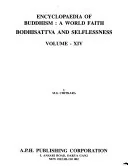
Encyclopaedia of Buddhism: A World Faith: Bodhisattva and Selflessness V. 14
 75
75

Encyclopaedia of Buddhism: A World Faith: Bodhisattva and Selflessness V. 14
Madan Gopal Chitkara's Encyclopaedia of Buddhism, Volume 14, tackles the profound concepts of the Bodhisattva ideal and selflessness with commendable academic rigor. The work's strength lies in its systematic exposition of these complex Mahayana doctrines, tracing their development and philosophical implications. A particular passage detailing the vows of a Bodhisattva, as understood in the Prajnaparamita literature, offers a clear, if dense, articulation of altruistic commitment. However, the volume's academic tone, while appropriate for its subject matter, can make it less accessible to casual readers. The sheer density of philosophical argument, without extensive contextualization for those unfamiliar with specific sutras, presents a notable limitation. Ultimately, this is a valuable resource for serious students of Buddhist philosophy, offering a detailed examination of core Mahayana tenets.
📝 Description
75
Published in 1999, Madan Gopal Chitkara's work examines the Bodhisattva ideal and the principle of selflessness.
This volume, Volume 14 of the Encyclopaedia of Buddhism: A World Faith series, scrutinizes key Buddhist concepts: the Bodhisattva and Anatta, or selflessness. Chitkara, the author, situates these ideas within Buddhism's role as a global faith. The book aims for detailed exposition, serving academic study and dedicated practitioners.
Its intended audience includes advanced students of Buddhist philosophy, religious studies scholars, and long-term practitioners. Those interested in the philosophical foundations of compassion and emptiness, particularly through the lens of the Bodhisattva path, will find it valuable. This is not an introductory text; it requires familiarity with Buddhist terminology and concepts.
The late 20th century saw considerable global interest in Eastern thought, including Buddhism. Chitkara's book participates in a scholarly effort to interpret complex Sanskrit and Pali texts for wider audiences. It appeared during a time when scholars actively compared Buddhist ideas with Western philosophies like existentialism and phenomenology.
Emerging in the late 1990s, this work engages with a continuing scholarly tradition of translating and interpreting Buddhist texts. It addresses a Western audience, comparing Buddhist doctrines like compassion and emptiness with Western philosophical schools such as existentialism. The focus on the Bodhisattva's commitment to universal liberation and the doctrine of no permanent self places it within discussions of Mahayana philosophy and its soteriological implications.
💡 Why Read This Book?
• Gain a precise understanding of the Bodhisattva ideal, learning about the specific vows and practices associated with delaying final nirvana to aid all beings, as explored in the context of Mahayana Buddhism. • Grasp the philosophical implications of Anatta (selflessness) by examining how this doctrine fundamentally challenges conventional notions of selfhood and ego, as detailed in the text's analysis of Buddhist metaphysics. • Appreciate the historical development of these core Buddhist concepts, understanding their place within the broader landscape of world religions as presented in the book's 1999 publication context.
⭐ Reader Reviews
Honest opinions from readers who have explored this book.
❓ Frequently Asked Questions
What is the primary focus of Encyclopaedia of Buddhism V. 14?
This volume primarily focuses on the Bodhisattva ideal and the doctrine of selflessness (Anatta/Anatman) within Buddhism, examining them as central tenets of a world faith.
Who is the author of this volume?
The author is Madan Gopal Chitkara, and the book was first published in 1999.
Is this book suitable for beginners in Buddhism?
No, this volume is more suited for advanced students and scholars of Buddhist philosophy due to its in-depth and rigorous academic approach to complex concepts.
What specific Buddhist traditions does this volume likely emphasize?
Given the focus on the Bodhisattva ideal and selflessness, the volume likely emphasizes Mahayana Buddhist traditions, which prominently feature these concepts.
What year was this specific volume first published?
Encyclopaedia of Buddhism: A World Faith: Bodhisattva and Selflessness V. 14 was first published in 1999.
What is the 'Bodhisattva ideal' discussed in the book?
The Bodhisattva ideal refers to an enlightened being who postpones their own entry into nirvana out of compassion, dedicating themselves to helping all sentient beings achieve liberation.
🔮 Key Themes & Symbolism
The Bodhisattva Vow
This volume looks at the profound commitment of the Bodhisattva, an enlightened being who vows to liberate all sentient beings before their own final enlightenment. The text likely examines the philosophical underpinnings of this altruistic path, often contrasting it with the Arhat ideal found in earlier Buddhist schools. It explores the immense compassion and wisdom required, drawing from Mahayana sutras that detail the stages and practices leading to Buddhahood for the benefit of all.
Anatta (No-Self)
Central to Buddhist soteriology is the doctrine of Anatta, or no-self. This section of the work likely dissects the concept, arguing against any permanent, substantial ego or soul. It explores how the realization of emptiness and the impermanence of all phenomena, including the 'self,' is crucial for overcoming suffering (Dukkha) and achieving liberation (Nirvana). The philosophical implications for ethics and the path to enlightenment are thoroughly investigated.
Buddhism as a World Faith
Beyond specific doctrines, Volume 14 situates these concepts within the broader framework of Buddhism as a global religion. It likely discusses how the Bodhisattva ideal and the understanding of selflessness have shaped Buddhist cultures, practices, and philosophies across diverse geographical and historical contexts. The aim is to present Buddhism not merely as a philosophical system but as a living tradition with universal appeal and application.
Soteriological Paths
The book likely contrasts or integrates different paths to liberation within Buddhism. It probably examines the Mahayana emphasis on the Bodhisattva path, which prioritizes universal salvation, against the Theravada focus on individual liberation as an Arhat. This comparative analysis helps to illuminate the nuanced understanding of enlightenment and the means to achieve it across various Buddhist schools.
💬 Memorable Quotes
Direct passages from the work, attributed to the author.
“Understanding Anatta dismantles the illusion of a permanent, independent self.”
— This interpretation emphasizes the crucial role of the no-self doctrine in Buddhist practice, suggesting that recognizing the impermanent and interdependent nature of existence is key to spiritual freedom.
“The path to Buddhahood requires both wisdom (prajna) and skillful means (upaya).”
— This concept underscores the dual nature of the Mahayana path: the intellectual understanding of emptiness and reality, coupled with the practical application of compassionate actions to aid others.
“Selflessness is not nihilism but the realization of interconnectedness.”
— This interpretation clarifies that the Buddhist doctrine of Anatta does not deny existence but rather reframes it, emphasizing the lack of inherent, separate selves and highlighting the web of interdependence.
“The Bodhisattva's journey is a commitment to universal welfare.”
— This statement expresses the ethical and altruistic dimension of the Bodhisattva path, portraying it as a profound dedication to the well-being and enlightenment of all sentient life.
💡 Key Ideas
Editorial paraphrase of the work's core concepts — not direct quotes.
The Bodhisattva postpones final Nirvana out of profound compassion for all suffering beings.
This paraphrased concept highlights the core Mahayana ideal: an enlightened being delaying their own ultimate peace to ensure the liberation of others, driven by boundless empathy.
🌙 Esoteric Significance
Tradition
This work aligns with the scholarly study of Mahayana Buddhism, a tradition often considered esoteric due to its complex philosophical systems and emphasis on non-dualistic realization. While not strictly belonging to Western esoteric lineages like Hermeticism or Kabbalah, it engages with concepts of transformation and liberation that resonate with esoteric aims. Its focus on realizing emptiness and cultivating boundless compassion can be seen as a path toward transcending ordinary consciousness.
Symbolism
The Bodhisattva figure itself is a potent symbol of altruism, wisdom, and the potential for all beings to achieve enlightenment. The concept of 'emptiness' (Sunyata), often explored in relation to selflessness, symbolizes the lack of inherent existence, a clear insights that dissolves attachment and suffering. The Lotus Sutra, frequently associated with Bodhisattva narratives, uses imagery of purity and transformation, symbolizing spiritual awakening emerging from the defilements of the world.
Modern Relevance
Contemporary Buddhist practitioners and thinkers, particularly within Mahayana and Vajrayana traditions, continue to draw inspiration from the Bodhisattva ideal as a model for ethical conduct and spiritual aspiration. The philosophical underpinnings of Anatta remain a subject of discussion in both Buddhist circles and Western mindfulness-based interventions, which adapt these teachings for psychological well-being. Scholars continue to analyze these concepts for their contributions to ethics, consciousness studies, and comparative philosophy.
👥 Who Should Read This Book
• Advanced students of Buddhist philosophy: To gain a detailed, scholarly exposition of the Bodhisattva ideal and the doctrine of Anatta, enhancing their understanding of Mahayana tenets. • Comparative religion scholars: To analyze the specific philosophical contributions of Madan Gopal Chitkara's work to the study of Buddhism as a world faith in the late 20th century. • Dedicated practitioners seeking depth: For those with established meditation practices who wish to rigorously explore the intellectual foundations of compassion and emptiness as presented in this 1999 volume.
📜 Historical Context
Published in 1999, Madan Gopal Chitkara's work emerged during a period of sustained academic engagement with Buddhism in the West. Scholars were actively translating and analyzing Mahayana texts, building upon earlier foundational work by figures like Edward Conze. This volume contributes to a scholarly discourse that sought to articulate complex Buddhist concepts, such as the Bodhisattva ideal and Anatta, within a global comparative religious framework. It arrived at a time when comparative philosophy, particularly comparing Buddhist thought with Western existentialism and phenomenology, was gaining traction. While specific reception events for this particular volume are not widely documented, it stands within the tradition of scholarly encyclopedic works aiming to provide comprehensive overviews, alongside contemporaries like the works of the Dalai Lama or academic analyses from institutions like the University of California Press.
📔 Journal Prompts
The Bodhisattva's vow to save all beings: Reflect on the ethical implications of such boundless commitment.
The doctrine of Anatta: Consider how the absence of a permanent self challenges personal identity.
Wisdom (prajna) and Skillful Means (upaya): Explore the interplay between insight and action in the pursuit of enlightenment.
Compassion as a driving force: Analyze the role of empathy in the Bodhisattva path.
Realizing interconnectedness: How does the understanding of no-self alter one's perception of relationships?
🗂️ Glossary
Bodhisattva
An enlightened being in Mahayana Buddhism who postpones their own final nirvana to help all sentient beings achieve liberation. Embodies compassion and wisdom.
Anatta (Anatman)
The Buddhist doctrine of 'no-self' or 'non-soul,' asserting that there is no permanent, unchanging, independent self or essence in any phenomenon.
Nirvana
The ultimate goal of Buddhist practice; the cessation of suffering, craving, and the cycle of rebirth (samsara). Often described as liberation or enlightenment.
Mahayana
One of the major branches of Buddhism, characterized by the Bodhisattva ideal and the emphasis on emptiness (Sunyata) and universal salvation.
Prajna
Wisdom or insight, particularly the direct realization of the nature of reality, including emptiness and impermanence, essential for enlightenment.
Upaya
Skillful means; the ability to adapt teachings and methods to suit the needs and capacities of different individuals to lead them toward enlightenment.
Dukkha
Suffering, dissatisfaction, or unease; a fundamental characteristic of existence in Buddhist philosophy, arising from craving and ignorance.
This book appears in 1 collection
🔮 Readers Also Liked
Browse all →








From the “Vipassana” Collection
View all →






More Free Occult Philosophy Books
View all →