Dream Yoga
 71
71

Dream Yoga
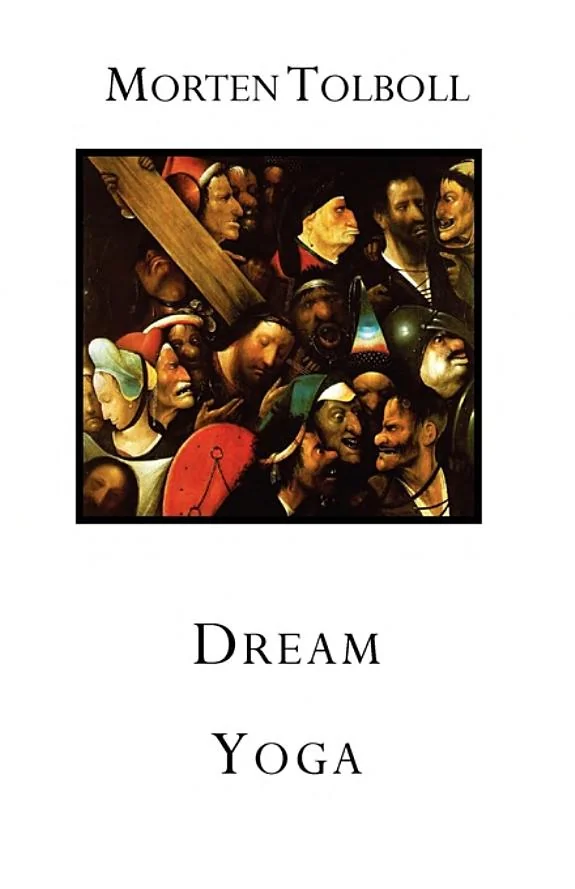
Morten Tolboll's "Dream Yoga" offers a structured approach to a practice often shrouded in mystique. The strength of the book lies in its systematic breakdown of techniques for achieving lucidity and exploring sleep states. Tolboll presents a clear map, not just of dreams, but of the spiritual journey itself, framing sleep as a critical, often neglected, dimension of practice. A limitation, however, is the occasional density of the conceptual framework, which might require dedicated study for newcomers to esoteric disciplines. The section detailing the stages of sleep awareness, moving from ordinary dreaming to lucid and then astrality, is particularly compelling, offering a concrete progression for the practitioner. "Dream Yoga" provides a valuable manual for those seeking to consciously engage with their sleeping lives.
📝 Description
71
Morten Tolboll's Dream Yoga was first published in 2009.
Dream Yoga is a practical method for training the mind to remain aware while sleeping. The book details how to recognize the illusory nature of dreams and cultivate specific states of consciousness during sleep. This practice goes beyond simple dream recall, using dreams as a space for spiritual growth. The work is aimed at those interested in esoteric studies, consciousness, altered states, and the connection between spiritual practice and sleep. It will also appeal to meditation practitioners wishing to extend their practice into their sleep and individuals who explore reality and the self through non-ordinary states of consciousness.
Tolboll's approach synthesizes ideas from Tibetan Buddhist traditions of Dream Yoga with a modern, Western esoteric framework. The book maps states of lucidity within dreams and the projection of consciousness beyond the physical body during sleep. These states are presented as stages within a larger spiritual progression, viewing life and death as connected phases of awareness.
Morten Tolboll's Dream Yoga draws from a long history of exploring consciousness during sleep, particularly the Tibetan Buddhist practice of Dream Yoga. While the Tibetan tradition is extensive, Tolboll's work adapts these concepts within a contemporary Western esoteric perspective. Published in 2009, it aligns with a modern renewal of interest in consciousness studies and explorations of the subtle body.
💡 Why Read This Book?
• You will learn to recognize the illusory nature of dreams and cultivate lucidity, transforming sleep into an active spiritual practice, as detailed in the book's 18 articles. • Gain insight into achieving states of 'astrality' during sleep, expanding your understanding of consciousness beyond the waking body, a concept explored throughout the work. • Understand sleep and dreaming as integral stages in a spiritual journey through life and death, as mapped by Tolboll's synthesis of ancient practices.
⭐ Reader Reviews
Honest opinions from readers who have explored this book.
❓ Frequently Asked Questions
What is the primary goal of Dream Yoga as described by Morten Tolboll?
The primary goal is to achieve conscious awareness within the dream state, recognize dreams as illusory, and attain special states of consciousness like lucidity and astrality during sleep.
How does Morten Tolboll's Dream Yoga relate to Tibetan traditions?
Tolboll's work draws upon and reinterprets concepts from traditional Tibetan Dream Yoga, synthesizing them into a modern, Western esoteric framework for practitioners.
What are 'lucidity' and 'astrality' in the context of Dream Yoga?
Lucidity is the state of knowing you are dreaming while dreaming. Astrality refers to experiencing consciousness projected beyond the physical body during sleep.
Is Dream Yoga a form of meditation?
Yes, it is understood as a form of meditation practiced during sleep, aiming to extend awareness and spiritual discipline into the sleeping state.
What does the book mean by mapping the spiritual journey through life and death?
The book uses the stages of dream awareness, from ordinary dreaming to lucid and astrality, as a metaphor and practical guide for navigating the continuous cycle of consciousness through physical existence and beyond.
When was Morten Tolboll's Dream Yoga first published?
Morten Tolboll's "Dream Yoga" was first published in August 2009.
🔮 Key Themes & Symbolism
Lucid Dreaming Cultivation
The work meticulously outlines methods for achieving and sustaining lucidity within the dream state. It moves beyond mere awareness to practical techniques for stabilizing this state, allowing for conscious interaction with the dream environment. This theme explores how dreams can become a training ground for heightened perception and self-awareness, directly impacting waking consciousness and the individual's understanding of reality's nature.
The Astral Dimension of Sleep
Beyond simple lucidity, Tolboll addresses the concept of astrality – the experience of consciousness operating independently of the physical body during sleep. This theme explores the potential for out-of-body experiences and exploration of non-physical realms while in a dream state, positioning sleep as a gateway to subtler dimensions of existence and spiritual exploration.
Sleep as a Spiritual Journey
The book frames the entire spectrum of sleep experiences, from ordinary dreams to advanced yogic states, as a continuous spiritual journey. It posits that understanding and mastering the dream state offers clear insights into the nature of consciousness, the self, and the transition between life and death, providing a map for navigating existence beyond the physical.
Illusion and Reality
A central theme is the recognition of the illusory nature of dreams, which serves as a microcosm for understanding the illusory aspects of waking reality. By learning to discern the dream state, practitioners can develop a critical perspective on sensory perception and mental constructs, leading to a deeper apprehension of ultimate truth and the nature of existence.
💬 Memorable Quotes
Direct passages from the work, attributed to the author.
“Practicing meditation during sleep”
— This succinctly captures the essence of Dream Yoga as an active, conscious engagement with the sleeping state, rather than passive rest.
“Realizing the illusory aspects of dreams”
— This highlights the critical discernment required in Dream Yoga, understanding that dream imagery, while potent, is not necessarily concrete reality.
“Achieving special states in sleep, such as lucidity and astrality”
— This points to the advanced potentials of the practice, moving from simple awareness to profound shifts in consciousness during the sleep cycle.
“A map over the spiritual journey through life and death”
— This positions the practice of Dream Yoga not just as a technique but as a comprehensive framework for understanding one's entire existential path.
“18 articles draw a map”
— This suggests a structured, detailed exploration of the subject matter, indicating a methodical approach to teaching the principles and practices of Dream Yoga.
🌙 Esoteric Significance
Tradition
Tolboll's "Dream Yoga" operates within the broad spectrum of Western Esotericism, drawing parallels and synthesizing concepts from Eastern contemplative traditions, particularly Tibetan Buddhism. It departs from a purely religious framework to offer a practical methodology for consciousness exploration, aligning with Hermetic principles of 'as above, so below' applied to the inner range of the mind and the states of consciousness during sleep.
Symbolism
Key motifs include the dream state itself as a symbol of illusion and potential reality, the lucid dreamer as the awakened consciousness within illusion, and the transition between waking, dreaming, and deep sleep as symbolic of the broader journey through life and death. Astrality represents the soul's perceived separation and potential for independent travel, a concept resonant with astral projection traditions.
Modern Relevance
Contemporary thinkers and practitioners in fields like lucid dreaming research, consciousness studies, and non-dual spiritual paths often engage with the principles outlined in "Dream Yoga." Its structured approach to exploring sleep states and achieving lucidity provides a valuable, practical framework for individuals interested in expanding their awareness beyond conventional limits, influencing modern approaches to meditation and self-exploration.
👥 Who Should Read This Book
• Practitioners of meditation and mindfulness seeking to extend their practice into the sleeping state and explore consciousness more deeply. • Students of esoteric traditions interested in understanding altered states of consciousness and their role in spiritual development, particularly those drawn to Eastern or Hermetic philosophies. • Individuals curious about the nature of dreams, reality, and consciousness, looking for practical techniques to gain awareness and potentially explore non-physical dimensions during sleep.
📜 Historical Context
Morten Tolboll's "Dream Yoga," first published in 2009, emerged during a period of renewed Western interest in consciousness studies and esoteric practices. While the term "Dream Yoga" is most famously associated with Tibetan Buddhism, particularly the yogic traditions documented by figures like Namkhai Norbu, Tolboll's work frames it within a broader, contemporary esoteric context. This era saw a growing dialogue between Western occultism, psychology, and Eastern contemplative traditions. Unlike purely academic explorations or strictly religious interpretations, Tolboll's approach aims for practical application, echoing earlier Western esotericists like Aleister Crowley who explored altered states. The book's synthesis of ancient yogic principles with modern esoteric thought positioned it as a resource for practitioners seeking to explore consciousness beyond the limitations of waking perception.
📔 Journal Prompts
The concept of realizing the illusory nature of dreams.
Stages of sleep awareness and their symbolic meaning.
Personal experiences with dream lucidity.
The potential for astrality during sleep.
Mapping one's own spiritual journey through sleep states.
🗂️ Glossary
Dream Yoga
A spiritual discipline focused on practicing meditation and awareness during sleep, aiming to achieve lucidity and explore consciousness.
Lucidity
The state of being aware that one is dreaming while the dream is occurring, allowing for conscious interaction with the dream environment.
Astrality
A state of consciousness during sleep where the individual experiences their awareness as projected outside the physical body, often associated with out-of-body experiences.
Illusory Aspects of Dreams
The understanding that dream imagery and experiences, while vivid, are mental constructs and do not necessarily represent objective reality.
Spiritual Journey
The ongoing process of personal and spiritual growth, understanding, and transformation throughout one's existence, including through states of sleep and potentially beyond physical life.
States of Sleep
Refers to the various levels of consciousness experienced during sleep, ranging from ordinary dreaming to profound yogic states of awareness.
Meditation during sleep
The practice of applying meditative techniques and maintaining conscious awareness while in the state of sleep, as a core component of Dream Yoga.
This book appears in 1 collection
🔮 Readers Also Liked
Browse all →









From the “Dream Yoga” Collection
View all →







More Free Occult Philosophy Books
View all →