Deus Vult Knights Templar
 79
79

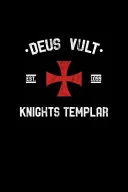
Deus Vult Knights Templar
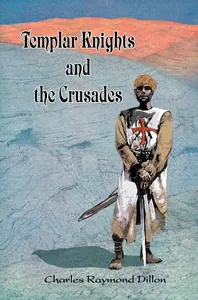
The "Deus Vult Knights Templar" offers a focused look at the iconography that has cemented the Templars in popular consciousness. Its strength lies in its direct presentation of the "Deus Vult" cross, a symbol potent with historical and spiritual weight. The work effectively taps into the public's enduring fascination with the order, linking it to broader themes of the Crusades and esoteric pursuits. However, the book's brevity and its reliance on a souvenir-like approach mean it offers little in the way of deep historical analysis or novel esoteric interpretation. A passage detailing the cross's design, while visually appealing, lacks the textual depth one might expect from a critical examination. It functions more as a thematic artifact than an academic treatise. Ultimately, it serves as a well-intentioned but superficial nod to Templar lore.
📝 Description
79
This volume examines the 'Deus Vult' cross imagery linked to the Knights Templar.
This book collects the imagery and symbolism associated with the Knights Templar, with a specific focus on the "Deus Vult" cross. It acts as a visual and conceptual link, connecting modern interest with the historical mystique of the medieval military order. The work details the visual iconography that has become tied to the Templars, often mixed with later fraternal groups and esoteric traditions. It is made for those who feel a connection to the historical crusades and the legends surrounding the Knights.
The "Deus Vult Knights Templar" is for people interested in the Knights Templar. This includes hobbyists, collectors of medieval items, and those drawn to Freemasonry connections or theories about treasure. It also suits individuals looking for symbols of faith and historical devotion, such as Christians, soldiers, and history enthusiasts who value medieval artifacts and chivalric ideals. The book is also a gift option for those fascinated by Christian Crusades or the search for the Holy Grail.
The Knights Templar, founded around 1119 and suppressed in 1312, have long been subjects of fascination and speculation. Their dramatic end, marked by the execution of Grand Master Jacques de Molay, fueled enduring myths and conspiracy theories. The "Deus Vult" motto, meaning "God wills it," was prominent in the First Crusade. Its later association with Templar imagery suggests a wider medieval Christian zeal that continues to attract interest in esoteric circles. This book taps into that persistent allure.
💡 Why Read This Book?
• Understand the specific symbolism of the "Deus Vult" cross, gaining insight into its historical roots in the Crusades (circa 1095-1099) and its later interpretations. • Explore the popular connections drawn between the Knights Templar and Freemasonry, understanding how these associations contribute to the order's enduring mystique. • Appreciate the visual language of medieval chivalry and religious devotion, connecting with the "Soldiers of Christ" through tangible, symbolic representations.
⭐ Reader Reviews
Honest opinions from readers who have explored this book.
❓ Frequently Asked Questions
What is the historical origin of the "Deus Vult" phrase?
The phrase "Deus Vult" translates to "God wills it" and was a rallying cry famously used during the First Crusade, which began in 1095. Its adoption by later groups, including those associated with Templar imagery, connects them to that historical period of religious fervor.
Are the Knights Templar directly linked to Freemasonry in this book?
The book acknowledges the popular fascination and perceived links between the Knights Templar and Freemasonry, treating it as part of the Templar legend that captivates many enthusiasts. It highlights this connection as a common point of interest.
What is the significance of the "Order of Solomons Temple" mentioned?
The "Order of Solomons Temple" refers to speculative theories connecting the historical Knights Templar to the biblical King Solomon's Temple. This association is a recurring motif in esoteric Templar lore and adds a layer of ancient mystery.
What kind of gift is this book suitable for?
This book is presented as a suitable gift for individuals interested in medieval history, Christian Crusades, chivalry, and esoteric symbolism. It's framed as a "Medieval souvenir" ideal for birthdays or Christmas.
Does the book discuss the Knights Templar's suppression in 1312?
While the book focuses on the symbolic aspects and popular lore, it situates the Templar fascination within the context of their historical existence and dramatic end. The suppression in 1312 is part of the historical backdrop that fuels ongoing interest.
What other historical events or locations are referenced?
The book references the Christian Crusades broadly and specifically mentions Oak Island, a location associated with treasure-hunting legends often linked to Templar artifacts, reflecting popular theories about their hidden legacies.
🔮 Key Themes & Symbolism
The "Deus Vult" Symbol
The "Deus Vult" Templar Cross serves as the central visual motif, embodying the militant Christian spirit of the Crusades. Its design invokes a sense of divine mandate, linking the historical order to the concept of "God wills it." This symbol is explored not just as historical artifact but as a potent icon in contemporary esoteric circles, representing faith, martial prowess, and a connection to a perceived sacred mission from the medieval era.
Crusader Legacy and Mystique
This theme looks at the enduring fascination with the Knights Templar as "Soldiers of Christ" during the Crusades. The book touches upon the popular imagination's view of the Templars, often romanticizing their role and linking them to quests for relics like the Holy Grail. It acknowledges the historical impact of their military campaigns while focusing on the symbolic weight they carry in modern interpretations of chivalry and religious warfare.
Esoteric Connections and Artifacts
The work engages with the speculative and esoteric traditions that have grown around the Knights Templar. It references the "Order of Solomons Temple" and the popular theories connecting the Templars to Freemasonry and hidden treasures, such as those supposedly located on Oak Island. This highlights the Templars' transformation from historical military order to a subject of occult inquiry and legendary seeking.
Medieval Souvenir and Devotion
Presented as a "Medieval souvenir," the book functions as a tangible connection to the past for enthusiasts. It caters to those who appreciate historical artifacts and seek symbolic expressions of faith or historical admiration. The emphasis is on the keepsake aspect, providing a physical representation of devotion to the Knights Templar's legacy and the broader ideals of medieval Christian warriorhood.
💬 Memorable Quotes
Direct passages from the work, attributed to the author.
“The "Deus Vult" Templar Cross.”
— This phrase captures the core symbol of the work, representing the fusion of the crusading motto with the iconic Templar cross. It signifies divine sanction for military action and the enduring spiritual identity attributed to the order.
“Connects with the Order of Solomons Temple.”
— This highlights the esoteric dimension, referencing speculative links between the Knights Templar and the ancient biblical structure. It points to a hidden lineage and a deeper, possibly mystical, purpose attributed to the order.
“Great for anyone who loves history, artifacts, The Deus Vult Templar Cross.”
— This emphasizes the book's appeal to history enthusiasts and collectors, positioning the "Deus Vult" cross as a prime artifact of interest. It underscores the tangible and historical attraction of the subject matter.
“Say you love the Knights Templar with this Medieval souvenir.”
— This frames the book's purpose as a declaration of affinity for the Templar legacy, presented in a format that serves as a memento or token of appreciation for medieval history.
“Get your sword, shield and armor and wear this out as a Knights Templar.”
— This evokes the martial and chivalric identity associated with the Templars, encouraging the reader to adopt or express this persona through symbolic representation, connecting to their warrior spirit.
🌙 Esoteric Significance
Tradition
This work engages with the modern esoteric tradition that has built legends around the Knights Templar, particularly those influenced by 19th-century occult revivalism and pseudo-historical theories. While the historical Templars were a Catholic military order, their post-suppression narrative has been absorbed into Hermetic, Masonic, and various New Age spiritualities seeking ancient lineages and Gnostic secrets. The "Order of Solomons Temple" reference places it within this speculative lineage, distinct from orthodox historical accounts.
Symbolism
The primary symbol is the "Deus Vult" Templar Cross, which merges the crusader battle cry with the iconic red cross on white. The cross itself, in Christian symbolism, represents redemption and the sacrifice of Christ. The "Deus Vult" inscription imbues it with divine authority and militant purpose. References to King Solomon's Temple suggest hidden knowledge, sacred geometry, and a connection to ancient mystical traditions, often interpreted as representing a lost spiritual wisdom the Templars were thought to guard.
Modern Relevance
Contemporary esoteric practitioners, particularly those involved in Western esotericism, Templar-inspired Masonic rites, and certain historical reenactment groups, continue to draw inspiration from the Templar mythos. Thinkers exploring the archetype of the warrior-monk or the symbolism of sacred orders often reference the Templars. The enduring appeal of the "Deus Vult" motto and cross speaks to modern desires for clear moral conviction and a connection to historical purity of purpose, even when filtered through layers of legend.
👥 Who Should Read This Book
• Enthusiasts of medieval military orders like the Knights Templar, seeking visual and thematic connections to their history and legend. • Collectors of historical memorabilia and symbolic artifacts, interested in items that represent chivalry, faith, and the Crusades. • Individuals exploring esoteric traditions and conspiracy theories, particularly those fascinated by the alleged connections between the Templars, Freemasonry, and hidden treasures.
📜 Historical Context
The Knights Templar, officially the Poor Fellow-Soldiers of Christ and of the Temple of Solomon, emerged around 1119 during a period of fervent religious expansion following the First Crusade (1095-1099). Their initial purpose was to protect Christian pilgrims in the Holy Land. By the early 14th century, their wealth and influence had grown substantially, attracting the attention of monarchs like Philip IV of France. The order's dramatic suppression began on Friday, October 13, 1307, when numerous Templars were arrested on charges of heresy, blasphemy, and other offenses, leading to their eventual dissolution in 1312. This abrupt end, marked by the execution of Grand Master Jacques de Molay in 1312, fueled centuries of speculation, conspiracy theories, and esoteric interpretations, far removed from their original military-religious function. Contemporaries like Dante Alighieri, while not directly engaging with Templar esotericism, lived in an era shaped by crusading ideals that the Templars embodied.
📔 Journal Prompts
The "Deus Vult" Templar Cross as a symbol of divine will.
Reflecting on the "Order of Solomons Temple" and its esoteric implications.
The enduring appeal of the Knights Templar as "Soldiers of Christ".
Interpreting the "Deus Vult" motto in a personal context.
The legend of Oak Island treasure and Templar artifacts.
🗂️ Glossary
Deus Vult
Latin for "God wills it." This phrase was a prominent rallying cry during the First Crusade (1095-1099) and is associated with medieval Christian militancy and divine mandate.
Knights Templar
A Catholic military order founded around 1119, active during the Crusades. Known for their martial prowess and wealth, they were suppressed in the early 14th century, leading to enduring legends.
Crusades
A series of religious wars initiated, supported, and sometimes directed by the Latin Church in the medieval period, primarily aimed at recovering the Holy Land from Muslim rule.
Freemasons
Members of a fraternal organization with origins attributed to the stonemasons' guilds of the late Middle Ages. Many esoteric Templar theories link them to Masonic symbolism and rituals.
Oak Island treasure
A legendary treasure or artifact hoard purportedly buried on Oak Island, Nova Scotia. Theories often connect it to the Knights Templar, suggesting they hid their wealth there.
Order of Solomons Temple
A speculative designation referring to alleged connections between the Knights Templar and the biblical King Solomon's Temple, often explored in esoteric and conspiratorial literature.
Holy Grail
In Arthurian legend and later esoteric traditions, a mystical artifact often associated with the Last Supper or Joseph of Arimathea. The Templars are sometimes mythologically linked to its guardianship or discovery.
This book appears in 1 collection
🔮 Readers Also Liked
Browse all →









From the “Templar Knights” Collection
View all →





More Free Occult Philosophy Books
View all →