Vampire Queen Guinevere Camelot Werewolf Templar Knights of Round Table
 73
73

Vampire Queen Guinevere Camelot Werewolf Templar Knights of Round Table
Britney Grimm Shakespeare's "Vampire Queen Guinevere" offers a peculiar, if somewhat jarring, fusion of Arthurian lore with gothic fantasy. The premise of Guinevere as a vampire ruling the Round Table is certainly a novel angle, and the inclusion of Templar Knights and werewolf elements promises a dark, mythic retelling. The artwork itself, described as inspired by medieval murals and Renaissance paintings, suggests a potential for visually rich coloring experiences. However, the execution feels less like a cohesive narrative and more like a series of thematic illustrations. The strength lies in the sheer audacity of its concept and the potential for detailed coloring. A limitation, however, is the lack of narrative depth suggested by the blurb; it appears to be primarily a visual project rather than a story. The concept of opulent, detailed portraits of Arthur and Guinevere together, rendered in a style reminiscent of historical art, stands out as a potentially compelling element for enthusiasts of both classical art and dark fantasy. Ultimately, it functions best as a visual exploration rather than a literary one.
📝 Description
73
Britney Grimm Shakespeare's 2016 coloring book reimagines Arthurian legend with a vampire queen.
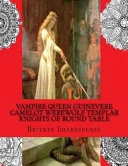
Published in 2016, Vampire Queen Guinevere: Camelot Werewolf Templar Knights of Round Table presents an unusual take on Arthurian myth through its coloring book format. The work by Britney Grimm Shakespeare blends familiar characters like King Arthur and Guinevere with supernatural elements, featuring werewolves and Templar Knights alongside a vampire queen. The book contains large, detailed scenes created for coloring, drawing inspiration from medieval murals and Renaissance art. It includes individual portraits of Guinevere as a vampire queen, as well as depictions of Arthur and Guinevere together. This coloring book is aimed at adults and older teens interested in adult coloring books that offer a distinct thematic twist. It will appeal to those who enjoy fantasy, mythology, and historical reinterpretations, particularly with an interest in vampire stories and Arthurian tales. Readers seeking creative outlets through detailed artwork, including mandalas and paisley patterns, will find this book suitable. It is also for those who appreciate the blend of artistic styles, such as medieval and Renaissance aesthetics, within a coloring book.
This 2016 coloring book enters the long tradition of Arthurian retellings, which dates back to the 12th century. While many authors have reinterpreted these stories, Britney Grimm Shakespeare introduces a modern esoteric angle by integrating vampire and werewolf elements. This approach reflects current trends in supernatural fiction, where classic archetypes are often recast with darker, more mythic, or occult undertones. The central concept involves a Camelot ruled by a supernatural figure, subverting traditional portrayals of Arthurian royalty.
💡 Why Read This Book?
• Gain a unique visual interpretation of Arthurian legend, exploring the concept of a vampire queen Guinevere ruling Camelot, a departure from traditional narratives. • Engage with detailed artwork inspired by medieval murals and Renaissance paintings, offering a distinct aesthetic for creative expression beyond standard coloring books. • Discover the symbolic interplay of mandalas and paisley patterns within a dark fantasy context, merging meditative art forms with Arthurian and supernatural themes.
⭐ Reader Reviews
Honest opinions from readers who have explored this book.
❓ Frequently Asked Questions
What is the primary focus of the "Vampire Love Stories Coloring Books" series?
The series, exemplified by "Vampire Queen Guinevere," centers on reimagining classic figures and narratives with vampire and supernatural elements. This particular book blends Arthurian legend with dark fantasy themes, featuring portraits of a vampire queen Guinevere and intricate designs for coloring.
What kind of artwork can I expect in this coloring book?
The book contains 45 large scenes inspired by medieval murals and Renaissance paintings. Expect detailed portraits of Guinevere as a vampire queen, as well as depictions of King Arthur and Guinevere together. It also includes mandala designs and paisley patterns.
Who is the author of Vampire Queen Guinevere?
The author is Britney Grimm Shakespeare. The book was first published on July 13, 2016.
Are there any specific historical art styles mentioned?
Yes, the blurb specifically mentions that the elaborate scenes are inspired by medieval murals and Renaissance paintings, suggesting a blend of historical artistic influences within the coloring book's designs.
What is a mandala, as mentioned in the book's description?
A mandala is an intricate design, often circular, used in various spiritual traditions for meditation and symbolism. The book includes several mandala designs, suggesting a meditative or symbolic component to the coloring experience.
Does the book contain a narrative story or is it purely for coloring?
Based on the description, the book is primarily a coloring book featuring extensive artwork. While it presents a thematic concept of a vampire queen Guinevere ruling Camelot, it emphasizes the visual and artistic elements rather than a linear narrative.
🔮 Key Themes & Symbolism
Arthurian Legend Reimagined
The core of this work is the radical reinterpretation of Arthurian figures. Guinevere is transformed into a vampire queen, subverting her traditional role and introducing a gothic, supernatural dimension to Camelot. This theme explores the potential for dark fantasy to overlay familiar myth cycles, questioning established archetypes and presenting a world where chivalry meets vampiric rule. The inclusion of Templar Knights and werewolf lore further expands this blend of historical and mythical elements into a unique esoteric collection.
Symbolism in Art and Design
Beyond the narrative twist, the book heavily emphasizes symbolic artistic elements. Mandalas, traditionally used for meditation and spiritual focus, are integrated into the designs, offering a pathway for the user's own introspective engagement with the artwork. Paisley patterns, often associated with life and fertility, add another layer of symbolic meaning. These motifs, combined with the artistic styles of medieval murals and Renaissance paintings, transform the coloring book into a medium for exploring deeper meanings through visual creation.
The Esoteric Nature of Myth
This work taps into the esoteric potential of enduring myths like the Arthurian cycle. By introducing supernatural beings like vampires and werewolves, it aligns with modern esoteric interests in hidden lore and alternative realities. The book suggests that these ancient stories can be infused with new, darker energies, reflecting a contemporary fascination with the occult and the supernatural that often underpins esoteric traditions. It presents myth not as static history, but as a fluid medium for esoteric exploration.
Art as Spiritual Practice
The act of coloring intricate designs, particularly mandalas, is presented as a form of meditative practice. The book invites users to engage with detailed scenes inspired by historical art, fostering a connection between artistic creation and inner reflection. This approach aligns with various spiritual traditions that utilize art and pattern as tools for achieving altered states of consciousness or promoting spiritual growth. The large, elaborate scenes encourage sustained focus, facilitating a mindful experience.
💬 Memorable Quotes
Direct passages from the work, attributed to the author.
“The coloring book section contains portraits of vampire queen Guinevere.”
— This statement directly informs the reader about the specific content and central figure of the artwork, highlighting the unique departure from traditional Arthurian depictions.
“The elaborate scenes are actually medieval murals and renaissance paintings.”
— This clarifies the artistic inspiration behind the coloring pages, suggesting a sophisticated visual style that merges historical art aesthetics with the book's fantasy themes.
“A mandala is an intricate design.”
— This provides a basic definition of a key artistic element included in the book, hinting at its potential for detailed coloring and meditative engagement.
“Enter the world of Camelot where a vampire queen rules the knights of the round table!”
— This opening sets the fantastical premise, immediately establishing the book's core concept: the fusion of Arthurian legend with supernatural, specifically vampiric, elements.
“There are also a few opulent and detailed portraits of King Arthur and Guinevere together.”
— This highlights specific illustrations that likely offer a different dynamic, showing the iconic pair within the book's unique thematic framework.
🌙 Esoteric Significance
Tradition
This work doesn't adhere strictly to a single established esoteric lineage like Hermeticism or Theosophy. Instead, it draws from a syncretic modern occult aesthetic, blending Arthurian myth with popular vampire and werewolf tropes. This approach aligns with contemporary esoteric practices that often involve personal myth-making and the reinterpretation of ancient stories through a modern, often darker, lens. It functions more as a tool for personal exploration of archetypes within a fantastical framework than a direct transmission of codified esoteric knowledge.
Symbolism
The book prominently features symbolic elements such as the vampire queen Guinevere, representing the subversion of traditional feminine archetypes and the introduction of shadow aspects into the Camelot narrative. Mandalas, as intricate circular designs, symbolize cosmic order and wholeness, offering a meditative focus within the coloring process. Paisley patterns, with their flowing, organic forms, can represent life, fertility, or the cyclical nature of existence. The fusion of Templar Knights with werewolf imagery introduces symbols of warriorhood and primal instinct, merging structured power with untamed force.
Modern Relevance
Contemporary thinkers and practitioners interested in modern myth-making, dark fantasy, and the esoteric reimagining of folklore find relevance in this work. It speaks to a modern fascination with the occult, where classic narratives are infused with supernatural elements to explore psychological depths and archetypal transformations. Artists and creators exploring the intersection of art, mythology, and the supernatural may draw inspiration from its unique thematic blend and artistic style, reflecting current trends in popular culture and niche spiritual interests.
👥 Who Should Read This Book
• Fans of Arthurian legends seeking unconventional interpretations: Readers who appreciate familiar myths being twisted into dark fantasy settings will find this unique take on Guinevere and Camelot compelling. • Adult coloring book enthusiasts interested in detailed, thematic art: Individuals looking for intricate designs inspired by historical art styles (medieval murals, Renaissance paintings) blended with gothic and supernatural themes will enjoy the visual complexity. • Explorers of occult aesthetics and modern myth-making: Those drawn to contemporary occult fiction and the reinterpretation of ancient symbols and stories through a darker, more esoteric lens will appreciate the book's thematic fusion.
📜 Historical Context
Britney Grimm Shakespeare's "Vampire Queen Guinevere" (2016) emerges within a landscape saturated with Arthurian retellings and a burgeoning adult coloring book market. While the Arthurian tradition itself has roots stretching back to medieval romances and figures like Chrétien de Troyes, this 2016 publication injects a distinctly modern, esoteric, and gothic sensibility. It diverges sharply from scholarly or traditional fantasy interpretations, aligning more with contemporary occult fiction trends that re-contextualize ancient myths with supernatural entities. Unlike works that might engage with historical Arthurian scholarship, this book leans into speculative fiction, blending chivalric imagery with vampire lore. Its publication in 2016 places it amidst a surge in adult coloring books, which often explored niche themes, fantasy, and mythology, appealing to an audience seeking creative and escapist engagement.
📔 Journal Prompts
Vampire queen Guinevere's rule over Camelot: Reflect on how power dynamics shift when the familiar queen becomes a supernatural entity.
The symbolism of mandalas and paisley patterns: Consider how these intricate designs might influence your perception of the Arthurian narrative.
King Arthur and Guinevere portraits: Analyze the visual representation of their relationship within this dark fantasy context.
Templar Knights and werewolf lore: Explore the juxtaposition of organized chivalry with primal, shapeshifting forces.
Medieval murals and Renaissance painting inspirations: How do these artistic styles contribute to the overall esoteric atmosphere?
🗂️ Glossary
Vampire Queen Guinevere
A central character in the book, reimagining the traditional Queen Guinevere of Arthurian legend as a supernatural, vampiric ruler, introducing a dark fantasy element to Camelot.
Camelot
The legendary court and castle of King Arthur. In this context, it is depicted as the seat of power for the vampire queen, blending historical myth with gothic fantasy.
Templar Knights
A historical Catholic military order founded in the 12th century. Here, they are integrated into the Arthurian setting, potentially imbued with esoteric or supernatural characteristics alongside werewolf elements.
Werewolf
A mythological creature, a human who can shapeshift into a wolf or wolf-like creature. Its inclusion suggests themes of primal nature, transformation, and duality within the narrative.
Mandala
An intricate geometric design, often circular, used in spiritual traditions for meditation and as a symbol of the universe. The book includes several mandala designs for coloring.
Paisley Pattern
A distinctive curved, feather-shaped motif of Persian and Indian origin. In the book, these patterns add decorative detail and potentially symbolic layers to the artwork.
Medieval Murals
Wall paintings created during the Middle Ages. The book's artwork draws inspiration from this style, suggesting a historical and artistic aesthetic for the coloring scenes.
This book appears in 1 collection
🔮 Readers Also Liked
Browse all →








From the “Templar Knights” Collection
View all →




More Free Occult Philosophy Books
View all →