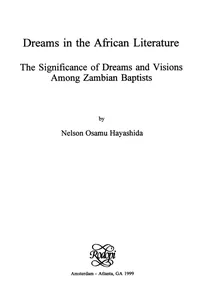
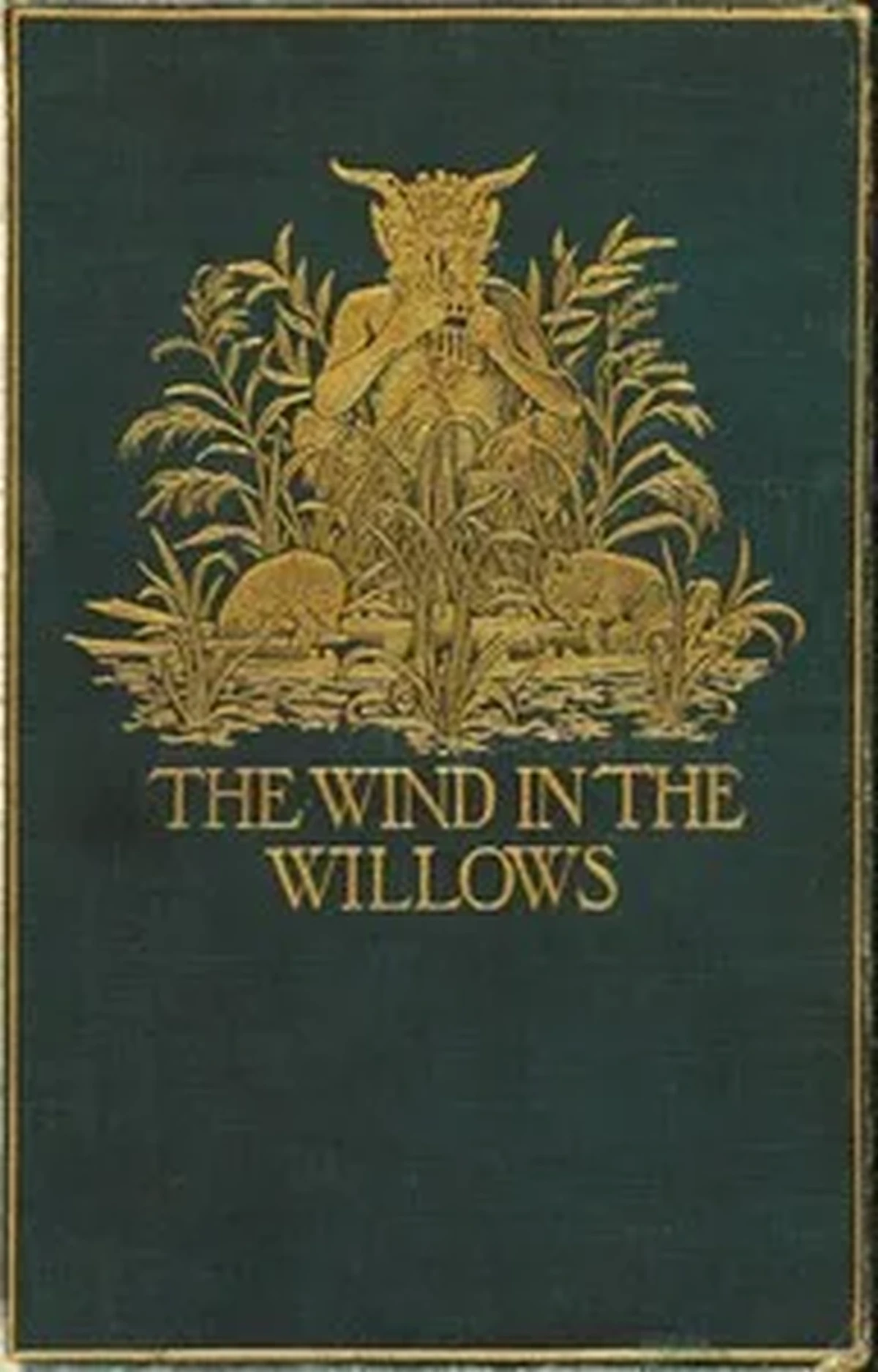
The Wind in the Willows
 81
81

The Wind in the Willows
Kenneth Grahame's "The Wind in the Willows" is more than a simple animal fable; it is a meticulously crafted piece of Edwardian prose that critiques societal pressures through the lens of its charming protagonists. The character of Toad, with his insatiable appetite for novelty and his subsequent misadventures, serves as a potent, albeit humorous, symbol of societal folly and the destructive pursuit of status. Grahame's detailed descriptions of the riverbank and the Wild Wood offer a palpable sense of place, contrasting the tranquil, natural order with the artificiality of human-like aspirations. A particular strength lies in the portrayal of friendship, especially the patient, guiding influence of Badger and Rat towards the impetuous Toad. However, the book's deliberate pacing and focus on idyllic settings might feel slow to modern readers accustomed to more rapid narrative progression. The work ultimately offers a gentle, yet firm, endorsement of simple pleasures and genuine companionship over material acquisition and social climbing.
📝 Description
81
Kenneth Grahame published 'The Wind in the Willows' in 1908, a story about anthropomorphic animals.
Kenneth Grahame's 1908 novel follows the lives of Mole, Rat, Badger, and Toad along an English river. While often seen as a children's book, its detailed prose and social observations have appealed to adults for generations. The story contrasts the peaceful routines of the riverbank dwellers with Toad's impulsive and often disastrous adventures, particularly his obsession with motor cars. Grahame, a former bank official, drew on his familiarity with the Thames Valley, creating a world that offers a retreat from the pressures of modern life.
The narrative centers on the choice between a contented, domestic existence and the chaotic pursuit of novelty and status. Themes of friendship, loyalty, and the importance of home are central. The book reflects on societal structures through its animal characters, presenting a gentle allegory for human behavior and aspirations. It captures a sense of idyllic rural life that was becoming increasingly rare in the early 20th century.
Beyond its surface as a children's tale, 'The Wind in the Willows' engages with subtle currents of nature mysticism and a longing for harmonious existence. Grahame channels a deep appreciation for the English countryside, presenting it as a sanctuary from industrialization and societal pressures. The anthropomorphic animals embody archetypes of contentment and restless ambition, reflecting a desire for order and balance often found in esoteric thought. The book's emphasis on the sanctity of home and the simple rhythms of nature aligns with traditions that seek spiritual grounding in the natural world and communal bonds.
💡 Why Read This Book?
• Gain insight into the concept of the "River of Life" through Rat's contented existence, understanding how early 20th-century literature viewed natural rhythms as a counterpoint to societal haste. • Appreciate the symbolic contrast between the "Wild Wood" and the "Riverbank" as representations of societal chaos versus natural harmony, as explored in the book's setting details. • Grasp the enduring archetype of the "prodigal son" through Toad's recurrent cycles of infatuation and disaster, a theme Grahame handles with unique literary grace.
⭐ Reader Reviews
Honest opinions from readers who have explored this book.
❓ Frequently Asked Questions
Is "The Wind in the Willows" suitable for very young children?
While often categorized as children's literature, its sophisticated language and subtle social commentary make it more engaging for older children (ages 7-8 and up) and adults. The themes of friendship and consequence are accessible, but the narrative depth is best appreciated by those with a developed reading comprehension.
What is the significance of the year 1908 for "The Wind in the Willows"?
1908 marks the original publication year of "The Wind in the Willows." This places it within the Edwardian era, a period of significant cultural and societal shifts in Britain, influencing its themes of tradition versus modernity.
Who is the author of "The Wind in the Willows"?
The author is Kenneth Grahame, a Scottish writer and banker. His personal experiences and observations of the English countryside heavily influenced the creation of the beloved characters and settings in the book.
What does the "Wild Wood" represent in the story?
The "Wild Wood" is portrayed as a dangerous and chaotic place, contrasting sharply with the peaceful Riverbank. It symbolizes the untamed, potentially perilous aspects of nature and, by extension, the unpredictable and often unsettling elements of society outside the safety of home.
Are there any deeper meanings behind the animal characters?
Yes, the animals often represent human archetypes and social classes. Mole embodies innocence and contentment with simple life, Rat represents steady companionship and domestic virtue, Badger signifies wisdom and authority, and Toad personifies reckless ambition and the folly of wealth.
What are the primary themes explored in "The Wind in the Willows"?
The book explores themes of friendship, loyalty, home, adventure, and the contrast between a simple, contented life and one driven by material desires and social status. It also touches upon the allure and danger of modernity versus the peace of nature.
🔮 Key Themes & Symbolism
The Idyllic Riverbank
The Riverbank serves as a symbol of pastoral ideal and domestic tranquility, representing a retreat from the pressures of the modern world. Here, life unfolds at a gentle pace, dictated by the seasons and the simple pleasures of friendship and home. This setting is crucial for understanding the characters' core values and their resistance to the chaotic allure of the Wild Wood or the motor-car craze, embodying a specific Edwardian longing for nature's purity.
Toad's Reckless Ambition
Mr. Toad embodies the destructive potential of unchecked desire and social aspiration, particularly his obsession with motor-cars and the status they represent. His repeated escapades and incarcerations highlight the dangers of mistaking material possessions and fleeting thrills for genuine fulfillment. This theme critiques the era's burgeoning consumerism and the societal pressure to constantly seek novelty and excitement, often at great personal cost.
The Bonds of Friendship
The unwavering loyalty and support among Mole, Rat, and Badger towards Toad, despite his often-trying behavior, is central. This theme underscores the importance of community and mutual aid in navigating life's challenges, especially when confronting the darker aspects represented by the Wild Wood. Their efforts to rescue Toad from his own folly illustrate the profound strength found in steadfast companionship and shared responsibility.
Home and Belonging
The concept of 'home' is deeply explored, not just as a physical dwelling but as a place of safety, identity, and belonging. Mole's initial yearning for home and his eventual contentment on the Riverbank, Rat's love for his riverside villa, and Badger's solid, authoritative presence in his own domain all emphasize the psychological need for roots. This theme contrasts with Toad's rootless pursuit of external validation.
💬 Memorable Quotes
Direct passages from the work, attributed to the author.
“The Mole had been working very hard all the morning, spring-cleaning his little home.”
— This opening line immediately establishes Mole's industrious nature and his deep attachment to his domestic space, setting the stage for his eventual yearning for adventure beyond its comfortable confines.
“Believe me, my young friend, there is nothing—absolutely nothing—half so much worth doing as simply messing about in boats.”
— Rat's iconic declaration captures the philosophy of simple pleasures and contentment found in the natural world, a core tenet of the Riverbank dwellers' way of life, contrasting with Toad's restless pursuits.
“The Riverbank… was beautiful… and it was home.”
— This phrase captures the profound emotional connection the characters feel to their environment, highlighting how the Riverbank represents not just a location but a state of being characterized by peace and belonging.
“There was a wild, haggard look in his eyes, and he seemed to be all angles and elbows.”
— This description of Toad during one of his frantic phases conveys his inner turmoil and the physical manifestation of his obsessions, showing how his reckless pursuits distort his very being.
“Badger’s voice, deep and serious, always had a calming effect.”
— This highlights Badger's role as the wise elder and moral compass of the group. His presence and counsel are often what ground the others and provide stability amidst chaos.
🌙 Esoteric Significance
Tradition
While not explicitly aligned with a single esoteric tradition, "The Wind in the Willows" draws heavily on the Western Romantic and pastoral literary heritage, which often carries subtle animistic and nature-worship undertones. Its focus on the inherent wisdom and spiritual significance of the natural world aligns with Neopagan and certain branches of Theosophy that emphasize the 'spirit in nature' and the importance of living in harmony with ecological cycles.
Symbolism
The Riverbank represents the mundane world of order, domesticity, and community, akin to the material plane in some esoteric cosmologies. Conversely, the Wild Wood symbolizes the chaotic, untamed forces, both external and internal, that threaten this order—representing the Shadow Self or the allure of primal, uncontrolled energies. The motor-car, for Toad, becomes a potent symbol of ego-driven technological hubris, a modern 'chariot' of desire that leads to downfall.
Modern Relevance
Contemporary eco-philosophy and ecopsychology find resonance in Grahame's depiction of the natural world as a source of spiritual solace and ethical guidance. The book's critique of consumerism and its emphasis on genuine connection over superficial status align with modern movements advocating for mindfulness, simple living, and a deeper relationship with nature, echoing sentiments found in contemporary eco-conscious communities.
👥 Who Should Read This Book
• Students of Edwardian literature seeking to understand pastoral themes and social commentary of the era. • Readers interested in comparative mythology who wish to explore archetypal characters within a charming, accessible narrative. • Individuals exploring themes of home, belonging, and the tension between societal expectations and personal contentment.
📜 Historical Context
Published in 1908, Kenneth Grahame's "The Wind in the Willows" emerged during the Edwardian era, a period characterized by a complex mix of social stability and underlying anxieties about industrialization and class. The book's pastoral idealism offered a comforting vision of English life, a stark contrast to the rapid technological advancements and burgeoning urban sprawl. Grahame, a former secretary of the Bank of England, infused the narrative with a subtle critique of modernity, particularly through Toad's infatuation with motor-cars. This work appeared in the literary landscape alongside figures like E.M. Forster, whose "A Room with a View" (1908) also explored societal constraints, and Beatrix Potter, whose animal stories offered a different, though equally beloved, take on animal life. The reception was generally positive, with critics praising its charm and imaginative scope, though its deeper allegorical layers were perhaps more appreciated by adult readers than its young audience.
📔 Journal Prompts
The concept of 'messing about in boats' and its relation to contentment.
The contrasting environments of the Riverbank and the Wild Wood.
Mr. Toad's repeated cycles of obsession and consequence.
The role of Badger's wisdom in guiding the group.
Mole's transition from diligent home-cleaning to adventurous exploration.
🗂️ Glossary
Riverbank
The idyllic and civilized setting along the river where Mole, Rat, and Badger reside, symbolizing peace, home, and natural harmony.
Wild Wood
A dark, mysterious, and potentially dangerous woodland area bordering the Riverbank, representing the untamed, chaotic, and less civilized aspects of nature and society.
Motor-car
A symbol of modernity, speed, and dangerous obsession for Mr. Toad, representing the allure and destructive potential of new technology and reckless ambition.
Weasel
A type of animal often depicted as antagonistic or belonging to the less reputable inhabitants of the Wild Wood, contrasting with the protagonists.
Barge
A type of flat-bottomed boat used on canals and rivers, representing a more traditional and slower mode of transport, aligned with Rat's philosophy.
Caravan
A wheeled vehicle equipped for habitation, used by Mole and Rat for a period of travel, symbolizing a temporary escape and exploration.
Stoat
Similar to weasels, stoats are often portrayed as characters associated with the Wild Wood and its more aggressive elements.
🔮 Readers Also Liked
Browse all →









More by Kenneth Grahame
All books →
More Free Occult Philosophy Books
View all →