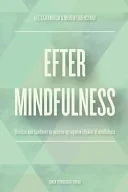
Efter Mindfulness
 83
83

Efter Mindfulness
The premise of *Efter Mindfulness* is immediately compelling: what happens when the quietude sought through mindfulness practice reveals a storm of unaddressed emotions? Stjernholm and Ehrensvärd tackle this with a directness that is both refreshing and challenging. They don't shy away from the difficult truth that inner peace can be a catalyst for confronting past pains, anxieties, and insecurities, moving beyond the often-sanitized popular versions of mindfulness. The book's strength lies in its practical, exercise-driven approach to processing these emergent feelings. However, the text occasionally feels didactic, perhaps sacrificing some of the nuanced exploration of the psychological dynamics for the sake of clear instruction. A particularly striking section details the process of acknowledging fragmented memories without judgment, urging the reader to see these not as failures of practice but as opportunities for integration. Ultimately, *Efter Mindfulness* offers a necessary corrective to an overly simplified view of contemplative practice, advocating for a more robust and honest engagement with the self.
📝 Description
83
Ole Stjernholm and Martin Ehrensvärd's 2018 book examines the difficult emotions that can surface after mindfulness practice.
Efter Mindfulness, published in 2018, critically examines what happens after individuals begin mindfulness practices. It acknowledges that while stillness can bring presence and joy, it also can surface suppressed feelings and unresolved issues. This book is not a guide to achieving perfect calm. Instead, it is a practical manual for confronting the uncomfortable truths that often emerge.
The work is intended for those who have engaged with mindfulness or meditation and found that the resulting quiet stirred up difficult emotions, anxieties, or past experiences. It is for readers who feel unprepared for this psychological fallout and seek guidance on processing these emergent feelings constructively. Those looking for a deeper understanding of contemplative paths, beyond superficial tranquility, will find value here. It is for individuals who know that spiritual growth often involves confronting shadows.
Published in 2018, Efter Mindfulness addresses a growing concern within secular mindfulness movements. While popular Western adaptations often focus on stress reduction, this work acknowledges a longer contemplative tradition. These traditions, including Buddhism and yoga, have always recognized that inner work can bring difficult material to the surface. The book engages with this understanding, offering a perspective on managing the psychological consequences that may arise when one cultivates inner quiet.
💡 Why Read This Book?
• Learn concrete techniques for processing difficult emotions that surface after mindfulness practice, as detailed in the exercises proposed by Stjernholm and Ehrensvärd. This offers a practical pathway beyond mere observation. • Understand the concept of the "aftermath of mindfulness" as presented in the book, recognizing that surfacing pain is a common, not aberrant, part of deeper self-exploration. • Gain insights into handling trauma and childhood memories that emerge during stillness, as discussed in the book's specific guidance sections, fostering a more integrated approach to personal growth.
⭐ Reader Reviews
Honest opinions from readers who have explored this book.
❓ Frequently Asked Questions
What is the primary focus of 'Efter Mindfulness' by Ole Stjernholm and Martin Ehrensvärd?
The book focuses on the emotional and psychological challenges that can arise after practicing mindfulness, such as surfacing trauma and past pains, offering methods to process these feelings constructively rather than avoiding them.
When was 'Efter Mindfulness' first published?
'Efter Mindfulness' was first published on January 25, 2018, during a period of widespread interest in secular mindfulness practices.
Who are the authors of 'Efter Mindfulness'?
The authors are Ole Stjernholm and Martin Ehrensvärd. The book was initially published in 2018.
Does 'Efter Mindfulness' offer simple solutions for inner peace?
No, the book suggests that the stillness achieved through mindfulness can bring difficult emotions to the surface. It provides practical exercises for handling these emergent feelings, acknowledging that the path to deeper peace involves confronting challenges.
What kind of exercises are included in 'Efter Mindfulness'?
The book includes concrete exercises and suggestions designed to help readers manage and integrate the emotions, memories, and pains that may arise as a result of their mindfulness practice.
Is 'Efter Mindfulness' suitable for beginners to mindfulness?
It is most beneficial for those who have already begun practicing mindfulness and are encountering challenging emotional material. Beginners might find it more useful after experiencing some of these initial after-effects themselves.
🔮 Key Themes & Symbolism
The Unveiling Effect
This theme explores how the practice of mindfulness, intended to bring calm and presence, paradoxically acts as a catalyst for revealing buried emotional content. Stjernholm and Ehrensvärd detail how the stillness achieved can bring suppressed feelings, such as trauma-related distress, anxieties from past relationships, or childhood insecurities, to the surface. This is not presented as a failure of mindfulness but as an inevitable consequence of quieting the usual mental noise, allowing deeper psychological layers to become visible and requiring conscious engagement.
Integration Over Avoidance
A central tenet of the book is the necessity of actively engaging with the difficult emotions that arise post-mindfulness, rather than seeking to suppress them further. The authors advocate for a process of integration, where painful memories and feelings are acknowledged, understood, and processed. This theme emphasizes that true psychological and spiritual growth stems from bravely confronting one's inner landscape, transforming pain into wisdom, and accepting all aspects of the self.
Practical Processing Tools
This theme focuses on the actionable guidance provided by Stjernholm and Ehrensvärd. The book offers concrete exercises and specific suggestions designed to equip readers with the means to handle the emotional material that surfaces. These tools are intended to move beyond mere observation of feelings, providing a structured approach to working through trauma, relationship issues, and self-doubt, thereby facilitating healing and deeper self-awareness through direct application.
The Silent Cost of Stillness
This theme addresses the idea that achieving inner silence and presence through mindfulness practices comes with a psychological 'cost' or challenge. The book posits that this cost is the surfacing of previously unacknowledged pain and difficult emotional states. It reframes this 'cost' not as a deterrent but as an integral part of the transformative process, highlighting that the true benefits of mindfulness are often realized only after navigating these emergent difficulties.
💬 Memorable Quotes
Direct passages from the work, attributed to the author.
“The silence is not free.”
— This concise statement captures the book's core argument: that the peace found in mindfulness practices often requires confronting underlying emotional difficulties, implying a necessary psychological investment for true inner work.
“Feelings can surface that have long been hidden.”
— This highlights the book's focus on the 'aftermath' of mindfulness, suggesting that the quiet mind can become a space where repressed emotions, traumas, and insecurities become apparent.
“The book contains concrete exercises and suggestions.”
— This points to the practical, applied nature of the work, indicating that it moves beyond theory to provide readers with actionable steps for working through the psychological challenges associated with mindfulness.
“Pain from trauma and failed relationships can emerge.”
— This directly addresses the types of difficult emotional content that the book prepares readers to encounter, framing these experiences as potential catalysts for deeper understanding and healing.
💡 Key Ideas
Editorial paraphrase of the work's core concepts — not direct quotes.
Handling the feelings that emerge after mindfulness.
This paraphrased concept underscores the book's practical orientation, emphasizing its role as a guide for readers seeking methods to process and integrate difficult emotional experiences that arise during contemplative practice.
🌙 Esoteric Significance
Tradition
While not explicitly aligned with a single esoteric lineage, *Efter Mindfulness* draws implicitly from traditions that emphasize confronting the shadow self and the difficult aspects of existence as part of spiritual development. Its focus on processing trauma and integrating suppressed emotions appeals to depth psychology principles, particularly Jungian archetypes, and certain yogic or Buddhist concepts of working with obstacles (*maras*). It offers a practical, modern approach to the perennial esoteric challenge of facing inner darkness to achieve true illumination, distinguishing itself from purely devotional or ritualistic practices.
Symbolism
The central symbol is the 'aftermath' itself – the quiet space following the cessation of mental chatter, which paradoxically becomes a space for emotional turbulence. This can be seen as a symbolic representation of the alchemical process of the *nigredo* (blackening), where raw material is broken down before transformation. The 'hidden feelings' themselves symbolize the unconscious or shadow aspects of the psyche that must be brought to light and integrated for wholeness, a common motif in many esoteric paths.
Modern Relevance
This work is highly relevant to contemporary therapeutic and spiritual practices that integrate mindfulness with somatic experiencing, trauma-informed care, and depth psychology. Thinkers and practitioners exploring the integration of Western psychology with Eastern contemplative traditions, such as those influenced by Pema Chödrön's teachings on embracing difficulty or the work of Bessel van der Kolk on trauma, find value in its practical approach. It speaks to a modern audience seeking authenticity and depth beyond superficial self-help.
👥 Who Should Read This Book
['• Practitioners of mindfulness and meditation who have encountered difficult emotions or psychological material and seek guidance on how to process these experiences constructively.', '• Individuals interested in depth psychology and the integration of shadow aspects of the self, seeking practical tools beyond theoretical understanding.', '• Therapists and counselors looking for resources that address the potential psychological challenges arising from mindfulness practices in their clients.']
📜 Historical Context
The 2018 publication of *Efter Mindfulness* occurred amidst a significant cultural moment where mindfulness had transitioned from a niche Buddhist practice to a mainstream wellness phenomenon, largely popularized by figures like Jon Kabat-Zinn since the 1970s. While secular mindfulness programs often emphasized stress reduction and improved focus, a growing body of critical thought began to question its potential downsides. This book aligns with a nascent but important critique that recognized how the practice could paradoxically surface unresolved trauma and psychological distress, a notion long understood within traditional Buddhist psychology (e.g., the concept of *dukkha* or suffering). Unlike the dominant positive psychology narratives surrounding mindfulness at the time, Stjernholm and Ehrensvärd’s work engages with the more challenging aspects of inner work. It implicitly critiques the oversimplification of contemplative practices, aligning with a broader intellectual current that sought to re-contextualize these techniques within more robust psychological and philosophical frameworks, moving beyond mere stress management.
📔 Journal Prompts
The surfacing of hidden feelings after mindfulness: what patterns emerge?
Childhood memories brought to the surface: how do they manifest now?
Reflecting on the "cost" of stillness: what emotional work feels most pressing?
Integration of trauma-related pain: what is one small step towards processing?
The silence not being free: personal reflections on this concept.
🗂️ Glossary
Efter Mindfulness
Literally translating to 'After Mindfulness,' this term refers to the psychological and emotional state that follows periods of mindfulness practice, often characterized by the emergence of previously suppressed feelings and memories.
Stillness
The state of mental quietude and reduced cognitive activity cultivated through mindfulness practices. In this book, it is presented not as an end goal but as a precursor to deeper emotional exploration.
Trauma
Deeply distressing or disturbing experiences that have a lasting psychological impact. The book discusses how such experiences can surface during mindfulness and provides methods for their processing.
Integration
The process of incorporating difficult emotions, memories, or aspects of the self into one's overall psychological and spiritual awareness, leading to greater wholeness and understanding.
Hidden Feelings
Emotions, anxieties, or pains that have been suppressed or unrecognized, which can emerge into consciousness as mental quietude is achieved through practices like mindfulness.
Concrete Exercises
Specific, actionable techniques and practices detailed within the book, designed to help readers actively work with and process the challenging emotional material that arises.
Failed Relationships
The book refers to emotional pain stemming from past romantic or interpersonal connections that did not succeed, suggesting these can be a source of surfacing feelings during quiet contemplation.
This book appears in 1 collection
🔮 Readers Also Liked
Browse all →









From the “Mindfulness” Collection
View all →








More Free Occult Philosophy Books
View all →