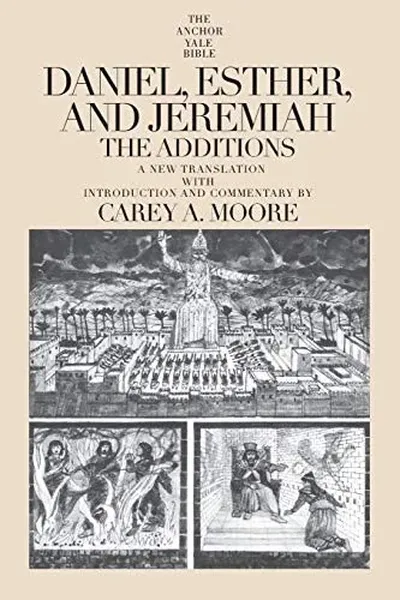
Palmistry
 76
76

Palmistry
Lori Reid’s "Palmistry" approaches the subject with a commendable lack of sensationalism, focusing instead on the diagnostic and self-understanding aspects of hand analysis. The book's strength lies in its systematic breakdown of hand features, from the familiar major lines to the subtle nuances of finger length ratios and mount elevations. Reid demonstrates how these elements collectively paint a picture of temperament and life patterns, a viewpoint that distinguishes it from purely predictive texts. A limitation, however, is the book's reliance on established palmistry frameworks that, while comprehensive, can sometimes feel dense for the absolute beginner. The section detailing the various hand shapes, for instance, offers a solid categorization but could benefit from more visual aids for immediate recognition. Despite this, Reid’s consistent emphasis on palmistry as a psychological tool, rather than a fatalistic oracle, provides a grounded perspective. The work explores how specific lines, like the Heart Line, can indicate emotional expression and relationship styles. This focus on character analysis makes it a valuable resource for those interested in the psychological underpinnings of esoteric practices.
📝 Description
76
Lori Reid's 1995 book approaches palmistry as a system for character insight, not just fortune-telling.
Published in 1995, Lori Reid's "Palmistry" presents cheiromancy as a method for understanding personality and potential, extending beyond simple prediction. The book aims to make the complex symbolic language of the hand accessible to newcomers. It details the meaning of major and minor lines, hand shapes, finger proportions, and the various mounts on the palm. Reid explains how these features combine to create a picture of an individual's inherent traits and possible life paths.
This guide is suited for individuals interested in selfdiscovery or understanding others through the analysis of hand markings. It serves students of esoteric practices and personal growth who want a clear, organized system for interpretation. Whether you are new to the subject or have some experience, Reid's explanations offer a solid starting point for deciphering the palm's map.
Palmistry, or cheiromancy, has ancient origins, with roots in traditions from India and Greece. By the mid-20th century, it had seen periods of both popularity and dismissal, often linked with wider interest in New Age thought. Reid's 1995 work engages with this history, providing a structured interpretation of palm markings that connects to a long lineage of divinatory and self-knowledge practices. It situates the art within a framework that values insight into personal disposition and life tendencies.
💡 Why Read This Book?
• Gain a structured understanding of hand analysis, learning to identify and interpret the primary and secondary lines on the palm as detailed in Reid's 1995 publication, moving beyond simple guesswork. • Discover how hand shapes and mount formations, such as the Venus Mount and its relation to affection, offer insights into personality traits and innate potentials, as explained through Reid's systematic approach. • Develop a practical framework for self-reflection by applying Reid's methods to your own hands, enabling a deeper comprehension of your character and life path, grounded in the detailed line readings presented.
⭐ Reader Reviews
Honest opinions from readers who have explored this book.
❓ Frequently Asked Questions
When was Lori Reid's "Palmistry" first published?
Lori Reid's "Palmistry" was first published on March 1, 1995, positioning it as a modern interpretation of an ancient practice within the esoteric literature of the late 20th century.
What are the main lines analyzed in palmistry according to the book?
The book details the analysis of major lines such as the Life Line, Head Line, and Heart Line, alongside numerous minor lines, each providing specific information about an individual's health, intellect, and emotional life.
Does the book focus solely on predicting the future?
No, Lori Reid's "Palmistry" emphasizes understanding character, personality, and potential life paths rather than solely focusing on fortune-telling. It presents palmistry as a diagnostic tool for self-awareness.
What is the significance of the mounts on the palm?
The book explains that mounts, like the Mount of Venus or Mount of Jupiter, represent different innate energies and potentials. Their prominence or flatness indicates the strength of these qualities in an individual.
Is this book suitable for beginners in palmistry?
Yes, the book is structured to be accessible to beginners, providing clear explanations of core concepts, line meanings, and hand analysis techniques, building from fundamental principles.
What historical traditions does palmistry draw from, as mentioned in the book?
While the book focuses on modern interpretation, it acknowledges palmistry's ancient roots in traditions from India, Greece, and Rome, placing its practice within a long lineage of esoteric study.
🔮 Key Themes & Symbolism
Character Analysis Through Hand Shapes
Reid's work dissects the nuances of hand shapes – from the broad, square hands often associated with practical individuals to the long, narrow hands linked to artistic temperaments. The book elaborates on how these fundamental shapes, combined with finger proportions and nail characteristics, form the bedrock of an individual's innate psychological makeup and approach to life. This theme moves beyond superficial interpretations to offer a detailed framework for understanding personality predispositions and behavioral tendencies based on the physical structure of the hand.
The Language of Palm Lines
Central to the book is the detailed exploration of the major and minor lines of the palm. Reid meticulously maps out the significance of the Life Line, Head Line, and Heart Line, not as rigid predictors of events, but as indicators of vitality, mental processes, and emotional expression respectively. The work also examines less commonly discussed lines, such as the Apollo Line or the Fate Line, and how their presence, absence, or breaks can inform one's life journey, talents, and challenges.
Mounts as Energy Centers
The book identifies and explains the eight primary mounts on the palm – Venus, Jupiter, Saturn, Apollo, Mercury, Mars (upper and lower), and Luna. Reid posits that the relative prominence, flatness, or texture of these mounts correspond to specific psychological energies and potentials. For instance, a well-developed Mount of Venus is associated with strong affections and vitality, while a prominent Mount of Jupiter may indicate ambition and leadership qualities. This thematic focus provides a complementary layer to line analysis.
Palmistry as a Tool for Self-Awareness
A recurring theme throughout "Palmistry" is its utility as a tool for personal growth and self-understanding. Reid frames cheiromancy not as a deterministic science, but as a sophisticated symbolic language that can illuminate one's strengths, weaknesses, and inherent potentials. By interpreting the hand's features, individuals can gain objective insights into their own nature, facilitating conscious choices and personal development. The book encourages readers to view their palms as a dynamic map for navigating life's opportunities and challenges.
💬 Memorable Quotes
Direct passages from the work, attributed to the author.
“The major lines... offer the most significant indications of character and life path.”
— This highlights the foundational importance of the Life, Head, and Heart lines. Reid suggests these are the primary indicators for understanding an individual's core nature and the general direction of their life experiences.
“Hand shapes provide the basic framework for personality.”
— This interpretation emphasizes that the overall form of the hand, before even considering the lines, offers fundamental clues about an individual's inherent temperament and psychological disposition.
“Minor lines add detail and nuance to the primary readings.”
— This reflects the book's approach where secondary lines, less prominent than the major ones, serve to refine and add specific context to the broader interpretations derived from the main lines and hand features.
“Palmistry is a map of potential, not a decree of fate.”
— This captures the essence of Reid's philosophy: the hand reveals possibilities and tendencies, empowering the individual to consciously shape their destiny rather than passively accepting a predetermined future.
💡 Key Ideas
Editorial paraphrase of the work's core concepts — not direct quotes.
The mounts represent different human qualities and energies.
This paraphrased concept points to the idea that specific areas on the palm, known as mounts, are associated with distinct psychological drives and potentials, like love, ambition, or intellect.
🌙 Esoteric Significance
Tradition
This work draws from the Western esoteric tradition of cheiromancy, which has roots in ancient Greek and Roman practices, as well as influences from Indian Vedic traditions. It fits within the broader Hermetic impulse to find correspondences between the macrocosm and microcosm, viewing the hand as a microcosm reflecting universal energies and human potential. Reid's approach modernizes this lineage, focusing on psychological interpretation rather than purely predictive outcomes, aligning with later esoteric movements that emphasized self-knowledge and personal development.
Symbolism
The book extensively explores the symbolism of the palm's physical features. The major lines, such as the Heart Line, symbolize emotional expression and relationships, while the Head Line represents intellect and cognitive processes. The mounts, like the Mount of Venus (representing love and sensuality) or the Mount of Jupiter (representing ambition and leadership), function as symbolic centers of specific energies. Hand shapes themselves carry symbolic weight, with different forms linked to elemental archetypes and core personality structures.
Modern Relevance
Contemporary practitioners and students of Western esotericism, particularly those interested in psychological astrology, archetypal psychology, and self-development systems, find value in Reid's systematic approach. The emphasis on palmistry as a tool for self-awareness speaks to modern therapeutic and coaching methodologies that utilize symbolic languages for insight. Thinkers and groups exploring embodied cognition and the physical manifestation of psychological states may also draw parallels with Reid's detailed mapping of the hand's features to inner landscapes.
👥 Who Should Read This Book
• Aspiring palmists and students of divination seeking a clear, structured introduction to hand analysis, moving beyond simplistic fortune-telling. • Individuals interested in psychological profiling and character assessment who want to explore an esoteric system for understanding personality traits and potential. • Practitioners of Western esotericism looking to deepen their knowledge of symbolic languages and their application in self-discovery and personal growth.
📜 Historical Context
When Lori Reid's "Palmistry" was first published in 1995, it entered a landscape where esoteric studies, including divination and occult arts, were experiencing renewed interest, partly fueled by the burgeoning New Age movement. Palmistry itself had a complex history, having been practiced and studied since antiquity, with significant developments in the 19th century by figures like William John Warner (Cheiro) and the Marquis dejours. Reid's work followed in this tradition, offering a contemporary perspective on cheiromancy. It stood in contrast to more speculative or fortune-telling-focused manuals, aiming for a more analytical and psychological approach. Contemporaries in related fields included astrologers and tarot readers who were also exploring modern interpretations of ancient divinatory systems. The intellectual currents favored self-help and personal empowerment, making detailed systems like palmistry appealing for those seeking self-understanding.
📔 Journal Prompts
The Life Line's curve and clarity, as presented in Reid's analysis.
The relative prominence of the Mount of Venus and its connection to affection.
Interpreting the breaks or islands on your Head Line.
Comparing your hand shape to the archetypes described.
The relationship between your Heart Line's position and your emotional expression.
🗂️ Glossary
Cheiromancy
The practice of divining character and future events by the examination of the hand, especially the lines of the palm.
Mounts
The fleshy, raised areas on the palm, named after classical gods (e.g., Mount of Venus, Mount of Jupiter), believed to represent different human energies and potentials.
Life Line
The semi-circular line around the base of the thumb, typically interpreted as indicating vitality, physical health, and major life changes.
Head Line
The line running horizontally across the palm, generally associated with intellect, learning, and communication style.
Heart Line
The uppermost horizontal line on the palm, commonly interpreted as relating to emotional capacity, romantic relationships, and emotional expression.
Hand Shape
The overall form of the hand (e.g., square, spatulate, conic, philosophical), considered a primary indicator of basic temperament and personality type.
Minor Lines
Lines on the palm other than the major ones (Life, Head, Heart), such as the Apollo Line, Fate Line, or Girdle of Venus, which offer more specific or nuanced interpretations.
This book appears in 1 collection
🔮 Readers Also Liked
Browse all →








From the “Palmistry” Collection
View all →









More Free Occult Philosophy Books
View all →