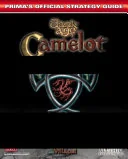
Dark Age of Camelot
 71
71

Dark Age of Camelot
Melissa Tyler's guide to "Dark Age of Camelot," first published in 2001, offers a remarkably thorough onboarding for a complex MMORPG. Its strength lies in its granular detail, dissecting every facet from character archetypes to the intricacies of the Realm vs. Realm combat system. The section on "Career Paths" is particularly illuminating, providing clear distinctions between the game's numerous classes. However, the book's primary limitation is its publication date; information regarding late-game content or significant game updates post-2001 is naturally absent. The blurb's promise of "in-depth information on all Realms and Races" is largely fulfilled, giving players a solid grounding in the game's lore and geography. For its intended audience and era, it functions as an indispensable manual. This guide remains a solid, if dated, foundational text for understanding the original vision of "Dark Age of Camelot."
📝 Description
71
Melissa Tyler's 2001 guide details the mechanics and strategy of the "Dark Age of Camelot" online game.
Published in 2001, this volume serves as a guide to the online role-playing game "Dark Age of Camelot". It details the game's world, mechanics, and strategic considerations, covering character creation, race selection, careers, and combat styles. The book aims to give players the knowledge needed to engage with the game's systems, including items, spells, and monster encounters.
This guide is primarily for new and intermediate players of the MMORPG, as well as returning players. Those interested in Arthurian legend and medieval fantasy settings who are curious about virtual world building may also find its descriptions of realms and races of interest. The work does not assume prior knowledge of DAoC, though general familiarity with online gaming conventions is helpful.
"Dark Age of Camelot" was released in 2001, a time when MMORPGs were emerging. The game distinguished itself with large-scale Realm vs. Realm (RvR) player-versus-player combat. This guide acts as a reference for the game's complex systems.
This book fits within the esoteric tradition of game guides that treat virtual worlds with a depth usually reserved for historical or mythological subjects. It offers a structured understanding of a complex digital realm, akin to how grimoires or compendiums of lore provide frameworks for understanding occult systems. The detailed breakdown of game mechanics, character paths, and inter-realm conflict reflects an approach that seeks to demystify and systematize a virtual reality for its practitioners, treating the game as a distinct world with its own rules and forces to be mastered.
💡 Why Read This Book?
• Understand the foundational "Realm vs. Realm" combat system, a core pillar of the game's design since its 2001 launch, and learn how to strategize within these large-scale conflicts. • Gain practical knowledge on character creation and "Career Paths," allowing you to select and develop a character that aligns with your preferred playstyle within the game's unique class structure. • Decipher the "items, spells, and monsters" specific to the "Dark Age of Camelot" world, equipping you with the necessary intelligence to overcome challenges and progress effectively in the game.
⭐ Reader Reviews
Honest opinions from readers who have explored this book.
❓ Frequently Asked Questions
When was the "Dark Age of Camelot" game first released, and what was the significance of its 2001 publication year?
The "Dark Age of Camelot" game was first released in October 2001. This year marked a significant period for MMORPGs, with DAoC distinguishing itself through its focus on large-scale Realm vs. Realm combat.
What specific information does the guide provide about character creation in "Dark Age of Camelot"?
The guide offers tips for creating your character, covering aspects like race selection and initial stat allocation, helping players make informed choices before entering the game world.
How does the book explain the "Realm vs. Realm" system?
It provides thorough explanations of the integral "Realm vs. Realm" system, detailing the ongoing conflicts between the game's three factions and outlining strategies for player-versus-player engagement.
Are there details on items, spells, and enemies within the "Dark Age of Camelot" guide?
Yes, the book gives the 'low-down' on items, spells, and monsters, offering players crucial data to understand threats and identify useful equipment and abilities.
What kind of information is available regarding the different "Career Paths" in the game?
The guide offers thorough explanations of all "Career Paths," detailing the unique skills, roles, and progression routes for each class available to players in the game.
Does the book cover strategies for playing with others in "Dark Age of Camelot"?
Yes, it covers combat styles and group tactics, providing players with advice on how to cooperate effectively with other players for PvE and PvP encounters.
🔮 Key Themes & Symbolism
Realm vs. Realm Warfare
Central to the "Dark Age of Camelot" experience, the Realm vs. Realm (RvR) system is explored as the game's defining feature. This guide details the ongoing conflict between the Albion, Midgard, and Hibernia realms, emphasizing how players engage in large-scale territorial battles and player-versus-player combat. The book breaks down the strategic implications of RvR, offering insights into group tactics and the importance of coordinated assaults and defenses. It positions RvR not just as a game mechanic, but as the narrative and competitive engine driving player interaction and world evolution within the DAoC universe, a concept that set it apart in 2001.
Character Archetypes and Progression
The guide dedicates significant attention to the "Career Paths" available within "Dark Age of Camelot." It meticulously explains the distinct roles, skill trees, and combat specializations that define each class. This focus helps players understand the intricate character development system, from initial choices during character creation to advanced specialization. The book provides the necessary information for players to align their character's growth with specific gameplay objectives, whether focusing on tanking, healing, spellcasting, or damage dealing, ensuring a tailored experience.
World Lore and Environment
Beyond mechanics, the book examines the "Realms and Races" that constitute the world of "Dark Age of Camelot." It provides descriptions of each realm's unique environment, culture, and inhabitants, enriching the player's immersion. This exploration of lore helps contextualize the conflicts and player actions within the game. Understanding the distinct characteristics of each race and realm is presented as crucial for appreciating the game's narrative depth and for developing effective strategies that leverage environmental factors and racial abilities.
Itemization and Combat Mechanics
A significant portion of the guide is dedicated to the practical aspects of gameplay, specifically the "items, spells, and monsters" encountered. It serves as a compendium of game elements, detailing the properties of various equipment, the effects of different spells, and the strengths and weaknesses of common adversaries. This detailed breakdown equips players with the knowledge needed to optimize their gear, choose appropriate spells for different situations, and prepare for encounters with a wide array of creatures, thereby enhancing survival and combat effectiveness.
💬 Memorable Quotes
Direct passages from the work, attributed to the author.
“Maps for all Realms, Cities, and Villages”
— This indicates the guide's utility as a navigational tool, essential for players exploring the vast virtual landscapes of 'Dark Age of Camelot' and understanding its geographical layout.
“Discusses the integral Realm vs. Realm system”
— This emphasizes the guide's focus on the game's core player-versus-player combat mechanic, suggesting it examines the strategic and systemic aspects of inter-realm conflict.
“Thorough explanations of all Career Paths”
— This points to the guide's in-depth coverage of character classes and progression, assuring players that detailed information on choosing and developing their in-game persona is provided.
“Tips for creating your character”
— This suggests the guide offers practical advice for the initial stages of gameplay, helping new players make informed decisions during the character generation process.
💡 Key Ideas
Editorial paraphrase of the work's core concepts — not direct quotes.
Gives low-down on items, spells, and monsters
This paraphrased concept highlights the book's role as an informant, providing players with critical, often hidden, details about the game's elements crucial for progression and survival.
🌙 Esoteric Significance
Tradition
While "Dark Age of Camelot" itself is a secular MMORPG, its thematic underpinnings draw heavily from Arthurian legend, which itself contains layers of esoteric interpretation. These legends are often viewed through lenses of Grail quests, chivalric orders, and the interplay of pagan and Christian symbolism, resonating with Western esoteric traditions. The game's focus on distinct realms (Albion, Midgard, Hibernia) can be seen as a simplified representation of world-tree concepts or elemental planes found in various mystical systems. The guide, by detailing these realms and their conflicts, implicitly engages with the archetypal structures inherent in such foundational myths.
Symbolism
The game world is rich with potential symbolism relevant to esoteric thought. Arthurian archetypes, such as the King, the Knight, and the Sorcerer, represent distinct roles and stages of spiritual development. The concept of the "Grail Quest," though not explicitly detailed in the blurb, is often associated with the search for divine knowledge or enlightenment. Furthermore, the distinct magical traditions and racial mythologies within Albion, Midgard, and Hibernia can be interpreted as representing different paths or schools of magical practice, each with its own symbolic language and operational framework.
Modern Relevance
Contemporary digital occultism and game studies scholars might find this guide relevant for understanding the evolution of virtual worlds as spaces for myth-making and archetypal exploration. The detailed breakdown of "Career Paths" and "Realm vs. Realm" systems offers insights into game design that mirrors societal structures and conflicts. Thinkers interested in how collective mythologies are translated into interactive digital experiences, or how players engage with archetypal narratives through gameplay, could use this book as a case study from the early 2000s, a formative period for online gaming's cultural impact.
👥 Who Should Read This Book
• Players seeking a comprehensive manual for the original "Dark Age of Camelot" (2001), offering detailed explanations of game mechanics, character builds, and world lore. • Enthusiasts of Arthurian legend interested in exploring how classic myths are adapted into interactive digital environments and complex rule systems. • Game historians or scholars of digital culture examining early MMORPG design principles, particularly concerning player-versus-player combat and world-building strategies.
📜 Historical Context
Published in 2001, Melissa Tyler's "Dark Age of Camelot" guide emerged during a central moment for the MMORPG genre. The landscape was dominated by titles like *EverQuest* (1999) and *Ultima Online* (1997), which had established core gameplay loops. DAoC, however, aimed to differentiate itself significantly with its focus on large-scale, persistent Realm vs. Realm (RvR) warfare, a feature that this guide meticulously unpacks. This book represented a growing demand for comprehensive player resources in an era where online guides were often community-driven and fragmented. Unlike purely fantasy novels set in Arthurian times, this work served a functional, almost technical purpose for players engaging with a specific digital world. Its release predates the widespread adoption of wikis and official game wikis, making such printed guides indispensable for understanding complex game mechanics and lore.
📔 Journal Prompts
The "Realm vs. Realm" system's strategic demands
Character creation choices and their long-term implications
The lore and distinct characteristics of the game's "Realms and Races"
Interpreting the symbolism within Arthurian-inspired game elements
The player's chosen "Career Path" and its relationship to archetypal roles
🗂️ Glossary
Realm vs. Realm (RvR)
The core player-versus-player combat system in "Dark Age of Camelot" where players from three distinct factions (Albion, Midgard, Hibernia) battle for territory and dominance.
Career Path
Refers to the distinct character classes available in "Dark Age of Camelot," each with unique skills, abilities, and combat roles that players can specialize in.
Albion
One of the three primary realms in "Dark Age of Camelot," typically associated with Arthurian legend and European medieval themes.
Midgard
Another realm in "Dark Age of Camelot," drawing inspiration from Norse mythology and Viking culture.
Hibernia
The third realm in "Dark Age of Camelot," inspired by Irish folklore and Celtic mythology.
Items
In-game objects that players can acquire and use, such as weapons, armor, and accessories, to enhance their character's capabilities.
Spells
Magical abilities cast by characters, used for offense, defense, healing, or utility within the game world.
This book appears in 1 collection
🔮 Readers Also Liked
Browse all →









From the “Telekinesis” Collection
View all →


More Free Occult Philosophy Books
View all →