Angels And Devils
 76
76

Angels And Devils
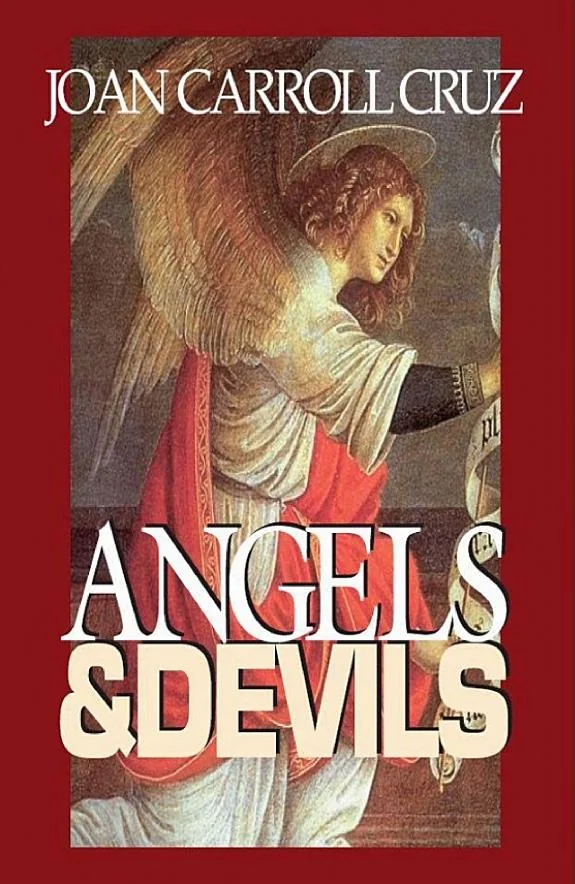
Joan Carroll Cruz’s "Angels And Devils" is an ambitious attempt to catalogue and define the spiritual entities populating much of Western theological and esoteric thought. Its strength lies in its sheer comprehensiveness; Cruz spares no effort in detailing the traditional hierarchies, powers, and names associated with both angelic and demonic forces, drawing heavily on Catholic tradition and earlier mystical writings. The section detailing the various ranks within the angelic choirs, from Seraphim to Archangels, is particularly well-researched and presented with a clarity that respects the subject matter’s complexity.
However, the book's exhaustive nature can also be its limitation. At times, the dense cataloging risks becoming repetitive, and the author’s fervent adherence to a specific theological viewpoint, while providing a strong foundation, may alienate readers seeking a more comparative or skeptical analysis. A particularly striking passage involves the detailed, almost legalistic, breakdown of the hierarchy of hell, which, while informative, can feel overwhelming.
Read more ↓
Ultimately, "Angels And Devils" serves as a formidable reference work for those dedicated to understanding the traditional, theological underpinnings of angelology and demonology, albeit one that demands scholarly patience.
📝 Description
76
Joan Carroll Cruz's 1999 book examines celestial and infernal hierarchies through theological and esoteric lenses.
Published in 1999, Angels and Devils by Joan Carroll Cruz offers a detailed look at the hierarchies of angels and devils as understood in traditional theology and esoteric thought. The book aims to answer questions about the nature, roles, and differences between these spiritual beings, drawing heavily on historical theological texts and occult traditions. Cruz builds thorough accounts from these sources, creating a comprehensive overview for serious students of demonology, angelology, and comparative religion.
This work appeals to readers interested in the historical development of beliefs about spiritual entities, particularly within Catholic and broader Christian esoteric traditions. It is also suited for researchers studying the connections between theology, folklore, and occultism. Unlike popular literature that emerged around the same time, often focusing on personal angelic encounters or New Age ideas, Cruz's book grounds itself in historical doctrines and theological debates. It represents a significant contribution to the discourse on spiritual entities, providing a counterpoint to less academically rigorous popularizations.
Angels and Devils situates itself within the long tradition of Western esotericism and theological inquiry into spiritual beings. It engages with the historical doctrines and debates that shaped understandings of celestial and infernal hierarchies, particularly within Christian traditions. The book differentiates between established theological interpretations and later esoteric elaborations, aiming to provide a clear account of these often complex and debated subjects. Cruz's work thus connects with a lineage of occult philosophy that seeks to map the unseen world.
💡 Why Read This Book?
• Gain a structured understanding of the nine angelic choirs and their traditional roles, as detailed in the book's extensive classification system, offering a foundational knowledge absent in superficial treatments. • Learn about the historical theological debates surrounding the nature and fall of Lucifer, exploring specific doctrines discussed in the text that shaped centuries of spiritual thought. • Explore the concept of spiritual warfare through the lens of traditional Catholic demonology, understanding specific angelic and demonic classifications relevant to this doctrine as presented by Cruz.
⭐ Reader Reviews
Honest opinions from readers who have explored this book.
❓ Frequently Asked Questions
What is the primary theological tradition informing Joan Carroll Cruz's "Angels And Devils"?
The book is primarily informed by Catholic theology and tradition, drawing heavily on patristic writings, scholastic philosophy, and established doctrines concerning angels and demons.
Does "Angels And Devils" discuss the symbolism of angels and devils?
Yes, while focusing on traditional definitions, the work implicitly touches upon symbolic representations by detailing the specific attributes, powers, and roles assigned to various angelic and demonic beings.
When was "Angels And Devils" first published?
The book was first published on December 1, 1999, placing it at the end of the 20th century, a period of renewed popular interest in angelic subjects.
Is "Angels And Devils" suitable for beginners in occult studies?
It is suitable for beginners who are specifically interested in theological and historical perspectives on angels and devils within a structured, academic framework, rather than purely practical occultism.
What distinguishes this book from other angelology texts published around 1999?
Unlike many contemporary books on angels that focused on personal experiences, Cruz's work offers a systematic, encyclopedic treatment rooted in historical theological definitions and classifications.
Does the book cover specific named angels or devils?
Yes, the book addresses numerous named angelic figures, such as Archangels like Michael, Gabriel, and Raphael, and discusses prominent fallen angels, including Lucifer and his hierarchy.
🔮 Key Themes & Symbolism
Angelic Hierarchies
The book meticulously outlines the traditional nine choirs of angels, from the highest Seraphim and Cherubim to the Archangels and common angels. It details their respective functions, proximity to God, and roles in divine administration. This structured approach provides a comprehensive overview of the celestial court as understood in patristic and scholastic theology, distinguishing them from later, more fluid interpretations found in some esoteric circles.
The Nature of Fallen Angels
Cruz expounds upon the theological doctrines concerning the origin of evil, focusing on the rebellion of Lucifer and the subsequent fall of a significant portion of the angelic host. The work delineates the traditional understanding of demons, their hierarchy, their malevolent purposes, and their supposed influence on the human realm, grounding these descriptions in historical theological discourse.
Spiritual Warfare and Divine Providence
A central theme is the ongoing conflict between good and evil spiritual forces. The book explores how angels are understood to act as divine messengers, guardians, and warriors, while devils are depicted as tempters and accusers. It examines the concept of divine providence managing this spiritual dynamic, offering a theological framework for understanding supernatural interventions and oppositions in the world.
Theological Classification
The work's core strength lies in its rigorous classification of angelic and demonic beings. It draws from various theological sources, including Saint Thomas Aquinas and earlier Church Fathers, to categorize these entities based on their nature, power, and position within their respective hierarchies. This detailed taxonomy serves as a factual basis for understanding the traditional theological field of supernatural beings.
💬 Memorable Quotes
Direct passages from the work, attributed to the author.
“The author systematically breaks down the traditional Catholic understanding of angelic choirs.”
— This highlights the book's methodical approach, emphasizing its reliance on established doctrine and structured presentation of complex theological concepts regarding the angelic orders.
“The fall of Lucifer is presented as a foundational event shaping the spiritual conflict.”
— This reflects the book's theological narrative, underscoring the importance of the rebellion in heaven as a starting point for understanding the dynamic between good and evil spiritual entities.
“The work meticulously details the distinctions between various ranks of angels.”
— This emphasizes the book's commitment to precise categorization, showcasing its depth in exploring the hierarchical structure of the angelic realms as understood by traditional theology.
“Cruz examines the historical theological perspectives on spiritual beings.”
— This interpretation underscores the book's grounding in historical theological discourse, positioning it as a scholarly examination rather than a speculative or purely experiential account.
💡 Key Ideas
Editorial paraphrase of the work's core concepts — not direct quotes.
Questions regarding the specific roles and powers of devils are exhaustively answered.
This paraphrased concept points to the book's comprehensive scope in addressing demonology, aiming to leave no significant query unanswered within its established theological framework.
🌙 Esoteric Significance
Tradition
The work primarily aligns with the esoteric interpretations derived from Abrahamic religions, particularly within Catholic mystical and scholastic traditions. It engages with angelology and demonology as understood through centuries of theological development, rather than directly drawing from Hermetic, Kabbalistic, or Gnostic lineages, though it acknowledges their existence. Its departure lies in its encyclopedic, almost scientific cataloging of beings and their attributes within a strictly defined theological framework.
Symbolism
While not overtly symbolic in a pagan or Hermetic sense, the book implicitly uses the hierarchical structures of angels and devils as symbolic representations of divine order and cosmic opposition. The specific attributes and powers assigned to each angelic choir (e.g., Seraphim's fiery love, Cherubim's knowledge) serve as symbolic keys to their cosmic function. The depiction of fallen angels symbolizes the nature and consequences of pride and rebellion against divine will.
Modern Relevance
Contemporary scholars of religious studies and comparative mythology reference Cruz’s work for its detailed compilation of traditional angelological and demonological lore. Practitioners of certain forms of Western Esotericism, particularly those interested in the theological underpinnings of spiritual warfare or angelic invocation within a structured framework, may consult it for historical context and detailed classification of entities.
👥 Who Should Read This Book
• Students of comparative religion and theology seeking a comprehensive overview of traditional angelology and demonology within a Christian context. • Researchers of occult history and folklore interested in the development and categorization of spiritual beings across different historical periods. • Devotees of Catholic tradition looking for a detailed theological exploration of angelic and demonic orders and their roles in divine providence.
📜 Historical Context
Published in December 1999, Joan Carroll Cruz’s "Angels And Devils" arrived during a surge of popular interest in angelic phenomena, often fueled by New Age spirituality and anecdotal accounts. However, Cruz’s work distinguished itself by anchoring its exploration firmly within traditional Catholic theology and historical demonology. Unlike contemporary authors who might focus on personal angelic encounters or speculative theories, Cruz engaged with the scholastic traditions of figures like Saint Thomas Aquinas, whose *Summa Theologica* remains a foundational text for understanding angelic hierarchies. The book’s meticulous cataloging and reliance on patristic writings offered a scholarly counterpoint to the more diffuse spiritual trends of the era. Its reception, while not marked by specific public events like censorship or major awards, contributed to a niche academic and esoteric discourse seeking rigorous, tradition-based information on these subjects, contrasting with the more generalized spiritual explorations prevalent at the time.
📔 Journal Prompts
The angelic choirs and their specific functions.
The theological concept of the fall of Lucifer.
The traditional attributes and classifications of devils.
The role of Archangel Michael in spiritual warfare.
The distinction between named angelic beings and generic 'angels'.
🗂️ Glossary
Angel
A spiritual, incorporeal being created by God, typically serving as a messenger or minister. In traditional theology, angels are ranked in hierarchies and possess distinct natures and functions.
Devil
A fallen angel, originally created good but who rebelled against God. Devils are understood as spiritual beings of malice, temptation, and opposition to divine will and humanity.
Hierarchy
In the context of angelic and demonic studies, a system of ranks or orders, typically ordered from highest to lowest, describing the structure of spiritual beings.
Choir
A division or rank within the angelic hierarchy, such as Seraphim, Cherubim, or Thrones, each possessing unique characteristics and responsibilities.
Spiritual Warfare
The theological concept of an ongoing conflict between forces of good (angels, God) and evil (devils, Satan) that influences the material world and human souls.
Divine Providence
The belief that God governs the universe and guides all events, including the actions and interactions of spiritual beings, towards His ultimate purposes.
Demonology
The study of demons or beliefs about demons, including their nature, hierarchy, and purported influence on the world.
This book appears in 1 collection
🔮 Readers Also Liked
Browse all →








From the “Angels” Collection
View all →



More Free Occult Philosophy Books
View all →