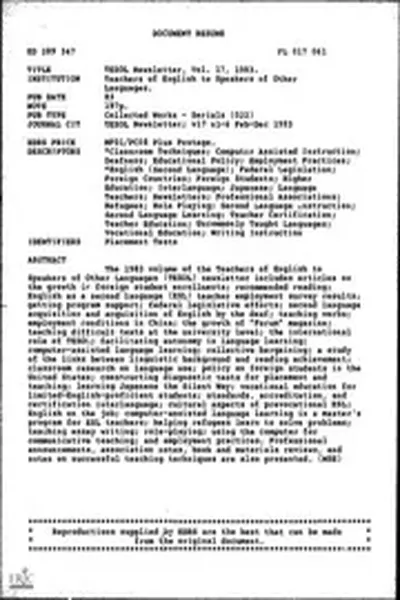
Dakini Power
 83
83

Dakini Power
Michaela Haas has assembled a compelling collection of testimonies in *Dakini Power*. The strength of the book lies in the sheer authenticity of the women featured, whose personal stories breathe life into abstract Buddhist concepts. Their accounts of leaving comfortable lives for arduous spiritual retreats, such as the twelve years spent meditating in a cave by one librarian, offer a stark and inspiring counterpoint to casual spiritual seeking. A limitation, however, is that the sheer diversity of experiences, while valuable, occasionally leads to a somewhat fragmented reading experience, lacking a singular, overarching narrative thread beyond the shared theme of female empowerment in Buddhism.
Haas's introduction to the concept of the dakini as an active, worldly force, rather than solely a celestial figure, is particularly illuminating. The book provides a vital perspective on how Buddhist wisdom is lived and transmitted by women who have navigated the complexities of the modern world. It serves as a powerful reminder of the often-unseen contributions of female masters to the spiritual landscape. The collection ultimately stands as an important contribution to the literature on women in Buddhism.
📝 Description
83
Michaela Haas's 2013 book profiles eleven prominent female Tibetan Buddhist masters.
Michaela Haas's *Dakini Power* chronicles the lives and teachings of eleven notable female Tibetan Buddhist masters. These women, from varied backgrounds, share personal accounts of their paths to spiritual realization and their roles in preserving and spreading Buddhist wisdom. The book details their struggles against internal and external obstacles, illustrating the practical use of Buddhist principles in modern life.
This work is for Buddhist practitioners, especially those interested in women's roles within spiritual traditions. Readers wanting to learn how to apply Buddhist philosophy to their daily lives will find these experiences relatable. It will also interest scholars of comparative religion and anyone curious about influential female spiritual leaders who have shaped contemporary Buddhist thought and practice.
The book addresses a historical imbalance where male voices frequently dominated Buddhist teachings. It offers a necessary counterpoint by highlighting female lineage holders and their unique viewpoints, thereby presenting a more complete view of the tradition's development.
The concept of the 'dakini' is central to this work. Traditionally, dakinis are understood as female wisdom-beings in Tibetan Buddhism. Haas reinterprets this term to include enlightened women actively involved in the world. The book examines how these women embody wisdom and compassion, demonstrating both their capacity for deep spiritual insight and their ability to take effective action. Themes of renunciation, devotion, and the application of spiritual practice to everyday difficulties are thoroughly discussed.
💡 Why Read This Book?
• Gain direct insight into the lived experiences of eleven prominent female Tibetan Buddhist teachers, such as the surfer from Malibu who leads an international Buddhist women's organization, offering practical examples of embodying wisdom. • Understand the nuanced role and modern interpretation of the dakini archetype, exemplified by the stories of women building nunneries in the Himalayas, revealing how spiritual power manifests in action. • Discover how Buddhist principles are applied to overcome contemporary challenges, as illustrated by accounts of navigating personal difficulties and establishing spiritual communities, providing actionable inspiration.
⭐ Reader Reviews
Honest opinions from readers who have explored this book.
❓ Frequently Asked Questions
Who are the main female Tibetan Buddhist teachers featured in Dakini Power?
The book features inspiring personal stories from eleven prominent female Tibetan Buddhist teachers, including Pema Chödrön and Joan Halifax, showcasing their diverse paths to spiritual realization and their contributions to Buddhist wisdom.
What is the central theme of Michaela Haas's Dakini Power?
The central theme is the power and wisdom of female Buddhist masters, exploring how they embody Buddhist teachings and overcome everyday challenges, reframing the traditional concept of the dakini.
What historical context is relevant to Dakini Power?
Published in 2013, the book addresses the historical underrepresentation of women's voices in Buddhist traditions, offering a crucial counterpoint by highlighting female lineage holders and their unique perspectives.
How does Dakini Power define the 'dakini' concept?
It reinterprets the dakini not just as a symbolic figure but as enlightened women actively engaged in the world, demonstrating their profound spiritual insight and capacity for effective action in contemporary society.
What kind of personal stories are shared in the book?
The book includes narratives ranging from a London librarian meditating for twelve years in a cave to a Malibu surfer becoming head of an international Buddhist women's organization, illustrating diverse spiritual journeys.
Who would benefit most from reading Dakini Power?
Practitioners of Buddhism, scholars of comparative religion, and anyone interested in the lives and teachings of influential female spiritual leaders will find this book particularly valuable for its insights into lived Buddhist wisdom.
🔮 Key Themes & Symbolism
Embodied Dakini Wisdom
The work reinterprets the dakini from a symbolic deity to living, breathing women who embody enlightened wisdom and compassionate action. It showcases how figures like Ani Pema Chödrön and Joan Halifax integrate profound spiritual understanding with the practicalities of modern life. Their narratives, whether involving extended solitary meditation retreats or leading international organizations, demonstrate that dakini power is about active engagement and skillful means in the world, challenging traditional patriarchal interpretations within Buddhist lineages.
Pathways to Realization
Dakini Power meticulously details the diverse and often arduous paths undertaken by these female masters. It highlights journeys that include years of solitary meditation in remote locations, such as the cave retreats mentioned, alongside reading through the complexities of establishing and leading monastic institutions like nunneries in the Himalayas. These accounts serve as potent examples of dedication, resilience, and the unwavering commitment required to achieve spiritual realization.
Overcoming Obstacles
A significant focus is placed on how these women confront and transcend challenges, both internal and external. The book illustrates the process of overcoming self-doubt, societal expectations, and the practical difficulties inherent in spiritual practice and leadership. The personal stories reveal strategies for maintaining clarity and compassion amidst adversity, offering readers tangible approaches to their own life struggles through the lens of Buddhist philosophy.
Transmission of Teachings
The book emphasizes the vital role these women play in preserving and transmitting Buddhist teachings across generations. It underscores their efforts in establishing educational centers, training future practitioners, and adapting ancient wisdom for contemporary audiences. Their work ensures the continuity of the lineage and makes profound spiritual insights accessible, demonstrating leadership in the evolution of Buddhist communities globally.
💬 Memorable Quotes
Direct passages from the work, attributed to the author.
“What drives a young London librarian to board a ship to India, meditate in a remote cave by herself for twelve years, and then build a flourishing nunnery in the Himalayas?”
— This question expresses the extraordinary dedication and transformative power explored in the book. It highlights the radical life changes undertaken by spiritual seekers and sets the stage for understanding the profound commitment required for enlightenment.
“How does a surfer girl from Malibu become the head of the main international organization for Buddhist women?”
— This query points to the unexpected paths to leadership and spiritual authority for women in Buddhism. It suggests a narrative of personal growth and dedication that transcends conventional expectations, leading to significant influence.
“The book features inspiring personal stories from eleven prominent female Tibetan Buddhist teachers.”
— This statement confirms the core content of *Dakini Power*, emphasizing the firsthand accounts from influential women. It assures readers that the book offers authentic experiences rather than theoretical discussions.
“These women share how we can embody Buddhist wisdom and overcome everyday challenges.”
— This highlights the practical and relatable aspect of the book. It promises readers actionable insights derived from the masters' lives, demonstrating the applicability of Buddhist principles in daily existence.
“The work reveals how we can embody Buddhist wisdom and overcome everyday challenges.”
— This interpretation focuses on the practical application of Buddhist philosophy as presented through the lives of the featured teachers. It suggests that the book offers concrete methods for integrating spiritual understanding into daily life.
🌙 Esoteric Significance
Tradition
The work is firmly rooted in the Tibetan Buddhist tradition, a lineage known for its complex philosophical systems, intricate visualizations, and emphasis on lineage transmission. Within this framework, *Dakini Power* specifically engages with the tantric aspects of Buddhism, particularly the symbolism and role of the dakini. It moves beyond the purely symbolic representation of dakinis as celestial beings to highlight their manifestation as realized human women who actively transmit wisdom and power, a significant reinterpretation within the Vajrayana context.
Symbolism
The central symbol is the 'dakini' itself, reinterpreted as enlightened women. Other key motifs include the arduous spiritual journey, often symbolized by solitary meditation in caves or remote mountain settings, representing purification and deep introspection. The establishment of nunneries and centers for practice signifies the outward manifestation of wisdom and the creation of sacred space for continued learning and transmission, embodying compassion and skillful means.
Modern Relevance
Contemporary Buddhist practitioners, especially those seeking female role models and alternative lineages, draw heavily on the narratives presented in *Dakini Power*. Thinkers and teachers interested in feminist interpretations of religion and the deconstruction of patriarchal structures within spiritual traditions find valuable case studies here. The work speaks to modern mindfulness and secular Buddhist movements by demonstrating the practical, accessible nature of Buddhist wisdom, as embodied by these contemporary female masters.
👥 Who Should Read This Book
• Buddhist practitioners seeking to deepen their understanding of female masters and their unique contributions to the tradition, particularly those interested in Tibetan Buddhism. • Scholars of comparative religion and gender studies looking for primary source material on women's roles in spiritual movements and the adaptation of traditions. • Individuals interested in inspirational biographies of resilience, dedication, and the practical application of spiritual wisdom in overcoming life’s challenges.
📜 Historical Context
Michaela Haas's *Dakini Power*, published in 2013, arrived at a key moment for Western Buddhism. The early 21st century saw a growing critical mass of Westerners engaging deeply with Buddhist traditions, alongside an increasing awareness of the historical marginalization of women within these lineages. While figures like the Dalai Lama publicly advocated for greater female leadership, the actual transmission of teachings and the recognition of female masters often lagged behind. Haas's work directly addresses this gap, presenting the life stories and teachings of eleven accomplished female Tibetan Buddhist figures, including Pema Chödrön, who had already gained significant international recognition. The book countered the prevailing narrative, which often centered male gurus and scholars, by offering a rich collection of female perspectives. It implicitly engaged with the broader academic and practitioner discourse on Buddhist modernism and the challenges of adapting ancient traditions to contemporary, globalized contexts, particularly concerning gender inclusivity.
📔 Journal Prompts
The twelve-year cave meditation: What does this commitment signify about the pursuit of spiritual realization?
Encountering the surfer-turned-leader: How do diverse life experiences shape spiritual authority?
Embodying dakini power: How can the wisdom of these women inform your approach to daily challenges?
Building a nunnery: Reflect on the practical steps and inner resolve required for creating spiritual communities.
The role of female teachers: Consider the impact of their specific perspectives on Buddhist transmission.
🗂️ Glossary
Dakini
In Tibetan Buddhism, traditionally a female embodiment of wisdom, often depicted as a sky-dancing or wrathful figure. In *Dakini Power*, the term is broadened to encompass enlightened women actively engaged in teaching and spiritual practice in the world.
Vajrayana
The 'Diamond Vehicle' or 'Thunderbolt Vehicle,' the esoteric branch of Mahayana Buddhism practiced primarily in Tibet, Bhutan, and Mongolia. It emphasizes tantric practices and rapid attainment of enlightenment.
Nunnery
A monastic institution for women in Buddhist traditions. The establishment of nunneries is highlighted in the book as a significant achievement of female spiritual leaders.
Lineage
The unbroken chain of transmission of teachings and spiritual authority from master to disciple within a particular Buddhist school or tradition.
Tantric practices
Esoteric practices within Vajrayana Buddhism that utilize visualizations, mantras, and other methods to transform ordinary experience into the path of enlightenment.
Bodhisattva
An enlightened being in Mahayana Buddhism who postpones their own nirvana out of compassion to help all sentient beings achieve enlightenment.
Mahayana
The 'Great Vehicle,' one of the two major branches of Buddhism. It emphasizes the ideal of the bodhisattva and the goal of achieving enlightenment for all beings.
This book appears in 1 collection
🔮 Readers Also Liked
Browse all →









From the “Dream Yoga” Collection
View all →








More Free Sacred Texts & Gnosticism Books
View all →