What is Necromancy
Necromancy is a form of divination involving communication with the dead, typically through invocation or raising spirits. Historically, it was often associated with darker magical practices, seeking knowledge or power from deceased individuals. While often depicted in fiction, its roots lie in ancient practices of spirit communication and ancestral veneration found across various cultures. The term itself derives from Greek 'nekros' (dead) and 'manteia' (divination).
Best Books for Complete Beginners
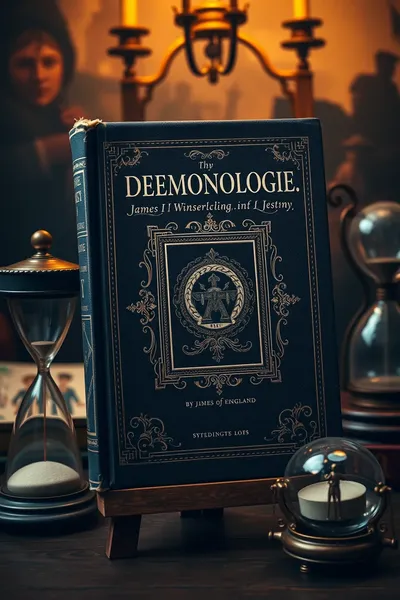
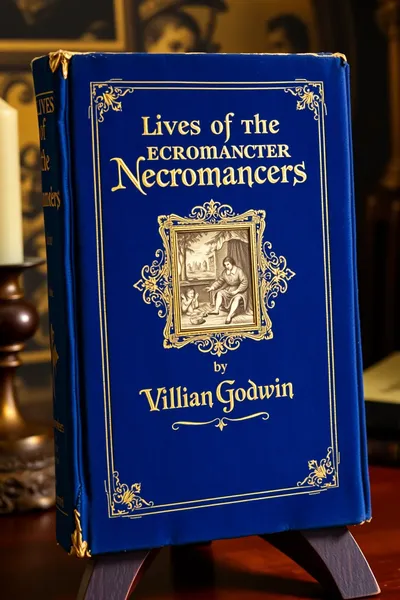
For those new to necromancy, begin with historical and conceptual overviews. William Godwin's 'Lives of the Necromancers' offers a broad historical survey of figures associated with the practice, providing context without examining occult instruction. James I's 'Daemonologie' presents a critical, albeit biased, contemporary perspective from the early modern period, informative societal fears surrounding magic. For a broader understanding of death and afterlife beliefs, James R. Lewis's 'Encyclopedia of Death and the Afterlife' serves as a valuable reference.
Intermediate Reading
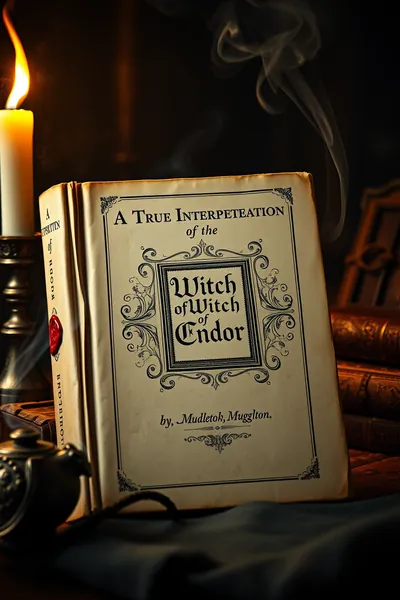
Intermediate students can explore primary grimoire texts and more focused historical analyses. 'The lesser Key of Solomon, Goetia' details specific rituals and spirit invocations, offering a glimpse into ceremonial magic. Daniel Ogden's 'Greek and Roman Necromancy' provides scholarly insights into the practice within classical antiquity. Lodowick Muggleton's 'A True Interpretation of the Witch of Endor' offers a theological interpretation of a biblical necromantic event, presenting a different historical viewpoint.
Classical / Advanced Texts
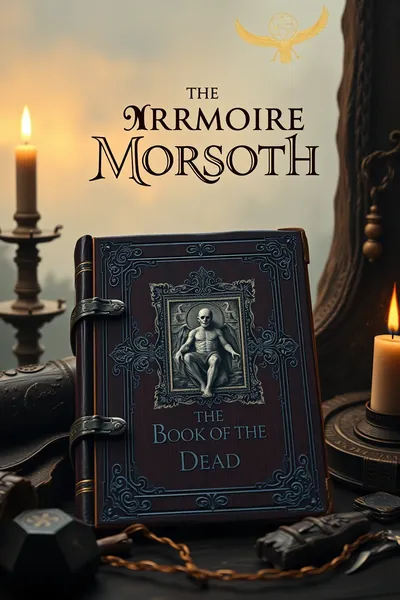
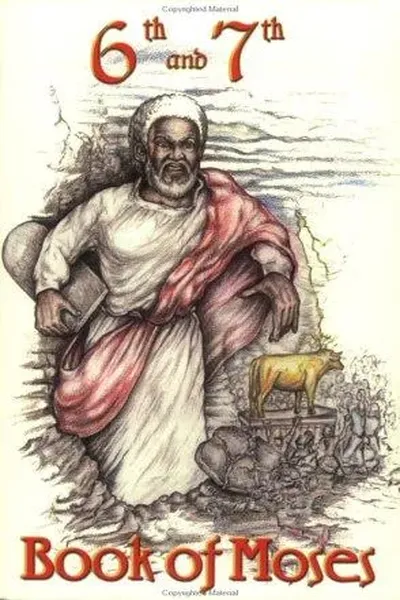
Advanced study involves engaging with seminal grimoires and specialized historical research. The '6th and 7th Book of Moses' (Anonymous, often attributed to Moses) are influential texts within grimoire traditions, containing magical squares and invocations. 'The Grimoire Morsoth – The Book Of The Dead' is a significant text for understanding darker magical traditions. Lucien Rofocale's 'Necromancy' offers a more direct engagement with the subject matter for serious practitioners and scholars.
Reading Order — Step by Step
Begin with broad historical context: Start with William Godwin's 'Lives of the Necromancers' (Month 1, Week 1-2) to grasp historical figures and narratives. Follow with James I's 'Daemonologie' (Month 1, Week 3-4) for a contemporaneous perspective on witchcraft. Move to scholarly analyses like Daniel Ogden's 'Greek and Roman Necromancy' (Month 2, Week 1-2). Then, engage with grimoires: 'The lesser Key of Solomon, Goetia' (Month 2, Week 3-4) and 'The Sixth Book of Moses' (Month 3, Week 1-2). Conclude with advanced texts like 'The Grimoire Morsoth' or Lucien Rofocale's 'Necromancy' (Month 3, Week 3-4+).
Frequently Asked Questions
Which necromancy book should I read first?
For an introduction, start with William Godwin's 'Lives of the Necromancers'. It provides historical context without requiring prior occult knowledge, setting a foundation for understanding the subject's evolution.
Are grimoires like 'The lesser Key of Solomon' safe to read?
Grimoires contain instructions for magical rituals. While reading them is generally safe, attempting to perform the rituals without proper understanding or preparation can be risky, as they often involve invoking powerful entities.
What is the difference between necromancy and spiritism?
Necromancy specifically focuses on communicating with the dead for divination or power, often through darker or more complex rituals. Spiritism, particularly in the 19th century, involved communicating with spirits for comfort, guidance, or evidence of an afterlife.
Is 'Daemonologie' by James I a practical guide to necromancy?
No, 'Daemonologie' is not a practical guide. It is a philosophical and theological treatise written by King James I, arguing against witchcraft and detailing his views on demonic influence and the perceived dangers of magical practices, including necromancy.
Where can I find information on necromancy in ancient Greece and Rome?
Daniel Ogden's 'Greek and Roman Necromancy' is a key scholarly resource. It examines historical accounts and literary references to practices of communicating with the dead in the classical world.
Are there fictional accounts of necromancy I should read?
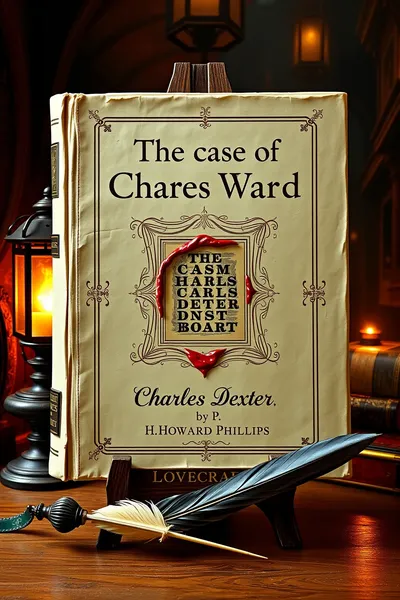
H. P. Lovecraft's 'The case of Charles Dexter Ward' is a significant fictional exploration of necromancy, examining themes of forbidden knowledge and the corrupting influence of ancient magic.
What are the 'Books of Moses' in the context of magic?
The '6th and 7th Book of Moses' are apocryphal texts that became popular in grimoire traditions. They are not part of the biblical Books of Moses but contain magical spells, seals, and invocations attributed to Moses.
Does 'The Lesser Key of Solomon' describe summoning the dead?
'The Lesser Key of Solomon', particularly the 'Goetia' section, focuses on the evocation of demons and spirits for various purposes, including knowledge and power. While not exclusively about summoning the deceased, it falls within the broader spectrum of spirit communication.