ACTA inquisitionalia contra Catharina Craulin Cand other women) wegen Hexerei. 1669-1687: Vol 1 Iss 4

 74
74

ACTA inquisitionalia contra Catharina Craulin Cand other women) wegen Hexerei. 1669-1687: Vol 1 Iss 4

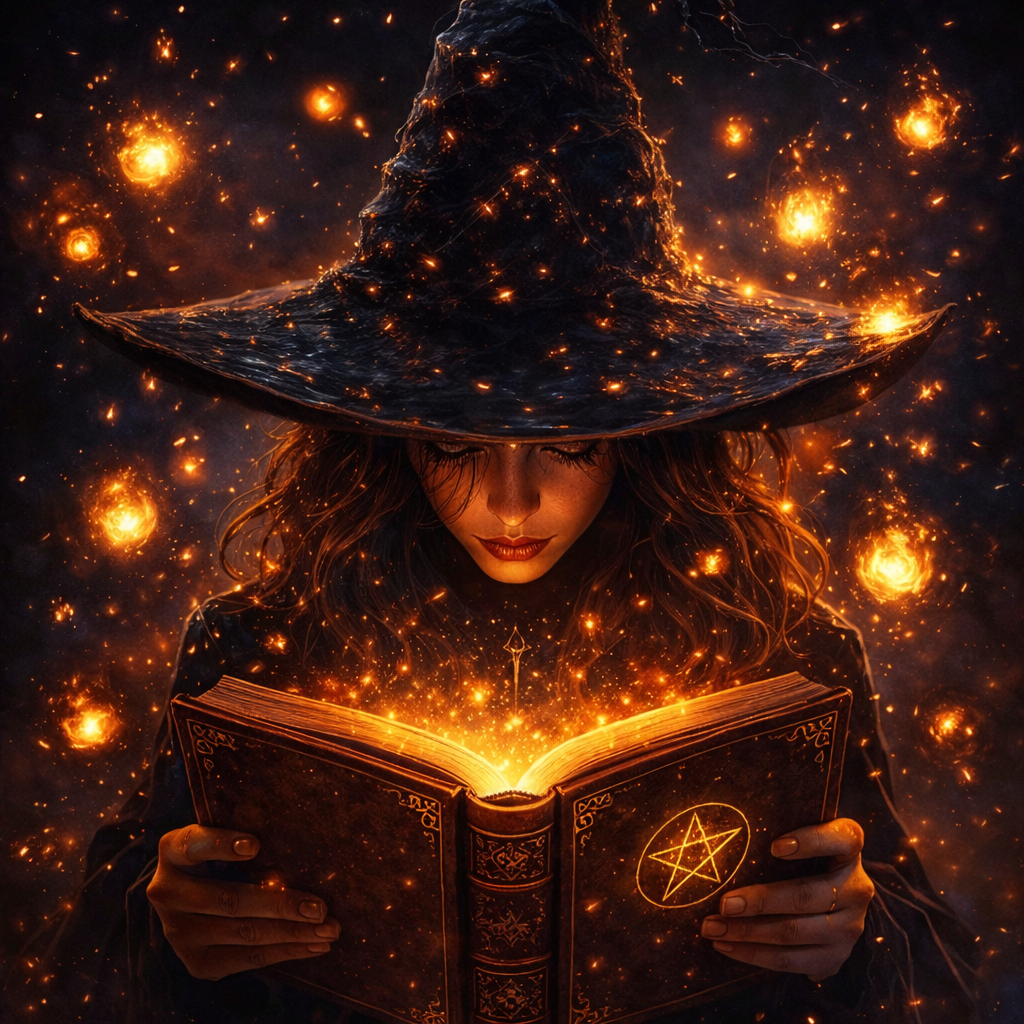

Balthazar Finch (Senior Critic, Occult Philosophy) — A profound and unsettling journey into the heart of historical inquisition. This volume, detailing the trials against Catharina Craulin and others, serves as a stark reminder of how fear and superstition can warp justice. Esoteric readers will find fertile ground for contemplation on the nature of belief, the projection of societal anxieties onto scapegoats, and the complex interplay between the perceived spiritual and the mundane. The raw, unvarnished accounts offer insights into the psychological underpinnings of accusations and the power dynamics at play. Essential for understanding the historical persecution of those perceived to wield forbidden knowledge.
📝 Description
74
Transcripts from 1669-1687 detail the inquisitorial process against Catharina Craulin for witchcraft.
This volume, ACTA inquisitionalia contra Catharina Craulin, Issue 4, presents digitized records from witch trials conducted between 1669 and 1687. The documents focus on the legal proceedings and accusations leveled against individuals, including Catharina Craulin, for sorcery. Beyond the formal legal language, the transcripts offer insight into the societal anxieties prevalent in late medieval and early modern Europe. They reveal how fears of unseen forces and the manipulation of belief systems shaped communal life and influenced accusations of witchcraft.
The collection illuminates the mechanics of the inquisitorial system itself. It shows how a society perceived threats and sought to control perceived malevolent influences. By examining these specific cases, readers can understand the broader cultural context of an era concerned with the occult and religious pacts. The records expose the symbolic language used in accusations and the underlying social dynamics that fueled these trials.
While not a grimoire or ritual manual, this collection illuminates the historical context from which certain esoteric traditions emerged. The trials documented reflect a period where the perceived boundaries between natural and supernatural forces were actively policed. Belief in pacts with demonic entities and the manipulation of natural laws through occult means were central to accusations. Understanding these historical persecutions provides a backdrop for appreciating the development of folk magic, demonology, and early European occult philosophies that sought to understand or harness such perceived powers.
💡 Why Read This Book?
Unearth the raw testimonies of historical witch trials, revealing societal fears and the manipulation of belief. This volume offers direct access to inquisitorial proceedings, providing crucial insights into the persecution of women accused of witchcraft. Ideal for scholars of history, occultism, and gender studies, as well as seekers of hidden truths within historical records. Experience the potent atmosphere of an era consumed by the supernatural.
⭐ Reader Reviews
Honest opinions from readers who have explored this book.
❓ Frequently Asked Questions
What is the primary focus of this volume?
This volume primarily focuses on the inquisitorial proceedings against Catharina Craulin and other women accused of witchcraft during the period of 1669-1687, offering a direct look at historical accusations and trials.
What historical period does this document cover?
The document covers the historical period between 1669 and 1687, a significant era for witch trials in Europe.
Is this a primary source document?
Yes, 'ACTA inquisitionalia contra Catharina Craulin' is a primary source, presenting original inquisitorial records from the specified period.
Who are the intended readers for this volume?
This volume is intended for scholars of history, occultism, religious studies, and anyone interested in the socio-cultural history of witch trials and the persecution of women.
Where can I find related volumes in this series?
Previous issues can be found under 'per_witchcraft-in-europe-and-america_stratagematvm-satanae-l_aconcio-giacomo-14927_1631_1_3', and the next issue is listed as 'per_witchcraft-in-europe-and-america_acta-inquisitionalia-con_1669-1687_2_4'.
🔮 Key Themes & Symbolism
The Crucible of Accusation
This theme examines the psychological and societal forces that fueled accusations of witchcraft. It examines how fear, religious dogma, and societal anxieties were channeled into legal processes, transforming ordinary individuals into perceived agents of malevolent supernatural forces. The transcripts serve as a stark illustration of how belief systems can be weaponized, leading to the persecution of those deemed 'other' or possessing knowledge beyond the accepted norms. We explore the symbolic language used in accusations and the dramatic narratives constructed to condemn.
Inquisitorial Mechanisms and Rituals
This theme dissects the formal procedures and hidden rituals of the inquisitorial system. It goes beyond mere legalistic accounts to explore the performative aspects of trials, the interrogation techniques, and the psychological pressures exerted upon the accused. The 'ACTA inquisitionalia' offers a window into the systematic dismantling of individuals' lives and reputations, highlighting the power dynamics at play and the often-tenuous line between perceived guilt and enforced confession. Understanding these mechanisms is crucial for grasping the historical reality of justice and its perversion.
The Veil of the Unseen
This theme investigates the pervasive belief in the supernatural and its tangible impact on human lives during the period. It explores how notions of pacts with the devil, curses, and magical practices permeated everyday life and influenced judicial decisions. The volume provides raw data for understanding how individuals navigated a world where the unseen was as real as the tangible, and how accusations of witchcraft were a direct manifestation of this worldview. It invites reflection on the enduring human fascination with the occult and the boundaries of perceived reality.
💬 Memorable Quotes
Direct passages from the work, attributed to the author.
“Whispers in the dark became pronouncements in the court.”
— Illustrates how rumor and hearsay, often originating in clandestine settings, were amplified and legitimized within the formal legal proceedings.
“Fear forged chains of guilt where none existed.”
— Highlights the psychological manipulation and societal panic that could lead to the conviction of innocent individuals, driven by unfounded anxieties.
“The parchment bore witness to souls ensnared by phantom pacts.”
— Refers to the official records (parchment) documenting confessions and accusations related to supposed supernatural agreements, emphasizing the illusory nature of these 'pacts'.
“Justice, in its haste, often wore the cloak of inquisition.”
— Suggests that the pursuit of justice during this era was often characterized by the harsh and uncompromising methods of inquisitorial processes.
💡 Key Ideas
Editorial paraphrase of the work's core concepts — not direct quotes.
The shadows of doubt were cast as long as the flames of accusation.
This quote captures the pervasive atmosphere of suspicion and the swift, often devastating consequences of being accused during the witch trials.
🌙 Esoteric Significance
Tradition
This volume resonates deeply with the esoteric tradition of Shadow Work and the study of historical occultism. It provides raw source material for understanding how societal fears and perceived 'dark arts' were codified and ritualized within legal frameworks. For practitioners, it offers insight into the historical manifestation of destructive belief systems and the power of collective consciousness in shaping reality, both historically and potentially in the present.
Symbolism
The symbolism within these trials is potent: the accused woman as the 'witch' represents the repressed feminine, forbidden knowledge, or societal anxieties. The inquisitor embodies the rigid, dogmatic authority seeking to control and purify. The very act of accusation and confession symbolizes the struggle between perceived divine order and feared diabolical influence, offering a wide range of symbolic interpretation for those who understand the language of the occult.
Modern Relevance
The modern relevance lies in understanding the persistent human tendency towards scapegoating, the dangers of unchecked dogma, and the power of narrative in shaping perception. The historical persecution of witches serves as a cautionary tale about mass hysteria, the abuse of authority, and the suppression of individual freedom. For esoteric practitioners, it highlights the importance of discerning truth from illusion, understanding the psychological roots of fear, and recognizing how collective belief can manifest tangible, often destructive, consequences.
👥 Who Should Read This Book
Scholars of history, religious studies, and occult traditions will find invaluable primary source material. Seekers of hidden knowledge and those interested in the dark corners of human history will be captivated by the raw accounts. Practitioners of witchcraft or other esoteric paths can gain a deeper understanding of the historical context of persecution and the enduring power of belief. Beginners in occult studies will find this a challenging yet useful introduction to the historical realities that shaped perceptions of magic and the supernatural.
📜 Historical Context
The period between 1669 and 1687 was a complex intersection of religious fervor, lingering medieval superstitions, and the nascent Enlightenment. While scientific inquiry began to challenge old paradigms, the fear of witchcraft remained a potent force in many European societies. The 'ACTA inquisitionalia' documents a time when societal anxieties, often fueled by religious interpretation and political instability, were projected onto marginalized individuals, particularly women. These trials were not merely legal proceedings but deeply ingrained cultural phenomena, reflecting a society grappling with perceived threats from both the earthly and the infernal realms. The records offer a stark counterpoint to the burgeoning rationalism, showcasing the enduring power of belief and the devastating consequences of its manipulation. Understanding this context is crucial for appreciating the significance of these historical documents.
📔 Journal Prompts
Reflect on the societal anxieties that might have fueled the accusations against Catharina Craulin and others. How do similar anxieties manifest in contemporary society?
Analyze the language used in the inquisitorial documents. What rhetorical strategies were employed to build a case against the accused?
Consider the role of fear in these historical trials. How does fear influence individual and collective decision-making, both in historical and modern contexts?
Imagine yourself as an observer during one of these trials. What emotions and thoughts would arise from witnessing such proceedings?
Given the historical persecution, what can be learned about the nature of 'forbidden knowledge' and its perceived threat to established power structures?
🗂️ Glossary
Inquisitionalia
Refers to official records or proceedings of an inquisition, particularly those related to the investigation and prosecution of heresy or other offenses against religious doctrine.
Hexerei
The German word for witchcraft, encompassing the alleged practice of magic, often in league with demonic forces, and the associated trials and persecutions.
Accused
An individual formally charged with having committed a crime or offense, in this context, the crime of witchcraft.
Sorcery
The practice of magic, especially the kind involving invocation of spirits or the use of spells, often viewed as malevolent or illicit.
Digitized
Converted into a digital format, allowing for electronic storage, retrieval, and access, as in the case of this historical document being made available online.
This book appears in 2 collections
🔮 Readers Also Liked
Browse all →






From the “Witchcraft” Collection
View all →








More Free Witchcraft & Paganism Books
View all →