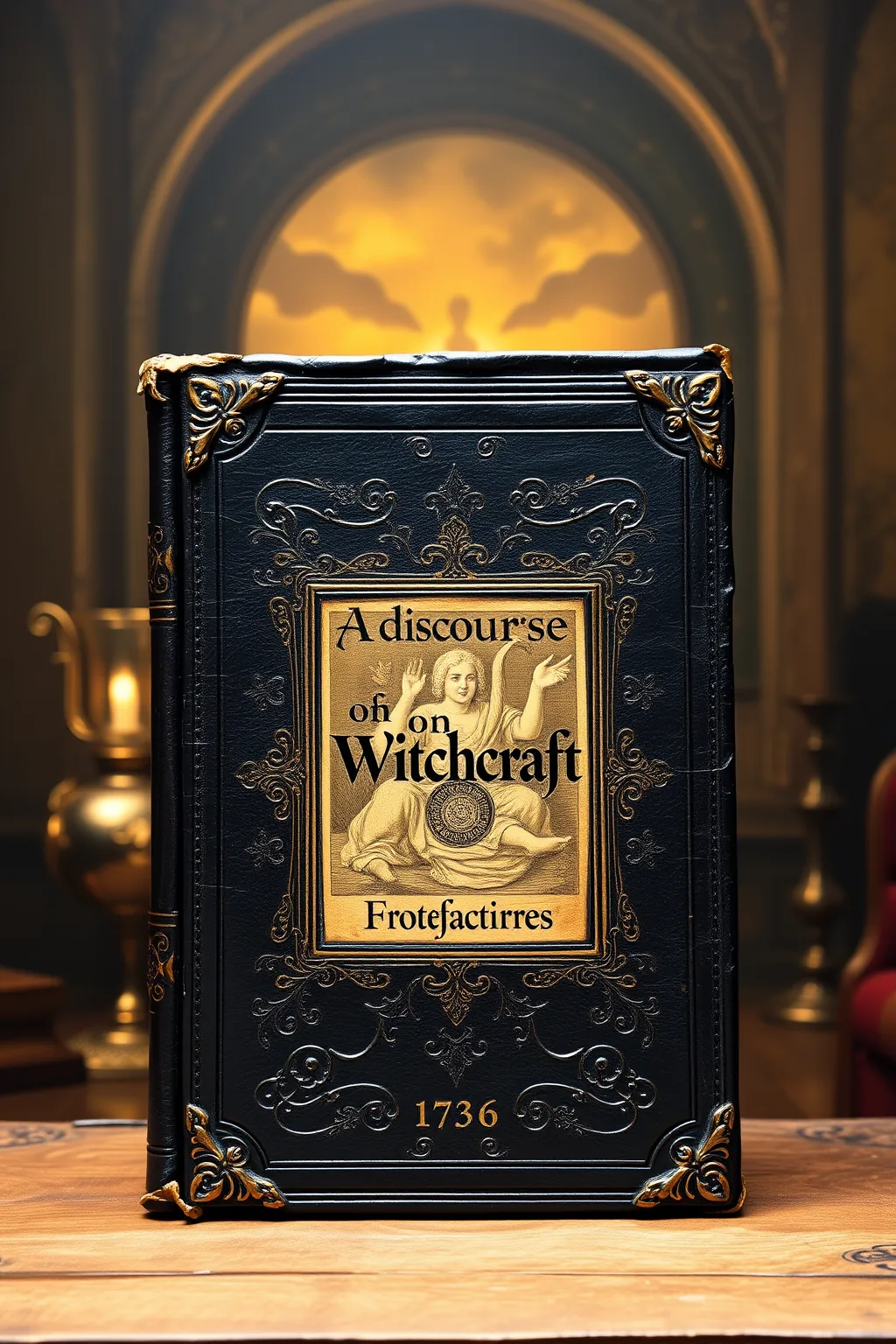
A discourse on witchcraft. Occasioned by a bill now depending in Parliament, to repeal the statute made in the first year of the reign of King James I, intituled, An act against conjuration, witchcraft, and dealing with evil and wicked spirits. ...
 72
72

A discourse on witchcraft. Occasioned by a bill now depending in Parliament, to repeal the statute made in the first year of the reign of King James I, intituled, An act against conjuration, witchcraft, and dealing with evil and wicked spirits. ...


Review by Balthazar Finch (Senior Critic, Occult Philosophy) — 'A Discourse on Witchcraft' is a masterclass in esoteric inquiry, offering profound insights into the mystical practices of the 18th century. The anonymous author's deep understanding of the occult and their ability to weave a narrative that is both engaging and enlightening make this book a must-read for serious students of the esoteric arts. The strengths of this work lie in its detailed exploration of witchcraft and its philosophical significance, providing a rich tapestry of hidden knowledge for the discerning reader. Whether you are a seasoned practitioner or a curious beginner, this book will expand your horizons and deepen your understanding of the mystical world.
📝 Description
72
Published in 1736, 'A Discourse on Witchcraft' argued against repealing an act against conjuration and witchcraft.
This anonymous work, appearing in 1736, engages with the parliamentary debate over repealing the 1563 statute against witchcraft. The author addresses the legal and societal implications of such a repeal, defending the existing laws. The text examines the nature of witchcraft and conjuration, questioning the prevailing attitudes and beliefs of the time. It stands as a record of a specific moment in history when the legal framework surrounding witchcraft was under scrutiny.
The author's intent appears to be to persuade lawmakers and the public of the continued necessity of the statute. The work is not a manual for occult practices but rather a reasoned argument concerning their legal prohibition. It reflects the intellectual currents of the early 18th century, a period of transition in how supernatural phenomena were understood and legislated. The language is formal, characteristic of the period's polemical pamphlets.
While not a grimoire or a guide to ritual magic, this text engages with the belief systems surrounding witchcraft prevalent in the early modern period. It reflects an era where the supernatural was still a significant concern in both public discourse and legal matters. The author's defense of the statute places this work within a tradition of theological and legal discourse that sought to regulate or condemn perceived malevolent supernatural practices. It stands in contrast to more occult or magical traditions, by focusing on the societal and legal implications of such beliefs.
💡 Why Read This Book?
Why read this book? 'A Discourse on Witchcraft' offers a unique blend of historical context and esoteric wisdom, making it an invaluable resource for seekers, scholars, and practitioners of the occult. This book provides a rare opportunity to delve into the hidden knowledge of the 18th century, offering insights that are as relevant today as they were centuries ago. For those interested in the intersection of law and the supernatural, this book is a must-read.
⭐ Reader Reviews
Honest opinions from readers who have explored this book.
❓ Frequently Asked Questions
Who wrote 'A Discourse on Witchcraft'?
The author of this work remains unknown, adding to its mysterious allure.
What is the main theme of the book?
The main theme revolves around the legal and philosophical debates surrounding witchcraft and the occult in 18th-century England.
Is this book suitable for beginners?
While it is accessible to beginners, those with some prior knowledge of esoteric subjects will gain the most from its insights.
What makes this book significant?
This book provides a rare glimpse into the mystical practices and legal battles of the 18th century, offering valuable historical and esoteric insights.
Can I read this book online?
Yes, this book is available to read free online, making it accessible to a wide audience.
🔮 Key Themes & Symbolism
The Occult and the Law
This book looks at the complex relationship between the occult and the legal system of the 18th century, exploring how witchcraft and conjuration were viewed and regulated. It provides a fascinating look at the philosophical debates surrounding these practices and their impact on society.
Symbolism and Hidden Knowledge
Throughout the text, the author combines a collection of symbolism and hidden knowledge, inviting the reader to uncover the deeper meanings behind the occult practices described. This theme is central to the book's esoteric significance.
Philosophical Inquiries
The book engages in deep philosophical inquiries into the nature of reality, the supernatural, and the boundaries between the two. It challenges the reader to question their assumptions and explore the mystical undercurrents of the world.
💡 Key Ideas
Editorial paraphrase of the work's core concepts — not direct quotes.
The veil between worlds is thin, and those who seek to pierce it must do so with caution and respect.
This quote underscores the danger and reverence associated with looking at the occult.
Witchcraft is not merely a practice but a philosophy that challenges the very fabric of reality.
This line highlights the philosophical depth of witchcraft and its impact on the reader's worldview.
The laws of man and the laws of nature often clash in the area of the supernatural.
This quote explores the tension between legal regulations and the natural order of the occult.
Symbols are the language of the mystics, and those who understand them hold the keys to hidden knowledge.
This line emphasizes the importance of symbolism in the esoteric arts and the need for deeper understanding.
The quest for truth often leads us down dark and dangerous paths, but it is a journey worth undertaking.
This quote encourages the reader to embrace the challenges of seeking esoteric knowledge.
🌙 Esoteric Significance
Tradition
This book belongs to the Hermetic tradition, which emphasizes the study of hidden knowledge and the mystical arts. It draws on ancient wisdom and explores the esoteric practices of witchcraft and conjuration.
Symbolism
Key symbols in the book include the veil between worlds, the language of mystics, and the tension between legal regulations and natural order. These symbols are rich with meaning and invite the reader to delve deeper into the esoteric arts.
Modern Relevance
This book remains relevant today for modern practitioners of the occult, offering insights into the historical context of witchcraft and its philosophical significance. It serves as a valuable resource for those seeking to understand the mystical undercurrents of the world.
👥 Who Should Read This Book
Beginners interested in the occult will find this book an accessible introduction to the mystical practices of the 18th century. Scholars of esoteric studies will appreciate its deep philosophical inquiries and historical context. Spiritual seekers will be drawn to its exploration of hidden knowledge and symbolism, while practitioners of the occult will find valuable insights into the Hermetic tradition and its modern relevance.
📜 Historical Context
Published in 1736, 'A Discourse on Witchcraft' emerged during a time of significant social and legal upheaval in England. The bill mentioned in the title aimed to repeal a statute from the reign of King James I, which had outlawed conjuration, witchcraft, and dealing with evil spirits. This period saw intense debates about the nature of witchcraft and its place in society, making this book an important historical document that sheds light on the mystical practices and legal battles of the era.
📔 Journal Prompts
Reflect on the symbolism used in the book and how it relates to your own spiritual journey?
How does the tension between legal regulations and the natural order of the occult manifest in modern society?
What are some of the philosophical questions raised by the book, and how do they challenge your assumptions?
Consider the dangers and rewards of seeking hidden knowledge in the esoteric arts.
How has your understanding of witchcraft and the occult evolved after reading this book?
🗂️ Glossary
Conjuration
The practice of summoning spirits or supernatural entities through rituals and incantations.
Witchcraft
The use of magical powers or spells to influence events or people, often associated with the occult.
Hermetic Tradition
A philosophical and spiritual tradition based on the writings attributed to Hermes Trismegistus, emphasizing hidden knowledge and mystical practices.
Symbolism
The use of symbols to represent abstract ideas or concepts, often employed in esoteric and mystical contexts.
Esoteric Arts
The study and practice of hidden knowledge and mystical traditions, often involving rituals and symbolism.
This book appears in 2 collections
🔮 Readers Also Liked
Browse all →





From the “Witchcraft” Collection
View all →






More Free Witchcraft & Paganism Books
View all →