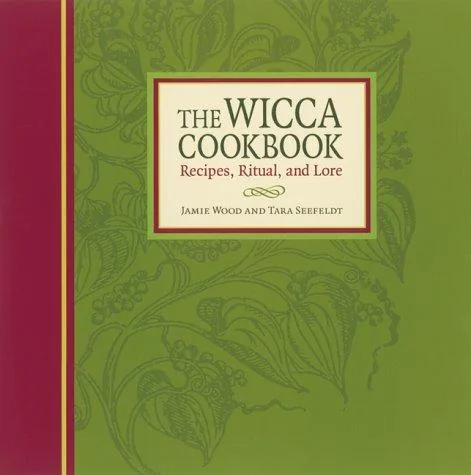
The Wicca cookbook
 80
80

The Wicca cookbook
Jamie Wood's The Wicca Cookbook attempts to ground Wiccan practice in the tangible reality of the kitchen, a commendable goal. The strength lies in its directness; it provides actionable recipes and clearly outlines the intent behind each dish. For instance, the section on "Sabbath Feasts" offers concrete suggestions for celebrating seasonal festivals through food, which is particularly useful for those new to the Wheel of the Year. However, the book's limitation is its somewhat superficial engagement with the deeper theological or philosophical underpinnings of Wicca. While it offers practical application, it rarely probes the 'why' behind the practices beyond a general sense of intention. The discussion around specific herbs, while present, could benefit from more detailed botanical or magical correspondences, moving beyond simple flavour profiles. Ultimately, The Wicca Cookbook serves as a functional, if not deeply profound, introduction to culinary magic within a Wiccan framework.
📝 Description
80
Jamie Wood's 2010 The Wicca Cookbook connects Wiccan principles to everyday cooking.
Published in 2010, The Wicca Cookbook by Jamie Wood is a practical guide that uses culinary arts to integrate Wiccan principles into daily life. It focuses on recipes and rituals designed for both new and experienced practitioners, aiming to make food preparation a sacred activity. The book is for those interested in a domestic and experiential approach to Wicca, particularly those who find traditional religious texts inaccessible. It will appeal to enthusiasts of kitchen witchery, herbalism, and the spiritual aspects of food.
Wood's work reflects a trend toward personalizing magical practice within daily routines. It emphasizes embodied spirituality and the sacredness of the home. The central idea is the 'kitchen witch,' who transforms ordinary meals into acts of devotion and magic. The book examines the energetic properties of ingredients, the ritual significance of cooking, and creating sacred space at home. It also suggests how seasonal changes and celestial events can inform culinary choices and spellwork.
The Wicca Cookbook fits within the modern resurgence of Neopaganism and witchcraft, a movement that gained momentum following foundational figures like Gerald Gardner. Unlike earlier works that may have concentrated on theological structures, Wood's book represents a contemporary focus on integrating magical practice into the fabric of everyday life. It speaks to a broader interest in embodied spirituality and finding the sacred within domestic spaces, moving beyond purely ritualistic or theoretical approaches to witchcraft.
💡 Why Read This Book?
• Learn to imbue everyday meals with sacred intention, transforming cooking from a chore into a magical practice, as demonstrated in the "Blessing Your Food" chapter. • Discover how to align your culinary activities with the Wiccan Wheel of the Year, using seasonal ingredients and celebratory recipes for each Sabbat. • Gain practical techniques for creating a sacred kitchen space, making your home an active center for spiritual work and personal well-being.
⭐ Reader Reviews
Honest opinions from readers who have explored this book.
❓ Frequently Asked Questions
What kind of recipes are included in The Wicca Cookbook?
The cookbook features a range of recipes, from simple herbal infusions and bread to more elaborate dishes suitable for Sabbats. Many are designed with specific magical intentions, incorporating ingredients chosen for their symbolic properties.
Is The Wicca Cookbook suitable for beginners with no prior Wiccan knowledge?
Yes, the book is written accessibly for beginners. It explains core Wiccan concepts like the Wheel of the Year and intent in relation to cooking, making it a good entry point for those curious about kitchen witchery.
Does Jamie Wood provide historical context for Wiccan cooking practices?
While the book focuses on practical application, it touches upon the historical roots of associating food with ritual and celebration within various traditions, framing its Wiccan approach within a broader context of sacred eating.
Are there specific rituals or spells included in the cookbook?
Yes, the book integrates ritual elements into the cooking process, such as blessings for ingredients and meals, and specific recipes designed for particular magical aims or celebrations like Samhain.
What is the emphasis of The Wicca Cookbook regarding ingredients?
The emphasis is on using ingredients that are symbolically significant within Wicca, considering their energetic properties and correspondences. It encourages the use of fresh, seasonal produce where possible.
When was The Wicca Cookbook first published?
The Wicca Cookbook by Jamie Wood was first published in 2010, reflecting a contemporary interest in practical, home-based spiritual practices.
🔮 Key Themes & Symbolism
Kitchen Witchery
This theme centers on the transformation of the kitchen into a sacred space and the act of cooking into a magical ritual. Wood proposes that every meal prepared with intention can be an act of devotion or spellcraft. It emphasizes the energetic properties of food and the alchemical process of transformation through heat and mixing. The kitchen becomes an altar, and the cook a priest or priestess, imbuing sustenance with spiritual significance, a concept that elevates domesticity into a potent form of practice.
The Wheel of the Year
The book connects culinary practices to the eight major Wiccan festivals, known as the Sabbats. Each festival, from Yule to Samhain, is presented with suggested recipes and ingredients that reflect the season's energy and symbolism. This theme highlights the cyclical nature of life and magic, suggesting that aligning one's diet and celebrations with the Earth's rhythms deepens one's connection to nature and the divine. It provides a framework for consistent, seasonal spiritual observance through food.
Intent and Blessing
A core concept is the power of focused intent in all aspects of cooking. Wood instructs readers on how to imbue ingredients and finished dishes with specific desires, whether for healing, prosperity, or protection. The practice of blessing food before consumption is presented as a vital ritual, acknowledging the life force within the ingredients and consecrating the meal for nourishment and spiritual benefit. This elevates simple eating into a mindful, magical act.
Herbal Correspondences
The cookbook explores the magical and symbolic properties of various herbs and spices used in cooking. Each ingredient is discussed in terms of its traditional associations within magical systems, such as love, courage, or purification. This theme encourages readers to think critically about their ingredients, choosing them not just for flavour but for their energetic contributions to the intended magical outcome of a dish or ritual.
💬 Memorable Quotes
Direct passages from the work, attributed to the author.
“The kitchen is the heart of the home and the hearth of magic.”
— This statement captures the book's central thesis: that the domestic sphere, particularly the kitchen, is not merely functional but a primary site for spiritual work and magical practice within a Wiccan context.
“Every ingredient carries energy; choose yours wisely.”
— This highlights the importance of mindful selection of components in cooking, suggesting that each herb, spice, or vegetable possesses inherent qualities that can be harnessed for magical purposes.
“Blessing the meal consecrates not just the food, but the moment.”
— This emphasizes that the act of blessing extends beyond the physical sustenance, elevating the shared experience of eating into a sacred ritual that connects participants to each other and the divine.
“Aligning your cooking with the seasons deepens your connection to the Earth.”
— This interpretation underscores the theme of natural cycles, suggesting that observing the Wheel of the Year through culinary choices fosters a more profound relationship with the natural world and its inherent spiritual rhythms.
“Intent is the most potent spice.”
— This aphorism posits that the focused will and purpose of the cook are more critical to the magical efficacy of a dish than any physical ingredient, serving as the primary catalyst for manifestation.
🌙 Esoteric Significance
Tradition
The work aligns primarily with modern Wicca and broader Neopagan traditions, emphasizing immanent divinity and the sacredness of nature. It draws from the concept of immanent divinity, suggesting the divine can be found within the everyday act of cooking and within the natural world. While not strictly tied to an ancient lineage like Hermeticism or Kabbalah, it channels a modern esoteric impulse to find magic in the mundane, transforming domestic tasks into spiritual disciplines.
Symbolism
Key symbols include the hearth and kitchen, representing transformation, nourishment, and the sacred feminine principle. Ingredients like specific herbs (e.g., rosemary for purification, basil for prosperity) carry symbolic weight, acting as conduits for magical intent. The act of baking bread, a recurring motif, symbolizes creation, sustenance, and the transformation of basic elements into life-giving food, mirroring alchemical processes.
Modern Relevance
Contemporary practitioners of kitchen witchery and those interested in embodied spirituality continue to draw from this work. It informs modern homesteading movements that seek to reconnect with food sources and traditional practices. Its focus on seasonal alignment also speaks to eco-spiritual and permaculture communities seeking to integrate their practices with natural cycles. The book's accessible approach makes it a touchstone for those exploring personal, domestic-focused magical paths today.
👥 Who Should Read This Book
• Aspiring kitchen witches seeking to learn how to infuse their cooking with magical intent and connect with the divine through food preparation. • Practicing Wiccans looking to deepen their connection to the Wheel of the Year and Sabbats by incorporating seasonal recipes and rituals into their celebrations. • Individuals interested in the intersection of spirituality, mindfulness, and domestic arts, wanting to transform everyday activities into sacred practices.
📜 Historical Context
Published in 2010, Jamie Wood's The Wicca Cookbook arrived during a flourishing period for Neopaganism and witchcraft literature, building upon the foundations laid by figures like Doreen Valiente and Raymond Buckland in the latter half of the 20th century. This era saw a diversification of esoteric interests, with a growing emphasis on practical, personalized spirituality rather than solely theological discourse. While earlier works often focused on establishing Wiccan theology or ritual structures, Wood's book reflects a contemporary trend towards integrating magical practice into everyday domestic life. It emerged in dialogue with the burgeoning 'kitchen witch' movement, which sought to clarify witchcraft and make it accessible through familiar activities. The book’s approach, emphasizing embodied practice and the sacredness of the home, stood apart from more academic or ceremonial magical texts, aligning with a broader cultural shift towards experiential spirituality.
📔 Journal Prompts
Reflect on the symbolic meaning of the hearth as a site of transformation in your personal practice.
Consider the energetic properties of your favorite spice and how you might use it intentionally.
How can the ritual of blessing your food enhance your connection to the ingredients' origins?
Analyze the relationship between the current season and the foods you most enjoy preparing.
Explore the concept of the kitchen as a sacred space within your own home.
🗂️ Glossary
Kitchen Witchery
A branch of modern witchcraft that focuses on performing magic and spiritual practices within the domestic space, particularly the kitchen, using cooking and food preparation as the primary tools.
Wheel of the Year
The cycle of eight Wiccan festivals (Sabbats) that mark the solstices, equinoxes, and cross-quarter days, representing the changing seasons and the cycles of life, death, and rebirth.
Sabbat
One of the eight major festivals in the Wiccan calendar, celebrating significant points in the seasonal cycle, such as Yule, Imbolc, Beltane, Litha, Lughnasadh, Mabon, and Samhain.
Intent
The focused will or purpose behind a magical act. In cooking, intent guides the selection of ingredients and the magical outcome desired from a dish or ritual.
Correspondences
The symbolic associations attributed to various elements, herbs, colors, planets, etc., within magical systems, used to enhance the efficacy of spells and rituals.
Blessing
A ritual act of consecrating food or drink, invoking divine presence or positive energy to sanctify the sustenance and imbue it with spiritual power.
Hearth
Historically the fireplace or center of the home, symbolizing warmth, nourishment, and domestic sanctuary. In this context, it represents the kitchen as a focal point for spiritual activity.
🔮 Readers Also Liked
Browse all →









More by Jamie Wood
All books →
More Free Witchcraft & Paganism Books
View all →






![An answer of a letter from a gentleman in Fife, to a nobleman, containing a brief acccount [sic] of the barbarous and illegal treatment, these poor women accused of witchcraft, met with from the baillies of Pittenweem and others, ... To which is adde](/img/thumb/an-answer-of-a-letter-from-a-gentleman-in-fife-to-a-nobleman-containing-a-brief-acccount-sic-of-the-barbarous-and-illegal-treatment-these-poor-women-accused-of-witchcraft-met-with-from-the-baillies-of.webp)

