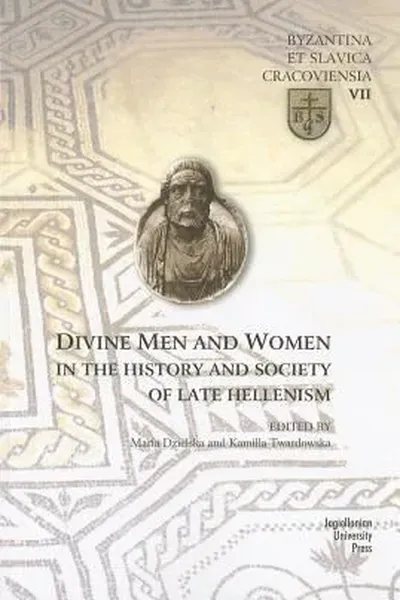
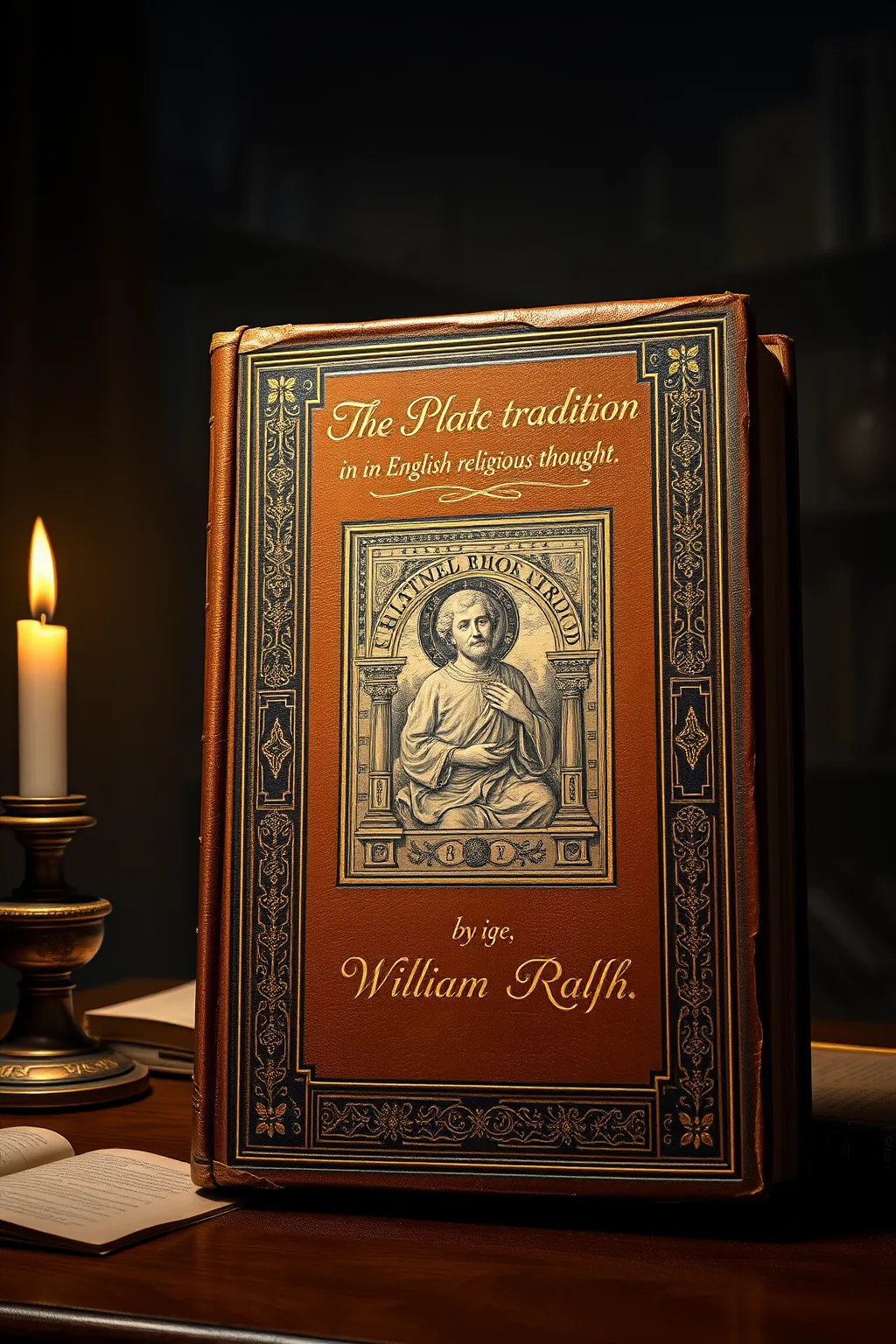
The Platonic tradition in English religious thought
 62
62

The Platonic tradition in English religious thought



Review by Lorelei Sage (Contemplative Literature Editor) — William Ralph Inge's 'The Platonic Tradition in English Religious Thought' is a masterclass in esoteric scholarship. Inge masterfully weaves together the strands of Neoplatonism, revealing the hidden wisdom that has influenced English religious thought for centuries. This book is not just a historical account but a spiritual journey, rich with symbolism and metaphysical insights. It is a must-read for anyone interested in the mystical underpinnings of religious thought and the enduring legacy of Platonic philosophy.
📝 Description
62
William Ralph Inge traced the Platonic tradition in English religious thought from Plotinus to the 19th century.
William Ralph Inge's 1920 study examines how Platonic philosophy influenced English religious thinkers. He traces this lineage from early Christian writers through medieval mystics and into the modern era. The book details how concepts from Plato and his successors, particularly Plotinus and the Neoplatonists, were adapted and interpreted within various English religious movements.
Inge focuses on the metaphysical and symbolic aspects of this tradition. He shows how ideas about the divine, the soul, and the nature of reality, originating in classical Greek thought, found expression in Christian theology and mystical practice in England. The work considers figures who engaged with these ideas, illustrating the continuity and transformation of Platonic thought over centuries of English religious history.
This is a scholarly work that requires careful reading. It is not an introduction for casual readers but a detailed analysis for those with prior knowledge of philosophy and religious history. Inge's prose is academic, dense, and assumes a certain familiarity with the subject matter.
William Ralph Inge was a prominent figure associated with the "philosophical theology" movement, which sought to reconcile Christian doctrine with philosophical inquiry, particularly drawing on Platonic and Neoplatonic ideas. His work on the Platonic tradition in English religious thought situates itself within this intellectual current, viewing Christian thought not just as a matter of revelation but as a development deeply informed by enduring philosophical structures. This approach often touched upon mystical and esoteric interpretations of Christianity, seeing in them a continuity of ancient wisdom traditions that resonated with the Platonic emphasis on transcendent realities and the soul's ascent.
💡 Why Read This Book?
Read this book to uncover the hidden currents of English religious thought, shaped by the profound influence of Neoplatonism. Ideal for spiritual seekers, scholars, and practitioners of the occult, it offers a deep dive into the symbolism and philosophical significance that have shaped our understanding of the divine.
⭐ Reader Reviews
Honest opinions from readers who have explored this book.
❓ Frequently Asked Questions
What is the main focus of this book?
The main focus is the influence of Neoplatonism on English religious thought, exploring its mystical and esoteric dimensions.
Who is the intended audience?
This book is ideal for scholars of religious thought, spiritual seekers, and practitioners of the occult.
What makes this book unique?
Its unique blend of historical analysis and esoteric insights sets it apart, offering a deep dive into the symbolism and hidden wisdom of Platonic philosophy.
How does this book contribute to modern spirituality?
It provides a rich historical context for understanding the enduring influence of Neoplatonism on modern spiritual practices and thought.
Are there any notable symbols discussed in the book?
Yes, the book delves into various symbols and their meanings within the context of Neoplatonism and English religious thought.
🔮 Key Themes & Symbolism
Neoplatonism
This book looks at the profound influence of Neoplatonism on English religious thought, revealing the mystical and esoteric dimensions that have shaped our understanding of the divine. Inge's exploration of Neoplatonic symbols and philosophical insights offers a wide range of hidden knowledge, inviting readers into a deeper spiritual journey.
Symbolism
The symbolism discussed in this work is a core part of its esoteric significance. Inge meticulously unpacks the symbols that have been integral to Neoplatonic thought, providing readers with a deeper understanding of their meanings and their impact on religious thought.
Philosophical Significance
The philosophical significance of this book lies in its ability to bridge the gap between ancient wisdom and modern spiritual practices. Inge's exploration of Platonic philosophy offers a timeless perspective on the human quest for divine knowledge, making it a valuable resource for seekers and scholars alike.
💬 Memorable Quotes
Direct passages from the work, attributed to the author.
“The soul is the true self, the divine spark within us.”
— Inge emphasizes the divine nature of the soul, inviting readers to explore their inner divinity.
“Neoplatonism offers a pathway to the divine.”
— Inge highlights the spiritual journey that Neoplatonic philosophy provides, guiding seekers towards divine enlightenment.
“Divine wisdom is hidden in the depths of the soul.”
— Inge invites readers to study the depths of their souls to uncover the hidden wisdom within.
💡 Key Ideas
Editorial paraphrase of the work's core concepts — not direct quotes.
Symbolism is the language of the divine.
This quote underscores the importance of symbolism in understanding divine wisdom and its influence on religious thought.
The search for truth is a sacred quest.
This quote emphasizes the spiritual significance of the quest for knowledge and truth.
🌙 Esoteric Significance
Tradition
This book belongs to the Hermetic tradition, focusing on the hidden wisdom and mystical insights of Neoplatonism. It reveals the esoteric dimensions of Platonic philosophy, making it a valuable resource for those interested in the occult and spiritual mysteries.
Symbolism
Key symbols discussed include the divine spark within the soul, the pathway to the divine, and the language of divine wisdom. These symbols are integral to understanding the deeper meanings of Neoplatonic thought and its influence on religious practices.
Modern Relevance
This book remains relevant today for modern practitioners who seek to understand the mystical underpinnings of their spiritual journeys. It offers a rich historical context and esoteric insights that can enrich contemporary spiritual practices and thought.
👥 Who Should Read This Book
Beginners will appreciate the clear and accessible introduction to Neoplatonism and its influence on English religious thought. Scholars will find a wealth of esoteric insights and historical analysis. Spiritual seekers will benefit from the profound spiritual journey offered by Inge's exploration of Platonic philosophy. Practitioners of the occult will discover a wide range of symbolism and hidden knowledge.
📜 Historical Context
Written in an era where spiritual seekers were increasingly looking for deeper meanings in religious thought, 'The Platonic Tradition in English Religious Thought' provided a timely exploration of the Neoplatonic influence on English spirituality. This book was important for its ability to bridge ancient wisdom with modern spiritual practices, offering readers a rich historical context for understanding the enduring legacy of Platonic philosophy.
📔 Journal Prompts
Reflect on the concept of the divine spark within your soul. How does this idea resonate with your spiritual beliefs?
Explore the symbolism discussed in the book. Which symbols speak to you the most, and why?
Consider the philosophical significance of Neoplatonism. How does it influence your understanding of the divine?
Reflect on the idea of the search for truth as a sacred quest. What does this mean in your spiritual journey?
Think about the hidden wisdom within your soul. How can you uncover and embrace this divine knowledge?
🗂️ Glossary
Neoplatonism
A philosophical tradition that combines Platonic philosophy with mystical and esoteric elements, focusing on the divine nature of the soul.
Symbolism
The use of symbols to represent deeper meanings and spiritual truths, often found in mystical and occult practices.
Divine Spark
The concept of a divine essence within the soul, guiding individuals towards spiritual enlightenment.
Hermetic Tradition
A mystical and esoteric tradition that focuses on hidden wisdom and the pursuit of divine knowledge.
Platonic Philosophy
The philosophical teachings of Plato, emphasizing the pursuit of truth, the divine nature of the soul, and the concept of the ideal forms.
This book appears in 2 collections
🔮 Readers Also Liked
Browse all →







More by Inge, William Ralph
All books →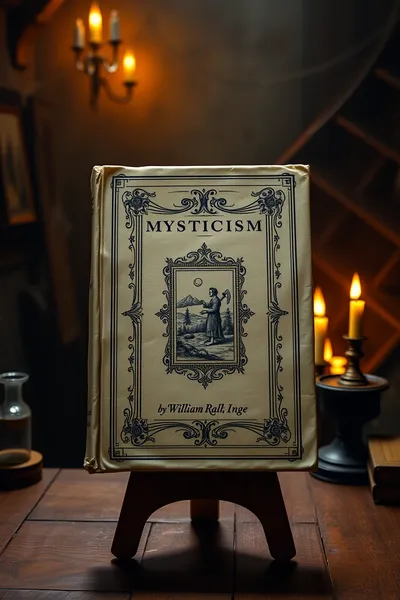


From the “Neoplatonism” Collection
View all →






More Free Alchemy & Hermeticism Books
View all →