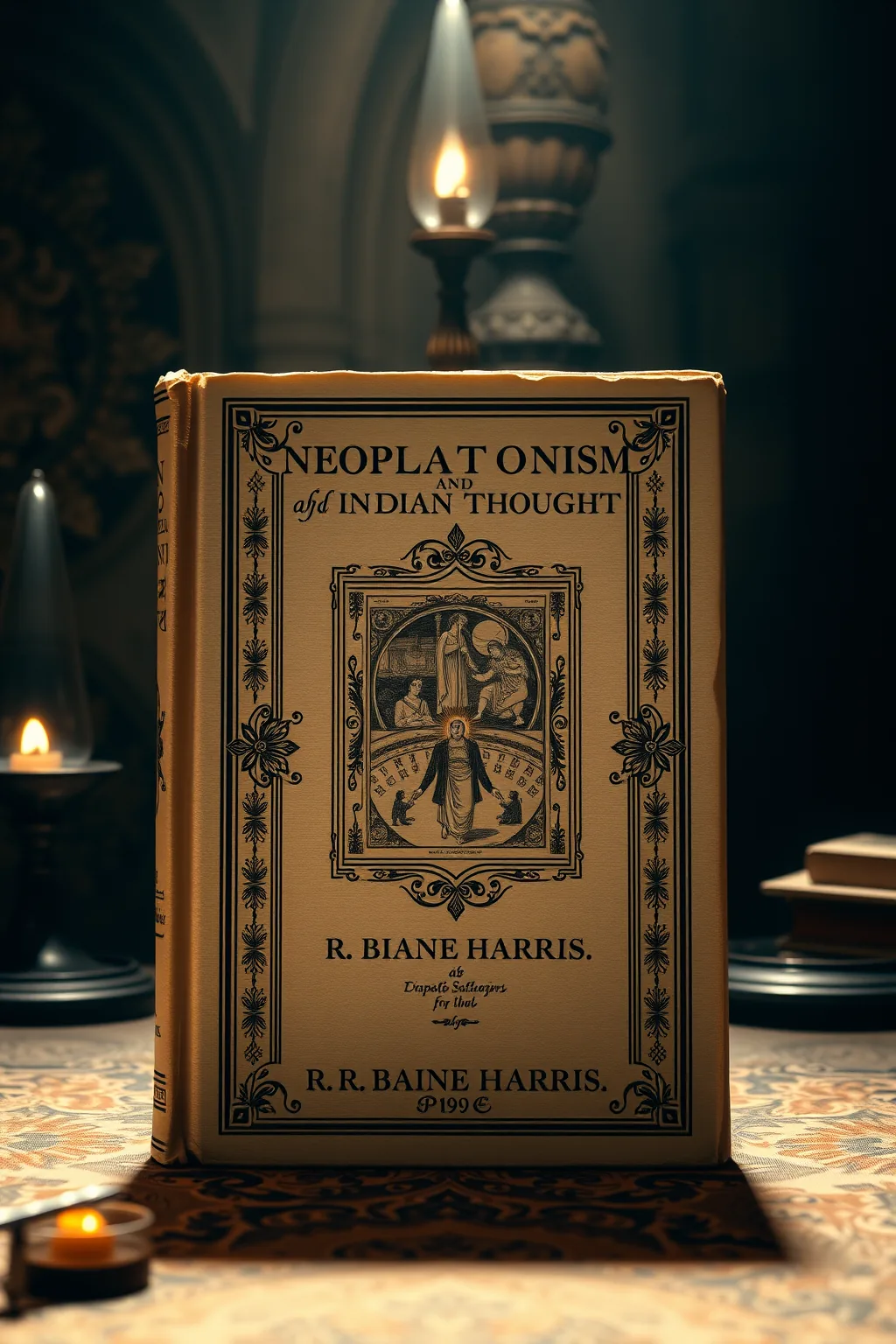
Bodhicharyavatara: Governing The Bodhisattvas-Way Of Life (vol.18)
 80
80

Bodhicharyavatara: Governing The Bodhisattvas-Way Of Life (vol.18)
Madan G. Chitkara’s rendition of the Bodhicharyavatara offers a structured approach to Shantideva’s seminal work. The strength lies in its methodical breakdown of the six perfections, providing clear explanations for each stage of the Bodhisattva’s development. However, the density of the commentary, while informative, can sometimes obscure the immediate emotional impact of Shantideva’s original verses. For instance, the section on patience (kshanti) is meticulously detailed, but the raw, almost visceral descriptions of enduring hardship found in the original are somewhat muted. The book succeeds in its aim to govern the Bodhisattva’s way of life through intellectual clarity. It serves as a robust academic companion to the text, though readers seeking a more direct devotional experience might need to supplement it. This volume is a valuable scholarly tool for understanding the mechanics of the Bodhisattva path.
📝 Description
80
Madan G. Chitkara's 1999 work examines Shantideva's 8th-century text on the Bodhisattva path.
Bodhicharyavatara: Governing The Bodhisattvas-Way Of Life (Vol. 18) by Madan G. Chitkara provides a detailed academic study of a significant Mahayana Buddhist scripture. Published in 1999, this volume is not a simple translation but a thorough analysis intended to clarify the practical and philosophical aspects of the Bodhisattva's spiritual practice for modern readers. Chitkara's commentary engages with the text's core teachings and their application.
This book is aimed at those studying Mahayana Buddhism, comparative religion, or seeking a deeper grasp of the Bodhisattva ideal. While some knowledge of Buddhist terminology is helpful, the work offers extensive explanations. Readers interested in ethical systems, the cultivation of compassion, and the philosophical basis of altruistic spiritual pursuits will find it valuable. It is especially useful for understanding Buddhist phenomenology and the development of wisdom (prajna).
The original Bodhicharyavatara, written by Shantideva around the 8th century CE, is central to the Madhyamaka school. Its teachings have resonated throughout Tibetan Buddhism, leading to many historical translations and commentaries. Chitkara's 1999 publication connects this historical text to contemporary academic and spiritual discussions, highlighting the continuing relevance of its messages on compassion, emptiness, and the Bodhisattva's aspiration.
The Bodhicharyavatara, authored by Shantideva, is a key text within the Madhyamaka tradition of Mahayana Buddhism. It articulates the aspirational path of a Bodhisattva, one who seeks enlightenment for the benefit of all beings. The work details practices and philosophical insights crucial for this path, including the cultivation of wisdom (prajna) and the understanding of emptiness (sunyata). Chitkara's analysis places this text within a lineage of Buddhist contemplative and philosophical thought, tracing its historical reception and enduring significance.
💡 Why Read This Book?
• Gain a structured understanding of the six perfections (paramitas) as outlined in Shantideva's 8th-century text, moving beyond abstract ideals to concrete practices for cultivating compassion. • Explore the philosophical relationship between emptiness (sunyata) and compassion (karuna), grasping how an understanding of ultimate reality informs altruistic motivation. • Examine the detailed stages of the Bodhisattva’s spiritual progression, as presented in Chitkara's 1999 commentary, offering a roadmap for personal ethical and spiritual development.
⭐ Reader Reviews
Honest opinions from readers who have explored this book.
❓ Frequently Asked Questions
What is the primary purpose of Madan G. Chitkara's "Bodhicharyavatara: Governing The Bodhisattvas-Way Of Life"?
The book serves as a scholarly commentary and interpretation of Shantideva's 8th-century Buddhist text, aiming to elucidate the practical and philosophical aspects of the Bodhisattva path for a modern audience.
Who was Shantideva, the original author of the Bodhicharyavatara?
Shantideva was an Indian Buddhist scholar and monk from the 8th century CE, renowned for his writings within the Madhyamaka school of Mahayana Buddhism, most notably the Bodhicharyavatara.
What are the 'six perfections' (paramitas) discussed in the Bodhicharyavatara?
The six perfections are generosity, ethics, patience, effort, meditation, and wisdom. They represent the core practices a Bodhisattva undertakes to achieve enlightenment for the benefit of all beings.
How does Chitkara's book relate to the original Bodhicharyavatara text?
Chitkara's work is an analytical and interpretive commentary on the original text, first published in 1999. It does not replace the original but aims to enhance understanding through detailed explanations and contextualization.
Is this book suitable for someone new to Buddhist philosophy?
While it offers explication, some familiarity with Buddhist terminology is beneficial. It is more suited for students of Mahayana Buddhism or comparative religion seeking in-depth study rather than a beginner's introduction.
What is the significance of 'Governing The Bodhisattvas-Way Of Life' in the title?
This subtitle suggests the book's aim to provide a framework and guidance on how to understand and actively practice the principles and ethical conduct associated with the Bodhisattva ideal.
🔮 Key Themes & Symbolism
Cultivating Compassion (Karuna)
The text intensely focuses on developing boundless compassion as the driving force behind the Bodhisattva's path. It moves beyond mere sentimentality, presenting compassion as a reasoned, ethical commitment to alleviate suffering for all beings. Chitkara's analysis dissects the methods described by Shantideva for extending empathy and loving-kindness, even towards perceived enemies, illustrating how this deliberate cultivation transforms the practitioner and fuels their aspiration for universal enlightenment. This theme emphasizes compassion not as a passive feeling but as an active, engaged practice essential for spiritual progress.
The Six Perfections (Paramitas)
This volume meticulously details the six perfections – generosity (dana), ethics (shila), patience (kshanti), effort (virya), meditation (dhyana), and wisdom (prajna) – as the practical 'vehicles' for the Bodhisattva's journey. Each perfection is explored not in isolation but as interconnected components of a holistic spiritual discipline. Chitkara's commentary clarifies how these virtues are to be practiced in everyday life, transforming mundane activities into opportunities for spiritual growth and the accumulation of merit and wisdom necessary to benefit all sentient beings.
Understanding Emptiness (Sunyata)
A central philosophical pillar of the Bodhicharyavatara is the understanding of emptiness, or sunyata. The book elaborates on Shantideva's arguments for the non-inherent existence of phenomena. This understanding is not presented as nihilistic but as a prerequisite for genuine compassion and the effective practice of the Bodhisattva path. By realizing the illusory nature of self and other, the Bodhisattva is freed from attachment and aversion, enabling a purer, more selfless motivation to act for the welfare of all.
Ethical Discipline and Aspiration
The work strongly emphasizes the critical role of ethical conduct (shila) in the Bodhisattva's training. It outlines vows and precepts designed to purify the mind and actions, preventing harm and fostering virtuous behavior. The aspiration (bodhicitta) itself—the heartfelt wish to attain enlightenment for the sake of others—is presented as the foundational element. Chitkara's interpretation highlights the rigorous self-discipline required to maintain this altruistic intention amidst the challenges and distractions of existence.
💬 Memorable Quotes
Direct passages from the work, attributed to the author.
“Patience involves not retaliating against those who cause harm, but understanding the roots of their actions.”
— This highlights the active, rather than passive, nature of Buddhist patience. It suggests a deep ethical understanding that seeks to address the causes of suffering and negativity, rather than merely enduring mistreatment without response.
“Wisdom arises from comprehending the ultimate nature of reality, which is emptiness.”
— This statement links the highest perfection, wisdom (prajna), directly to the doctrine of emptiness (sunyata). It implies that true insight into existence is key to transcending delusion and effectively engaging in altruistic action.
“Suffering arises from attachment to the self and the desire for personal gain.”
— This interpretation points to the Buddhist analysis of the origins of suffering (dukkha). It emphasizes the ego-centric perspective as a primary source of dissatisfaction and conflict, which the Bodhisattva seeks to overcome.
💡 Key Ideas
Editorial paraphrase of the work's core concepts — not direct quotes.
The aspiration to achieve enlightenment for all beings is the root of the Bodhisattva's path.
This paraphrase captures the essence of bodhicitta, the altruistic intention that defines the Bodhisattva. It underscores that the entire spiritual endeavor is motivated by a universal concern for the liberation of all sentient life, not just personal salvation.
The six perfections are the means by which the Bodhisattva progresses towards Buddhahood.
This paraphrase frames the paramitas as the practical methodology of the Bodhisattva path. They are not abstract ideals but the actionable steps and virtues that facilitate spiritual development and the attainment of enlightenment.
🌙 Esoteric Significance
Tradition
The Bodhicharyavatara is a foundational text within Mahayana Buddhism, particularly the Madhyamaka school. While not typically classified under Western esoteric traditions like Hermeticism or Kabbalah, its emphasis on the transformation of consciousness, the cultivation of virtues, and the pursuit of ultimate wisdom aligns with broader esoteric goals of spiritual realization and liberation.
Symbolism
Key symbols include the Bodhi tree, representing enlightenment and the aspiration for it; the lotus flower, symbolizing purity emerging from defilement; and the Dharma wheel, representing the Buddha's teachings and the path of practice. The Bodhisattva figure itself symbolizes the ideal of selfless compassion and the commitment to aid all beings.
Modern Relevance
Contemporary thinkers and practitioners in secular mindfulness, positive psychology, and ethical philosophy frequently reference the principles of compassion and non-attachment found in the Bodhicharyavatara. Its teachings on managing negative emotions and cultivating altruism continue to inform modern therapeutic approaches and ethical frameworks seeking to promote well-being and social harmony.
👥 Who Should Read This Book
• Students of Mahayana Buddhism: To gain a comprehensive understanding of the Bodhisattva ideal and the ethical framework required for the path. • Comparative Religion Scholars: To analyze a key text in Buddhist philosophy and its historical impact on religious thought and practice. • Aspiring Practitioners of Compassion: For individuals seeking practical methods to cultivate empathy, patience, and altruism beyond superficial levels.
📜 Historical Context
The Bodhicharyavatara, composed by Shantideva in 8th-century India, emerged during a period of flourishing Mahayana Buddhist scholarship, particularly within the Madhyamaka philosophical tradition. This school, significantly influenced by Nagarjuna, emphasized the concept of emptiness (sunyata) as central to liberation. Shantideva's text synthesized rigorous philosophical inquiry with profound devotional and ethical practices, making it accessible and inspiring across monastic and lay communities. Its influence became particularly pronounced in Tibet, where it remains a core part of monastic education. Chitkara's 1999 publication places this ancient text within a modern academic framework, engaging with ongoing scholarly debates about its interpretation and application. Unlike purely scholastic analyses, the Bodhicharyavatara, and by extension Chitkara's work, integrates philosophy with a deep commitment to altruistic action, distinguishing it from more detached philosophical schools of the era.
📔 Journal Prompts
The Bodhisattva's aspiration for all beings: how does this concept challenge personal ambition?
Reflecting on the six perfections: which paramita requires the most conscious effort in your daily life?
Shantideva's view on emptiness: how does understanding impermanence affect your attachments?
The ethical discipline (shila) of a Bodhisattva: what personal precepts would support your spiritual journey?
Applying the concept of patience (kshanti): how can you respond to provocation with understanding?
🗂️ Glossary
Bodhisattva
An enlightened being who postpones their own nirvana to help all sentient beings achieve enlightenment.
Mahayana
One of the two major branches of Buddhism, emphasizing the Bodhisattva path and the ideal of universal liberation.
Madhyamaka
A major philosophical school of Mahayana Buddhism, founded by Nagarjuna, emphasizing the doctrine of emptiness (sunyata).
Paramita
A Sanskrit term meaning 'perfection' or 'transcendent virtue'; the six core practices of a Bodhisattva.
Sunyata
The concept of emptiness, signifying the lack of inherent existence or self-nature in all phenomena.
Karuna
Compassion; the altruistic wish for all beings to be free from suffering.
Bodhicitta
The aspiration to attain enlightenment for the sake of all sentient beings.
This book appears in 1 collection
🔮 Readers Also Liked
Browse all →









From the “Vipassana” Collection
View all →







More Free Occult Philosophy Books
View all →