Tarot Psychology
 75
75

Tarot Psychology
Robert Wang's "Tarot Psychology" is a significant departure from typical Tarot literature, treating the cards less as oracle and more as a complex psychological atlas. Wang's meticulous analysis, particularly of the Major Arcana as stages of individuation, offers a compelling framework for understanding personal development through a symbolic lens. The strength of the book lies in its intellectual rigor; it demands active engagement from the reader, pushing beyond superficial interpretations. However, this very strength can also be a limitation. For those unfamiliar with Jungian psychology or symbolic analysis, the dense theoretical underpinnings might present a steep learning curve. The section on the Minor Arcana, while thorough, occasionally feels less intuitive than the exploration of the Major Arcana. Ultimately, "Tarot Psychology" provides a sophisticated, analytical method for exploring the psyche via the Tarot, best suited for the dedicated student.
📝 Description
75
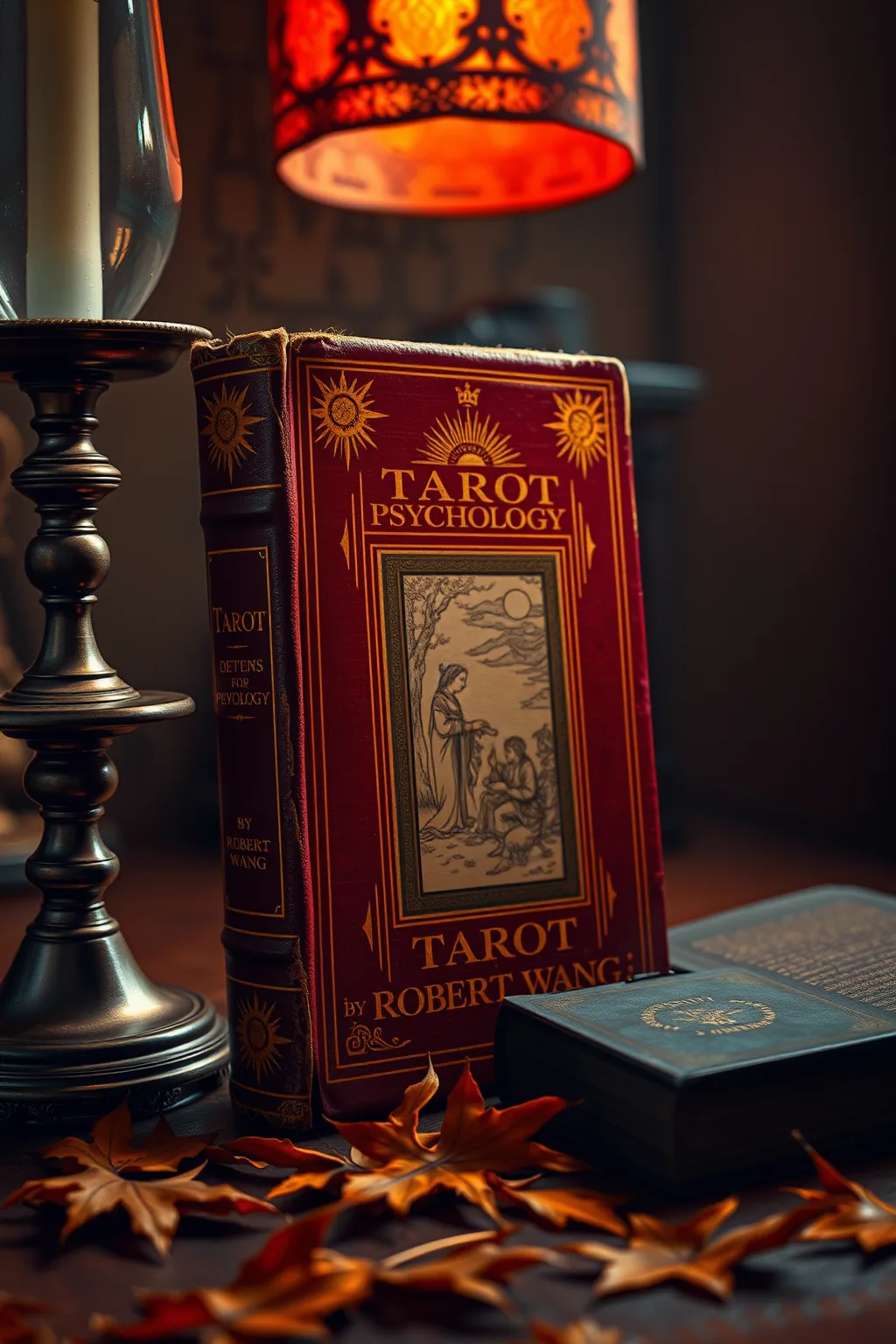
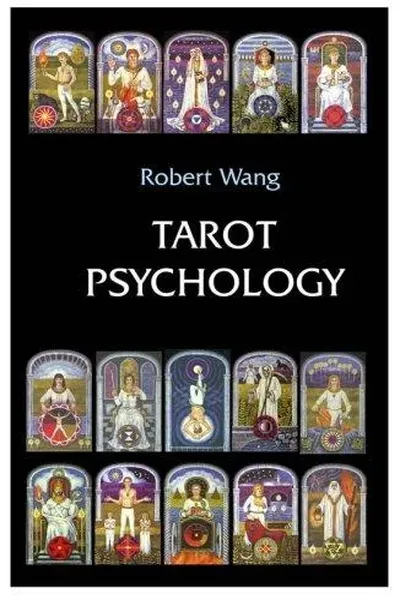
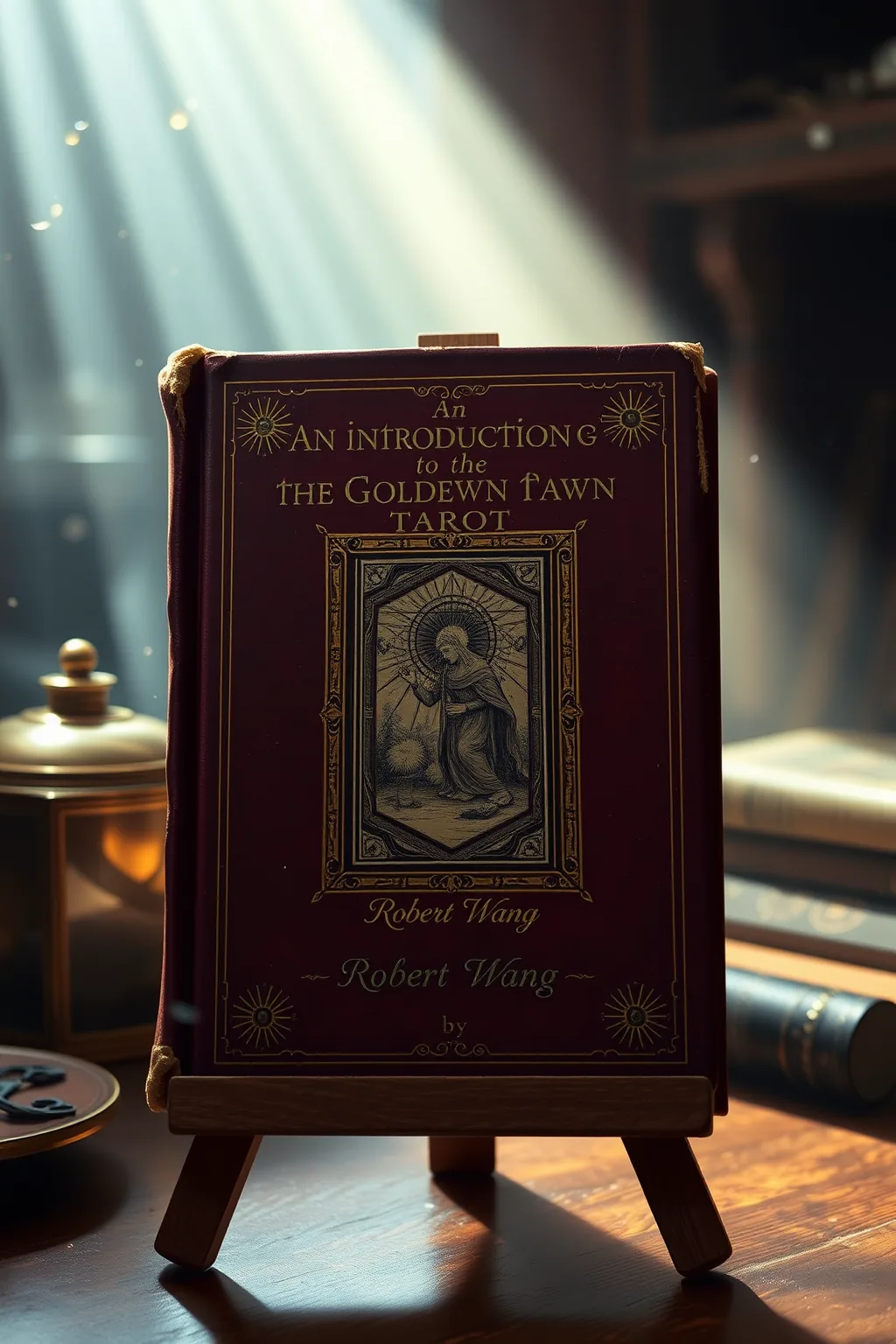
Robert Wang's 1992 book, Tarot Psychology, examines the Tarot as a map of the human psyche.
Published in 1992, Robert Wang's Tarot Psychology treats the Tarot not as a divination tool but as a symbolic language for the human mind. Wang uses the cards to map internal processes, personal growth, and the development of consciousness. This work is aimed at serious students of esoteric psychology, Jungian analysts, and anyone approaching Tarot with an academic or introspective mindset. Readers interested in the links between mythology, symbolism, and psychology will find the book valuable. Those looking for simple fortune-telling methods may find its analytical depth too much, but individuals seeking to apply Tarot to personal development or therapeutic practices will discover considerable insight.
The book structures the Tarot as a system for understanding the unconscious. The Major Arcana are depicted as stages of individuation, paralleling the hero's journey or psychological maturation. Wang analyzes the Minor Arcana and Court Cards for their depiction of external situations, elemental energies, and character types. The work stresses how all these elements connect, suggesting the deck as a whole symbolizes the totality of the human experience.
Tarot Psychology emerged in the early 1990s, a period of growing interest in applying psychological frameworks to esoteric systems. The book is influenced by Carl Jung's theories on archetypes and synchronicity, which had already begun to inform Tarot studies. This era saw a wider engagement with Jungian thought outside of clinical settings, making Wang's contribution significant for understanding Tarot as a symbolic grammar of the psyche. It reflects a movement to interpret occult systems through a modern psychological lens.
💡 Why Read This Book?
• Gain a structured understanding of the Major Arcana as archetypal stages of individuation, moving beyond simple card meanings to see them as a map of psychological progression, as detailed in Wang's analysis. • Learn to view the Tarot deck as a symbolic grammar for the unconscious mind, enabling deeper self-reflection and integration of internal psychological processes, a core tenet of the book's 1992 publication. • Develop a more analytical and introspective approach to Tarot study, focusing on the cards as a framework for understanding personal growth and the unfolding of consciousness, distinct from predictive methods.
⭐ Reader Reviews
Honest opinions from readers who have explored this book.
❓ Frequently Asked Questions
What is the primary focus of Robert Wang's "Tarot Psychology"?
The book's primary focus is on examining the Tarot as a system of psychological archetypes and symbolic language, rather than a tool for divination. It explores the cards as a map of the human psyche and a framework for personal growth, a perspective introduced in its 1992 publication.
Is "Tarot Psychology" suitable for beginners?
While accessible, the book's strength lies in its analytical and theoretical depth, particularly its Jungian underpinnings. Beginners seeking straightforward card meanings might find it dense, but those interested in a psychological interpretation will find it rewarding.
How does "Tarot Psychology" relate to Carl Jung's work?
The book heavily draws on Carl Jung's theories of archetypes, the collective unconscious, and the process of individuation. Wang applies these concepts to interpret the Tarot, particularly the Major Arcana, as stages of psychological development.
What distinguishes this book from other Tarot guides?
Unlike many guides focused on prediction, "Tarot Psychology" offers a rigorous, analytical approach. It treats the Tarot as a symbolic language for understanding internal psychological processes and personal evolution, a method detailed in the text.
What is the significance of the Major Arcana in Wang's framework?
In Wang's framework, the Major Arcana are interpreted as representing the key stages and archetypal experiences of the individuation process, mirroring a journey of psychological maturation and self-discovery.
When was "Tarot Psychology" first published?
"Tarot Psychology" by Robert Wang was first published in 1992, contributing to the discourse on psychological interpretations of the Tarot during that era.
🔮 Key Themes & Symbolism
Archetypes and the Unconscious
The work posits the Tarot as a profound system for mapping the archetypal field of the human unconscious, a concept deeply rooted in Jungian psychology. Wang presents each card, especially within the Major Arcana, as a distinct archetype that emerges from the collective unconscious. These archetypes represent universal patterns of human experience, motivation, and potential. By studying their interactions and sequences, readers can gain insight into the underlying dynamics of their own psyche and the universal forces that shape human behavior and consciousness.
Individuation as a Tarot Journey
A central theme is the interpretation of the Major Arcana as a symbolic representation of the individuation process, the lifelong journey of psychological differentiation and integration. Wang charts this path, suggesting that the Fool's journey through the Major Arcana mirrors the stages of personal development, from innocence and exploration to self-realization and wholeness. This perspective transforms the Tarot from a deck of cards into a dynamic guide for understanding one's unique path toward psychological maturity and self-discovery.
Symbolic Language of the Psyche
Wang approaches the Tarot as a sophisticated symbolic language that communicates the complexities of the inner world. The book details how the visual imagery, numerical sequences, and elemental associations within the Tarot deck function as a lexicon for the subconscious. By deciphering this symbolic grammar, individuals can access deeper levels of self-understanding, identify internal conflicts, and recognize patterns of thought and behavior that might otherwise remain hidden, offering a unique interpretive framework.
The Tarot as a Psychological Framework
This work establishes the Tarot not as a tool for external prediction, but as an internal framework for psychological exploration and growth. The structure of the deck, from the seventy-eight cards to their divisions into Major and Minor Arcana, is analyzed for its inherent psychological architecture. This approach encourages a contemplative practice, where the cards serve as catalysts for introspection, helping users to understand their present circumstances and future potentials through the lens of their own psychological development.
💬 Memorable Quotes
Direct passages from the work, attributed to the author.
“The cards of the Tarot, particularly the Major Arcana, can be understood as depicting the stages of individuation.”
— This statement expresses Wang's core thesis: the Tarot deck is not merely a collection of symbols but a narrative of psychological development, mirroring the Jungian concept of becoming a whole, integrated self.
“Divination is a secondary application; the primary value lies in psychological insight.”
— This highlights the book's departure from traditional fortune-telling uses of the Tarot. It emphasizes that the cards' true power resides in their ability to illuminate the inner workings of the mind and facilitate self-awareness.
“Each card represents an archetype that plays a role in the human psyche.”
— This interpretation underscores the archetypal nature of the Tarot figures and situations. It suggests that these are not unique to individuals but are universal patterns present in everyone's psychological makeup.
“The sequence of the Major Arcana charts a path of development and transformation.”
— This focuses on the narrative structure of the Major Arcana, presenting them as a symbolic journey that individuals can traverse, mirroring their own life's challenges and growth processes.
“Understanding the elemental and numerical correspondences unlocks deeper layers of meaning.”
— This points to the intricate symbolic system underlying the Tarot, suggesting that a thorough grasp of its constituent parts, like elements and numbers, is key to accessing its profound psychological insights.
🌙 Esoteric Significance
Tradition
Wang's work is deeply embedded within the Western Esoteric Tradition, specifically drawing from Hermeticism and Jungian psychology. It aligns with the Hermetic principle of "As Above, So Below," viewing the microcosm of the human psyche as a reflection of universal patterns. While not strictly Kabbalistic, it shares with Kabbalistic thought the idea of structured symbolic systems as pathways to understanding divine or ultimate reality. The book positions Tarot as a tool for inner alchemy, a concept central to Hermetic philosophy, aiming at the transformation of consciousness.
Symbolism
Key symbols explored include The Fool, representing the primordial state of potential and the beginning of the individuation journey; The Magician, symbolizing the conscious will and the ability to manifest through focused intent; and The World, representing wholeness, integration, and the completion of a cycle. The four suits of the Minor Arcana (Wands, Cups, Swords, Pentacles) are analyzed for their elemental associations (Fire, Water, Air, Earth) and their representation of different facets of human experience and consciousness.
Modern Relevance
Contemporary thinkers in depth psychology, mythology studies, and even transpersonal psychology continue to draw from Wang's structured approach. His work informs modern practices that use Tarot for self-exploration, therapeutic journaling, and understanding archetypal patterns in personal narratives. The book remains a foundational text for those who view Tarot as a sophisticated psychological map, influencing online courses, academic discussions, and practitioners seeking a rigorous, non-divinatory interpretation of the cards.
👥 Who Should Read This Book
• Students of Jungian psychology interested in practical applications of archetypal theory to a symbolic system. • Esoteric practitioners seeking to deepen their understanding of the Tarot beyond divination, focusing on its use as a map of the psyche. • Comparative religion scholars examining symbolic systems and their role in human consciousness and personal development.
📜 Historical Context
Robert Wang's "Tarot Psychology," published in 1992, emerged during a period of significant interest in the psychological applications of esoteric systems, heavily influenced by the ongoing reception of Carl Jung's work. While Jung himself had commented on Tarot symbolism, it was scholars and practitioners in the decades following his death who extensively explored the Tarot through a Jungian lens. Wang's book contributed to this burgeoning field, offering a structured framework that moved beyond earlier, more intuitive interpretations. It arrived at a time when the New Age movement had popularized Tarot, but Wang's approach was notably more academic and analytical, differentiating itself from more syncretic or divinatory-focused texts. Contemporary authors like Sallie Nichols, whose "Jung and Tarot: An Archetypal Journey" (1980) was a significant predecessor, had already laid groundwork for this psychological approach, but Wang's work provided a distinct, systematic elaboration that resonated with those seeking deeper theoretical engagement with the cards.
📔 Journal Prompts
The Fool's initial leap: What unconscious assumptions propel your current life path?
The Magician's tools: How can you more consciously direct your will to manifest personal growth?
Archetypal roles: Identify which Major Arcana archetypes most strongly influence your daily decisions.
Elemental balance: Reflect on the interplay of Wands, Cups, Swords, and Pentacles in your recent experiences.
The World's completion: What signifies wholeness or a completed cycle in your personal journey right now?
🗂️ Glossary
Archetype
Universal, archaic patterns and images that derive from the collective unconscious and are the psychic counterpart of instinct. In Tarot, these are embodied by the figures and situations depicted on the cards.
Individuation
The psychological process of integrating the conscious and unconscious aspects of the self to become a whole, unique individual. Wang interprets the Tarot's journey as a symbolic representation of this process.
Collective Unconscious
A concept introduced by Carl Jung, referring to a part of the unconscious mind derived from ancestral memory and experience, common to all humankind.
Major Arcana
The trump cards of the Tarot deck, typically numbering 22, which represent significant life events, spiritual lessons, and archetypal forces in the journey of individuation.
Minor Arcana
The four suits (Wands, Cups, Swords, Pentacles) of the Tarot deck, typically containing 14 cards each, which represent more mundane, everyday events and circumstances.
Symbolic Language
A system of signs, images, and metaphors that represent deeper meanings or abstract concepts. Wang views the Tarot as a complex symbolic language of the psyche.
Esoteric Psychology
A field of study that explores the inner workings of the human mind and consciousness through symbolic, spiritual, and mystical traditions, often in conjunction with psychological theories.
🔮 Readers Also Liked
Browse all →
More by Robert Wang
All books →
More Free Divination & Tarot Books
View all →