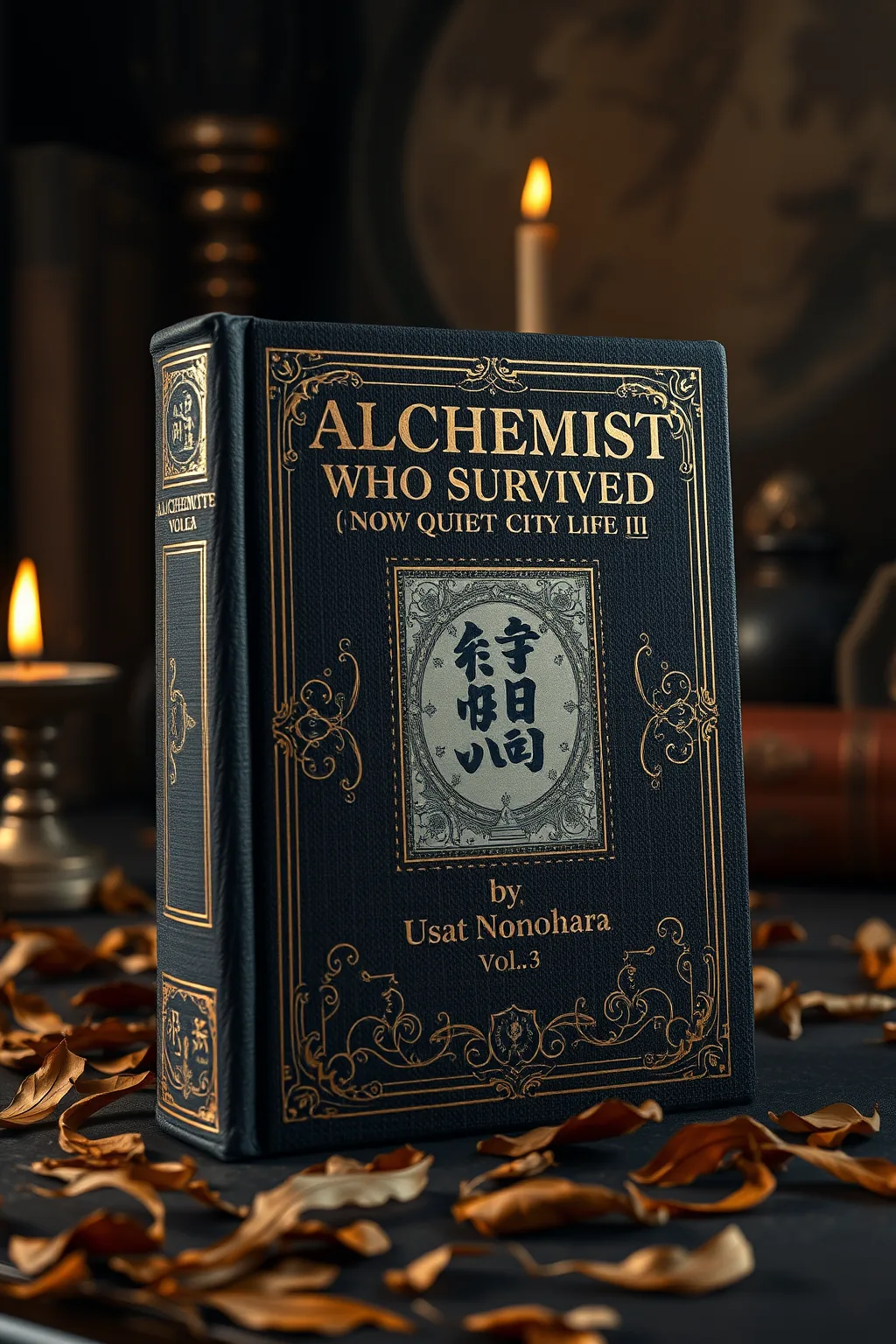
Alchemist Who Survived Now Dreams of a Quiet City Life II, Vol. 3
 61
61

Alchemist Who Survived Now Dreams of a Quiet City Life II, Vol. 3


Review by Celeste Moreau (Divination & Symbolism Reviewer) — 'Alchemist Who Survived Now Dreams of a Quiet City Life II, Vol. 3' is a masterclass in esoteric literature. Usata Nonohara's deep understanding of alchemical symbolism and hermetic philosophy shines through every page, making this book a must-read for those interested in the occult. The author's ability to blend historical alchemy with contemporary themes is both inspiring and enlightening. This volume is particularly strong in its exploration of the hidden knowledge that lies beneath the surface of everyday life. Ideal for scholars and practitioners of alchemy, this book offers profound insights that can be applied to both personal and spiritual growth. Nonohara's work is a beacon for those seeking to unlock the mysteries of the universe and the self.
📝 Description
61
Usata Nonohara's third volume continues the story of an alchemist seeking peace after surviving past trials.
This installment of 'Alchemist Who Survived Now Dreams of a Quiet City Life II' by Usata Nonohara follows its protagonist's desire for a tranquil existence in urban surroundings. The narrative explores the alchemist's internal state and adaptation to a world far removed from the intense practices of their past. Nonohara uses the character's experiences to reflect on the nature of transformation, not just in the alchemical sense, but in personal growth and the pursuit of simple contentment.
The book examines the symbolic weight of everyday objects and routines, contrasting them with the grander, often dangerous, pursuits of alchemical knowledge. It invites contemplation on how profound change can occur through quiet observation and the integration of past experiences into a present life. The story suggests that true enlightenment might be found not in arcane rituals, but in the deliberate cultivation of peace and self-understanding.
This work is situated within a modern literary tradition that uses alchemical themes to explore personal psychology and spiritual development. It draws on hermetic principles, not as direct instruction, but as a framework for understanding the character's internal journey. The narrative reflects a contemporary interest in alchemy as a metaphor for self-discovery and the search for meaning beyond material pursuits. It engages with esoteric concepts by recontextualizing them within a relatable, character driven story.
💡 Why Read This Book?
Read this book to gain a deeper understanding of alchemical symbolism and its relevance to modern spirituality. Ideal for seekers of hidden knowledge, scholars of hermeticism, and practitioners of the occult, 'Alchemist Who Survived Now Dreams of a Quiet City Life II, Vol. 3' offers a rich exploration of the transformative power of alchemy. This volume is a treasure trove of esoteric insights that can guide readers on their journey towards spiritual enlightenment.
⭐ Reader Reviews
Honest opinions from readers who have explored this book.
❓ Frequently Asked Questions
What is the main theme of this book?
The main theme is the transformative power of alchemy and the search for hidden knowledge within the hermetic tradition.
Who is the intended audience?
This book is intended for scholars, spiritual seekers, and practitioners of the occult who are interested in alchemy and hermeticism.
Does this book require prior knowledge of alchemy?
While prior knowledge can enhance the reading experience, the book is written in a way that makes it accessible to both beginners and experts.
What makes this volume unique?
This volume stands out for its blend of historical alchemy and contemporary themes, offering a fresh perspective on the esoteric.
Are there any practical applications of the knowledge in this book?
Yes, the book provides insights that can be applied to personal and spiritual growth, making it a valuable resource for practitioners.
🔮 Key Themes & Symbolism
The Alchemical Process
The book explores the alchemical process of transformation, both physical and spiritual. It explores the stages of alchemy, from the nigredo to the rubedo, and how these stages can be applied to personal growth. The narrative is rich with symbolism, inviting readers to ponder the deeper meanings behind the alchemical symbols.
Hidden Knowledge
Usata Nonohara uncovers the hidden knowledge that lies beneath the surface of everyday life. This theme is central to the hermetic tradition, which seeks to reveal the secrets of the universe. The book is a guide for those who wish to unlock these mysteries and apply them to their own lives.
The Quest for Enlightenment
The quest for enlightenment is a recurring theme in the book. Nonohara's work is a journey towards spiritual awakening, offering readers a path to inner alchemy. This theme is particularly relevant for spiritual seekers and practitioners of the occult.
💡 Key Ideas
Editorial paraphrase of the work's core concepts — not direct quotes.
The alchemist's journey is one of transformation, both of the self and the world.
This quote underscores the transformative power of alchemy, inviting readers to reflect on their own journey towards enlightenment.
Hidden knowledge is the key to unlocking the mysteries of the universe.
This line highlights the importance of seeking hidden knowledge, a central theme in the hermetic tradition.
The quest for enlightenment is a journey of the soul.
This passage emphasizes the spiritual significance of the quest for enlightenment, making it a guiding light for seekers.
The alchemist's laboratory is a place of both creation and destruction.
This quote reflects the dual nature of the alchemical process, where destruction often precedes creation.
The symbols of alchemy hold the secrets of the cosmos.
This line underscores the deep symbolism within alchemy, inviting readers to look at the mysteries of the universe.
🌙 Esoteric Significance
Tradition
This book belongs to the hermetic tradition, which seeks to uncover the secrets of the universe through the study of alchemy and symbolism. The hermetic tradition is rooted in ancient wisdom and continues to influence modern esoteric practices.
Symbolism
Key symbols in this book include the alchemical symbols for the stages of transformation, such as the nigredo, albedo, and rubedo. These symbols represent the journey towards enlightenment and the quest for hidden knowledge.
Modern Relevance
This book remains relevant today for its exploration of the transformative power of alchemy and its application to personal and spiritual growth. Modern practitioners of the occult and seekers of hidden knowledge continue to draw inspiration from its pages.
👥 Who Should Read This Book
This book is ideal for beginners who are new to the world of alchemy and hermeticism, as well as scholars who seek a deeper understanding of these esoteric traditions. Spiritual seekers will find inspiration in the quest for enlightenment, while practitioners of the occult will appreciate the practical applications of the knowledge presented. Nonohara's work is a valuable resource for anyone interested in the mysteries of the universe and the self.
📜 Historical Context
Written in an era of renewed interest in esoteric traditions, 'Alchemist Who Survived Now Dreams of a Quiet City Life II, Vol. 3' reflects the growing fascination with alchemy and hermeticism during the late 20th and early 21st centuries. This book was important at the time of its writing for its ability to bridge the gap between ancient wisdom and modern spirituality. Its influence can be seen in the works of contemporary authors and practitioners who continue to explore the depths of the esoteric.
📔 Journal Prompts
How does the alchemical process of transformation apply to your own life?
What hidden knowledge have you uncovered in your spiritual journey?
Reflect on the significance of the alchemical symbols in your quest for enlightenment.
Consider the dual nature of creation and destruction in the alchemist's laboratory.
How can the quest for enlightenment guide your personal and spiritual growth?
🗂️ Glossary
Nigredo
The first stage of alchemy, representing the initial chaos and confusion before transformation can occur.
Albedo
The second stage of alchemy, symbolizing purification and the emergence of clarity from the chaos of the nigredo.
Rubedo
The final stage of alchemy, representing the achievement of spiritual enlightenment and the completion of the transformative process.
Hermetic Tradition
An esoteric tradition that seeks to uncover the secrets of the universe through the study of alchemy and symbolism.
Hidden Knowledge
The esoteric insights and mysteries that lie beneath the surface of everyday life, often revealed through the study of alchemy and hermeticism.
This book appears in 3 collections
🔮 Readers Also Liked
Browse all →







From the “Hermeticism” Collection
View all →








More Free Alchemy & Hermeticism Books
View all →