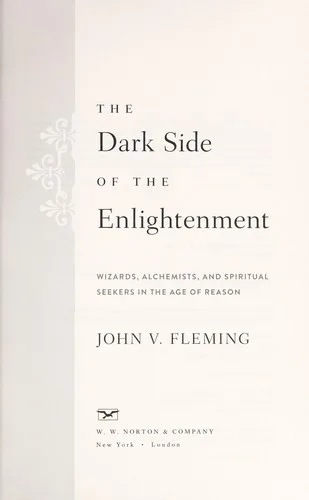
Art & alchemy
 62
62

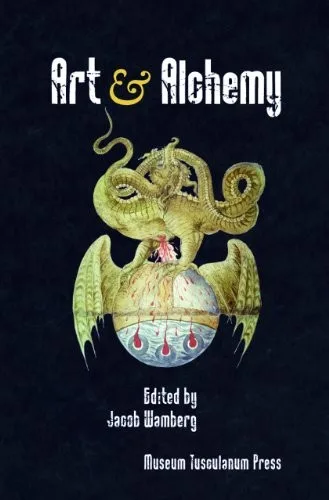
Art & alchemy



Lorelei Sage (Contemplative Literature Editor) — 'Art & Alchemy' by Jacob Wamberg is a luminous exploration of the esoteric underpinnings of Western art. Wamberg demonstrates with scholarly rigor and poetic sensibility how alchemical principles and Hermetic thought are not merely tangential but foundational to understanding a vast swathe of artistic creation. The book excels in its detailed analysis of visual symbolism, offering profound insights into the spiritual aspirations encoded within artworks. It is an indispensable resource for anyone seeking to bridge the gap between art history and occult philosophy, illuminating a rich tradition of hidden knowledge. Highly recommended for serious students of esotericism and art.
📝 Description
62
Jacob Wamberg's 'Art & Alchemy' examines alchemical symbolism in Western art.
Jacob Wamberg's 'Art & Alchemy' reveals the presence of alchemical ideas within Western artistic traditions. The book argues that alchemy was not just an early scientific pursuit but also a spiritual path aimed at transformation and spiritual understanding. Wamberg traces this connection through various periods, from medieval manuscripts to Renaissance art, identifying how Hermetic philosophy, Kabbalah, and mystical symbolism shaped creative works.
The author suggests that visual elements in art, such as symbols and allegories, function as coded messages related to the alchemical Great Work. This process, the transmutation of base materials into spiritual gold, is shown to be a recurring theme. The book aims to help readers interpret these visual puzzles and recognize the link between art and esoteric knowledge. It positions art as a form of visual text that reflects hidden wisdom and spiritual aspirations.
This book engages with Western esotericism, specifically the historical interplay between alchemical traditions and visual culture. It situates alchemical thought not just within its own historical context but as an influence on artistic creation and interpretation. The work connects alchemical theories of transformation and spiritual attainment to the symbolic language found in paintings, sculptures, and illuminated manuscripts, tracing a lineage of esoteric ideas that permeated creative expression.
💡 Why Read This Book?
Uncover the secret alchemical codes embedded within iconic artworks. 'Art & Alchemy' reveals the hidden spiritual dimensions of artistic creation, offering a unique lens for understanding history and human aspiration. Ideal for seekers of esoteric knowledge, art historians, and those fascinated by the intersection of mysticism and visual culture. Dive deep into a world where art is a sacred map to inner transformation.
⭐ Reader Reviews
Honest opinions from readers who have explored this book.
❓ Frequently Asked Questions
Is this book for beginners in alchemy?
While 'Art & Alchemy' is accessible, it assumes a foundational interest in esoteric concepts. It serves as an excellent gateway for those curious about alchemy's role in art history, offering rich context and detailed analysis.
What historical periods does the book cover?
The book offers a comprehensive sweep, meticulously detailing alchemical influences from the Medieval period through the Early Modern era, and extending into modern interpretations within art.
Does the book explain actual alchemical processes?
Primarily, 'Art & Alchemy' focuses on the symbolic and philosophical representation of alchemical concepts in art. While it illuminates the alchemical worldview, it is not a practical guide to performing alchemical operations.
What kind of artwork is discussed?
The book features a diverse range of artworks, including illuminated manuscripts, Renaissance paintings, sculptures, and symbolic imagery from various periods where alchemical themes were prevalent.
Can I find information on Hermeticism and Kabbalah within this book?
Absolutely. Wamberg expertly weaves together the threads of Hermeticism, Kabbalah, and other mystical traditions, demonstrating their profound impact on alchemical art and philosophy.
🔮 Key Themes & Symbolism
The Alchemical Main work in Art
This theme examines how the Great Work—the alchemical process of spiritual and material transformation—is visually represented in art. It explores the stages of the Opus, from the nigredo (blackening) to the albedo (whitening) and rubedo (reddening), and how artists used specific colors, symbols, and allegorical narratives to depict this profound journey of purification and perfection. The focus is on art as a mirror to the alchemist's inner quest for enlightenment and union with the divine, translating abstract philosophical concepts into tangible visual forms.
Symbolism and Iconography of Hermeticism
This section dissects the body of symbols and iconography derived from Hermeticism, Kabbalah, and other esoteric traditions that permeated alchemical art. It examines recurring motifs such as the ouroboros, the philosopher's stone, celestial bodies, and mythological figures, and elucidates their multilayered meanings within the alchemical worldview. The aim is to provide readers with a lexicon of visual language, enabling them to decode the hidden messages and spiritual insights embedded within artworks, revealing the artist as a hierophant communicating profound truths through visual allegory.
Alchemy as a Spiritual Path and Philosophical Framework
Beyond its association with material transformation, this theme emphasizes alchemy as a profound spiritual discipline and a comprehensive philosophical framework for understanding existence. Wamberg illustrates how alchemical thought offered a holistic view of the cosmos, where the microcosm (human) mirrored the macrocosm (universe). The book highlights alchemy's role in fostering a sense of interconnectedness, the pursuit of divine knowledge, and the aspiration for spiritual resurrection, showcasing how artists and thinkers of the past used its principles to explore fundamental questions of life, death, and consciousness.
💬 Memorable Quotes
Direct passages from the work, attributed to the author.
“The canvas held secrets whispered from the divine.”
— Suggests that artworks were not mere decorations but conduits of sacred knowledge, imbued with hidden meanings and spiritual insights accessible to those with the key to interpretation.
“Each hue a stage in the ascent towards the luminous.”
— Highlights the symbolic significance of color in alchemical art, linking specific pigments to the progressive stages of spiritual purification and illumination in the Great Work.
“The alchemist's dream painted into tangible form.”
— Emphasizes how artistic creations served to manifest the abstract aspirations and visionary experiences of alchemists, making their inner pursuits visible to the world.
“Wisdom etched in pigment, waiting for awakened eyes.”
— Implies that profound philosophical and spiritual truths are encoded within art, accessible only to those who approach it with an awakened consciousness and a willingness to seek hidden meanings.
💡 Key Ideas
Editorial paraphrase of the work's core concepts — not direct quotes.
Art became a crucible for the soul's transmutation.
This quote expresses the book's central thesis: that art served as a visual laboratory for exploring alchemical principles, mirroring the inner spiritual transformation sought by the alchemist.
🌙 Esoteric Significance
Tradition
The book primarily engages with the Western Esoteric Tradition, with a strong emphasis on Hermeticism, alchemy, and the closely related disciplines of Kabbalah and Neoplatonism. It explores how these traditions provided a foundational cosmology and a symbolic language that artists utilized to express profound spiritual truths about transformation, creation, and the divine. Wamberg demonstrates how alchemical concepts were not just philosophical curiosities but integral to a worldview that sought to understand the interconnectedness of all things.
Symbolism
Central to the esoteric significance of 'Art & Alchemy' is its deep dive into the complex symbolism of the alchemical tradition. The book deciphers recurring motifs such as the hermaphrodite (representing the union of opposites), the dragon or ouroboros (symbolizing cyclical nature and self-sufficiency), and the philosopher's stone (representing perfected matter and spiritual enlightenment). It reveals how these symbols, often drawn from nature, mythology, and religious imagery, were strategically employed by artists to encode layers of meaning related to spiritual purification, divine knowledge, and the ultimate goal of the Great Work.
Modern Relevance
In the modern era, 'Art & Alchemy' offers a powerful lens through which to re-examine art history and reconsider the enduring human quest for meaning and transformation. It highlights that the symbolic language and philosophical inquiries of past alchemists and artists are not relics of a bygone age but speak to timeless aspects of the human psyche. The book's exploration of hidden knowledge and the pursuit of inner perfection appeals to contemporary interest in mindfulness, consciousness studies, and alternative spiritualities, encouraging a deeper, more symbolic engagement with the visual world around us.
👥 Who Should Read This Book
This informative volume is a treasure for a diverse audience. For the **beginner seeker** curious about the mystical dimensions of art, it provides an accessible yet profound introduction to alchemical symbolism. **Art historians** will find invaluable new perspectives, unlocking hidden layers of meaning in familiar masterpieces. **Scholars of esotericism** will appreciate Wamberg's rigorous research and insightful synthesis of Hermetic and alchemical traditions. **Practitioners** of contemplative arts or spiritual disciplines may find inspiration in the alchemical pursuit of transformation and the artistic expression of inner states. Ultimately, anyone with a deep appreciation for art and a yearning for hidden knowledge will find 'Art & Alchemy' a deeply rewarding read.
📜 Historical Context
Jacob Wamberg's 'Art & Alchemy' is deeply rooted in the intellectual and spiritual currents of the Medieval and Early Modern periods in Europe. This era was a fertile ground for syncretic thought, where Christian theology, Neoplatonism, Hermetic philosophy, and Kabbalah often intertwined. Alchemy, far from being solely a pursuit of gold, was viewed by many as a sacred art, a path to understanding the divine order of the cosmos and achieving spiritual perfection. Artists and scholars of these times frequently drew upon this rich symbolic language, embedding alchemical allegories into their works to convey complex philosophical and spiritual ideas. The book situates these artistic expressions within a society where the boundaries between science, religion, and mysticism were fluid, allowing for a profound integration of esoteric knowledge into the visual arts.
📔 Journal Prompts
Reflect on a piece of art that evokes a sense of mystery or hidden meaning for you. What symbols or elements might suggest an alchemical interpretation?
Consider the concept of 'transformation' in your own life. How might the stages of the alchemical Great Work (nigredo, albedo, rubedo) metaphorically apply to your personal journey?
Explore the idea of 'hidden knowledge.' Where do you seek it, and how might it be expressed through non-traditional forms like art or symbolism?
If you were to create a piece of art representing your own 'spiritual gold' or ultimate aspiration, what symbols and colors would you use and why?
How does the alchemical pursuit of balance (e.g., union of opposites) relate to maintaining harmony in your daily life and creative endeavors?
🗂️ Glossary
Great Work (Main work)
The central process in alchemy, referring to the complex series of operations aimed at the transmutation of base metals into gold, and more importantly, the spiritual perfection and enlightenment of the alchemist.
Hermeticism
A philosophical and religious tradition based on the purported teachings of Hermes Trismegistus, emphasizing divine wisdom, the interconnectedness of the cosmos, and the pursuit of gnosis (knowledge).
Nigredo
The first stage of the alchemical Great Work, often symbolized by blackness, decay, or putrefaction. It represents dissolution, chaos, and the necessary breakdown of the old to prepare for new creation.
Philosopher's Stone
The legendary alchemical substance, often depicted as a stone or elixir, capable of transmuting base metals into gold and bestowing immortality or perfect health. Symbolically, it represents perfected matter and spiritual enlightenment.
Ouroboros
An ancient symbol depicting a serpent or dragon eating its own tail, representing cyclicality, eternity, self-sufficiency, and the primordial unity of all things.
This book appears in 3 collections
🔮 Readers Also Liked
Browse all →




From the “Hermeticism” Collection
View all →








More Free Alchemy & Hermeticism Books
View all →