52,000+ Esoteric Books Free + Modern Compare Prices
Home Collections Orphic Mysteries
📖

Orphic Mysteries: Foundational Texts and Guides

Key books like Joseph Campbell's "The Mysteries" and Michael B. Cosmopoulos' "Greek Mysteries" trace the development and influence of Orphism from antiquity to modern scholarship. This reading list provides a structured approach to understanding the Orphic tradition, its rituals, theology, and impact on Western thought. Below, you will find curated selections for beginners, intermediate students, and advanced researchers, alongside definitions and a suggested reading order.

Top Orphic Mysteries Books

25 Orphic Mysteries books

What are the Orphic Mysteries?

The Orphic Mysteries refer to a set of religious beliefs and practices associated with the mythical poet Orpheus, originating in ancient Greece. These mysteries focused on themes of purification, divine descent, and the afterlife, offering adherents a path to salvation and a better fate after death. Central to Orphic thought were concepts like the soul's divine origin and its subsequent imprisonment in the body, as well as a cyclical view of existence and reincarnation. The tradition is known for its hymns, theological poems, and initiation rituals.

Best Books for Complete Beginners

For those new to Orphism, start with Joseph Campbell's "The Mysteries," which places Orphic traditions within broader comparative mythology. Michael B. Cosmopoulos' "Greek Mysteries" offers a scholarly yet accessible overview of various ancient Greek mystery cults, including Orphism. Tamra Lucid and Ronnie Pontiac's "The Magic of the Orphic Hymns" provides a practical introduction to the hymns themselves, making them approachable. "Lost As an Example of the Orphic Mysteries" by Rachael Lachhwani offers a specific case study. Finally, Nigel Guy Wilson's "Encyclopedia of Ancient Greece" can serve as a useful reference for historical context.

Intermediate Reading

Building on foundational knowledge, delve into G. R. S. Mead's "On the Mysteries and Symbolism of Orphism," a seminal work exploring Orphic doctrines. Rudolf Steiner's "Occult History" touches upon Orphic elements within a wider esoteric framework. Jan N. Bremmer's "Jews, Pagans and Christians in the Roman Empire" contextualizes Orphism within the religious landscape of its time. Arthur Edward Waite's "A New Encyclopedia of Freemasonry" may offer tangential insights into later interpretations and associations. Evexiandros' "The Pythagorean Healer" explores related philosophical currents.

Classical / Advanced Texts

For advanced study, direct engagement with primary sources is crucial. While direct Orphic texts are fragmented, "The Bacchantes" by Leon Daudet, though a literary work, engages with Dionysian themes often linked to Orphism. The "Orphic Hymns" themselves, as presented in Lucid and Pontiac's work, are foundational. Andrea Wilson Nightingale's "Philosophy and Religion in Plato's Dialogues" examines philosophical dialogues that engage with Orphic ideas. "We are Immortal" by Ezio Tilli delves into related concepts of immortality. Nathan Coppedge's "1-Page-Classics" and "The One-Page-Classics" offer condensed philosophical insights.

Reading Order — Step by Step

Begin with an overview: Month 1, Weeks 1-2, read Michael B. Cosmopoulos' "Greek Mysteries" for a broad context, followed by Joseph Campbell's "The Mysteries" (Weeks 3-4) for comparative insights. Month 2 focuses on primary materials and deeper dives: Weeks 5-6, engage with "The Magic of the Orphic Hymns" by Tamra Lucid and Ronnie Pontiac. Weeks 7-8, explore G. R. S. Mead's "On the Mysteries and Symbolism of Orphism." Month 3 and beyond is for advanced study: Read Rudolf Steiner's "Occult History" and Jan N. Bremmer's "Jews, Pagans and Christians in the Roman Empire." Continue with specific studies like Rachael Lachhwani's "Lost As an Example of the Orphic Mysteries" and consult encyclopedic references as needed.

Frequently Asked Questions

Which Orphic Mysteries book should I read first?

For a comprehensive starting point, begin with Michael B. Cosmopoulos' 'Greek Mysteries' to understand the historical context, then move to Joseph Campbell's 'The Mysteries' for a broader mythological perspective.

Are the Orphic Hymns primary sources?

The Orphic Hymns are considered primary sources for understanding Orphic theology and ritual, though their exact composition date and authorship are debated, with most scholars placing them in the Roman Imperial period.

What is the connection between Orphism and Dionysus?

Orphism shares significant thematic overlap with the cult of Dionysus, particularly regarding ecstatic rites, divine madness, the concept of divine death and rebirth, and the soul's journey.

How did Orphism influence later thought?

Orphism significantly influenced Platonic philosophy, particularly concerning the soul's immortality, reincarnation, and the body as a prison. Its themes echoed through Neoplatonism and later esoteric traditions.

What are the main tenets of Orphic belief?

Key tenets include the divine origin of the soul, its entrapment in the body, the need for purification (katharmos), and the possibility of achieving a blessed afterlife through adherence to specific rituals and a righteous life.

Where can I find information on Orphic rituals?

Details on specific rituals are scarce due to their initiatory nature. However, books like 'The Magic of the Orphic Hymns' by Tamra Lucid and Ronnie Pontiac offer insights into the use of hymns in practice, and scholarly works discuss known elements of purification rites.

Is Orphism related to Pythagoreanism?

Yes, there are strong connections. Pythagoras himself was said to have been initiated into Orphic mysteries, and Pythagorean philosophy adopted key Orphic concepts like metempsychosis (reincarnation) and the soul's purification.

Why Each Book Matters

The Laurel Turns Green

The Laurel Turns Green

'The Laurel Turns Green' by Alexander Rivera is a collection of poetry that likely draws inspiration from classical mythology, nature, and themes of transformation. The laurel, sacred to Apollo, often symbolizes poetic inspiration and victory, suggesting a work rich in symbolic imagery and lyrical expression.

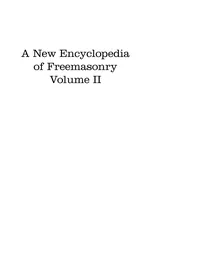
A New Encyclopedia of Freemasonry

A New Encyclopedia of Freemasonry

'A New Encyclopedia of Freemasonry' by Arthur Edward Waite is a comprehensive reference work on the history, symbolism, and philosophy of Freemasonry. Waite, a prominent esoteric scholar, delves into the origins and development of the fraternity, exploring its connections to various mystical and initiatory traditions across different eras.

The Pythagorean Healer

The Pythagorean Healer

'The Pythagorean Healer' by Evexiandros delves into the ancient philosophical and medical practices attributed to Pythagoras and his followers. This work explores the holistic approach of Pythagoreanism, encompassing mathematics, music, ethics, and a profound understanding of the soul's harmony, which shares common ground with Orphic purification doctrines.

We are Immortal

We are Immortal

'We are Immortal' by Ezio Tilli likely explores themes of human consciousness, spirituality, and the concept of an enduring self beyond physical existence. This work delves into philosophical and possibly esoteric arguments for the continuity of life, touching upon ideas of the soul and its eternal nature.

On the Mysteries and Symbolism of Orphism

On the Mysteries and Symbolism of Orphism

'On the Mysteries and Symbolism of Orphism' by G. R. S. Mead is a scholarly work that provides an in-depth examination of the esoteric dimensions of the Orphic Mysteries. Mead, a noted Theosophist and scholar of Gnosticism, meticulously analyzes the symbolism, philosophical doctrines, and ritualistic aspects of Orphism, offering profound insights into its spiritual significance.

Encyclopedia of Death and the Afterlife

Encyclopedia of Death and the Afterlife

'Encyclopedia of Death and the Afterlife' by James R. Lewis offers a vast collection of entries on human beliefs, practices, and cultural representations concerning death and what lies beyond. This extensive resource covers diverse religious, philosophical, and mythological perspectives, including those found in the Orphic Mysteries regarding the soul's journey.

The Mysteries

The Mysteries

Joseph Campbell's 'The Mysteries' explores the universal patterns and significance of mystery traditions across various cultures and eras. This book draws connections between ancient Greek rites, such as the Orphic Mysteries, and the broader human quest for spiritual meaning and transformation, providing a comparative mythological perspective.

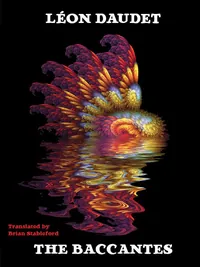
The Bacchantes

The Bacchantes

Leon Daudet's 'The Bacchantes' likely explores the Dionysian cults and their fervent, often ecstatic, rituals. This work would shed light on the worship of Dionysus, a deity whose mythology and rites are intimately connected with, yet distinct from, the Orphic Mysteries, offering insights into ancient Greek religious fervor.

Alice's Adventures in Wonderland

Alice's Adventures in Wonderland

by Lewis Carroll

'Alice's Adventures in Wonderland' by Lewis Carroll is a classic of children's literature, renowned for its whimsical narrative and surreal characters. First published in 1865, it follows Alice's journey through a fantastical world, exploring themes of logic, nonsense, and identity that have resonated deeply across literature and philosophy.

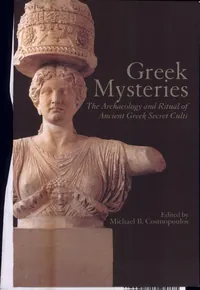
Greek Mysteries

Greek Mysteries

'Greek Mysteries' by Michael B. Cosmopoulos provides an academic and archaeological examination of the secret religious rites of ancient Greece. The book offers detailed insights into various mystery cults, including the Eleusinian and Orphic Mysteries, discussing their rituals, beliefs, and societal impact based on historical evidence.

Encyclopedia of Ancient Greece

Encyclopedia of Ancient Greece

'Encyclopedia of Ancient Greece' edited by Nigel Guy Wilson is a comprehensive reference work covering all aspects of ancient Greek civilization. This encyclopedia provides detailed entries on history, mythology, philosophy, art, and daily life, serving as an invaluable resource for understanding the cultural context of the Orphic Mysteries.

Reading Goethe at Midlife

Reading Goethe at Midlife

'Reading Goethe at Midlife' by Paul Bishop explores the profound wisdom and enduring relevance of Johann Wolfgang von Goethe's literary and philosophical contributions, particularly for individuals navigating the complexities of middle age. This book examines Goethe's insights into human development, nature, and the search for meaning.

Reading Goethe at Midlife

Reading Goethe at Midlife

'Reading Goethe at Midlife' by Paul Bishop, a duplicate entry, offers another opportunity to explore the enduring insights of Johann Wolfgang von Goethe. This edition or version similarly focuses on how Goethe's extensive body of work, from poetry to scientific treatises, provides guidance and reflection for the midlife journey.

Letters to a Skeptic

Letters to a Skeptic

'Letters to a Skeptic' by RONNE. GLEASON offers a series of arguments and reflections aimed at addressing common doubts and questions about faith and spirituality. The book employs a conversational style to explore complex theological and philosophical topics, seeking to bridge the gap between skepticism and belief.

The Wiccan Mysteries

The Wiccan Mysteries

'The Wiccan Mysteries' by Raven Grimassi provides an in-depth look into the spiritual and ritualistic practices of modern Wicca. This book explores the core beliefs, initiatory rites, and magical traditions of contemporary witchcraft, drawing connections to ancient pagan practices and the cyclical nature of the divine.

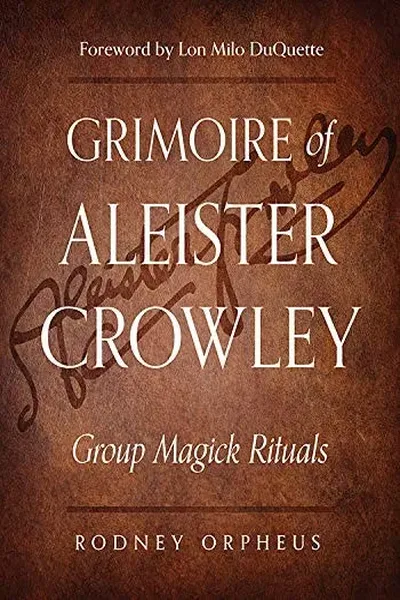
Grimoire of Aleister Crowley

Grimoire of Aleister Crowley

by Rodney Orpheus

In 'Grimoire of Aleister Crowley,' Rodney Orpheus compiles and interprets the magical workings of the infamous occultist Aleister Crowley. This volume provides detailed insights into Crowley's ceremonial magic, Qabalistic correspondences, and the philosophical underpinnings of Thelema, offering a structured approach to his complex esoteric system.

Occult History

Occult History

Rudolf Steiner's 'Occult History' offers a unique perspective on the hidden spiritual currents that have shaped human civilization. This work delves into the esoteric roots of historical events and philosophical movements, presenting a spiritual-scientific interpretation of the evolution of consciousness and the role of mystery traditions.

The Flowering Wand

The Flowering Wand

'The Flowering Wand' by Sophie Strand is a contemporary exploration of myth, magic, and the sacred feminine, often drawing from ancient traditions. This book weaves together ecological insights with spiritual practices, examining how ancient wisdom can inform modern understandings of healing and connection to the natural world.

The Magic of the Orphic Hymns

The Magic of the Orphic Hymns

'The Magic of the Orphic Hymns' by Tamra Lucid and Ronnie Pontiac provides an accessible guide to the ancient Orphic Hymns, offering historical context and practical applications. The authors explore the power and significance of these invocations, believed to facilitate connection with various deities and spiritual forces within the Orphic tradition.

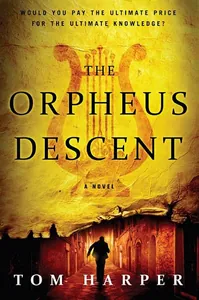
The Orpheus Descent

The Orpheus Descent

Tom Harper's 'The Orpheus Descent' is a thriller that weaves a modern narrative around the ancient myth of Orpheus and his journey to the underworld. The novel uses the legendary figure as a central motif, exploring themes of loss, retrieval, and the boundaries between life and death within a compelling contemporary plot.

The Orpheus Descent - India Only

The Orpheus Descent - India Only

'The Orpheus Descent - India Only' by Tom Harper is a regional edition of the thrilling novel, focusing its distribution on the Indian market. Like its broader counterpart, it reimagines the myth of Orpheus within a contemporary mystery, connecting ancient legends with modern-day suspense and adventure.

Studies in Walter Pater

Studies in Walter Pater

'Studies in Walter Pater' by an Unknown author provides critical analysis and interpretation of the works of the influential Victorian essayist and critic Walter Pater. Pater was known for his aesthetic philosophy and his evocative prose, often exploring themes of beauty, art, and the classical world, including its myths and philosophies.

Esoteric Library
Browse Esoteric Library
📚 All 52,000+ Books 🜍 Alchemy & Hermeticism 🔮 Magic & Ritual 🌙 Witchcraft & Paganism Astrology & Cosmology 🃏 Divination & Tarot 📜 Occult Philosophy ✡️ Kabbalah & Jewish Mysticism 🕉️ Mysticism & Contemplation 🕊️ Theosophy & Anthroposophy 🏛️ Freemasonry & Secret Societies 👻 Spiritualism & Afterlife 📖 Sacred Texts & Gnosticism 👁️ Supernatural & Occult Fiction 🧘 Spiritual Development 📚 Esoteric History & Biography
Esoteric Library
📑 Collections 📤 Upload Your Book
Account
🔑 Sign In Create Account
Info
About Esoteric Library