Acupuncture
 78
78

Acupuncture
Hai Hong's "Acupuncture" offers a compelling, albeit dense, exploration of a practice often reduced to mere needle insertion in Western discourse. The work’s strength lies in its rigorous adherence to the traditional Chinese medical framework, presenting *qi* and meridians not as metaphors but as fundamental energetic realities. The discussion of *yin* and *yang* balance as the root of health is particularly illuminating, moving beyond simplistic dualities. However, the book occasionally struggles to bridge the gap for readers unfamiliar with TCM's intricate philosophical lexicon, sometimes assuming prior knowledge. A notable passage details the flow of *qi* along specific meridians, linking them to physiological functions in a way that challenges purely mechanistic Western explanations. It's a valuable resource for those committed to understanding acupuncture's esoteric roots.
📝 Description
78
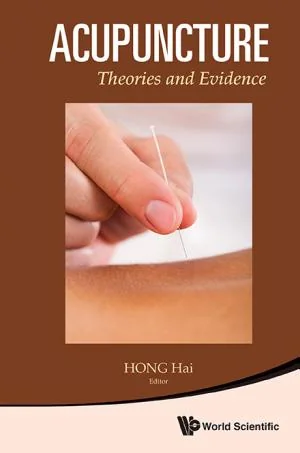
Hai Hong's Acupuncture examines energetic regulation beyond medical technique, rooted in Traditional Chinese Medicine.
Hai Hong's work presents acupuncture not simply as a medical procedure, but as a complex system for regulating the body's energy. This approach is deeply connected to the principles of Traditional Chinese Medicine (TCM). The book discusses how acupuncture is applied in contemporary health settings, addressing various conditions. These include persistent pain, high blood pressure, and issues related to digestion and sexual health.
This text is intended for readers interested in the theoretical and historical aspects of acupuncture, rather than a practical manual. It will appeal to those in complementary and alternative medicine, students of spiritual philosophies, and anyone curious about health perspectives originating outside the West. The book charts the history of acupuncture, placing its practice within the philosophical context of ancient China. It acknowledges centuries of empirical findings and theoretical constructs, contrasting them with current scientific studies on its effectiveness. The text also touches upon the continuing discussion surrounding how acupuncture works.
This book situates acupuncture within the broader framework of Traditional Chinese Medicine, which is itself a rich stream of esoteric thought. It views the body not just as a biological machine but as a vessel for vital energy, or 'qi'. The flow and balance of this energy, governed by principles like yin and yang and channeled through meridians, are central to health. Illness arises from disruptions in this energetic system. The book connects these concepts to ancient Chinese philosophy, suggesting a worldview where the physical and energetic realms are inseparable.
💡 Why Read This Book?
• Understand the energetic basis of acupuncture through the concept of *qi* flow, gaining insight into how vital energy is believed to maintain health and how imbalances lead to illness, a core tenet of Traditional Chinese Medicine. • Grasp the dynamic interplay of *yin* and *yang* as presented in the text, learning how their balance, rather than static states, is crucial for vitality and disease prevention, as described in classical Chinese philosophy. • Explore the anatomical and energetic map of meridians, discovering how this complex network, central to acupuncture theory, connects seemingly disparate parts of the body and influences overall well-being.
⭐ Reader Reviews
Honest opinions from readers who have explored this book.
❓ Frequently Asked Questions
What is the traditional Chinese medical understanding of acupuncture's effectiveness?
Traditional Chinese Medicine posits that acupuncture works by regulating the flow of *qi* (vital energy) through the body's meridians. Maintaining the balance of *yin* and *yang* along these pathways is considered essential for health, and disruptions lead to illness.
What are meridians in the context of acupuncture?
Meridians are conceptual pathways or channels within the body through which *qi* circulates. They form a complex network connecting internal organs to the surface of the body, and are the primary routes targeted by acupuncture needles.
How does the concept of yin and yang relate to acupuncture?
In acupuncture theory, *yin* and *yang* represent complementary and opposing forces. Health is seen as a state of dynamic balance between these forces within the body's *qi* and meridians; illness arises from imbalance.
Is acupuncture explained purely scientifically in this book?
No, the book primarily explains acupuncture through the lens of Traditional Chinese Medicine, focusing on concepts like *qi*, meridians, and *yin*/ *yang* balance, while acknowledging the ongoing scientific debate about its mechanisms.
What range of ailments does acupuncture address according to the book?
The book notes that acupuncture is practiced for a wide array of ailments in the 21st century, including chronic pain, high blood pressure, gastrointestinal disorders, dizziness, and sexual dysfunction.
When was Hai Hong's Acupuncture first published?
Hai Hong's "Acupuncture" was first published in 2013, placing its detailed exploration of the subject within contemporary discussions on health and esoteric practices.
🔮 Key Themes & Symbolism
The Flow of Qi
The book emphasizes *qi* as the fundamental vital energy animating all life. It details how the unimpeded circulation of *qi* through the body's meridians is crucial for maintaining health and vitality. Disruptions or blockages in this flow are presented as the root cause of disease, with acupuncture acting as a method to restore harmonious movement and energetic balance.
Yin and Yang Equilibrium
Central to the work is the principle of *yin* and *yang*, understood not as static opposites but as dynamic, interdependent forces. The text explores how health is a state of equilibrium between these energies within the body's systems and meridians. Illness is framed as a manifestation of *yin*/ *yang* disharmony, which acupuncture aims to correct by rebalancing these fundamental qualities.
Meridian System Anatomy
Hai Hong's text provides an in-depth look at the meridian system, describing it as an intricate network of energetic channels distinct from the anatomical circulatory or nervous systems. The book elucidates how these meridians connect superficial and deep body structures, facilitating the transport of *qi* and Blood, and serving as the precise pathways for therapeutic intervention through acupuncture.
Modern Application of Ancient Theory
The book bridges ancient Chinese medical philosophy with contemporary Western healthcare. It addresses how acupuncture, guided by principles established centuries ago, is now applied to a wide range of modern ailments, from chronic pain to hypertension, sparking debate about its efficacy and mechanisms within scientifically developed countries.
💬 Memorable Quotes
Direct passages from the work, attributed to the author.
“The mechanism of action in acupuncture was understood in terms of the flow of qi and the balance of yin and yang through the body's meridians.”
— This statement captures the core theoretical framework of Traditional Chinese Medicine as applied to acupuncture. It asserts that the efficacy of acupuncture is rooted in its ability to manipulate the body's vital energy (*qi*) and maintain the equilibrium of fundamental opposing forces (*yin* and *yang*) within specific energetic pathways (meridians).
“Acupuncture is widely practised in the 21st century in scientifically developed countries for a wide range of ailments.”
— This highlights the significant global adoption of acupuncture beyond its traditional East Asian origins. It points to its integration into modern healthcare systems, particularly in the West, for treating diverse conditions, underscoring its perceived therapeutic value in contemporary medicine.
“Yet the reasons for its vaunted efficacy remain a matter of controversy.”
— This phrase acknowledges the ongoing scientific and philosophical debate surrounding acupuncture. While its clinical effectiveness is recognized and widely utilized, the precise mechanisms by which it achieves these results continue to be a subject of discussion and research, particularly when viewed through a purely Western biomedical lens.
“The body's meridians, a complex [system].”
— This interpretation refers to the intricate network of channels described in Traditional Chinese Medicine. These meridians are not physical structures like blood vessels but conceptual pathways through which vital energy (*qi*) circulates, forming the basis of diagnosis and treatment in acupuncture.
“Balance of yin and yang through the body's meridians.”
— This concept emphasizes that health is a state of dynamic harmony between complementary forces, *yin* and *yang*. The meridians are the conduits where this balance is maintained; imbalances detected here through acupuncture aim to restore overall physiological and energetic well-being.
🌙 Esoteric Significance
Tradition
This work engages with the esoteric lineage of Traditional Chinese Medicine, which is deeply rooted in Taoist philosophy and cosmology. It represents a sophisticated understanding of vital force (*qi*) and energetic balance (*yin*/*yang*) that predates and operates independently of Western esoteric traditions like Hermeticism or Kabbalah, though parallels in energetic mapping and vitalism can be drawn.
Symbolism
Key symbols include *qi*, representing the animating breath or vital energy that flows through all things, and the *yin*/*yang* dynamic, symbolizing the interdependent, complementary forces that govern the universe and the body. The meridians themselves function as symbolic pathways, mapping the unseen energetic range of the human form.
Modern Relevance
Contemporary thinkers in fields like somatic psychology, energy medicine, and integrative health draw upon the principles of *qi* and meridian theory explored in this book. Practices such as Qigong, Tui Na, and even certain forms of bioenergetic therapy are indebted to this foundational understanding of the body's energetic architecture.
👥 Who Should Read This Book
• Students of Traditional Chinese Medicine seeking a foundational text on acupuncture's theoretical framework, particularly regarding the concepts of *qi*, *yin*/*yang*, and meridians. • Practitioners of complementary and alternative medicine interested in deepening their understanding of energetic healing modalities beyond Western anatomical models. • Philosophers and historians of science exploring the intersection of ancient wisdom traditions and modern scientific inquiry, specifically concerning non-Western medical paradigms.
📜 Historical Context
Hai Hong's "Acupuncture" emerges within a landscape where Traditional Chinese Medicine (TCM) began gaining significant traction in the West, particularly following diplomatic exchanges with China in the 1970s. By 2013, acupuncture was a recognized, though often debated, complementary therapy. This period saw a surge in scientific research attempting to validate TCM's efficacy using Western biomedical models, often struggling to reconcile concepts like *qi* with observable physiology. Contemporaries like Dr. Andrew Weil were popularizing integrative medicine, which included practices like acupuncture. The work positions itself against a backdrop where established Western medicine, focused on pharmaceuticals and surgery, was increasingly challenged by holistic and energetic approaches, prompting critical engagement from both proponents and skeptics in academic and clinical circles.
📔 Journal Prompts
The flow of qi and the balance of yin and yang: how are these concepts reflected in your own energetic state?
Reflect on the meridian system as an energetic map distinct from anatomical charts.
Consider the controversy surrounding acupuncture's efficacy as presented in the text.
How does the 2013 publication date situate this work within the history of acupuncture's reception in the West?
Analyze the relationship between *qi* and physical health as described by Hai Hong.
🗂️ Glossary
Qi
The fundamental vital life force or energy believed to flow through all living things and the universe. In acupuncture, its smooth circulation is essential for health.
Yin and Yang
Two complementary and interdependent forces or principles that govern the universe and the body. Their dynamic balance is considered crucial for health and well-being.
Meridians
Conceptual pathways or channels within the body through which *qi* and Blood circulate. They form a complex network connecting organs and tissues, and are the primary targets for acupuncture needles.
Traditional Chinese Medicine (TCM)
An ancient and comprehensive system of healthcare originating in China, encompassing theories of *qi*, *yin*/*yang*, meridians, and various therapeutic methods including acupuncture, herbal medicine, and diet.
Acupuncture
A therapeutic technique involving the insertion of fine needles into specific points on the body's meridians to regulate the flow of *qi* and restore balance, thereby treating illness.
High Blood Pressure
A common ailment addressed by acupuncture, referring to elevated pressure within the arteries. The book notes its treatment within the framework of TCM's energetic principles.
Gastrointestinal Disorders
A category of ailments affecting the digestive system, which the book indicates are commonly treated using acupuncture according to TCM theory.
This book appears in 1 collection
🔮 Readers Also Liked
Browse all →









From the “Acupuncture” Collection
View all →





More Free Occult Philosophy Books
View all →