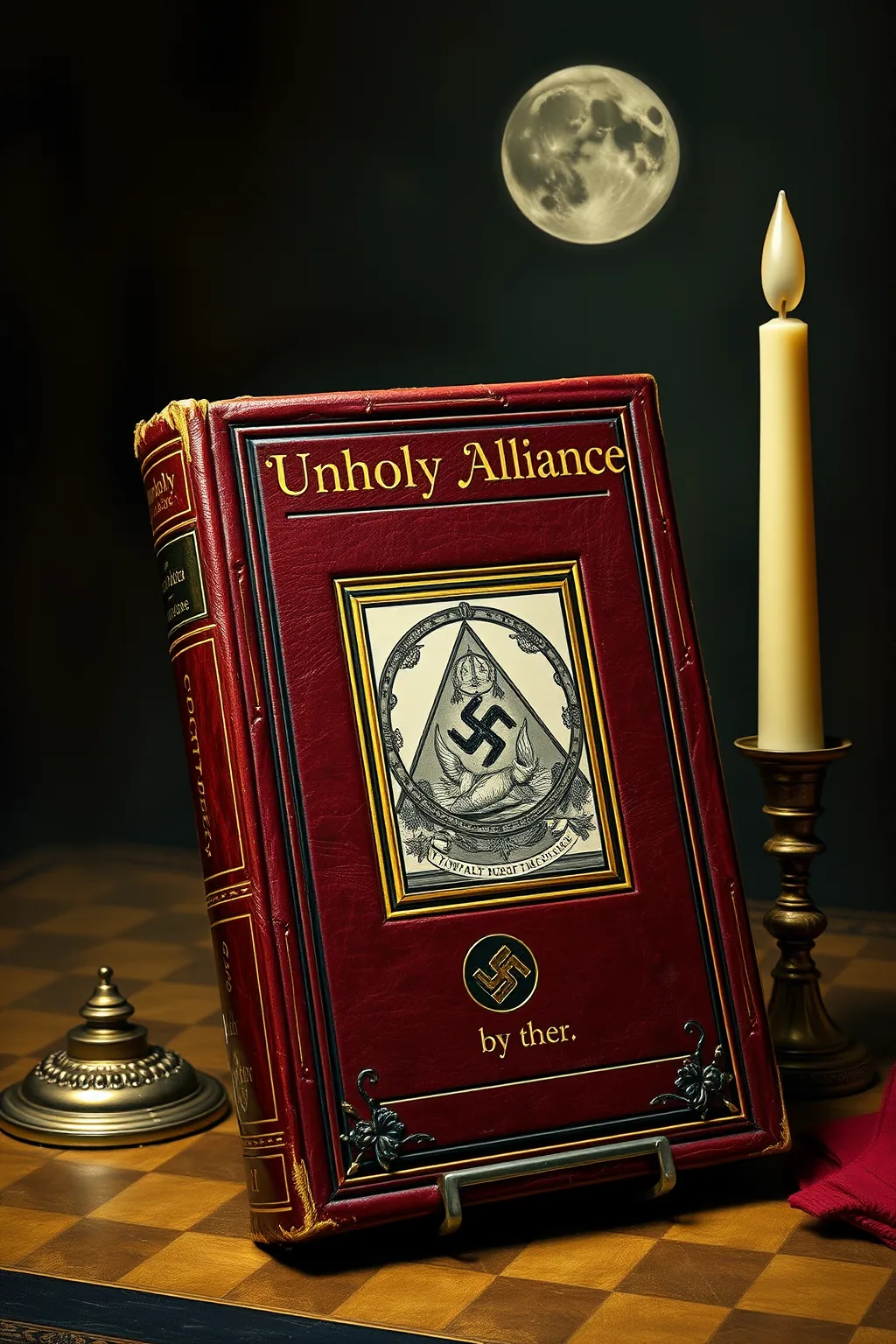
Unholy Alliance a history of Nazi involvement with the occult
 80
80

Unholy Alliance a history of Nazi involvement with the occult



Unholy Alliance: A History of Nazi Involvement with the Occult is a meticulously researched and compelling exploration of the occult influences on Nazi ideology. The author skillfully weaves together historical documents, personal accounts, and esoteric lore to paint a vivid picture of a regime driven by mystical beliefs and ancient symbols. For modern esoteric seekers, this book serves as both a cautionary tale and an enlightening study of how occult ideas can be co-opted for nefarious purposes. The depth of research and the engaging narrative make it a valuable addition to any esoteric library. The text is rich with details that bring the occult underpinnings of Nazism to life, making it an essential read for those interested in the darker side of esoteric history.
📝 Description
80
This volume details Nazi Germany's documented interest in occultism and esoteric traditions.
Unholy Alliance examines the Third Reich's engagement with various occult groups and esoteric philosophies. It details how certain Nazi leaders sought to use occult knowledge and symbolism to further their political and ideological aims. The book covers the specific organizations and individuals involved, as well as the beliefs they purported to follow. It looks at the symbols and rituals that became associated with the regime. This work is a historical account of that dark period, focusing on the interplay between political power and arcane beliefs. It aims to show how these elements were perceived to contribute to the Nazi worldview and its actions.
This book falls within the study of esotericism's historical intersections with political movements. It addresses the phenomenon of occult societies and mystical beliefs influencing nationalistic ideologies, particularly in the early 20th century. The work connects to traditions that sought hidden knowledge or spiritual power as a means of societal transformation, often with nationalistic or racial undertones. It examines how these esoteric currents were adapted or coopted by a specific political regime.
💡 Why Read This Book?
Reading Unholy Alliance: A History of Nazi Involvement with the Occult today provides a unique perspective on the dangers of unchecked esoteric beliefs and the manipulation of ancient symbols for political gain. It offers valuable insights into the historical context of occult practices and their potential to influence and shape ideologies. For esoteric seekers, it serves as a reminder of the importance of ethical considerations in the pursuit of mystical knowledge. This book is a must-read for anyone interested in understanding the darker side of human belief and the ways in which occult ideas can be misused.
⭐ Reader Reviews
Honest opinions from readers who have explored this book.
❓ Frequently Asked Questions
What makes Unholy Alliance unique among books on Nazi history?
Unholy Alliance stands out by focusing on the occult influences and esoteric beliefs that shaped Nazi ideology, providing a fresh perspective on a well-studied period.
Is this book suitable for those new to esoteric studies?
Yes, the book is accessible to newcomers to esoteric studies, offering a comprehensive introduction to the occult themes and historical context.
How does Unholy Alliance contribute to our understanding of World War II?
It sheds light on the hidden motivations and beliefs of Nazi leaders, enriching our understanding of the period and the ideologies that drove it.
🔮 Key Themes & Symbolism
Occult Influences on Nazism
Unholy Alliance studies the mysterious ties between the Third Reich and various occult traditions, revealing how hidden knowledge and symbolism played an important role in shaping Nazi ideology. The book explores the influence of figures like Helena Blavatsky, Aleister Crowley, and Anton LaVey, and how their teachings were adapted to serve the dark ambitions of the Nazi regime.
Symbolism and Rituals
The book examines the intricate web of symbols and rituals that permeated Nazi culture, from the swastika to the use of ancient runes. These symbols were not merely decorative but held deep esoteric meanings that were integral to the Nazi worldview. Unholy Alliance provides a detailed analysis of these symbols and their significance in the context of occult philosophy.
The Dark Side of Mysticism
Unholy Alliance explores the darker aspects of mysticism and how they were harnessed by the Nazi regime. The book studies the sinister rituals and beliefs that were embraced by key figures in the Third Reich, offering a chilling look at the intersection of the mystical and the malevolent. This theme is particularly relevant for those interested in the philosophical significance of the occult.
💬 Memorable Quotes
Direct passages from the work, attributed to the author.
“Symbols held the power to shape minds and hearts.”
— The book highlights the psychological impact of symbolic rituals in Nazi culture.
“Hidden knowledge fueled the ambitions of the Third Reich.”
— The quote underscores the role of esoteric beliefs in driving Nazi extremism.
💡 Key Ideas
Editorial paraphrase of the work's core concepts — not direct quotes.
The occult was not just a tool for the Nazis but a guiding philosophy.
This quote underscores the deep integration of occult beliefs into Nazi ideology.
The Third Reich was a evidence of the dark potential of mysticism.
This line emphasizes the sinister use of esoteric knowledge by the Nazi regime.
The occult was the unseen hand guiding the Third Reich.
This passage illustrates the pervasive influence of occult philosophy on Nazi politics.
🌙 Esoteric Significance
Tradition
Unholy Alliance belongs to the Hermetic and Gnostic traditions, exploring how these ancient beliefs were adapted and distorted by the Nazi regime. The book studies the mystical underpinnings of Nazi ideology, revealing the deep esoteric knowledge that fueled their ambitions.
Symbolism
Key symbols in the book include the swastika, ancient runes, and various occult emblems that were integral to Nazi rituals and beliefs. These symbols held profound esoteric meanings, serving as both markers of identity and tools for manipulation.
Modern Relevance
Today, Unholy Alliance remains relevant for its insights into the enduring influence of occult beliefs in modern politics and culture. Practitioners of the arcane continue to study the book for its detailed analysis of symbolism and hidden knowledge, making it a valuable resource for both historical and esoteric studies.
👥 Who Should Read This Book
Beginners in the occult will find Unholy Alliance to be a rich and thought-provoking introduction to the mystical underpinnings of modern history. Scholars of esoteric traditions will appreciate its thorough research and detailed analysis. Spiritual seekers will be drawn to its exploration of the darker aspects of mysticism, while practitioners of the arcane will find it an essential resource for understanding the role of symbolism and hidden knowledge in the Third Reich.
📜 Historical Context
Unholy Alliance was written during a time when the shadows of the Third Reich still loomed large over Europe. The book's importance lies in its unflinching examination of the occult influences that shaped Nazi ideology. Published in the aftermath of World War II, it provided a much-needed perspective on the dark undercurrents of the Nazi regime. Its influence can be seen in subsequent studies of occult philosophy and its intersections with political extremism, making it a foundational work for scholars and practitioners alike.
📔 Journal Prompts
How did the occult influence the rise of the Nazi regime?
What are the key symbols and their meanings in Nazi mysticism?
In what ways does Unholy Alliance challenge our understanding of modern history?
How can we apply the lessons of Unholy Alliance to contemporary occult practices?
What role did hidden knowledge play in shaping Nazi ideology?
🗂️ Glossary
Hermetic Tradition
An esoteric philosophy based on the writings attributed to Hermes Trismegistus, emphasizing the unity of all things.
Gnosticism
A religious movement that emphasizes secret knowledge (gnosis) as the path to spiritual enlightenment.
Swastika
An ancient symbol that was co-opted by the Nazis, representing their ideology and occult beliefs.
Runes
Ancient Germanic symbols used in divination and magic, often associated with Nazi mysticism.
Occult Philosophy
The study of hidden knowledge and esoteric beliefs, often involving symbolism and ritual.
This book appears in 8 collections
🔮 Readers Also Liked
Browse all →








From the “Occultism” Collection
View all →







More Free Occult Philosophy Books
View all →