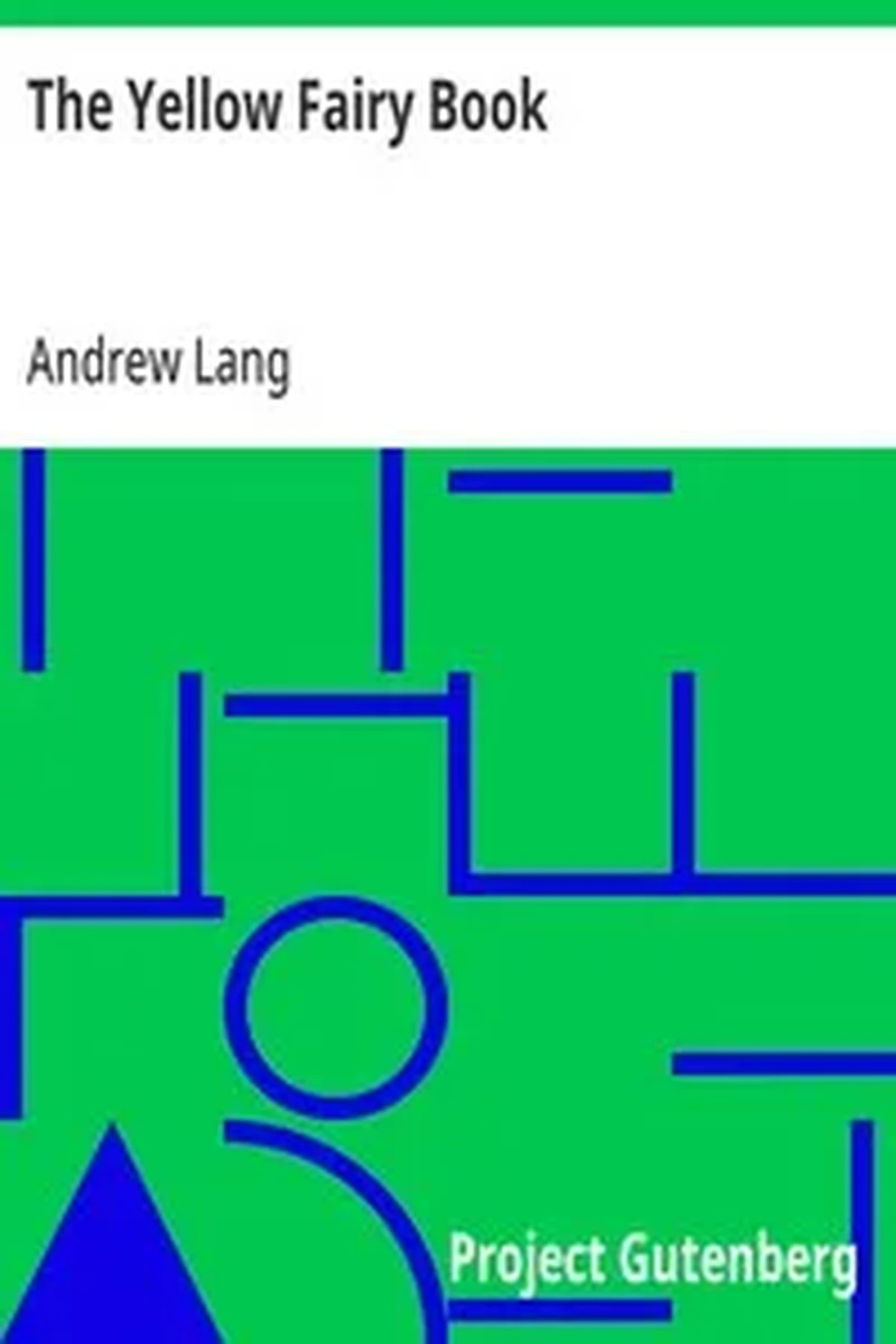
The Yellow Fairy Book
 73
73

The Yellow Fairy Book
The Yellow Fairy Book, a 1927 compilation by Andrew and Leonora Blanche Lang, presents a sprawling collection of global folklore. Its primary strength lies in its sheer breadth, drawing from a multitude of cultures and offering a panoramic view of narrative traditions. The editors' meticulous sourcing, while admirable, occasionally results in a somewhat uneven tone across the tales, a minor quibble given the otherwise comprehensive nature of the selection. A particularly striking example of its thematic range is found in the tales originating from Eastern Europe, which often carry a darker, more complex moral ambiguity than their Western counterparts. While not a scholarly analysis, the collection serves as an invaluable resource for understanding the common threads in human imagination. This compilation stands as a significant, if eclectic, archive of global storytelling.
📝 Description
73
Andrew and Leonora Blanche Lang compiled 50 global fairy tales for The Yellow Fairy Book, published in 1927.
The Yellow Fairy Book, a 1927 compilation by Andrew and Leonora Blanche Lang, gathers fifty fairy tales from diverse global traditions. This collection serves as a record of folklore, spanning various narrative styles and themes from cautionary stories to heroic accounts. It offers insight into the oral traditions that shaped collective imagination and provides material for scholars of folklore, mythology, and comparative literature. General readers interested in storytelling origins will also find value in its pages.
The book is particularly useful for those studying the transmission of myths across cultures and the recurring archetypal patterns in narratives. It presents universal themes like the victory of the less powerful, the outcomes of avarice and malice, and the impact of compassion. Archetypal figures such as the astute peasant, the malevolent stepmother, and the courageous prince populate these stories, illustrating consistent patterns in human psychology and societal structures. The implicit structure of the hero's journey appears in many narratives, underscoring fundamental aspects of the human experience.
Andrew Lang's work on fairy tales occurred during a period of increased academic interest in folklore and anthropology. His collaboration with Leonora Blanche Lang aimed to document stories, reflecting a scholarly effort to preserve narratives that might otherwise disappear. This aligns with esoteric traditions that often seek to uncover and safeguard hidden knowledge and ancient wisdom, viewing folklore as a repository of collective consciousness and symbolic understanding. The collection's focus on universal themes and archetypes also resonates with perennialist philosophies that identify common spiritual and psychological truths across cultures.
💡 Why Read This Book?
• Understand the archetypal patterns in global storytelling, evident in tales like 'The Dragon of the North', which mirrors common heroic quests. • Appreciate the historical context of folklore collection in the early 20th century, as exemplified by Andrew Lang's dedicated efforts in the 1927 publication. • Discover recurring motifs across cultures, such as the significance of the number three or the symbolism of animals, often featured in the various regional tales presented.
⭐ Reader Reviews
Honest opinions from readers who have explored this book.
❓ Frequently Asked Questions
When was The Yellow Fairy Book first published?
The Yellow Fairy Book was first published in 1927. This edition represents a compilation effort by Andrew Lang and Leonora Blanche Lang, drawing from numerous global sources.
What is the origin of the tales in The Yellow Fairy Book?
The tales are sourced from diverse global traditions, reflecting a wide array of cultures and regions. The Langs compiled these stories from various oral and written sources to preserve them.
Who are the main compilers of The Yellow Fairy Book?
The primary compilers were Andrew Lang and his wife, Leonora Blanche Lang. Andrew Lang was a prominent folklorist and ethnologist of his time.
What kind of themes can be found in The Yellow Fairy Book?
The book explores universal themes such as the struggle between good and evil, the rewards of kindness, the consequences of greed, and the nature of courage. Many tales feature heroic journeys and moral lessons.
Is The Yellow Fairy Book suitable for academic study?
Yes, The Yellow Fairy Book is highly suitable for academic study in fields like folklore, comparative mythology, and literary studies due to its diverse sourcing and historical context.
Are there specific cultural influences highlighted in The Yellow Fairy Book?
The collection deliberately includes tales from many cultures, showcasing influences from Europe, Asia, and beyond. Specific examples include Slavic, Scandinavian, and Arabian narratives, among others.
🔮 Key Themes & Symbolism
Archetypal Narrative Structures
The collection implicitly demonstrates the universality of certain narrative frameworks. Many tales follow the 'hero's journey' pattern, where protagonists face trials, undergo transformations, and return with newfound wisdom or status. This structure, observable in tales like 'The Story of the Three Bears' or 'The Princess and the Goblin', suggests fundamental human psychological needs for resolution and self-discovery. The recurring presence of these archetypes across disparate cultures highlights commonalities in human experience and imagination that transcend geographical and temporal boundaries.
Moral Ambiguity and Consequences
While often perceived as simple children's stories, many tales within The Yellow Fairy Book present complex moral landscapes. Characters frequently face difficult choices with significant repercussions, and the line between right and wrong can be nuanced. Stories originating from Eastern European traditions, for instance, often depict a grimmer reality where survival necessitates difficult actions, and justice is not always straightforward. This exploration of consequence, evident in tales of trickery and retribution, offers a more mature perspective on ethical dilemmas than typically found in simplified retellings.
Cultural Transmission of Folklore
The very act of compiling The Yellow Fairy Book in 1927 underscores the critical role of preserving and transmitting cultural narratives. Andrew and Leonora Blanche Lang's work highlights how stories act as vessels for cultural values, social norms, and historical memory. By gathering tales from diverse regions, the collection illustrates the interconnectedness of human cultures through shared storytelling traditions. This preservation effort allows modern readers to access and study the wide range of global folklore, understanding how these narratives have evolved and spread over centuries.
The Power of Transformation
Transformation, both literal and metaphorical, is a pervasive theme throughout the collection. Characters undergo physical changes through magic, curses, or enchantments, but more importantly, they experience internal growth. Acts of kindness can transform a beggar into a prince, while cruelty can lead to monstrous forms. The tale of 'Beauty and the Beast', for example, explores the transformative power of love and inner beauty over outward appearance. These narratives suggest that the potential for change and redemption is a fundamental aspect of the human condition.
💬 Memorable Quotes
Direct passages from the work, attributed to the author.
“The world is full of wonders.”
— This sentiment, often echoed in the diverse and surprising narratives collected, speaks to the inherent magic and mystery present in the world, as revealed through folklore.
“Kindness is often rewarded, while cruelty meets its just deserts.”
— A recurring moral lesson found across many tales, illustrating the fundamental belief in a cosmic order where virtuous actions are eventually honored.
“The cleverness of the humble often outwits the powerful.”
— This interpretation highlights a common narrative trope where intelligence and wit, rather than brute force or social standing, lead to victory against adversity.
“Magic can alter one's form, but not one's true nature.”
— This concept addresses the idea that while external appearances may change through enchantment, the core character of an individual remains constant, often revealed through their actions.
“Journeys often lead to unexpected discoveries.”
— Reflecting the frequent motif of protagonists beginning quests that result in personal growth, new knowledge, or the finding of hidden truths.
🌙 Esoteric Significance
Tradition
While not strictly an esoteric text in the vein of Hermeticism or Kabbalah, The Yellow Fairy Book serves as a foundational resource for understanding the archetypal imagery prevalent in Western esoteric traditions. Fairy tales often function as repositories of ancient symbols and narratives that predate formal esoteric schools. The collection's broad scope allows for comparisons with Gnostic myths or Neoplatonic ideas about the soul's journey, as many tales feature transformations, trials, and encounters with otherworldly beings that echo esoteric allegories.
Symbolism
Key symbols abound, such as the forest, often representing the unconscious or a place of initiation and transformation. Animals frequently appear as guides or symbolic representations of primal forces; for instance, a wolf might embody raw instinct, while a bird could symbolize spiritual freedom. The motif of the 'hidden door' or 'secret passage' is also recurrent, signifying access to hidden knowledge or other realms, a concept central to many mystical paths seeking to unveil deeper realities beyond the mundane.
Modern Relevance
Contemporary thinkers and practitioners in fields like Jungian psychology and modern Paganism frequently draw upon the archetypal figures and narratives found in collections like The Yellow Fairy Book. The enduring power of these tales lies in their ability to illuminate universal psychological patterns and spiritual quests. Modern mythographers and storytellers continue to mine these sources for inspiration, adapting the ancient motifs to contemporary contexts, demonstrating the timeless relevance of these foundational narratives for understanding the human psyche.
👥 Who Should Read This Book
• Students of comparative mythology and folklore: Gain access to a curated selection of global tales that illustrate cross-cultural narrative patterns and historical folklore collection methods from the early 20th century. • Aspiring writers and storytellers: Discover archetypal characters, plot structures, and thematic elements that have shaped narrative traditions for centuries, offering a rich source of inspiration. • Readers interested in the origins of Western fairy tales: Explore the diverse roots of familiar stories and understand the cultural contexts that influenced their development, as compiled by Andrew and Leonora Blanche Lang.
📜 Historical Context
Published in 1927, The Yellow Fairy Book emerged from the fertile ground of late Victorian and Edwardian folklore studies. Andrew Lang, a prominent ethnologist and literary critic, alongside his wife Leonora Blanche Lang, undertook the monumental task of compiling these tales. Their work built upon the foundations laid by earlier collectors like the Brothers Grimm, but Lang's approach was more global, seeking to represent a wider spectrum of human storytelling traditions. This era saw a surge in anthropological interest, with scholars actively documenting oral traditions worldwide. The collection implicitly engaged with the intellectual currents of the time, reflecting a growing awareness of cultural diversity and the psychological underpinnings of myth, as explored by contemporaries like Carl Jung. While not facing specific censorship, the sheer volume and varied origins of the tales represented a significant contribution to the academic and popular understanding of global folklore.
📔 Journal Prompts
The recurring motif of the 'clever peasant' in these tales: What does this archetype reveal about societal values?
Reflect on the transformation of characters like the 'Beauty' in 'Beauty and the Beast'. How does inner change manifest?
Consider the symbolism of the forest setting in various stories. What hidden meanings might it hold?
Analyze the consequences of greed depicted in tales like 'Aladdin and the Wonderful Lamp'. What moral lessons are conveyed?
The prevalence of magical objects. How do these artifacts facilitate or complicate the protagonists' journeys?
🗂️ Glossary
Archetype
A recurring symbol, character, or pattern of behavior found in the collective unconscious across cultures and time, often seen in fairy tales.
Folklore
The traditional beliefs, customs, and stories of a community, passed through the generations by word of mouth.
Myth
A traditional story, especially one concerning the early history of a people or explaining some natural or social phenomenon, and typically involving supernatural beings or events.
Oral Tradition
The passing down of cultural knowledge, stories, and beliefs through spoken language rather than written records.
Hero's Journey
A narrative pattern identified by Joseph Campbell, describing the typical stages of a hero's adventure, including departure, initiation, and return.
Motif
A recurring element, subject, or idea in a literary, artistic, or musical work, such as a specific symbol or plot device.
Compendium
A collection of concise but detailed information about a particular subject, especially in a book or other publication.
🔮 Readers Also Liked
Browse all →









More by Andrew Lang, Leonora Blanche Lang
All books →


More Free Occult Philosophy Books
View all →