 73
73

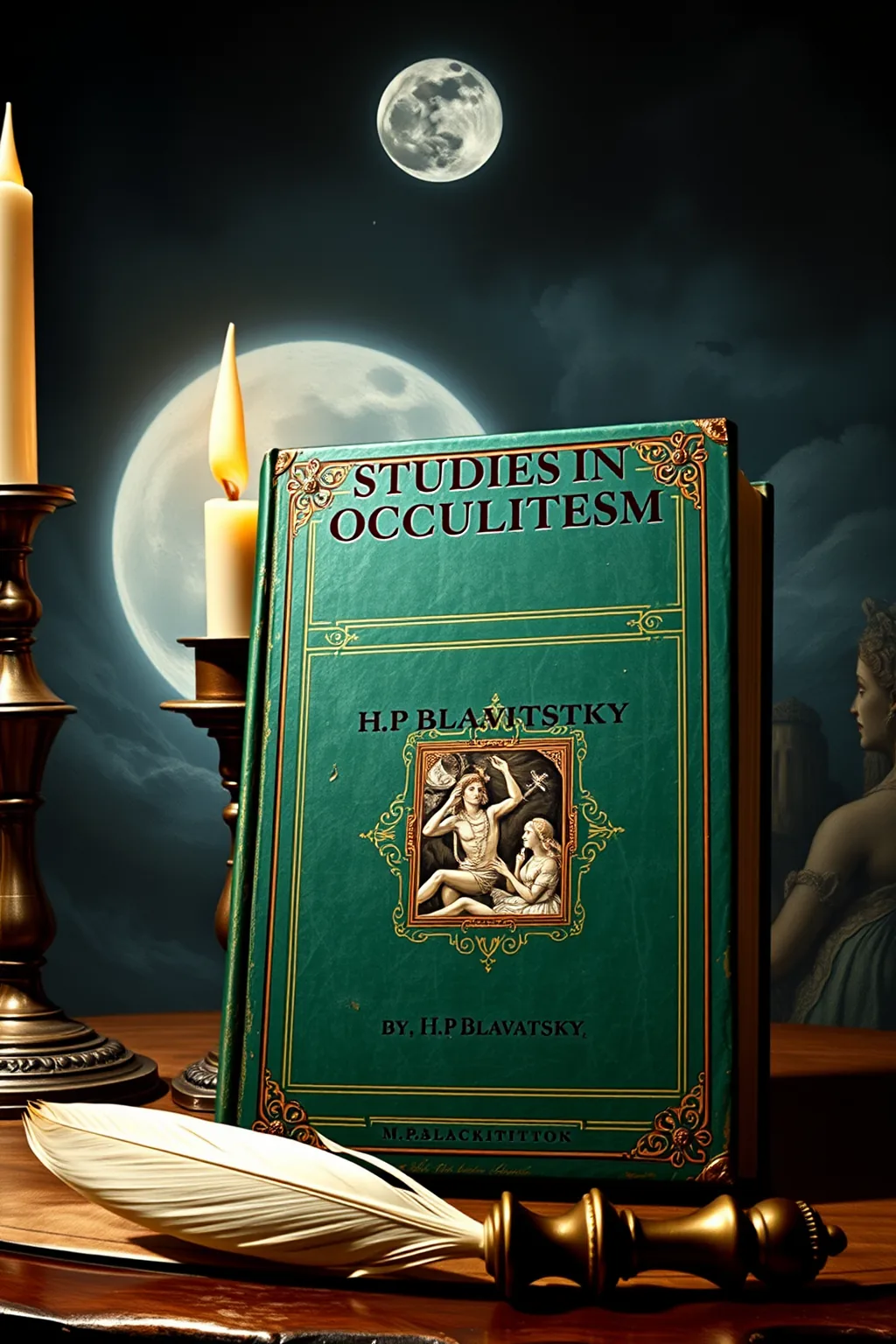
Studies in Occultism by H. P. Blavatsky



Lorelei Sage (Contemplative Literature Editor) — H.P. Blavatsky's 'Studies in Occultism' remains a cornerstone of esoteric literature, offering unparalleled clarity on the true meaning of occult science. Blavatsky's incisive intellect pierces through common misconceptions, distinguishing genuine spiritual development from mere psychic manipulation. Her exploration of motive as the ultimate determinant of 'magic' is particularly potent, serving as a vital ethical compass for any practitioner. This work is indispensable for those seeking a rigorous, philosophical grounding in the occult, providing profound insights into the interplay of mind, spirit, and the universe. Its enduring power lies in its ability to awaken a deep, contemplative engagement with the hidden forces that shape our reality.
📝 Description
73
Delve into the veiled chambers of existence with H.P. Blavatsky's seminal 'Studies in Occultism.' This profound work unfurls the intricate tapestry of esoteric knowledge, guiding the earnest seeker beyond the superficial, material world. Blavatsky masterfully dissects the true nature of Occultism, differentiating it from the rudimentary manipulation of forces often mistaken for genuine spiritual attainment. Through luminous prose and incisive analysis, she illuminates the subtle pathways of consciousness, the awakening of the inner self, and the profound ethical implications inherent in the pursuit of hidden truths. This is not a manual for conjuring parlor tricks, but a foundational text for those ready to confront the deeper mysteries of life, karma, and the very essence of being. The atmosphere is one of ancient wisdom, a whispered invitation to a higher understanding, intended for the serious student of metaphysics and the courageous soul yearning for authentic spiritual liberation.
✍️ Author
H. P Blavatsky . From the intro
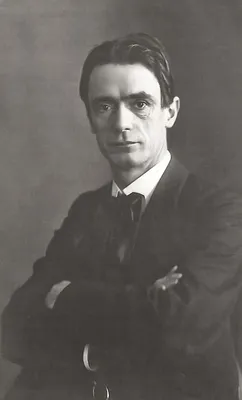
Rudolf Joseph Lorenz Steiner (German: [ˈʃtaɪnɐ]; 27 or 25 February 1861 – 30 March 1925) was an Austrian New Age guru, philosopher, occultist, social reformer, architect, esotericist, and claimed clairvoyant. Steiner gained initial recognition at the end o…
💡 Why Read This Book?
Embark on a transformative journey into the heart of esoteric wisdom. 'Studies in Occultism' offers a rare opportunity to understand the true nature of spiritual power and its ethical dimensions. Ideal for seekers disillusioned with superficial spiritualities, scholars of comparative religion, and practitioners aiming for genuine self-mastery. Discover Blavatsky's profound distinction between true occultism and lower magic.
⭐ Reader Reviews
Honest opinions from readers who have explored this book.
❓ Frequently Asked Questions
What is the primary distinction Blavatsky makes regarding Occultism?
Blavatsky emphatically distinguishes true Occultism from 'Black Magic' or Sorcery. She posits that the former involves spiritual evolution and ethical development, while the latter focuses on manipulating subtle material forces for personal gain, driven by desire and passion.
Is this book a guide to performing spells?
No, this book is not a spellbook. Blavatsky critiques the easy acquisition of 'tricks' and 'methods' of using material forces, branding them as Black Magic. The focus is on philosophical understanding and inner transformation, not outward manipulation.
Who is the intended audience for 'Studies in Occultism'?
The intended audience is the earnest seeker of truth, the student of occult philosophy, and anyone interested in a deeper, more ethical understanding of spiritual science and the hidden laws of the universe.
What are the ethical implications discussed in the book?
The book heavily emphasizes the importance of motive. Blavatsky argues that the intention behind any action involving subtle energies is the sole determinant of whether it constitutes higher, spiritual Occultism or lower, selfish Black Magic.
Does the book discuss the 'animal soul'?
Yes, Blavatsky refers to the 'animal soul' in man as a component whose powers can be readily awakened. She contrasts the development of these powers through love and passion (which can lead to Black Magic) with true spiritual development.
🔮 Key Themes & Symbolism
The True Nature of Occultism vs. Sorcery
Blavatsky rigorously defines Occultism not as the mere acquisition of powers, but as a profound path of spiritual evolution and ethical purification. She sharply contrasts this with 'Black Magic' or Sorcery, which she identifies as the manipulation of subtle, material forces for selfish ends, driven by passion and desire. This distinction is paramount, highlighting that true occult mastery lies in inner transformation and selfless service, rather than the facile control of external phenomena. The motive behind any action becomes the ultimate arbiter, separating the light from the shadow in esoteric practice.
The Awakening of Inner Potentials
The text delves into the latent potentials within the human constitution, particularly the 'animal soul' and its capacity for rapid development through emotional energies like love and passion. However, Blavatsky cautions that such awakenings, when unchecked by higher wisdom and ethical intent, can easily lead down the path of Black Magic. The focus is on understanding these internal forces, recognizing their dual nature, and learning to channel them consciously towards spiritual enlightenment rather than selfish gratification or external control.
The Primacy of Motive in Esoteric Practice
A central tenet of Blavatsky's philosophy presented here is the absolute supremacy of motive. She asserts that the intention, the 'why' behind an action, dictates its esoteric classification. Actions driven by ego, greed, or a desire for power over others are inherently 'Black Magic,' regardless of their apparent efficacy. Conversely, actions undertaken with pure intent, for the benefit of humanity and in alignment with universal laws, constitute true Occultism. This principle serves as a crucial ethical guide for all who tread the spiritual path.
💬 Memorable Quotes
“Occultism is not magic. It is comparatively easy to learn the trick of spells...”
— Blavatsky immediately clarifies that true Occultism is distinct from facile 'magic.' The ease of learning spells contrasts sharply with the profound inner work required for genuine spiritual advancement.
“...the powers of the animal soul in man are soon awakened; the forces which his love, his passion, can call into operation, are readily developed.”
— This highlights the potent, yet potentially dangerous, accessible forces within human nature. Their rapid development through emotion underscores the need for careful ethical guidance.
“But this is Black Magic – Sorcery.”
— A direct and stark condemnation. Blavatsky leaves no room for ambiguity, labeling the mere manipulation of forces for personal gain as the darker, detrimental form of esoteric practice.
“For it is the motive, and the motive alone, which makes any exer”
— This fragment emphasizes Blavatsky's core argument: intention is the defining factor. The ethical underpinnings of any esoteric endeavor are solely determined by the purity of the motive behind it.
“The forces which his love, his passion, can call into operation, are readily developed.”
— This points to the powerful, inherent energies within human emotions like love and passion. Their accessibility is acknowledged, but their potential for misuse is subtly implied.
🌙 Esoteric Significance
Tradition
This work is deeply rooted in the esoteric philosophy of Theosophy, which Blavatsky co-founded. Theosophy draws inspiration from ancient Eastern traditions, particularly Hinduism and Buddhism, while integrating Western Hermeticism and Neoplatonism. It presents a unified view of the cosmos, emphasizing the interconnectedness of all things, the cyclical nature of existence, and the potential for humanity to achieve spiritual perfection through knowledge, ethical living, and the awakening of inner faculties.
Symbolism
While 'Studies in Occultism' focuses more on philosophical distinctions, its context within Blavatsky's broader work implies a rich symbolic landscape. The 'animal soul' can be seen as representing the lower, instinctual aspects of human nature, while the 'trick of spells' symbolizes superficial manipulations of energy. The overarching symbolism points towards the journey of the soul from materiality towards spiritual illumination, with the aspirant navigating the treacherous paths of desire and ego.
Modern Relevance
In an age saturated with quick fixes and often superficial spiritual trends, Blavatsky's emphasis on genuine ethical development and the paramount importance of motive remains profoundly relevant. Her critique of 'easy' power acquisition resonates with contemporary concerns about the misuse of technology and information. 'Studies in Occultism' provides a vital anchor for those seeking authentic spiritual growth, urging a deeper contemplation of one's inner life and the true purpose of esoteric knowledge.
👥 Who Should Read This Book
This seminal work is essential for earnest seekers of truth who yearn for a profound, philosophical understanding of the occult. Scholars of comparative religion, metaphysics, and esoteric traditions will find Blavatsky's rigorous distinctions invaluable. For practitioners of spiritual disciplines, it offers a crucial ethical compass, guiding them away from the allure of superficial powers and towards genuine self-mastery and inner evolution. Beginners will find a clear, albeit challenging, introduction to core occult principles, while advanced students will appreciate the depth and clarity of Blavatsky's insights.
📜 Historical Context
Written during a period of fervent interest in spiritualism and the occult in the late 19th century, 'Studies in Occultism' emerged as a significant counterpoint to the often sensationalized and superficial presentations of psychic phenomena prevalent at the time. Helena Blavatsky, a key figure in the Theosophical Society, sought to present a more philosophical, rigorous, and ethically grounded understanding of esoteric teachings. This era saw a burgeoning desire for deeper meaning beyond materialistic science and conventional religion, leading many to explore ancient wisdom traditions. Blavatsky's work contributed to shaping the discourse on occultism, influencing subsequent generations of thinkers and practitioners by offering a coherent framework for understanding the hidden laws of the universe and the potential for human spiritual evolution.
📔 Journal Prompts
Reflect on a time when your motive for an action was questioned or ambiguous. How did this affect the outcome?
How do you differentiate between developing your 'animal soul' powers and pursuing true spiritual growth?
What does the concept of 'Black Magic' mean to you beyond common folklore?
Consider the subtle energies you might be unknowingly manipulating in your daily life. What is your intention?
How can the principle of 'motive alone' guide your personal and spiritual decisions?
🗂️ Glossary
Occultism
In Blavatsky's context, true Occultism refers to the study and application of hidden spiritual laws for the purpose of self-evolution and universal good, emphasizing ethical development and inner transformation.
Black Magic
The practice of manipulating subtle, material forces of nature or the psyche for selfish gain, personal power, or to cause harm. Blavatsky contrasts this sharply with true, benevolent Occultism.
Animal Soul
Refers to the instinctual, lower, or elemental aspects of the human constitution, often driven by desires and passions. Its powers can be developed but require careful ethical direction.
Sorcery
Synonymous with Black Magic in Blavatsky's usage, referring to the performance of spells and the use of occult forces for selfish or harmful purposes, often without genuine spiritual understanding.
Motive
The underlying intention or reason behind an action. Blavatsky considers motive to be the sole determinant of whether an act falls under true Occultism or Black Magic.