What is Astral Projection?
Astral projection refers to the intentional separation of the consciousness or 'astral body' from the physical body, allowing for travel and exploration on non-physical planes. Proponents describe it as a voluntary out-of-body experience (OBE) where the traveler retains awareness and can interact with their surroundings. Unlike dreams, astral projection is often characterized by lucidity, vivid sensory detail, and a sense of objective reality on the astral plane.
Best Books for Complete Beginners
For those new to astral projection, Robert A. Monroe's 'Journeys Out of the Body' (1971) offers a compelling, accessible first-hand account that explains the experience. Ophiel's 'The Art and Practice of Astral Projection' provides clear, step-by-step instructions suitable for beginners. Sylvan J. Muldoon and Hereward Carrington's 'Projection of the Astral Body' (1929) is also foundational, offering early systematic approaches to understanding and inducing OBEs. Finally, Jack London's 'The Star Rover' (1915) presents a fictionalized yet evocative exploration of out-of-body states.
Intermediate Reading
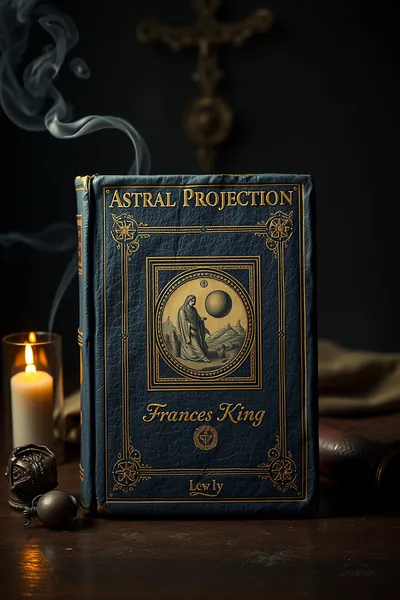
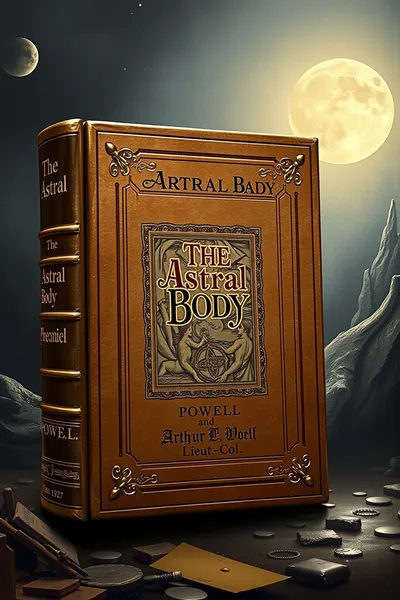
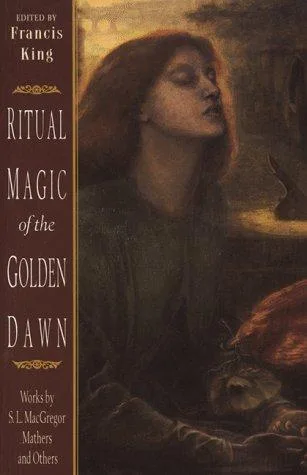
Moving beyond introductory concepts, Arthur E. Powell's 'The Astral Body and other astral phenomena' (1927) delves deeper into the structure and inhabitants of the astral plane, building on earlier Theosophical frameworks. Francis King's 'Astral Projection Ritual Magic and Alchemy' (1987) connects OBEs with broader magical traditions, referencing Golden Dawn material. Robert Peterson's 'Out-of-Body Experiences' offers a more clinical and research-oriented perspective. Jurgen Ziewe's 'Multidimensional Man' explores advanced concepts of consciousness and reality beyond the physical.
Classical / Advanced Texts
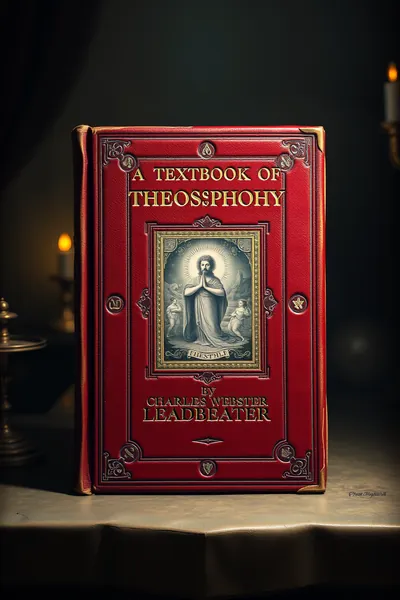
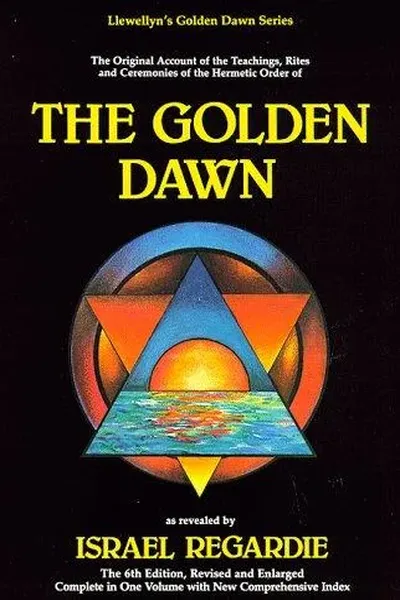
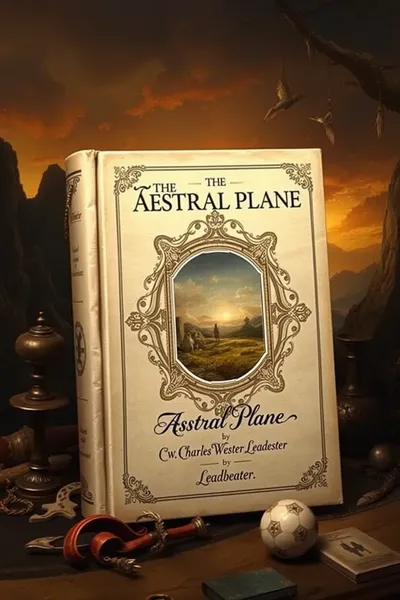
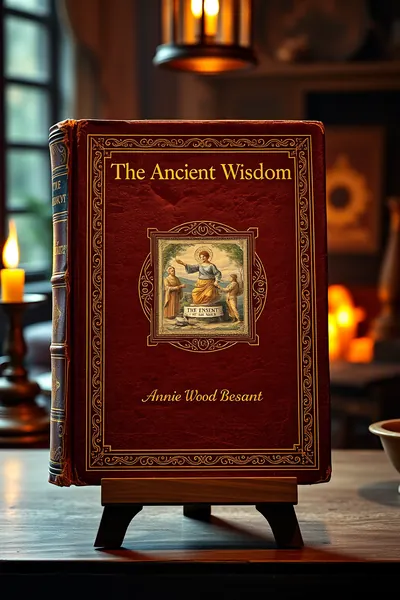
Classical texts provide the bedrock for understanding astral projection within its historical context. C. W. Leadbeater's 'The Astral Plane' (1900) is an important work detailing the geography and denizens of this non-physical realm. Annie Besant's 'The Ancient Wisdom' (1897) contextualizes astral phenomena within broader Theosophical teachings. The foundational material from the Golden Dawn, as compiled in works like Israel Regardie's 'The Golden Dawn' and S. L. MacGregor Mathers' 'Astral projection, Ritual Magic and Alchemy', offers advanced esoteric techniques and theoretical underpinnings.
Reading Order — Step by Step
Begin with foundational, accessible narratives like Robert A. Monroe's 'Journeys Out of the Body' (Month 1, Weeks 1-2) to grasp the concept. Progress to practical guides such as Ophiel's 'The Art and Practice of Astral Projection' (Month 1, Weeks 3-4) for initial techniques. In Month 2, explore deeper theoretical frameworks with C. W. Leadbeater's 'The Astral Plane' and Arthur E. Powell's 'The Astral Body'. Month 3 can be dedicated to advanced or related magical texts like Francis King's 'Astral Projection Ritual Magic and Alchemy' or the Golden Dawn materials, alongside personal experimentation.
Frequently Asked Questions
Which astral projection book should I read first?
For a beginner, Robert A. Monroe's 'Journeys Out of the Body' is highly recommended due to its accessible narrative style and detailed personal experiences, making the concept of astral projection easier to grasp.
Are astral projection and lucid dreaming the same?
While both involve altered states of consciousness, lucid dreaming occurs within a dream state where awareness is heightened, whereas astral projection is typically described as a distinct separation of consciousness from the physical body into a different plane of existence.
Is astral projection dangerous?
Most practitioners and texts, like those by Leadbeater or Monroe, suggest that astral projection is not inherently dangerous, especially if undertaken with clear intention and awareness. Concerns often revolve around disorientation or fear, rather than physical harm.
What is the role of the Silver Cord?
The Silver Cord is described in esoteric literature as an energetic tether connecting the astral body to the physical body during out-of-body experiences. It is believed to ensure a safe return and only severs at the point of physical death.
Can anyone learn astral projection?
Many authors, including Ophiel, suggest that astral projection is a skill that can be developed through consistent practice, relaxation techniques, and focused intention. While some individuals may find it easier, the potential is considered accessible to most.
What are the main differences between Theosophical and modern approaches to astral projection?
Theosophical texts like Leadbeater's focus on the cosmology, inhabitants, and hierarchical structure of the astral plane. Modern approaches, exemplified by Monroe, often emphasize personal experience, practical techniques for inducing OBEs, and psychological integration.
How do Golden Dawn texts relate to astral projection?
Golden Dawn traditions, as detailed in works by Mathers and Regardie, incorporate astral projection as a component of ritual magic and spiritual development, often linking it with ceremonial practices and specific symbolic systems.
What is the purpose of astral projection?
Purposes vary widely, from spiritual exploration and self-discovery to gaining knowledge, experiencing different realities, or understanding the nature of consciousness beyond the physical form, as explored in texts like 'Multidimensional Man'.