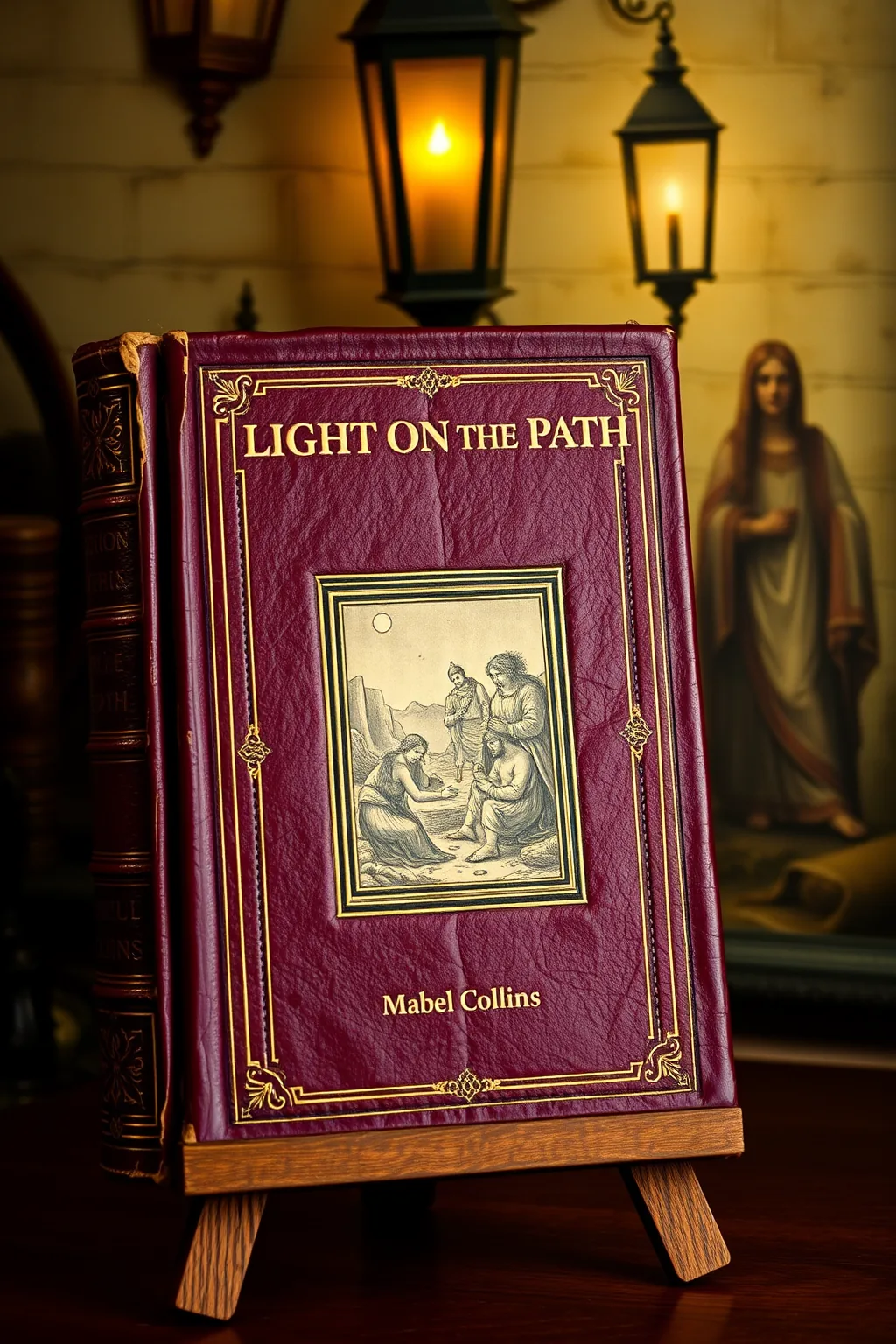
Light On The Path, and Through the Gates of Gold
 84
84

Light On The Path, and Through the Gates of Gold



Celeste Moreau (Divination & Symbolism Reviewer) — Mabel Collins’ 'Light On The Path, and Through the Gates of Gold' remains a cornerstone of practical esoteric literature. These slender volumes offer piercing insights into the mechanics of spiritual discipline and the symbolic nature of inner initiation. Collins eschews elaborate jargon for a direct, almost ascetic, style that compels introspection. The precepts in 'Light On The Path' are stark warnings and directives, demanding a rigorous ethical and mental purification. 'Through the Gates of Gold' masterfully translates the arduous journey beyond the self into potent allegorical imagery. This work is not for the casual reader, but for the dedicated seeker willing to confront their own limitations and embrace the profound challenges of spiritual awakening. Its enduring power lies in its uncompromised guidance towards true inner transformation.
📝 Description
84
Mabel Collins published 'Light On The Path' in 1885, a stark guide to self-realization.
Mabel Collins' dual text, 'Light On The Path, and Through the Gates of Gold,' first appeared in the late 19th century. 'Light On The Path' presents direct instructions for spiritual discipline. It uses aphorisms to guide the reader toward mental clarity and resilience against material distractions. This section requires careful study and commitment.
Following this, 'Through the Gates of Gold' describes the symbolic journey of spiritual initiation. It details the challenges and transitions an aspirant faces when moving beyond ordinary existence toward an inner spiritual space. The text examines the psychological aspects of this process, highlighting symbolic thresholds and the spiritual forces that assess the aspirant's sincerity. Collins' writing, though concise, conveys deep spiritual insight, connecting with enduring mystical and occult ideas. This compilation is for those desiring a practical, transformational spiritual engagement rather than just intellectual knowledge. It provides a demanding guide for inner exploration and the development of one's spiritual potential.
This work emerged from the Theosophical milieu of the late Victorian era, a period of intense interest in Eastern religions and Western occultism. Collins' writings, particularly 'Light On The Path,' became influential within esoteric circles for their direct, almost ascetic, approach to spiritual development. They drew upon and contributed to a broader revival of Neoplatonic and Gnostic ideas, filtered through a modern lens. The book addresses the challenges of the spiritual path in a way that resonated with individuals seeking practical application of esoteric principles beyond academic study.
✍️ Author
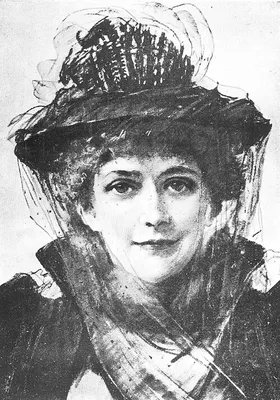
Mabel Collins
Mabel Collins (1851-1927) was a British author, occultist, and anti-vivisectionist, active in the Theosophical Society.
Theosophist
💡 Why Read This Book?
Embark on a journey of profound self-discovery with 'Light On The Path, and Through the Gates of Gold.' This collection offers a direct, unvarnished path to spiritual discipline and self-mastery. Ideal for dedicated seekers, students of occult philosophy, and practitioners seeking to deepen their contemplative practices, it provides essential guidance for navigating the trials and thresholds of inner awakening.
⭐ Reader Reviews
Honest opinions from readers who have explored this book.
❓ Frequently Asked Questions
What is the primary focus of 'Light On The Path'?
'Light On The Path' focuses on cultivating rigorous inner discipline, mental clarity, and ethical purity through concise, directive precepts. It serves as a practical guide for self-purification and spiritual preparedness.
What does 'Through the Gates of Gold' explore?
'Through the Gates of Gold' delves into the symbolic experiences and trials encountered when crossing thresholds into higher spiritual states. It explores the nature of initiation and the inner battles faced by the seeker.
Who is the intended audience for these works?
These works are intended for serious spiritual seekers, students of mysticism, occultists, and anyone committed to a path of inner transformation and self-realization.
Are these books easy to read?
While the language is clear, the concepts presented require deep contemplation and introspection. They are designed to be studied, not merely read passively, offering profound insights through mindful engagement.
What is the relationship between the two texts?
They are presented as a complementary pair. 'Light On The Path' provides the foundational discipline, while 'Through the Gates of Gold' outlines the subsequent transformative experiences and challenges on the spiritual journey.
🔮 Key Themes & Symbolism
The Discipline of the Way
This theme expresses the core tenets of 'Light On The Path,' emphasizing the necessity of unwavering self-control, ethical rectitude, and mental purification. It details the arduous yet essential process of shedding egoic limitations and cultivating a focused will. The text presents a series of stark imperatives designed to forge the aspirant's character, transforming desires and impulses into tools for spiritual ascent. It highlights the importance of detachment, the dangers of illusion, and the cultivation of inner strength as prerequisites for progressing on the sacred path.
Working through the Inner Thresholds
Exploring 'Through the Gates of Gold,' this theme focuses on the symbolic representation of spiritual initiation. It describes the transitional phases and profound challenges encountered as the seeker moves from the familiar world of the senses into subtler domains of consciousness. The 'Gates of Gold' represent points of profound transformation where the individual must prove their worthiness and purity of intent. This theme examines the psychological and spiritual guardians, the tests of courage, and the ultimate unveiling of inner truths that await those who dare to cross these sacred thresholds.
The Unveiling of True Self
This overarching theme unites both texts, highlighting the ultimate goal of the spiritual journey: the realization and embodiment of the true, divine self. It speaks to the process of inner awakening, where the veils of illusion are systematically lifted, revealing the eternal essence within. The books guide the reader away from external seeking towards an internal discovery, emphasizing that the 'Light' and the 'Gold' are not external rewards, but inherent potentials waiting to be recognized and actualized through diligent practice and profound inner transformation.
💬 Memorable Quotes
Direct passages from the work, attributed to the author.
“The path is narrow, and the way is steep.”
— This highlights the difficulty and demanding nature of the spiritual journey, requiring perseverance and commitment to overcome obstacles.
“You must learn to walk alone.”
— This underscores the solitary nature of true spiritual progress, emphasizing self-reliance and the internal journey beyond external support.
“The gates of gold swing inward.”
— Symbolizing successful initiation, this suggests that inner spiritual realms are accessed through internal means and alignment, not external force.
“Purify your heart, and you shall see.”
— This points to the necessity of emotional and ethical purity as a prerequisite for spiritual perception and understanding.
💡 Key Ideas
Editorial paraphrase of the work's core concepts — not direct quotes.
Look for the light, and it will be there.
This quote emphasizes the principle of spiritual seeking; the divine or inner truth is accessible if one actively and sincerely looks for it.
🌙 Esoteric Significance
Tradition
These works are deeply rooted in the Western Esoteric Tradition, particularly influenced by Neoplatonism, Hermeticism, and the nascent Theosophical movement. They emphasize the journey of the soul towards divine union, the importance of ethical conduct and mental discipline as prerequisites for spiritual insight, and the existence of subtle planes of reality accessible through inner development. The texts offer a practical, almost ascetic, interpretation of these traditions, focusing on the individual's direct experience and inner work.
Symbolism
Collins employs potent, archetypal symbolism. 'Light' signifies divine knowledge, consciousness, and spiritual awakening, while the 'Path' represents the arduous journey of transformation. The 'Gates of Gold' are symbolic thresholds of initiation, representing profound transitions into higher states of being. The 'trials' and 'guardians' represent internal obstacles and the tests of character the aspirant must overcome. The texts use the metaphor of a journey to map the inner landscape and the stages of spiritual evolution.
Modern Relevance
In an age often characterized by distraction and superficiality, Collins' call for rigorous self-discipline and deep introspection is profoundly relevant. 'Light On The Path, and Through the Gates of Gold' offers timeless wisdom for working through the complexities of modern life by focusing on the cultivation of inner resilience, clarity, and purpose. Its emphasis on direct spiritual experience and ethical integrity continues to resonate with individuals seeking authentic meaning and a deeper connection to their inner selves.
👥 Who Should Read This Book
This important work is essential for dedicated spiritual seekers eager to start or deepen their inner journey. Students of mysticism, occult philosophy, and comparative religion will find its concise wisdom invaluable. Practitioners of meditation, yoga, and contemplative prayer will benefit from its practical guidance on discipline and overcoming mental obstacles. Scholars of esoteric history will appreciate its place within the late 19th-century spiritual revival. For those seeking a challenging yet rewarding path to self-mastery and spiritual awakening, Collins’ words offer a powerful and enduring compass.
📜 Historical Context
Mabel Collins penned 'Light On The Path' and 'Through the Gates of Gold' during the late 19th century, a period of intense spiritual and intellectual ferment. This era witnessed a resurgence of interest in Eastern religions, theosophy, and esoteric philosophies, often as a reaction against the materialism and rigid rationalism of Victorian society. Theosophical societies, founded by figures like Helena Blavatsky, were gaining traction, promoting the idea of a universal spiritual wisdom underlying all religions. Collins' work emerged within this milieu, offering a more personal and intensely focused approach to spiritual practice. Her concise, aphoristic style resonated with a readership seeking practical guidance for inner transformation, distinct from more academic or dogmatic presentations of spirituality. The books quickly became influential within occult and mystical circles, shaping the discourse on spiritual discipline and the nature of inner attainment for generations of seekers.
📔 Journal Prompts
Reflect on a recent moment where you felt drawn towards a higher purpose. What did that feel like, and what obstacles did you perceive?
Identify one 'illusion' of the material world that currently holds sway over your thoughts or actions. How can you begin to detach from it?
Consider the concept of 'inner guardians' or tests in your life. What aspects of your character are being challenged, and how are you responding?
Describe a metaphorical 'gate' you have passed through in your life that represented a significant personal transformation. What did you learn?
If 'light' represents spiritual understanding, how can you actively seek and cultivate more of it in your daily life, beyond passive observation?
🗂️ Glossary
Aspirant
An individual actively seeking spiritual knowledge or enlightenment; one who starts the spiritual path with earnest intention and dedication.
Illusion
In an esoteric context, refers to false perceptions or attachments to the material world or the ego that obscure spiritual reality and truth.
Threshold
A symbolic point of transition or initiation, marking the passage from one state of consciousness or spiritual plane to another.
Self-realization
The ultimate goal of many spiritual paths; the recognition and embodiment of one's true, divine nature, transcending the limited ego.
Disciple
One who follows the teachings of a master or a spiritual path; a dedicated student committed to learning and practice.
This book appears in 2 collections
🔮 Readers Also Liked
Browse all →




More by Mabel Collins
All books →

From the “Meditation” Collection
View all →




More Free Mysticism & Contemplation Books
View all →