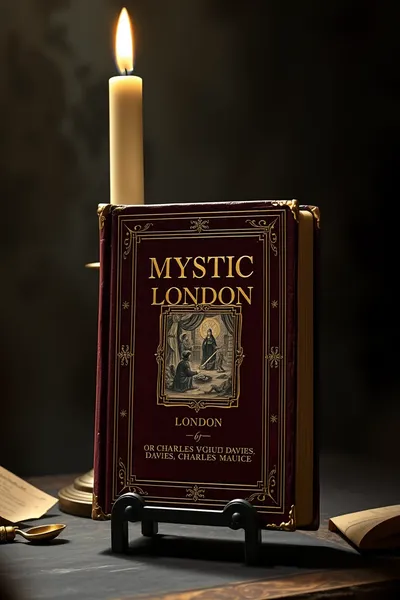
The Ascetical Homilies of Mar Isaac of Nineveh

 84
84

The Ascetical Homilies of Mar Isaac of Nineveh
Mar Isaac of Nineveh’s Ascetical Homilies, as rendered by Paul Bedjan, offers a stark, unvarnished look at the disciplined pursuit of spiritual purity. Bedjan’s meticulous translation, first appearing in the late 19th century, brings forth Isaac’s unyielding focus on the inner life. The text is particularly potent in its detailed cataloging of internal struggles and the rigorous mental and spiritual disciplines required to overcome them. One finds striking clarity in Isaac’s descriptions of the ‘passions’ that afflict the soul and his prescriptions for their eradication. However, the sheer austerity and relentless focus on self-mortification, while historically significant, can present a formidable barrier for contemporary readers accustomed to more psychological or emotionally-attuned approaches to spirituality. The strength lies in its uncompromised commitment to radical transformation; its limitation is the demanding nature of its spiritual regimen. For those seeking the bedrock of Eastern Christian asceticism, this work is an essential, albeit challenging, encounter.
📝 Description
84
Paul Bedjan compiled Mar Isaac of Nineveh's teachings on the inner life in 1896.
The Ascetical Homilies of Mar Isaac of Nineveh collects teachings on Christian monasticism and the spiritual discipline of the ascetic. Paul Bedjan translated these Syriac texts, presenting direct instruction from a 7th-century writer in the Church of the East. The homilies detail methods for spiritual purity, overcoming passions, and achieving union with God through self-examination and prayer.
This work functions as a guide for those pursuing a deeper spiritual existence, drawing on early Church contemplative traditions. It is suited for students of Christian mysticism and ascetical theology, as well as scholars of Syriac literature and monastic history. Individuals dedicated to a disciplined spiritual path will find substantial direction here, offering insight into the Eastern Christian approach to spiritual perfection.
Mar Isaac of Nineveh wrote during a period of significant theological development in the 7th-century Persian Empire. His thought connects to the Desert Father traditions and foreshadows later Eastern Orthodox hesychastic practices. This places him as a figure bridging early asceticism with more developed contemplative methods. His homilies engage with concepts like self-emptying (*kenosis*), mental vigilance (*nepsis*), and the role of divine grace, central to many mystical traditions.
💡 Why Read This Book?
• Gain insight into the 7th-century Syriac Christian understanding of spiritual warfare and the rigorous practices advocated by Mar Isaac of Nineveh to combat demonic temptations, offering a unique historical perspective on ascetical discipline. • Understand the concept of *kenosis* (self-emptying) as a practical method for spiritual purification, as detailed in Isaac's homilies, providing a concrete framework for self-abnegation and divine union. • Explore the role of *compunction* (sorrow for sin) as a vital spiritual tool for repentance and growth, a central theme in Isaac's teachings that offers a distinct approach to cultivating humility and divine awareness.
⭐ Reader Reviews
Honest opinions from readers who have explored this book.
❓ Frequently Asked Questions
What is the original language of Mar Isaac of Nineveh's Ascetical Homilies?
The original language of Mar Isaac of Nineveh's writings, including the Ascetical Homilies, is Syriac. Paul Bedjan's work is a translation from this ancient Semitic language, making these texts accessible to scholars and practitioners worldwide.
Who was Mar Isaac of Nineveh?
Mar Isaac of Nineveh was a prominent 7th-century bishop and theologian of the Church of the East. He is renowned for his extensive writings on asceticism, monasticism, and the spiritual life, deeply influencing Eastern Christian contemplative traditions.
What is the historical significance of Paul Bedjan's translation?
Paul Bedjan, a 19th-century Lazarist missionary, undertook the monumental task of collecting and translating Syriac manuscripts. His 1896 edition of Mar Isaac's Homilies was instrumental in bringing these important ascetic texts to the attention of Western scholarship and the broader public.
What are the 'passions' discussed by Mar Isaac?
In Mar Isaac's context, 'passions' (Greek: *pathē*) refer to disordered desires, sinful inclinations, and negative emotional states that impede spiritual progress. He details their origins and prescribes methods for their purification through ascetic practice and prayer.
Is this book suitable for beginners in Christian spirituality?
While rich in spiritual wisdom, the Ascetical Homilies are quite demanding and assume a serious commitment to ascetic practice. Beginners might find other introductory texts on Christian prayer or contemplation more accessible before engaging with Isaac's rigorous teachings.
Where does Mar Isaac of Nineveh fit within Christian monastic traditions?
Mar Isaac is a key figure in the Syriac monastic tradition, which shares roots with the Desert Fathers of Egypt. His work bridges early asceticism with later developments in Eastern Orthodox hesychasm, emphasizing contemplative prayer and the purification of the heart.
🔮 Key Themes & Symbolism
Spiritual Warfare and Vigilance
The homilies meticulously detail the constant struggle against demonic influences and internal passions. Mar Isaac emphasizes the necessity of unceasing vigilance over one's thoughts and desires, seeing the mind as a battlefield. He provides practical strategies for recognizing and repelling temptations, advocating for prayer and detachment as primary weapons. This theme underscores the active, disciplined nature of spiritual life in the 7th-century Syriac tradition, where passivity is seen as an invitation to spiritual defeat.
The Path of Compunction and Sorrow
A central tenet is the salvific power of *compunction*, a deep sorrow for sin and separation from God. Mar Isaac presents this not as morbid despair but as a purifying agent that softens the heart, fosters humility, and opens the soul to divine grace. This state of holy mourning is crucial for repentance and the dismantling of pride, a key obstacle to spiritual progress. The text guides the reader toward cultivating this affective state through prayer and remembrance of mortality.
Purification of the Heart
The ultimate aim of ascetic practice, according to Mar Isaac, is the purification of the heart (*kardia*). This involves cleansing the inner faculties from the stain of sin and disordered affections, preparing the soul to receive divine illumination. The homilies expound on various methods—prayer, fasting, solitude, and self-denial—all directed towards achieving a state of inner stillness and receptivity. A pure heart, Isaac argues, is capable of beholding God and experiencing union with the divine.
Asceticism as Divine Union
Mar Isaac frames asceticism not merely as self-denial but as a path leading to *theosis*—deification or union with God. Through rigorous discipline and the purification of passions, the ascetic progressively sheds the limitations of the fallen self, allowing divine grace to transform them. This process is depicted as a journey of increasing spiritual awareness and intimacy with the divine, culminating in a state of profound peace and spiritual knowledge.
💬 Memorable Quotes
Direct passages from the work, attributed to the author.
“The soul that is constantly vigilant and prayerful is like a fortified city, inaccessible to the enemy.”
— This analogy highlights Mar Isaac's emphasis on active spiritual defense. True spiritual security comes not from passive faith but from continuous mental prayer and awareness, creating an inner fortress against negative influences.
“Sorrow for sin purifies the heart more than a thousand prayers.”
— This statement underscores the profound value Isaac places on genuine repentance and contrition. It suggests that an affective sorrow, born from recognizing one's separation from God, possesses a unique power to cleanse and transform the inner self.
“Empty yourself of all worldly thoughts, and the Holy Spirit will fill you.”
— This captures the essence of *kenosis* or self-emptying. Mar Isaac teaches that spiritual fullness is achieved by consciously releasing attachments and distractions, creating space within the soul for divine presence and action.
“The mind that wanders is prey to demons.”
— This concisely illustrates the dangers of unfocused thought. Isaac warns that a distracted mind becomes vulnerable, easily infiltrated by negative or demonic suggestions, thus necessitating constant mental discipline.
“Seek the kingdom of God within your own heart.”
— This points to the internal nature of spiritual realization. Mar Isaac directs the seeker's attention inward, suggesting that the divine presence and ultimate spiritual fulfillment are found not in external pursuits but within the purified inner self.
🌙 Esoteric Significance
Tradition
Mar Isaac's work is firmly rooted in the Syriac Christian ascetical tradition, a significant branch of early Christian mysticism. While not typically categorized under modern Western esoteric labels like Hermeticism or Kabbalah, its emphasis on inner transformation, the purification of the mind, and the direct experience of the divine places it within the broader spectrum of contemplative and mystical paths. It represents a potent expression of the pursuit of *theosis* (deification) through rigorous self-discipline and divine grace, a core aspiration in many esoteric traditions seeking spiritual perfection.
Symbolism
Key symbols in Isaac's thought include the 'fortified city' representing the disciplined mind, impenetrable to demonic influence when fortified by prayer and vigilance. The 'inner desert' symbolizes the solitary, purified space within the soul where direct communion with God occurs, stripped of worldly distractions. Tears of compunction are symbolic of the cleansing waters that wash away the soul's impurities, preparing it for divine indwelling.
Modern Relevance
Contemporary spiritual seekers, particularly those interested in Orthodox Christianity, contemplative prayer, and the history of mysticism, draw significantly from Mar Isaac. His practical advice on mental discipline and overcoming inner obstacles speaks to modern mindfulness and psychological approaches to spiritual growth. Thinkers and practitioners exploring the depths of Christian asceticism, seeking an alternative to more superficial spiritualities, often turn to Isaac's uncompromised teachings on the transformative power of self-emptying and inner purification.
👥 Who Should Read This Book
• Students of early Christian monasticism and Syriac literature seeking primary source material on the ascetic life and contemplative practices of the 7th century. • Individuals committed to rigorous spiritual discipline and self-examination, looking for detailed guidance on overcoming inner passions and cultivating virtues. • Scholars of comparative mysticism and religious history interested in the development of Eastern Christian spirituality and its unique approaches to achieving divine union.
📜 Historical Context
Mar Isaac of Nineveh's Ascetical Homilies emerged from the vibrant intellectual and spiritual milieu of the Church of the East in the 7th century CE, a period marked by significant monastic flourishing within the Sasanian Empire. His writings contributed to a rich tradition of Syriac Christian literature, engaging with earlier ascetic masters like Evagrius Ponticus and the Desert Fathers. While not directly engaging with Hellenistic philosophy in the same way as some Alexandrian theologians, Isaac's focus on the interior life and the purification of the passions positioned his work within a broader, pan-Mediterranean discourse on Christian contemplation. His teachings were foundational for later developments in Eastern Orthodox spirituality, particularly hesychasm. The modern accessibility of his work owes much to scholars like Paul Bedjan, whose 1896 edition, later reissued, was a crucial contribution to Syriac studies and the dissemination of these profound ascetic texts.
📔 Journal Prompts
The fortified city of the vigilant mind: How can constant prayer fortify your inner life against distractions?
Reflect on the concept of *compunction* as a purifying sorrow for spiritual growth.
The inner desert: What worldly thoughts must be emptied to create space for divine presence?
Mar Isaac's teachings on spiritual warfare: Identify one recurring inner struggle and strategize its defense through prayer.
The goal of *theosis*: How does self-emptying through ascetic practice lead toward divine union?
🗂️ Glossary
Asceticism
A spiritual discipline involving rigorous self-denial, prayer, fasting, and other practices undertaken to achieve spiritual purity, self-mastery, and closer union with the divine.
Compunction
A state of deep sorrow or regret, particularly for sins committed, seen in Mar Isaac's work as a vital catalyst for repentance, humility, and spiritual purification.
Kenosis
Greek for 'emptying.' In Christian theology, it refers to Christ's self-emptying in his incarnation and earthly ministry, and by extension, the ascetic's practice of self-abnegation to make room for God.
Passions (Pathē)
Disordered desires, sinful inclinations, and negative emotional states (e.g., anger, lust, pride) that afflict the human soul and hinder spiritual progress.
Theosis
A core concept in Eastern Christianity, meaning 'deification' or 'union with God.' It is the ultimate goal of the spiritual life, achieved through grace and human cooperation.
Vigilance (Nepsis)
A state of constant watchfulness and awareness, particularly concerning one's thoughts and inner state, essential for preventing spiritual attack and maintaining purity of heart.
Syriac Christianity
An ancient tradition of Christianity that developed in regions where Aramaic (Syriac) was spoken, particularly Edessa and the Near East. It has a distinct theological and liturgical heritage.
🔮 Readers Also Liked
Browse all →






More Free Mysticism & Contemplation Books
View all →