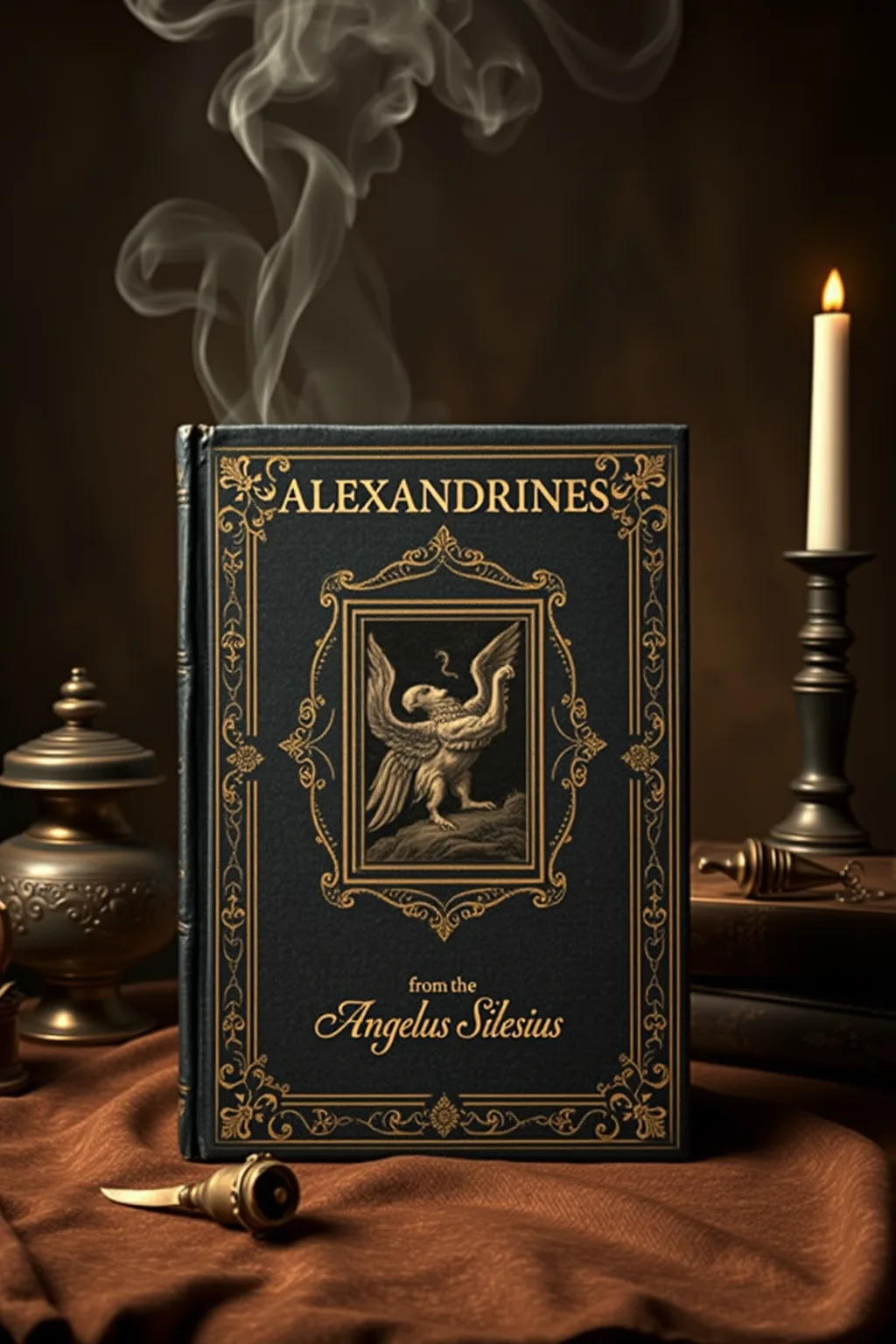
Alexandrines from The Cherubinic Pilgrim
 74
74

Alexandrines from The Cherubinic Pilgrim



Sophia Crane (Associate Editor) — Alexandrines from The Cherubinic Pilgrim is a rare gem, offering a distilled essence of Angelus Silesius's profound mystical teachings. Julia Bilger's selection and translation into the alexandrine form imbue these spiritual aphorisms with a captivating gravitas, preserving their original power while enhancing their lyrical flow. Silesius’s genius for paradoxical expression and his deep understanding of the soul's journey are brilliantly showcased. This volume is indispensable for serious students of Christian mysticism and esoteric philosophy, providing direct access to an alchemical path toward divine union. Its concise, potent verses resonate deeply, offering immediate spiritual nourishment and prompting profound introspection for the dedicated seeker.
📝 Description
74
Angelus Silesius published 'Cherubinic Pilgrim' in 1653, featuring these alexandrine verses.
This collection presents verses from Angelus Silesius's 'Cherubinic Pilgrim', written in the alexandrine meter. The poems focus on Baroque mysticism, aiming to diminish the ego and uncover the divine within. Each rhyming couplet is structured to lead the reader through the inner self toward unity with the Absolute. Silesius employs paradox and spiritual understanding to transmit Gnostic ideas. The text encourages a move beyond ordinary experience toward the ineffable. It acts as a reflection of the reader's own divine qualities and a guide for spiritual change. The verses are suited for those interested in spiritual awakening and inner transformation.
Angelus Silesius, a key figure in 17th-century German Baroque mysticism, wrote 'The Cherubinic Pilgrim' within a tradition that sought direct experience of the divine, often drawing on Neoplatonic and Gnostic ideas. His work emphasizes the concept of the Godhead's presence within the individual soul and the dissolution of the self to realize this immanence. This aligns with contemplative practices across various esoteric traditions that focus on inner transformation and the union of the soul with the divine principle. The use of paradox is a common method in such writings to point beyond ordinary understanding.
✍️ Author
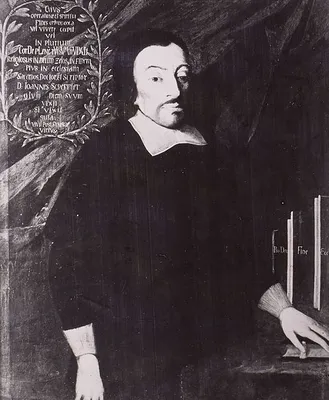
Angelus Silesius
Angelus Silesius (c. 1624–1677) was a German Catholic priest, physician, mystic, and religious poet.
Mystic
💡 Why Read This Book?
Uncover the direct path to divine union through Silesius's alchemical verses, presented in a captivating meter. This book offers profound contemplative insights, hidden knowledge, and a powerful tool for spiritual transformation. Ideal for seekers of ultimate truth, scholars of mysticism, and practitioners dedicated to the inner life.
⭐ Reader Reviews
Honest opinions from readers who have explored this book.
❓ Frequently Asked Questions
What is the significance of the alexandrine meter in this work?
The alexandrine meter, with its six-foot rhymed couplets, lends a formal, stately, and memorable quality to Silesius's profound spiritual insights, enhancing their meditative and incantatory power for the reader.
Who was Angelus Silesius?
Angelus Silesius (born Johannes Scheffler) was a German mystic, physician, and poet of the Baroque era, renowned for his mystical poetry and his profound influence on German spirituality.
Is this a complete translation of The Cherubinic Pilgrim?
No, this is a curated selection and abridgement, focusing on the most potent and thematically rich verses, presented in the alexandrine form.
What kind of spiritual path does Silesius advocate?
Silesius advocates for an inward, mystical path characterized by self-annihilation, divine love, and the direct apprehension of God within the soul.
Can beginners understand this work?
While the depth of Silesius's thought is immense, the poetic form and curated nature of this edition make it accessible to earnest beginners willing to engage with contemplative practice and open hearts.
🔮 Key Themes & Symbolism
The Divine Within
This theme explores the core of Silesius's teaching: the inherent divinity residing within every human soul. It emphasizes the dissolution of the ego and the recognition of God not as an external entity, but as the very essence of one's being. The verses guide the reader to shed illusions of separation and to realize the immanent presence of the Absolute, transforming the inner landscape into a sacred dwelling place for the divine.
Spiritual Alchemy and Transformation
Silesius presents a path of inner alchemy, where the soul is purified and transmuted through intense contemplation, divine love, and self-renunciation. This process involves burning away the dross of worldly attachments and misconceptions to reveal the pure gold of spiritual realization. The alexandrines act as catalysts, initiating this transformative process by challenging the intellect and awakening the heart to its divine potential.
The Paradox of Union
A central theme is the paradoxical nature of union with God—achieved through emptying oneself, finding God in the nothingness, and experiencing the divine not through striving but through surrender. Silesius masterfully employs paradox to dismantle conventional understanding and open the mind to truths that transcend rational comprehension, leading the soul to a state of blissful unity.
💬 Memorable Quotes
Direct passages from the work, attributed to the author.
“I am God, and God is I.”
— A direct statement of the soul's essential unity with the Divine, transcending all notions of separation and duality.
“The rose is without 'why'; it blooms because it blooms.”
— Illustrates the spontaneous, unconditioned nature of divine existence and the spiritual path, free from rationalistic justification.
“If God were to cease to be, I would cease to be.”
— Highlights the absolute dependence of the self on God, revealing that true existence is found in this divine interconnectedness.
“Where God is, there is Heaven.”
— Suggests that the experience of divine presence, rather than a physical location, constitutes true heavenly bliss.
“The more I give myself away, the more I have.”
— A paradox of spiritual abundance, where true possession comes from selfless surrender and detachment from the ego.
🌙 Esoteric Significance
Tradition
Silesius's work is a core part of Christian mysticism, particularly within the lineage of Meister Eckhart and other Rhineland mystics. It shares profound affinities with Neoplatonic philosophy and Gnostic traditions, emphasizing the soul's divine origin, the illusion of material reality, and the direct, unmediated experience of the Absolute through inner contemplation and love.
Symbolism
Key symbols include the 'Cherubic Pilgrim' representing the soul striving for divine knowledge, the 'rose' symbolizing unconditioned being, and the 'eye' as the organ of spiritual perception. Light and darkness, emptiness and fullness, and the dissolution of the 'I' are potent symbols for the stages of spiritual realization and the paradoxical nature of divine union.
Modern Relevance
In an age of increasing secularism and mental distraction, Silesius's call to inner stillness and direct experience is profoundly relevant. His teachings offer a potent antidote to existential anxiety, providing a framework for cultivating mindfulness, self-awareness, and a deep connection to the sacred within. The emphasis on realizing the divine immanence speaks to contemporary seekers exploring interconnectedness and spiritual awakening.
👥 Who Should Read This Book
This collection is important for sincere seekers of spiritual truth, offering direct access to the heart of mystical Christianity. Scholars of comparative religion, philosophy, and literature will find its historical and textual significance compelling. Practitioners of meditation and contemplative prayer will discover potent verses to deepen their practice. Beginners eager to explore the esoteric dimensions of faith will find a profound yet accessible guide, provided they approach with an open heart and a willingness for introspection.
📜 Historical Context
Emerging from the tumultuous spiritual range of 17th-century Germany, a period marked by the Thirty Years' War and intense religious debates, Angelus Silesius's work offered a profound counterpoint of inner peace and divine union. His poetry, deeply rooted in Christian mysticism yet drawing from Neoplatonic and Gnostic traditions, provided solace and a path to transcendental experience. The Baroque era, with its emphasis on dramatic expression and the ephemeral nature of life, found a unique spiritual resonance in Silesius's concise, aphoristic verses. Der Cherubinische Wandersmann (The Cherubic Pilgrim), first published in 1657, became a seminal text for German Pietism and later influenced Romanticism and modern esoteric thought, offering a timeless exploration of the soul's quest for God.
📔 Journal Prompts
Reflect on a time you experienced a moment of profound unity or connection. What 'why' did you or did you not attach to it?
Consider the paradox: 'The more I give myself away, the more I have.' How can this be applied to material possessions, relationships, or your spiritual path?
If your true self is divine, what are the 'ego-illusions' that obscure this realization in your daily life?
How does the concept of 'Heaven' as a state of divine presence, rather than a place, change your perspective on your current reality?
Explore the idea of the 'rose without a why.' How can you cultivate more unconditioned being and spontaneous action in your life?
🗂️ Glossary
Alexandrine
A line of verse consisting of six metrical feet, typically iambic hexameter, often rhyming in couplets. It lends a stately and formal quality to poetry.
Cherubic
Pertaining to or characteristic of cherubim, often implying angelic wisdom, purity, or a desire for divine knowledge.
Mysticism
The pursuit of achieving communion with, identity with, or conscious awareness of an ultimate reality, divinity, or spiritual truth through direct experience, intuition, or insight.
Baroque
A style of European architecture, music, and art that flourished in the 17th and 18th centuries, characterized by ornate detail, dramatic intensity, and a sense of grandeur.
Absolute
In philosophy and theology, the ultimate, unconditioned reality or being, often understood as God or the fundamental principle of existence.
This book appears in 1 collection
🔮 Readers Also Liked
Browse all →




More by Angelus Silesius
All books →

From the “Christian Mysticism” Collection
View all →






More Free Mysticism & Contemplation Books
View all →