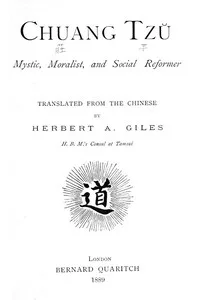
Chuang Tzu: Mystic, Moralist, and Social Reformer
 71
71

Chuang Tzu: Mystic, Moralist, and Social Reformer



Chuang Tzu: Mystic, Moralist, and Social Reformer is a treasure trove of esoteric wisdom that continues to inspire modern seekers. Zhuangzi's profound insights into the nature of reality, the self, and the universe are as relevant today as they were in ancient China. The book's exploration of mysticism and contemplation offers a unique perspective on ethics and social reform, making it a valuable resource for anyone interested in Chinese philosophy. The parables and anecdotes in the book are not only entertaining but also thought-provoking, encouraging readers to reflect on their own beliefs and values. For those seeking a deeper understanding of the esoteric traditions, this book is an essential read. It provides a rich tapestry of mystical teachings that can enrich one's spiritual journey. The book's historical context and cultural significance add depth to its content, making it a must-have for any serious student of philosophy.
📝 Description
71
Published in its current form around the 4th century BCE, Zhuangzi's text questions conventional reality.
Zhuangzi's writings present a unique approach to Taoist thought, diverging from earlier, more pragmatic texts. The book uses parables and allegories to illustrate its points, often featuring fantastical creatures and dreamlike scenarios. These stories serve to challenge the reader's assumptions about life, death, and the nature of knowledge. Zhuangzi advocates for a life lived in accordance with the Tao, the natural order of the universe, emphasizing spontaneity and detachment from worldly concerns. The text critiques rigid social structures and moral codes, suggesting that true freedom comes from understanding and accepting the flow of existence.
This work is not a systematic philosophical treatise but a collection of dialogues, anecdotes, and poetic passages. It encourages a shift in perspective, urging readers to see the world from a less anthropocentric viewpoint. The teachings touch upon themes of relativity, illusion, and the limitations of language. Ultimately, Zhuangzi invites a contemplation of emptiness and stillness as a means to achieve a more authentic and harmonious way of living.
The text is a core scripture within Taoism, an ancient Chinese tradition that seeks alignment with the Tao, or the Way. While often seen as philosophical, its emphasis on altered states of perception, the illusory nature of the mundane world, and the pursuit of inner transformation places it within esoteric traditions. It guides practitioners toward a state of effortless action and profound understanding, moving beyond conventional logic and societal norms toward a direct experience of reality.
✍️ Author
Zhuangzi
Zhuangzi was a Chinese philosopher and mystic of the 4th century BC, known for his Taoist teachings.
Mystic
💡 Why Read This Book?
Reading Chuang Tzu: Mystic, Moralist, and Social Reformer today offers a unique opportunity to connect with ancient wisdom that transcends time. This book provides insights into living in harmony with nature, the interconnectedness of all things, and the pursuit of inner tranquility. It challenges conventional wisdom and encourages readers to question societal norms and personal beliefs, fostering a deeper understanding of the self and the universe. For modern esoteric seekers, this book is a gateway to spiritual enlightenment and self-discovery.
⭐ Reader Reviews
Honest opinions from readers who have explored this book.
❓ Frequently Asked Questions
Who is Chuang Tzu and why is his work important?
Chuang Tzu, also known as Zhuangzi, was a Chinese philosopher and one of the founders of Taoism. His work is important because it offers profound insights into mysticism, ethics, and social reform, providing timeless wisdom that remains relevant today.
What themes does Chuang Tzu: Mystic, Moralist, and Social Reformer explore?
The book explores themes of mysticism, ethics, and social reform through the lens of Chuang Tzu's philosophy. It delves into the interconnectedness of all things, the pursuit of inner tranquility, and the importance of living in harmony with nature.
Is this book suitable for beginners in Chinese philosophy?
Yes, this book is suitable for beginners as well as advanced students of Chinese philosophy. It provides a comprehensive introduction to Chuang Tzu's teachings and offers deep insights that can enrich anyone's understanding of mysticism and ethics.
🔮 Key Themes & Symbolism
The Nature of Reality
Zhuangzi studies the mystical exploration of reality, questioning the boundaries between the physical and spiritual worlds. This theme invites readers to contemplate the fluid nature of existence and the interconnectedness of all things, providing a rich foundation for esoteric study.
Inner Peace and Harmony
The pursuit of inner peace and harmony is a central theme in 'Chuang Tzu: Mystic, Moralist, and Social Reformer'. Zhuangzi offers useful insights into the practice of meditation and self-cultivation, guiding readers towards a state of tranquil contemplation and spiritual enlightenment.
Ethics and Social Reform
Zhuangzi's teachings integrate moral ethics into the field of social reform, offering a unique perspective on how personal virtue can influence societal change. This theme is particularly relevant for those interested in the intersection of mysticism and practical ethics.
💬 Memorable Quotes
Direct passages from the work, attributed to the author.
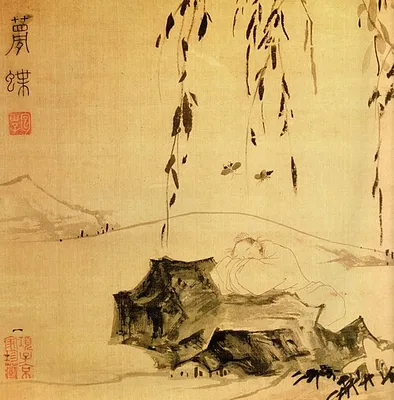
“The butterfly dream”
— A famous metaphor for the illusory nature of reality and the self.
“The perfect man employs his mind as a mirror.”
— Reflects the idea of maintaining a clear and unbiased perspective on life.
“Life is a tautology.”
— Suggests that life is its own justification and meaning.
“The sage has no fixed ideas.”
— Emphasizes the flexibility and adaptability of the enlightened mind.
💡 Key Ideas
Editorial paraphrase of the work's core concepts — not direct quotes.
Happiness is the absence of striving for happiness.
This quote emphasizes the importance of inner peace and contentment.
🌙 Esoteric Significance
Tradition
This book belongs to the Taoist tradition, which emphasizes living in harmony with the natural flow of the universe. It is rich in esoteric wisdom, providing insights into meditation, self-cultivation, and the interconnectedness of all things.
Symbolism
Key symbols include the butterfly dream, representing the fluid nature of reality and the self, and the idea of the 'perfect man' who lives in harmony with the Tao. These symbols offer deep layers of meaning for esoteric study.
Modern Relevance
Zhuangzi's teachings continue to inspire modern practitioners, offering insights into meditation, self-cultivation, and the interconnectedness of all things. Contemporary readers find relevance in his emphasis on inner peace, personal freedom, and living in harmony with nature.
👥 Who Should Read This Book
This book is ideal for beginners in Chinese philosophy who are seeking an introduction to Taoist mysticism. Scholars of philosophy and mysticism will find a wealth of esoteric insights and symbolism. Spiritual seekers and practitioners of contemplative disciplines will benefit from Zhuangzi's teachings on inner peace and harmony. Those interested in the intersection of ethics and social reform will also find valuable perspectives.
📜 Historical Context
Written during the Warring States period in ancient China, 'Chuang Tzu: Mystic, Moralist, and Social Reformer' emerged in a time of great political and social turmoil. Zhuangzi's teachings offered a counterpoint to the prevailing Confucian and Legalist ideologies, emphasizing personal freedom, spontaneity, and harmony with nature. This book's influence can be seen in various mystical and philosophical traditions, shaping the way Chinese thought developed over the centuries.
📔 Journal Prompts
Reflect on the concept of the butterfly dream and its implications for your understanding of reality.
How can you apply Zhuangzi's teachings on inner peace to your daily life?
Consider the idea of the 'perfect man' and how it relates to your own pursuit of harmony with nature.
Explore the symbolism of the Tao and its relevance to your spiritual journey.
Write about how Zhuangzi's insights on ethics and social reform can influence your actions in the world.
🗂️ Glossary
Tao
The natural flow of the universe, representing harmony and balance.
Wu Wei
The concept of effortless action, aligning with the natural flow of the Tao.
Perfect Man
An enlightened being who lives in harmony with the Tao, embodying wisdom and virtue.
Butterfly Dream
A famous metaphor in Zhuangzi's teachings, symbolizing the illusory nature of reality and the self.
Contemplative Life
A lifestyle dedicated to inner peace, spiritual growth, and the pursuit of enlightenment.
This book appears in 1 collection
🔮 Readers Also Liked
Browse all →



More by Zhuangzi
All books →


From the “Christian Mysticism” Collection
View all →



More Free Mysticism & Contemplation Books
View all →