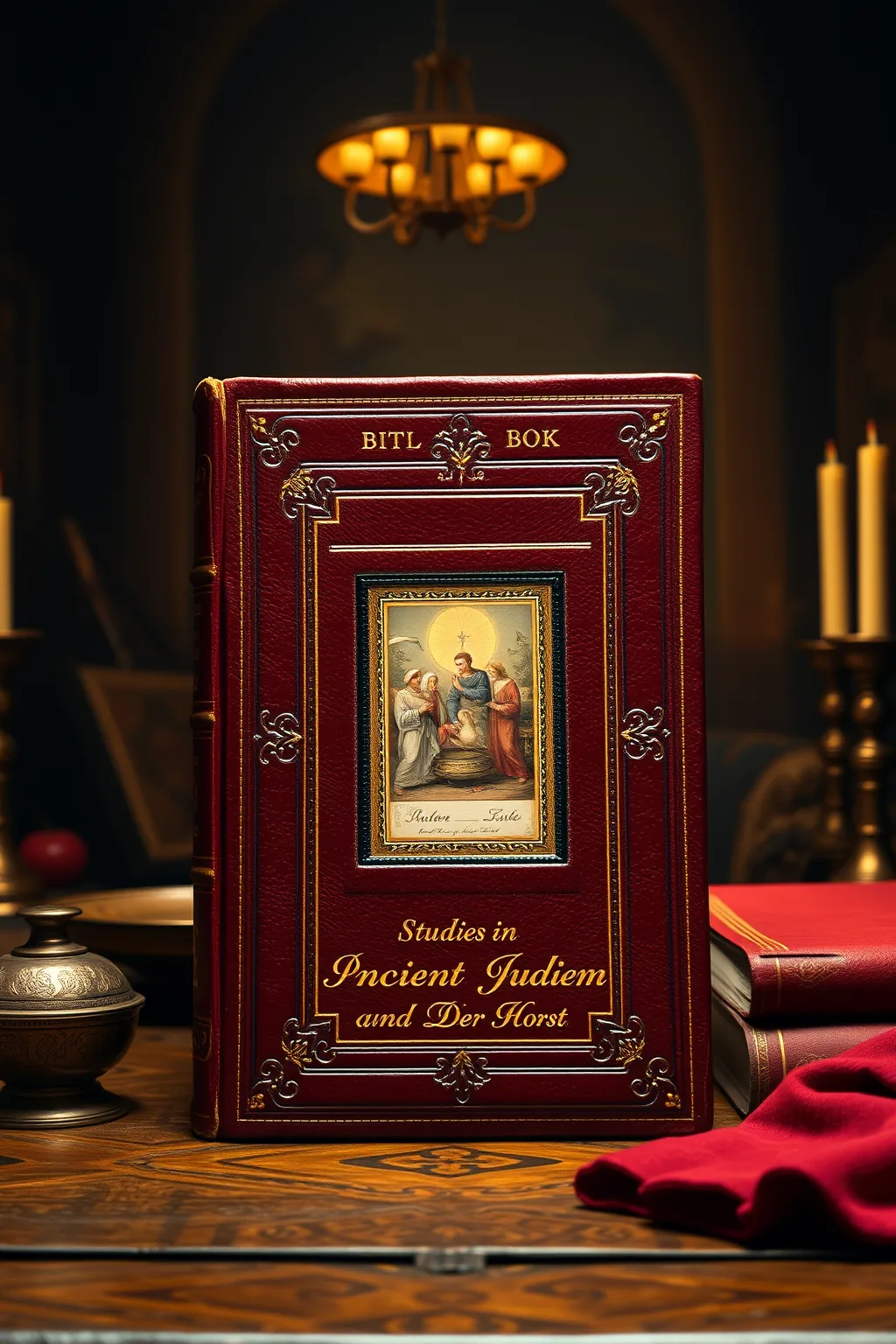
Studies in ancient Judaism and early Christianity
 62
62

Studies in ancient Judaism and early Christianity

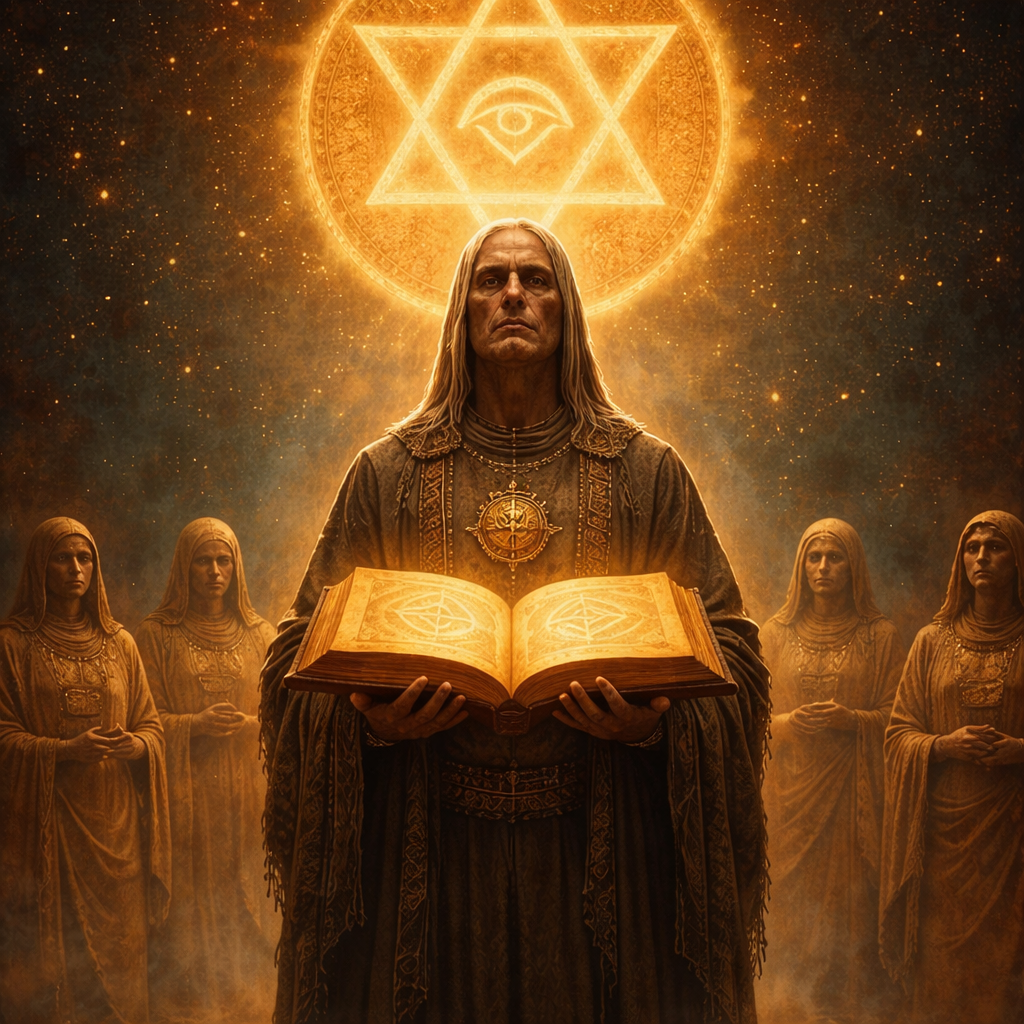

Lorelei Sage (Contemplative Literature Editor) — Pieter W. van der Horst's 'Studies in Ancient Judaism and Early Christianity' is an indispensable compendium for anyone traversing the esoteric lineage of Western thought. His scholarship, honed over forty-five years, offers unparalleled access to the mystical undercurrents of both traditions. The collected papers, particularly those addressing Jewish prayer culture and interpretative methodologies, reveal profound esoteric insights into divine communion and scriptural revelation. Van der Horst masterfully deciphers the symbolic language that bridged the material and the divine, making complex ideas accessible without sacrificing their inherent mystery. This work is a treasure for scholars, initiates, and all who seek to understand the spiritual bedrock upon which our modern world was built.
📝 Description
62
Unearth the hidden currents and profound spiritual dialogues that shaped the ancient world in 'Studies in Ancient Judaism and Early Christianity.' Pieter W. van der Horst meticulously excavates the fertile ground where Jewish mystical thought and nascent Christian esoteric traditions intertwined. This collection, a testament to decades of scholarly devotion, delves into the veiled symbolism, prayerful ecstasies, and interpretive keys that unlocked deeper spiritual realities for seekers of antiquity. Through the lens of Jewish epigraphy, biblical exegesis, and the vibrant diaspora experience, van der Horst illuminates the shared yearning for divine connection and the diverse pathways taken. This is not merely a historical account, but a portal to understanding the enduring quest for Gnosis, offering profound insights for those drawn to the mystical roots of Western spirituality. It is intended for the dedicated scholar, the earnest seeker of ancient wisdom, and anyone fascinated by the profound metaphysical underpinnings of religious evolution. The philosophical significance lies in its revelation of a shared spiritual cosmos, where the divine was actively sought and experienced through intricate ritual, sacred texts, and communal devotion.
✍️ Author
Pieter Willem van der Horst
Pieter Willem van der Horst (born 4 July 1946) is a scholar and university professor emeritus specializing in New Testament studies, Early Christian literature, and the Jewish and Hellenistic context of Early Christianity..
💡 Why Read This Book?
Delve into the mystical genesis of two foundational spiritual traditions. Uncover hidden interpretations of scripture, explore ancient prayer rituals as pathways to the divine, and witness the dynamic interplay between Jewish mysticism and early Christian thought. Ideal for seekers of esoteric knowledge, scholars of religion, and practitioners interested in the historical roots of spiritual disciplines.
⭐ Reader Reviews
Honest opinions from readers who have explored this book.
❓ Frequently Asked Questions
What specific Jewish mystical traditions are explored?
While not solely focused on Kabbalah, the book examines themes resonant with mystical thought, including interpretations of scripture that reveal deeper, symbolic meanings, and the contemplative aspects of ancient Jewish prayer culture, hinting at direct spiritual communion.
How does this book bridge Judaism and Early Christianity?
It explores the shared religious and intellectual landscape, highlighting how early Christian ideas were often rooted in or in dialogue with existing Jewish interpretive frameworks and mystical aspirations, revealing a complex spiritual continuity and divergence.
Is this book suitable for beginners in esoteric studies?
The book offers a scholarly yet accessible exploration. While it assumes some familiarity with historical context, its clear prose and focus on spiritual themes make it engaging for serious beginners eager to understand the origins of mystical thought.
What is the significance of Jewish epigraphy mentioned?
Jewish epigraphy provides tangible evidence of ancient Jewish life, beliefs, and practices, including funerary inscriptions and dedications, which can offer glimpses into their worldview and spiritual concerns, sometimes revealing subtle esoteric or devotional expressions.
Does the book discuss specific esoteric practices?
It focuses more on the intellectual and theological underpinnings of spiritual seeking. While not a manual of practices, it illuminates the prayerful and interpretive methods that constituted the 'practices' of the time, aiming for spiritual insight and divine connection.
🔮 Key Themes & Symbolism
The Mystical Interpretation of Scripture
This theme delves into the profound ways ancient Jews and early Christians approached sacred texts not just as historical accounts, but as living conduits of divine wisdom. It explores techniques of interpretation that unearthed hidden layers of meaning, allegorical significances, and symbolic resonances, revealing scripture as a blueprint for spiritual transformation and a source of esoteric knowledge about the divine realm and humanity's place within it.
The Art of Ancient Prayer and Contemplation
Here, the focus shifts to the lived experience of spiritual seeking. The book illuminates the sophisticated cultures of prayer and contemplation that characterized both ancient Judaism and early Christianity. It examines how communal liturgies and private meditations served as pathways to direct communion with the divine, exploring the psychological and spiritual states cultivated to achieve states of ecstatic insight and profound spiritual union.
The Diaspora's Spiritual Crucible
This theme highlights the crucial role of the Jewish diaspora in shaping and disseminating spiritual ideas. Living within diverse Hellenistic and Roman cultural contexts, Jewish communities developed unique interpretive traditions and mystical expressions, often in dialogue with other philosophical and religious systems. This section reveals how these interactions fostered a rich spiritual exchange, influencing the development of both Jewish mysticism and early Christian theology.
💬 Memorable Quotes
“The divine whispers secrets to the attentive soul.”
— This quote suggests that spiritual truth is not always overtly declared but is revealed through a receptive and focused inner state, implying a mystical encounter through heightened awareness.
“Scripture is a tapestry woven with divine intent.”
— This highlights the belief that biblical texts hold layers of meaning, intended to be deciphered through spiritual insight, revealing a profound cosmic order and divine purpose.
“Prayer is the bridge between the earthly and the celestial.”
“The seeker finds illumination in the ancient paths.”
— This speaks to the enduring relevance of historical spiritual traditions, suggesting that by studying and engaging with them, modern seekers can find profound spiritual understanding and guidance.
“Symbolism unlocks the veiled truths of existence.”
— This underscores the esoteric principle that symbols are not mere decoration but potent keys that, when understood, reveal deeper realities and hidden meanings about the universe and the divine.
🌙 Esoteric Significance
Tradition
This work resonates deeply with the esoteric traditions of Jewish mysticism, particularly its early, pre-Kabbalistic forms, and the esoteric dimensions of early Christianity. It explores the shared Gnostic impulse to seek direct, experiential knowledge of the divine, and the use of symbolic language, contemplative practices, and scriptural exegesis as vehicles for spiritual ascent and hidden wisdom. The emphasis on interpretive keys and the layered meanings within religious texts aligns with Hermetic and Neoplatonic streams of esoteric thought.
Symbolism
The symbolism explored ranges from the metaphorical language of biblical interpretation to the ritualistic and liturgical expressions of prayer. Van der Horst highlights how ancient texts and practices were imbued with multi-layered meanings, serving as symbolic maps of the spiritual cosmos. Symbols of light, divine presence, and the journey of the soul are central, representing the hidden divine order and the path to spiritual enlightenment sought by practitioners of the era.
Modern Relevance
In an age often characterized by secularism and fragmented spiritual landscapes, this book offers a crucial link to the foundational spiritual quest of Western civilization. It demonstrates that the human yearning for transcendence, for hidden knowledge, and for direct communion with the divine is timeless. Understanding these ancient roots provides profound context for contemporary spiritual seeking, offering insights into enduring metaphysical principles and the perennial human desire for meaning and connection.
👥 Who Should Read This Book
This scholarly yet profoundly accessible work is invaluable for a diverse audience. **Scholars** of religion, history, and classical studies will find meticulous research and fresh perspectives on the interconnections between ancient Judaism and early Christianity. **Spiritual seekers** and those interested in esoteric traditions will discover the rich mystical heritage that underlies Western spirituality, offering a deeper understanding of prayer, scripture, and divine encounter. **Practitioners** of contemplative disciplines may find inspiration in the ancient methods of spiritual cultivation and the enduring quest for Gnosis. **Beginners** in the study of religious history or mysticism will gain a foundational understanding of a pivotal era through clear, engaging prose.
📜 Historical Context
This collection immerses the reader in the vibrant, tumultuous centuries spanning the late Second Temple period, the rise of Rabbinic Judaism, and the formative era of Early Christianity. It was a time of immense intellectual and spiritual ferment, marked by the pervasive influence of Hellenistic philosophy, Roman imperial power, and diverse religious cults. Within this milieu, Jewish thought underwent profound transformations, giving rise to esoteric interpretations and mystical aspirations that would, in turn, shape the nascent Christian movement. Van der Horst's work situates these developments within the complex tapestry of Jewish diaspora communities, their interactions with gentile cultures, and the evolving understanding of divine revelation and spiritual practice. The period witnessed a profound quest for meaning, a grappling with exile and identity, and the emergence of new paradigms for understanding God and the cosmos.
📔 Journal Prompts
Reflect on a time you felt a deep spiritual connection through prayer or meditation. What elements of that experience resonate with the descriptions of ancient prayer culture?
Consider a passage from scripture that holds personal meaning for you. How might it be interpreted on a deeper, symbolic, or mystical level?
How does the concept of 'hidden knowledge' manifest in your own spiritual or philosophical journey?
Imagine yourself as a member of a diaspora community in the Hellenistic period. What spiritual challenges and opportunities might you face?
What contemporary practices or beliefs seem to echo the ancient quests for divine communion and spiritual understanding explored in this book?
🗂️ Glossary
Hellenistic Period
The era spanning from the death of Alexander the Great (323 BCE) to the rise of the Roman Empire. Characterized by the spread of Greek culture, language, and philosophy throughout the Mediterranean and Near East, influencing Jewish and early Christian thought.
Epigraphy
The study of inscriptions on stone, metal, or other durable materials. In this context, it refers to the examination of ancient Jewish inscriptions to understand their beliefs, practices, and social structures.
Diaspora
The scattering of a people from their original homeland. For Jews, it refers to the communities living outside of ancient Israel, contributing to diverse interpretations and the spread of religious ideas.
Gnosis
A Greek term meaning 'knowledge,' often referring to a mystical or esoteric understanding of spiritual truths, particularly in Gnostic traditions, emphasizing direct spiritual insight and salvation through knowledge.
Exegesis
Critical explanation or interpretation of a text, especially of scripture. In this context, it refers to the methods used to uncover the meaning of biblical passages, including allegorical and symbolic interpretations.