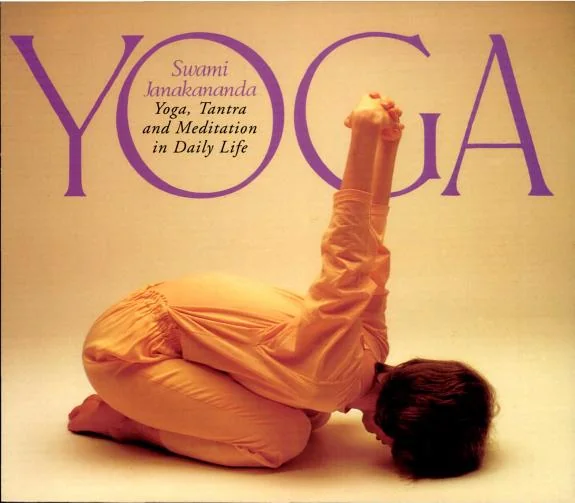
Yoga, Tantra and Meditation in Daily Life
 71
71

Yoga, Tantra and Meditation in Daily Life
Swami Janakananda Saraswati’s "Yoga, Tantra and Meditation in Daily Life" (1992) presents a refreshingly pragmatic view of tantric practices. Unlike many texts that abstract tantra into esoteric lore, Janakananda grounds it in actionable techniques for the layperson. The strength lies in its direct, unpretentious instruction, particularly the detailed explanations of breathing exercises and yoga poses. For instance, the 'back program' section offers concrete benefits for posture and vitality, illustrating the book’s focus on tangible results. However, the book occasionally leans into a somewhat dated, earnest tone that might feel less sophisticated to contemporary readers accustomed to more nuanced discussions of psychological integration. The original blurb’s promise of adding "another habit" might undersell the potential depth of transformation, though it accurately reflects the author's accessible entry point. It’s a solid manual for integrating basic yogic disciplines.
📝 Description
71
Published in 1992, Swami Janakananda Saraswati's book makes tantric yoga accessible for everyday life.
Swami Janakananda Saraswati's "Yoga, Tantra and Meditation in Daily Life" presents tantric yoga not as an ascetic pursuit, but as a practical method for personal development usable alongside everyday routines. The book aims to demystify these disciplines, making them available to a modern audience searching for balance and well-being. It is for individuals interested in yoga, meditation, and tantra who want to apply these practices in a grounded, secular way. Beginners will find step-by-step guidance, while those with prior experience can explore more advanced techniques. The work offers practical tools for managing stress, improving posture, and cultivating inner peace amidst daily responsibilities. It emphasizes that spiritual growth does not require renouncing worldly activities.
Emerging in 1992, a time of growing Western interest in Eastern spiritual traditions, this book distinguished itself by focusing on practical application rather than solely philosophical aspects. Swami Janakananda's approach, rooted in Hatha Yoga and Tantra, offered an experiential path outside purely academic or religious frameworks. This contrasted with a period where many publications focused on theory or niche interpretations. The book's emphasis on direct, personal experience positioned it within a lineage seeking to make yogic and tantric practices relevant to contemporary life.
💡 Why Read This Book?
• Learn specific, illustrated techniques for correct breathing (pranayama) and foundational yoga poses directly from Swami Janakananda's Hatha Yoga lineage, enabling you to build a consistent personal practice. • Discover how to integrate tantric principles into your daily routine without drastic lifestyle changes, as demonstrated by the book's accessible approach to practicing yoga alongside existing habits. • Gain practical methods for improving posture and maintaining vitality through exercises like the 'back program', offering concrete physical benefits rooted in the book's 1992 publication.
⭐ Reader Reviews
Honest opinions from readers who have explored this book.
❓ Frequently Asked Questions
What is Tantric Yoga as presented in Swami Janakananda's book?
Swami Janakananda presents Tantric Yoga not as a renunciation of life, but as a method to enhance daily living. The book, first published in 1992, details how to practice yoga and meditation as accessible habits that can be incorporated into any lifestyle.
Are the yoga exercises in this book suitable for beginners?
Yes, the book offers step-by-step, well-illustrated instructions starting with beginner exercises and progressing to more advanced techniques, making it suitable for those new to yoga and meditation.
Does the book explain how to meditate effectively?
Absolutely. A significant portion of the book is dedicated to teaching how to meditate easily, including correct breathing techniques applicable to both yoga and meditation sessions.
What kind of yoga poses are included?
The book includes easy yoga poses and exercises, such as a specific 'back program' designed to improve posture and help maintain a sense of youthfulness and vitality.
When was 'Yoga, Tantra and Meditation in Daily Life' originally published?
The book was first published on February 1, 1992, reflecting the growing interest in practical spiritual disciplines during that era.
What is the primary benefit of the 'back program' mentioned?
The 'back program' is highlighted for its ability to improve posture and contribute to maintaining a feeling of youthfulness, demonstrating the book's focus on practical, physical well-being derived from yogic practices.
🔮 Key Themes & Symbolism
Accessible Tantra
This work reframes Tantra and Yoga as practices integrated into ordinary life, rather than requiring asceticism. Swami Janakananda emphasizes that spiritual development can occur alongside professional and family commitments. The book provides clear, illustrated instructions for techniques like breathing exercises (pranayama) and foundational yoga postures (asanas), making these ancient methods approachable for contemporary individuals seeking personal growth without abandoning their daily routines.
Mind-Body Integration
A central theme is the interconnectedness of physical well-being and mental clarity. The book details specific exercises, such as a 'back program,' aimed at improving posture and fostering a sense of youthful vitality. By focusing on the body as a vehicle for transformation, Janakananda guides readers to harness physical practices to cultivate inner peace and heightened awareness, demonstrating how consistent, mindful movement can lead to profound psychological benefits.
Practical Meditation
The book clarifies meditation, offering practical guidance for beginners to establish a regular practice. It stresses the importance of correct breathing techniques, often overlooked by newcomers, as a foundation for effective meditation. The step-by-step approach ensures that readers can learn to quiet the mind and develop concentration, presenting meditation not as a complex ritual but as a learnable skill applicable to everyday life for stress reduction and enhanced focus.
Holistic Well-being
Swami Janakananda's approach promotes a holistic sense of well-being by addressing physical, mental, and subtle energetic aspects of an individual. The integration of yoga, tantra, and meditation aims to create balance and harmony within the practitioner. By learning to breathe correctly, move mindfully, and cultivate inner stillness, readers are encouraged to develop a more centered and resilient approach to life's challenges, fostering overall health and vitality.
💬 Memorable Quotes
Direct passages from the work, attributed to the author.
“The author demonstrates how you can practice Tantric Yoga and go on living your life as you usually do, adding another habit to the ones you already have.”
— This foundational statement from the book's original blurb highlights its core philosophy: accessibility. It suggests that tantric practices are not separate from everyday life but can be seamlessly integrated, making spiritual and personal development achievable for busy individuals.
“You will learn how to meditate easily, breathe correctly during yoga or meditation, and how to do easy yoga poses and exercises.”
— This captures the practical, skill-based learning offered. It promises tangible takeaways: effortless meditation, proper pranayama, and accessible asanas, all presented in a manner designed to build confidence and capability in the practitioner.
“Such as the back program to improve posture and maintain youthfulness, and a great deal...”
— This fragment points to specific, tangible benefits beyond the purely spiritual. The inclusion of a 'back program' for posture and vitality demonstrates the book's focus on physical health and its connection to overall well-being, a key aspect of its practical approach.
💡 Key Ideas
Editorial paraphrase of the work's core concepts — not direct quotes.
The step-by-step, well-illustrated instructions in this book take you from beginners' exercises to those for advanced students.
This quote underscores the pedagogical approach of the book. It assures readers of all levels that they will find structured guidance, moving from fundamental techniques to more complex practices, ensuring a progressive learning curve in yoga and meditation.
The work explores the integration of tantric principles into daily existence.
This paraphrased concept emphasizes the book's unique contribution: bridging the gap between esoteric tantric philosophy and the practical realities of modern life, making advanced spiritual concepts applicable to ordinary routines.
🌙 Esoteric Significance
Tradition
This work draws heavily from the Hatha Yoga and Tantra traditions, specifically within the lineage established by Swami Satyananda Saraswati, Janakananda's guru. It departs from more ritualistic or purely philosophical interpretations of Tantra by focusing on its practical application for psychological and physical well-being within a modern, secular context. It aligns with the broader esoteric movement's aim to make profound spiritual knowledge accessible and applicable to daily life, emphasizing experiential learning over dogma.
Symbolism
While the book prioritizes practical instruction over overt symbolism, the underlying principles of Tantra are implicitly present. The emphasis on breath (prana) as life force energy is a key esoteric concept. The practice of asanas (yoga postures) can be seen as a form of embodied ritual, using the physical form to access subtle energies and states of consciousness. The integration of these practices into daily life symbolizes the esoteric goal of transforming the mundane into the sacred.
Modern Relevance
Swami Janakananda's approach continues to resonate with contemporary mindfulness and wellness movements. Thinkers and practitioners focusing on embodied cognition, secular meditation, and the integration of ancient wisdom into modern living find value in his practical, non-sectarian methodology. Schools and centers that continue his lineage, such as the Hatha Yoga Centre in Sweden, carry forward his teachings, demonstrating the enduring appeal of his accessible approach to yoga and tantra.
👥 Who Should Read This Book
['• Individuals new to yoga and meditation seeking a clear, practical introduction that avoids complex philosophical jargon and focuses on actionable techniques.', '• Experienced practitioners looking to deepen their understanding of Tantra and integrate its principles into their daily lives without adopting ascetic lifestyles.', '• Those interested in improving physical well-being, such as posture and vitality, through accessible yoga exercises and mindful breathing practices.']
📜 Historical Context
Published in 1992, "Yoga, Tantra and Meditation in Daily Life" arrived during a burgeoning Western engagement with Eastern spiritual traditions. The early 1990s saw yoga studios multiplying and meditation practices entering mainstream wellness discourse, moving beyond purely religious contexts. Swami Janakananda Saraswati, a prominent figure in Scandinavian yoga and meditation, offered a Hatha Yoga and Tantra lineage that emphasized practical, non-dogmatic application. This contrasted with more academic or purely devotional interpretations of yoga prevalent at the time. While figures like B.K.S. Iyengar were already well-established, Janakananda's specific focus on integrating Tantric principles into secular daily life offered a distinct pathway. The book’s reception was largely within the growing community of yoga practitioners seeking accessible, experiential learning, fitting into a broader cultural shift towards self-improvement and mindfulness.
📔 Journal Prompts
The back program and its effect on posture.
Integrating 'another habit' into daily routines.
Ease in meditation versus perceived difficulty.
The connection between breathing correctly and inner states.
Applying Tantric Yoga principles outside of formal practice.
🗂️ Glossary
Tantra
In this context, Tantra refers to a spiritual path that utilizes the body and senses as tools for transformation and enlightenment, emphasizing the integration of spiritual practices into everyday life rather than renunciation.
Yoga
A broad term encompassing physical postures (asanas), breathing techniques (pranayama), meditation, and ethical principles aimed at unifying mind, body, and spirit.
Meditation
A practice of focused attention and awareness, often used to calm the mind, cultivate insight, and achieve a state of mental clarity and peace.
Asana
A physical posture or pose in yoga, typically practiced for health, flexibility, and mental focus.
Pranayama
The practice of controlling breath, involving specific breathing techniques believed to regulate vital energy (prana) and influence mental states.
Back Program
A specific set of exercises and postures detailed in the book, designed to improve spinal health, posture, and overall physical vitality.
Youthfulness
As used in the book, refers to a state of vitality, energy, and physical well-being often associated with younger age, cultivated through consistent practice of yoga and meditation.
This book appears in 1 collection
🔮 Readers Also Liked
Browse all →









From the “Yoga” Collection
View all →






More Free Occult Philosophy Books
View all →