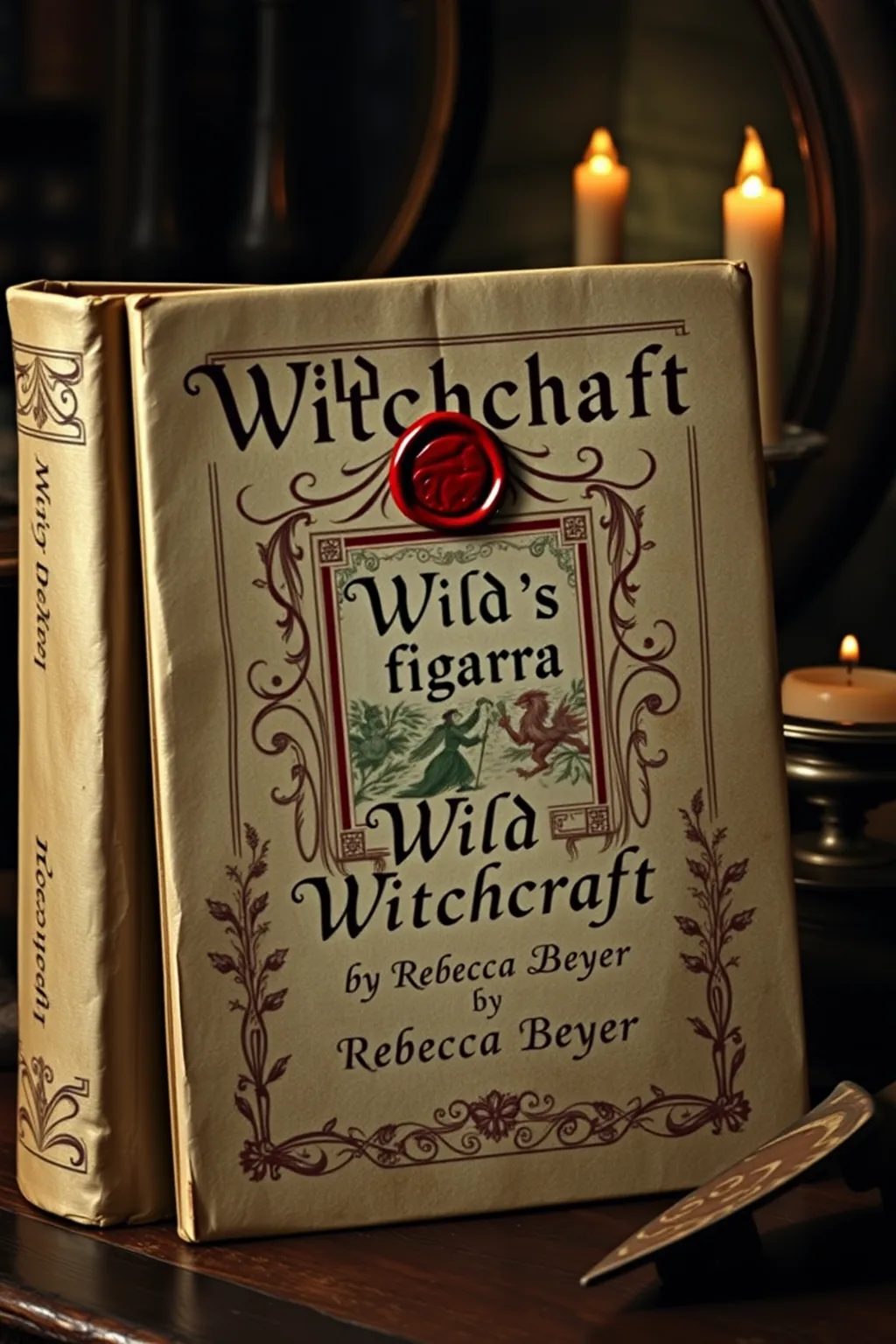
Wild Witchcraft
 71
71

Wild Witchcraft
Rebecca Beyer's Wild Witchcraft presents an accessible yet substantive entry into contemporary witchcraft. The author distinguishes her work by grounding it in tangible practices rather than abstract mysticism, a welcome approach for those weary of overly romanticized depictions. A particular strength lies in the clear explanations of correspondences and the energetics of spellcraft, exemplified in the section detailing the use of common herbs for specific magical intentions. However, the book occasionally feels overly broad, attempting to encompass a wide range of traditions without always achieving the depth one might find in more specialized texts. For instance, the chapter on divination, while informative, could benefit from a more focused examination of a single method. Despite this, the work offers a valuable perspective on developing a personal, nature-aligned witchcraft practice.
Ultimately, Wild Witchcraft serves as a solid, practical guide for the aspiring witch.
📝 Description
71
Rebecca Beyer's Wild Witchcraft, published in 2022, details specific magical practices and their philosophical roots.
Wild Witchcraft by Rebecca Beyer, first released in 2022, moves past general folklore to detail specific magical practices and the philosophies behind them. The book structures its content to guide readers through witchcraft's various elements, from core beliefs to practical spellcraft. It emphasizes a connection to the natural world and the reader's own agency.
This work is for people seriously interested in understanding or practicing witchcraft. It suits those seeking a practical approach, avoiding the superficial portrayals common in popular culture. Readers who want a thorough overview with both theoretical ideas and usable techniques will find it valuable. It is especially appropriate for those with some background in occult or esoteric subjects who wish to increase their knowledge.
Published in 2022, Wild Witchcraft appears during a time of renewed interest in folk magic and pre-Christian spiritual paths. This period shows a revival of ancestral traditions, often set against more organized, ritualistic forms of modern occultism that became prominent in the late 19th and early 20th centuries. Beyer's book supports a modern movement that aims to reclaim and rethink older, nature-based spiritualities, often favoring self-initiation and personal gnosis over formal coven structures or hierarchical orders.
💡 Why Read This Book?
• Gain practical techniques for working with natural energies, as detailed in Beyer's discussions on lunar cycles and their influence on spellwork, offering methods not easily replicated elsewhere. • Understand the symbolic language of common flora, such as the specific properties assigned to rosemary in folk magic, providing a concrete foundation for herbal witchcraft. • Develop a personal ethical framework for magical practice, informed by the book's emphasis on personal responsibility and intention, which goes beyond generic advice found in broader spiritual texts.
⭐ Reader Reviews
Honest opinions from readers who have explored this book.
❓ Frequently Asked Questions
When was Wild Witchcraft first published?
Wild Witchcraft by Rebecca Beyer was first published in 2022, reflecting a contemporary engagement with witchcraft traditions.
What are the main subjects covered in Wild Witchcraft?
The book covers practical witchcraft, including spellcraft, working with natural energies, the ethics of magic, and understanding symbolic languages found in folklore.
Does the book require prior knowledge of witchcraft?
While prior exposure to occult or esoteric subjects can be beneficial, the book is structured to be accessible to serious newcomers interested in a grounded approach to witchcraft.
What is the author's approach to witchcraft in this book?
Rebecca Beyer emphasizes a practical, nature-aligned approach, focusing on personal agency, intuitive development, and tangible magical techniques.
Is Wild Witchcraft suitable for advanced practitioners?
While beginner-friendly, advanced practitioners may find value in its perspective on integrating nature-based practices and its clear articulation of fundamental principles.
Where does Wild Witchcraft fit within the broader history of witchcraft literature?
Published in 2022, it aligns with a modern resurgence of interest in folk magic and pre-Christian spirituality, often emphasizing personal practice over older, formalized traditions.
🔮 Key Themes & Symbolism
Nature as a Source
Beyer emphasizes the profound connection between witchcraft and the natural world. This theme explores how elements like lunar cycles, seasons, and the properties of plants and animals serve as fundamental power sources and allies for the practitioner. It moves beyond symbolic representation to practical application, detailing how to harness these forces for magical work. The book encourages a reciprocal relationship with nature, fostering respect and understanding as integral components of effective witchcraft, aligning with animistic perspectives found in many indigenous spiritualities.
Personal Agency and Intuition
A central tenet of Wild Witchcraft is the empowerment of the individual practitioner. The book highlights the importance of developing personal intuition and inner guidance, positioning these as primary tools for magical discovery and efficacy. This contrasts with traditions that rely heavily on external authority or rigid dogma. Beyer advocates for self-initiation and the cultivation of a personal magical path, encouraging readers to trust their inner knowing and craft their own unique expressions of witchcraft, drawing parallels to existentialist philosophies that prioritize individual freedom and responsibility.
Practical Spellcraft and Ethics
This theme focuses on the actionable aspects of witchcraft, providing readers with concrete methods for spellcasting and ritual. It details the use of correspondences—such as colors, herbs, and celestial timings—to enhance magical outcomes. Crucially, the book also addresses the ethical considerations inherent in wielding magical power. Beyer stresses the importance of intention, responsibility, and the potential consequences of magical actions, offering a balanced perspective that promotes mindful and constructive practice, echoing ethical frameworks found in various philosophical traditions that caution against hubris.
Symbolism in Folklore
Beyer explores the rich symbolic language embedded within folklore and myth, positing that these narratives offer insights into the archetypal forces that witchcraft engages with. Understanding these symbols—whether they appear in fairy tales, myths, or traditional beliefs—is presented as a key to unlocking deeper layers of magical understanding. The book suggests that by interpreting these ancient stories, practitioners can gain a more nuanced appreciation of the universal patterns of energy and consciousness that underpin magical work, connecting to Jungian archetypes and the collective unconscious.
💬 Memorable Quotes
Direct passages from the work, attributed to the author.
“The moon's phases offer potent energetic shifts for different types of spellwork.”
— This highlights the practical application of celestial cycles in witchcraft, suggesting that understanding and aligning with lunar phases can amplify magical intentions and outcomes.
“Personal intuition is the most reliable compass for a witch.”
— This emphasizes the book's focus on self-reliance and inner guidance, positioning intuition as a primary tool for navigating magical practice and making ethical decisions.
“Every plant possesses unique energies that can be respectfully invoked.”
— This points to the animistic perspective within the book, where natural elements like herbs are seen as having inherent spiritual qualities and potential for magical partnership.
“Ethical considerations must guide every magical act.”
— This underscores the book's commitment to responsible practice, warning against misuse of power and promoting mindful intention in all spellcasting.
“Folklore is a coded language of the human psyche and the natural world.”
— This suggests that traditional stories and myths are not mere tales but contain profound symbolic truths relevant to understanding magical forces and universal patterns.
🌙 Esoteric Significance
Tradition
This work fits within the contemporary resurgence of folk magic and nature-based spirituality, often categorized broadly under Neo-Paganism or simply 'witchcraft'. It departs from strictly initiatory or dogmatic traditions by emphasizing personal experience and individual interpretation. While drawing inspiration from ancient European folk practices and animistic beliefs, it synthesizes these with modern psychological insights and a focus on practical application, offering a lineage that values self-discovery and earth connection over adherence to a specific historical coven or established magical order.
Symbolism
Key symbols explored include lunar phases, representing cycles of manifestation, intuition, and the feminine divine. Plants, such as rosemary and mugwort, are discussed not merely as ingredients but as embodiments of specific energies and spirits, used for protection, divination, and healing. The concept of the 'witch's altar' itself functions as a symbolic nexus, a sacred space where the practitioner consciously interacts with the forces of nature and spirit, bridging the mundane and the magical realms.
Modern Relevance
Wild Witchcraft speaks to contemporary practitioners seeking authentic, nature-aligned spiritual paths outside of mainstream religions. Its emphasis on personal empowerment and intuitive development appeals to those disillusioned with rigid structures, finding echoes in movements promoting self-care, mindfulness, and ecological consciousness. Thinkers and practitioners interested in ecospirituality, modern animism, and the practical application of folklore in contemporary life often draw upon the principles articulated in works like Beyer's.
👥 Who Should Read This Book
• Aspiring witches seeking a grounded, practical introduction to witchcraft that emphasizes nature and personal ethics, moving beyond popular stereotypes. • Individuals interested in folk magic traditions and the historical roots of European witchcraft who want to understand contemporary interpretations and applications. • Practitioners of other spiritual or magical paths looking to integrate nature-based practices, intuitive development, and ethical considerations into their existing framework.
📜 Historical Context
Wild Witchcraft emerged in 2022, a period marked by a significant global resurgence of interest in witchcraft and earth-based spiritualities. This era contrasts sharply with the mid-20th century, when witchcraft was often viewed through the lens of Gerald Gardner's Wicca, a specific initiatory tradition that gained traction in post-war Britain. Beyer's work aligns more with contemporary movements that seek to de-center Wicca and explore a broader spectrum of folk magic and reconstructionist practices. The intellectual currents of the time include a strong emphasis on personal gnosis, decolonization of spiritual paths, and a re-evaluation of pre-Christian European traditions, often informed by scholarship in folklore and anthropology. This book speaks to a generation seeking direct experience and connection to nature, diverging from the more formalized, hierarchical structures that characterized earlier occult revival movements like the Hermetic Order of the Golden Dawn.
📔 Journal Prompts
Reflect on the energetic correspondences of common herbs in your environment.
Consider how lunar phases influence your personal energy and creative output.
Explore the symbolic meaning of a recurring natural element in your dreams.
Document a recent intuitive 'hit' and its subsequent outcome.
Analyze the ethical implications of a desired magical working.
🗂️ Glossary
Correspondences
The symbolic relationships between different elements (e.g., colors, planets, herbs, stones) used to enhance magical workings by aligning intentions with specific energies.
Spellcraft
The art and practice of creating and casting spells, involving focused intention, visualization, and the use of symbolic tools or ingredients to manifest a desired outcome.
Intuition
The capacity to understand or know something immediately, without conscious reasoning; often considered a primary tool for witches to perceive subtle energies and make informed decisions.
Animism
The belief that natural objects, phenomena, and the universe itself possess an animating spirit or consciousness, a core concept in many folk magic traditions.
Gnosis
Spiritual knowledge or insight, often attained through direct experience, contemplation, or altered states of consciousness, valued in many esoteric traditions.
Folk Magic
Magical practices rooted in the traditions and beliefs of common people within a specific culture or region, often passed down orally and emphasizing practical results.
Altar
A sacred space, often a table or dedicated surface, used for ritual work, prayer, or meditation, typically adorned with symbolic objects relevant to the practitioner's path.
🔮 Readers Also Liked
Browse all →







More by Rebecca Beyer
All books →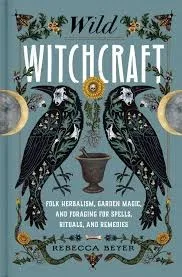

More Free Occult Philosophy Books
View all →