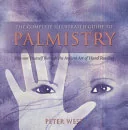
The Complete Illustrated Guide to Palmistry
 77
77

The Complete Illustrated Guide to Palmistry
Peter West's *The Complete Illustrated Guide to Palmistry* succeeds admirably in its stated goal of providing a practical, easy-to-follow manual. The 2011 publication date situates it within a period of renewed interest in esoteric practices, and the book reflects this by being thoroughly illustrated, a significant strength that aids considerably in deciphering the various palm features. West’s methodical approach, detailing everything from the major lines to the less-discussed mounts and markings, makes the practice feel less arcane and more like a learnable skill. A particularly well-explained section details the subtle differences in interpretation for the Life Line based on its depth and curvature, offering concrete examples of how a seemingly minor variation can alter meaning. However, the sheer volume of information, while comprehensive, can sometimes feel overwhelming for the absolute novice. While West’s explanations are clear, the sheer number of potential interpretations for every line and marking might lead to analytical paralysis for some readers. Despite this, the book serves as a solid, if densely packed, resource for anyone wishing to understand the mechanics of palm reading.
📝 Description
77
Peter West's 2011 guide breaks down cheiromancy into understandable parts.
Peter West's *The Complete Illustrated Guide to Palmistry*, published in 2011, acts as a thorough manual for understanding cheiromancy. The book separates the complex system of hand reading into manageable sections. It covers the mounts, lines, fingers, and markings on the palm. The author's goal is to give readers the tools to interpret these hand features. This interpretation can reveal insights into personality, potential, and life's course.
This guide is for people interested in self discovery and esoteric practices. It works for absolute beginners needing a clear start in palmistry. It also suits those who already know some basics and want to learn more. Readers who like divination, personal development, or the history of metaphysical ideas will find the book useful. West's work connects with palmistry's long history, which began in ancient India and Greece. It offers a modern view on traditions practiced for ages.
Palmistry, or cheiromancy, traces its history to ancient India and Greece. Figures like Aristotle discussed its philosophical aspects. This practice views the hand as a map of character and destiny. West's book engages with this lineage, presenting a contemporary look at long standing traditions. It acknowledges palmistry's global spread and its shifts in popularity over time, from ancient philosophy to modern popular interest.
💡 Why Read This Book?
• Gain practical skills in interpreting palm lines and mounts, learning the specific meanings of the Heart Line, Head Line, and Life Line as detailed in Chapter 3, "The Major Lines." • Understand the historical lineage of palmistry, recognizing its roots in ancient traditions and how West's 2011 guide connects to this long practice. • Develop a nuanced understanding of hand analysis by learning to interpret subtle markings like crosses and islands, as presented in the section on "Minor Lines and Markings."
⭐ Reader Reviews
Honest opinions from readers who have explored this book.
❓ Frequently Asked Questions
What is the historical origin of palmistry as presented in this guide?
The book traces palmistry's lineage back to ancient India and Greece, acknowledging its long philosophical and divinatory history across various cultures before its modern interpretation in West's 2011 publication.
Does the book cover different types of hands and their meanings?
Yes, *The Complete Illustrated Guide to Palmistry* details various hand shapes and finger proportions, linking them to personality traits and archetypes, as discussed in the early chapters on "The Hand Shape."
Are there specific chapters dedicated to interpreting the major palm lines?
Absolutely. Chapter 3, "The Major Lines," provides in-depth explanations for the Heart Line, Head Line, and Life Line, covering their variations and significance.
What are the 'mounts' of the hand and do they have specific meanings?
The book explains that the mounts are the fleshy pads on the palm (e.g., Mount of Venus, Mount of Jupiter). Chapter 4, "The Mounts," elaborates on the specific traits and potentials associated with the prominence and development of each mount.
How does this guide address minor markings on the palm?
West dedicates a section to minor lines and markings, such as stars, crosses, and islands, explaining their potential influence and how they modify the interpretations of the major lines and mounts.
Is Peter West considered a notable figure in modern palmistry?
While specific biographical details of West are not extensively covered, his 2011 work is recognized for its systematic approach and comprehensive illustrations, making it a valuable reference for contemporary students of palmistry.
🔮 Key Themes & Symbolism
The Hand as a Microcosm
This guide posits the palm as a symbolic representation of the individual's entire being – their personality, potential, and life trajectory. Each line, mount, and marking is presented not as a deterministic fate, but as a map of inherent tendencies and opportunities. The work explores how physical characteristics of the hand, observable since ancient Greek discourse on physiognomy, can be correlated with psychological and spiritual attributes. It encourages a view of the hand as a dynamic, ever-evolving landscape reflecting inner states and external influences.
Systematic Interpretation of Lines
West’s approach emphasizes a structured methodology for reading the palm, focusing primarily on the major lines: Heart, Head, and Life. The book meticulously details how variations in their length, depth, clarity, and curvature offer specific insights into emotional disposition, intellectual capacity, and vitality. Beyond these, it covers numerous minor lines, each contributing a layer of nuance to the overall reading. This systematic breakdown explains the process, allowing for consistent and repeatable analysis.
The Significance of Mounts and Markings
Beyond the prominent lines, the guide examines the importance of the mounts – the fleshy elevations on the palm named after classical deities like Venus and Jupiter. The development and texture of these mounts are interpreted as indicators of specific personality traits and areas of life where an individual may excel or face challenges. Furthermore, the book meticulously illustrates and explains various minor markings, such as crosses, stars, and islands, which act as modifiers or specific events within the broader narrative of the palm.
Palmistry as a Tool for Self-Awareness
The overarching theme is the application of palmistry for personal growth and self-understanding. Rather than presenting it as a rigid form of fortune-telling, West frames it as a psychological and spiritual diagnostic tool. By learning to read their own palms, individuals are encouraged to recognize their strengths, confront their weaknesses, and gain a deeper appreciation for their unique life path. The book supports a proactive engagement with one's destiny, facilitated by the insights gained from cheiromancy.
💬 Memorable Quotes
Direct passages from the work, attributed to the author.
“The major lines – Heart, Head, and Life – form the fundamental structure of a palm reading.”
— This statement highlights the foundational elements of palmistry, emphasizing that a comprehensive analysis begins with a thorough understanding of these three primary lines and their variations.
“Each mount on the palm corresponds to a specific planetary influence and associated character trait.”
— This interpretation underscores the astrological connections within palmistry, suggesting that the physical topography of the hand reflects broader cosmic energies and their impact on human personality.
“Minor markings can significantly alter or specify the meaning of the main lines.”
— This concept emphasizes the intricate nature of palm reading, where seemingly small signs can provide crucial details or modify the general interpretation derived from the major lines.
“The hand is a living map of our potential and our challenges.”
— This interpretation frames palmistry not as a fixed prediction, but as a dynamic guide to self-discovery, encouraging readers to view their palms as a source of insight for personal development.
💡 Key Ideas
Editorial paraphrase of the work's core concepts — not direct quotes.
Clarity and depth of a line indicate the strength of its associated characteristic.
This paraphrase focuses on the physical attributes of palm lines, explaining that their visual presentation directly correlates with the intensity and expression of the personality traits they represent.
🌙 Esoteric Significance
Tradition
This work fits within the Western esoteric tradition, specifically drawing from the lineage of practical divination and psychological interpretation that gained prominence in the late 19th and early 20th centuries. While not explicitly tied to a single school like Hermeticism or Theosophy, it shares their interest in finding correspondences between the physical world and inner spiritual states. West’s guide presents palmistry as a system of symbolic language, a hallmark of esoteric thought, aiming to reveal hidden truths about the individual through observable signs.
Symbolism
Key symbols in West's guide include the major palm lines – the Heart Line (emotions, relationships), the Head Line (intellect, communication), and the Life Line (vitality, life force). Their variations are seen as symbolic expressions of a person's inner world. Additionally, the mounts, named after classical planets like Venus (love, passion) and Jupiter (ambition, leadership), serve as symbolic indicators of inherent potentials and character strengths, reflecting an ancient astrological-esoteric mapping onto the human form.
Modern Relevance
Contemporary interest in self-help, mindfulness, and personal development has created a fertile ground for works like West's. Practitioners of modern witchcraft, those exploring Jungian archetypes through symbolic systems, and individuals seeking non-traditional methods of self-discovery often turn to guides on palmistry. The book’s systematic approach appeals to those looking for concrete techniques, resonating with a desire for tangible tools in exploring the self beyond purely spiritual or philosophical contemplation.
👥 Who Should Read This Book
• Aspiring palmists seeking a structured introduction to the art, needing to learn the foundational meanings of lines and mounts. • Individuals interested in esoteric studies and comparative divination practices, wanting to understand a key historical method of self-analysis. • Readers focused on personal growth and self-awareness, looking for a symbolic system to explore their own personality traits and potential life paths.
📜 Historical Context
Peter West’s *The Complete Illustrated Guide to Palmistry*, published in 2011, emerges within a long tradition of cheiromancy that has captivated thinkers and practitioners for millennia. Its roots can be traced to ancient India and Greece, with early philosophical inquiries into physiognomy by figures like Aristotle. By the Renaissance, palmistry was a widely discussed subject, though often met with suspicion and sometimes condemnation from religious authorities. In the late 19th and early 20th centuries, it saw a significant revival alongside other occult disciplines, championed by figures like the Comte de Saint-Germain and later by practitioners like Noel Jaquin. West’s work, published in the digital age, engages with this rich, sometimes controversial, history by presenting a structured, illustrated guide that aims to explain the practice for a contemporary audience. It exists in a landscape where it competes with both older, more esoteric texts and newer, often more spiritually focused, approaches to self-analysis.
📔 Journal Prompts
The Heart Line's shape and placement on your palm, as depicted in Chapter 3.
The prominence and characteristics of your Mount of Jupiter.
How the markings on your dominant hand compare to those of your non-dominant hand.
Reflecting on the interpretation of a specific minor marking, such as a star or cross.
The correlation between your Head Line's length and your current intellectual pursuits.
🗂️ Glossary
Cheiromancy
The practice of divination or fortune-telling through the study of the palm, commonly known as palmistry.
Mounts
The fleshy, raised pads on the palm, each named after a classical planet (e.g., Venus, Jupiter, Mars), believed to indicate specific personality traits and potentials.
Heart Line
The upper horizontal line on the palm, generally interpreted as relating to emotional capacity, romantic relationships, and cardiac health.
Head Line
The line below the Heart Line, typically running horizontally across the palm, associated with intellectual capacity, learning style, and communication.
Life Line
The curved line encircling the base of the thumb, interpreted as relating to vitality, physical health, and major life events, not necessarily lifespan.
Trident
A marking consisting of three distinct lines originating from a single point, often seen as indicating great fortune or talent in the area associated with its origin.
Islands
Oval or circular shapes found on a palm line, typically interpreted as periods of weakness, illness, difficulty, or indecision related to the line's meaning.
This book appears in 1 collection
🔮 Readers Also Liked
Browse all →








From the “Palmistry” Collection
View all →







More Free Occult Philosophy Books
View all →