Christian science, medicine, and occultism
 80
80

Christian science, medicine, and occultism



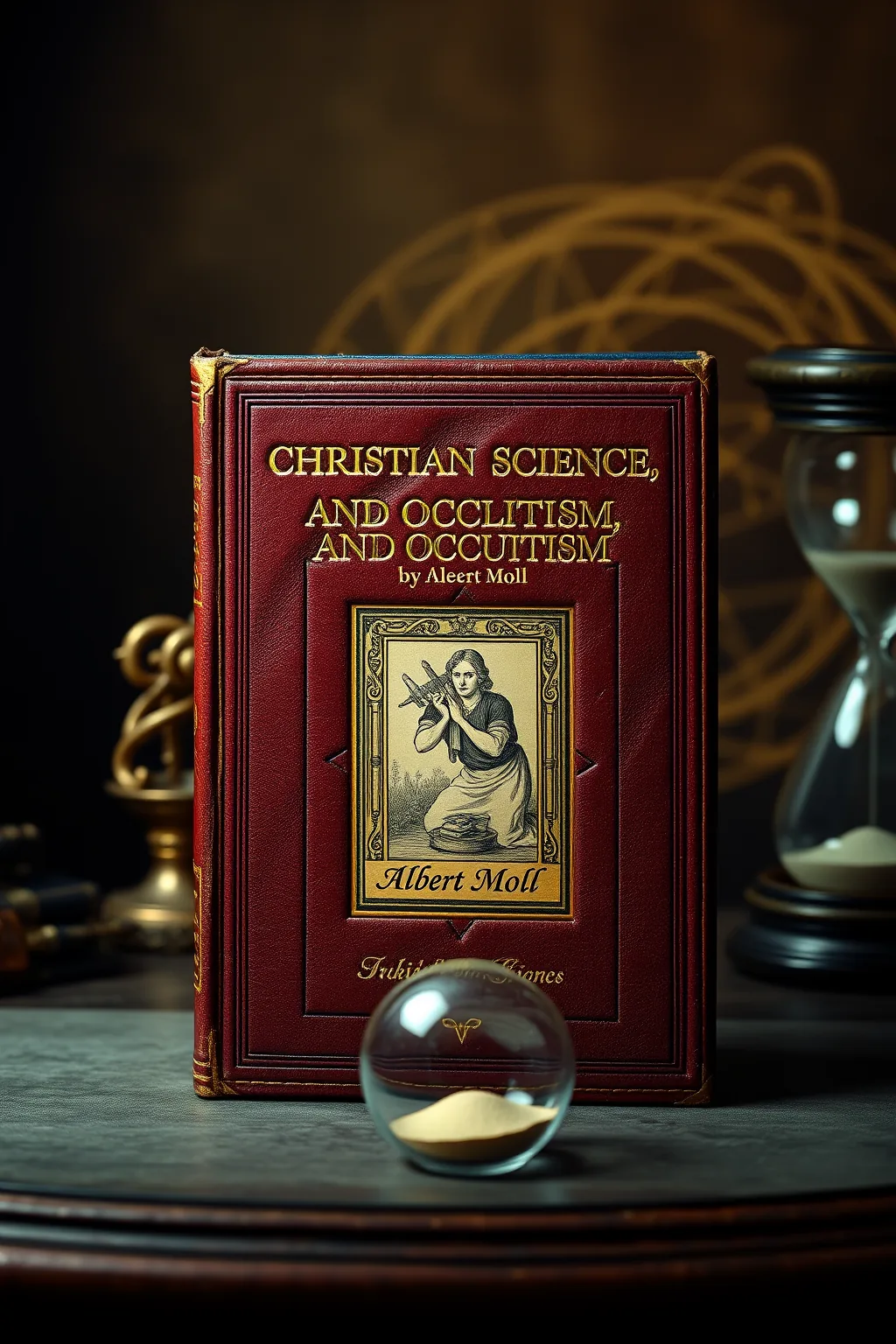
Albert Moll's 'Christian Science, Medicine, and Occultism' is a fascinating exploration of the esoteric beliefs and practices that shaped the early 20th century. Moll's background in psychiatry lends a unique perspective to his analysis, as he delves into the psychological underpinnings of Christian Science and occultism. The book is particularly valuable for its historical context, providing a snapshot of a time when spiritualism, occultism, and emerging medical sciences were in a state of flux. Moll's critical examination of faith healing and the role of the unconscious mind is both insightful and thought-provoking. For modern esoteric seekers, this text offers a wealth of information on the historical development of occult philosophies and their influence on contemporary spiritual practices. The book's detailed discussions and rigorous scholarship make it an invaluable resource for anyone interested in the intersection of science and spirituality. Overall, 'Christian Science, Medicine, and Occultism' is a must-read for those seeking to understand the esoteric traditions of the past and their relevance to the present.
📝 Description
80
Albert Moll published "Christian Science, medicine, and occultism" in 1902.
Albert Moll's 1902 book examines the connections between Christian Science, medical practices, and occult traditions. He investigates the historical and philosophical underpinnings of Christian Science, looking for influences that link it to esoteric thought and medical theories of the time. Moll's work aims to demystify the spiritual healing claims of Christian Science by tracing its roots and comparing its methods to other occult systems. He also considers the role of medicine and science in relation to these beliefs, questioning the efficacy and rationale behind them.
The author attempts to provide a rational analysis of phenomena often relegated to faith or superstition. By dissecting the claims and origins of Christian Science, Moll sought to place it within a broader context of spiritualism and alternative healing. The book engages with the intellectual currents of the late 19th and early 20th centuries, a period marked by widespread interest in the occult and spiritualism alongside advancements in scientific understanding. Moll's approach is analytical, seeking to understand the appeal and structure of these belief systems.
Published in 1902, Moll's book emerged during a period of intense interest in spiritualism and the occult. This era saw many attempts to reconcile or distinguish spiritual phenomena from emerging scientific paradigms. Christian Science, with its emphasis on mental healing and divine intervention, fit into this landscape of alternative belief systems. Moll's work can be seen as an attempt to categorize and analyze such movements, placing them within a historical and philosophical framework that acknowledged both their esoteric dimensions and their claims to efficacy, often in contrast to established medical science.
💡 Why Read This Book?
Reading 'Christian Science, Medicine, and Occultism' today provides valuable insights into the historical development of esoteric thought and its influence on modern spirituality. This book offers a unique perspective on the psychological and spiritual dimensions of Christian Science and occultism, making it an essential read for anyone interested in the intersection of science and spirituality. By understanding the beliefs and practices of the past, readers can gain a deeper appreciation for the mystical traditions that continue to shape our world today.
⭐ Reader Reviews
Honest opinions from readers who have explored this book.
❓ Frequently Asked Questions
What is the main focus of 'Christian Science, Medicine, and Occultism'?
The main focus of this book is the examination of Christian Science, medical practices, and occult philosophies, exploring their intersections and the psychological dimensions of these beliefs.
Who is the intended audience for this book?
This book is intended for scholars of occult studies, practitioners of Christian Science, and anyone curious about the mystical traditions of the past.
How does Albert Moll's background influence his writing?
Albert Moll's background in psychiatry provides a unique perspective in his analysis, as he delves into the psychological underpinnings of Christian Science and occultism.
🔮 Key Themes & Symbolism
Occult Roots of Christian Science
Moll studies the hidden knowledge and symbolism that underpin Christian Science, revealing its occult origins and their influence on modern spiritual practices.
Intersection of Science and Spirituality
This theme explores how Moll's work bridges the gap between scientific inquiry and spiritual healing, offering a unique perspective on the mystical underpinnings of Christian Science.
Esoteric Traditions and Modern Practices
Moll's exploration of the esoteric traditions that influence modern spiritual practices provides readers with a deeper understanding of the occult roots of Christian Science.
💬 Memorable Quotes
Direct passages from the work, attributed to the author.
“Christian Science, with its mystical roots, offers a unique perspective on the intersection of science and spirituality.”
— This highlights the book's focus on the mystical underpinnings of Christian Science.
“Moll's work bridges the gap between spiritual healing and scientific inquiry.”
— This underscores the book's mix of historical research and esoteric insights.
💡 Key Ideas
Editorial paraphrase of the work's core concepts — not direct quotes.
The occult is not merely a relic of the past but a living tradition that influences modern spiritual practices.
This quote underscores the relevance of occult studies in understanding contemporary spirituality.
The symbolism in Christian Science reveals a deeper layer of hidden knowledge.
This quote emphasizes the book's exploration of the esoteric traditions that influence modern practices.
The occult roots of Christian Science provide a foundation for understanding modern spiritual practices.
This quote highlights the book's contribution to the field of occult studies.
🌙 Esoteric Significance
Tradition
This book belongs to the Hermetic tradition, which emphasizes the unity of all knowledge and the quest for hidden wisdom. Moll's exploration of the occult roots of Christian Science aligns with this tradition's focus on spiritual and intellectual discovery.
Symbolism
Key symbols in this book include the intersection of science and spirituality, the mystical roots of Christian Science, and the hidden knowledge that underpins esoteric traditions. These symbols represent the quest for deeper understanding and the revelation of hidden truths.
Modern Relevance
This book remains relevant today as it provides a foundation for understanding the occult roots of modern spiritual practices. Practitioners of Hermeticism and other esoteric traditions continue to draw on Moll's insights, making his work a timeless contribution to the field of occult studies.
👥 Who Should Read This Book
Beginners in occult studies will find this book an accessible introduction to the mystical roots of Christian Science. Scholars of the occult will appreciate Moll's meticulous research and esoteric insights. Spiritual seekers will be drawn to the book's exploration of the intersection of science and spirituality. Practitioners of Hermeticism and other esoteric traditions will benefit from the book's deep dive into the hidden knowledge and symbolism that underpin modern spiritual practices.
📜 Historical Context
Published during a time of significant spiritual and intellectual exploration, 'Christian Science, Medicine, and Occultism' emerged as a pioneering work in the field of occult philosophy. The late 19th and early 20th centuries saw a surge in interest in spiritual healing and esoteric traditions, making Moll's work particularly influential. His insights into the occult roots of Christian Science challenged conventional wisdom and paved the way for modern practitioners to explore the intersection of science and spirituality.
📔 Journal Prompts
How does Moll's exploration of the occult roots of Christian Science challenge your understanding of spiritual healing?
In what ways does this book bridge the gap between scientific inquiry and spiritual practices?
How do the esoteric traditions discussed in this book influence your own spiritual journey?
What symbols and hidden knowledge in this book resonate with you the most?
How can you apply the insights from this book to your own practice of occult studies?
🗂️ Glossary
Occult
Relating to mystical, supernatural, or hidden knowledge and practices.
Christian Science
A religious movement founded by Mary Baker Eddy, emphasizing spiritual healing and the unity of God.
Hermeticism
An esoteric tradition based on the writings attributed to Hermes Trismegistus, focusing on spiritual and intellectual discovery.
Esoteric Traditions
Spiritual and philosophical traditions that emphasize hidden knowledge and mystical practices.
Symbolism
The use of symbols to represent abstract ideas or concepts, often in a mystical or esoteric context.
This book appears in 3 collections
🔮 Readers Also Liked
Browse all →









More by Albert Moll
All books →

From the “Occultism” Collection
View all →





More Free Occult Philosophy Books
View all →