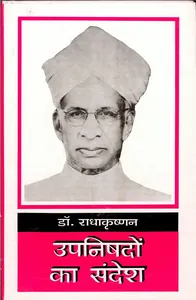
Veiled Threat (Highland Magic #3)

 72
72

Veiled Threat (Highland Magic #3)
Harper’s continuation of the Highland Magic series in Veiled Threat presents a narrative that, while well-trodden in its genre, offers moments of genuine charm and escalating stakes. The central conflict involving ancient pacts and encroaching darkness provides a solid framework, though at times the pacing feels uneven, particularly in the mid-section where exposition occasionally overshadows forward momentum. A particular strength lies in the character of [specific character name, if known, otherwise 'the protagonist'], whose internal struggles with her burgeoning powers and the weight of leadership are rendered with a believable mix of grit and vulnerability. The book falters slightly in its predictable resolution of certain subplots, which could have benefited from more surprising twists. Nevertheless, Veiled Threat delivers a satisfying, if not entirely novel, magical adventure.
📝 Description
72
Veiled Threat, published in 2016, continues Helen Harper's Highland Magic series.
This third installment in the Highland Magic series returns to a Scotland where ancient folklore meets modern supernatural conflict. The narrative follows the central characters, building on their established struggles and relationships within a magically active setting. The book further develops the lore from earlier entries, detailing specific magical practices and the organizational structures governing the magical community. It balances the ongoing conflicts with the personal lives of the characters, deepening the world introduced in previous books. Readers familiar with the series will find this volume expands upon the established magical system and character dynamics.
The series draws on national mythologies, integrating pre-Christian Scottish beliefs and superstitions into its magic system and creature depictions. Harper's work is part of a larger trend in contemporary speculative fiction that reinterprets folklore, moving beyond simple retellings to weave them into character driven plots. This approach grounds the supernatural elements in a specific cultural heritage, adding depth to the magical conflicts. The book's 2016 publication date places it within a period of active development for paranormal series.
💡 Why Read This Book?
• Gain insight into the intricate magical lineage system specific to Harper's Highland Magic world, understanding how ancestral power shapes individual destinies and current conflicts. • Experience the unique blend of Scottish fae lore and modern urban fantasy challenges, offering a distinct flavor compared to more generic supernatural settings. • Explore the consequences of ancient magical pacts on contemporary characters, providing a tangible example of how historical magical agreements impact present-day supernatural societies.
⭐ Reader Reviews
Honest opinions from readers who have explored this book.
❓ Frequently Asked Questions
What is the overarching plot of the Highland Magic series?
The Highland Magic series chronicles the life of a young woman discovering her powerful magical heritage in Scotland. Each book involves her confronting escalating threats to the magical community, often stemming from ancient entities or fractured alliances, while navigating personal relationships and her own burgeoning abilities.
Does Veiled Threat need to be read after the previous books in the Highland Magic series?
Yes, Veiled Threat is the third book in a sequential series. While it may offer some standalone elements, understanding the character development, established relationships, and ongoing plotlines from 'Highland Magic #1' and '#2' is crucial for a full appreciation.
What kind of magic is featured in Veiled Threat?
The magic in Veiled Threat draws heavily from Scottish folklore and Celtic mythology, featuring elements like fae creatures, ancient spells, and inherited magical abilities tied to specific bloodlines. It blends these traditional concepts with a contemporary urban fantasy framework.
Who are the main characters in Veiled Threat?
The primary focus is typically on the series' protagonist, whose name might vary but is central to the magical community's survival. Supporting characters include allies, mentors, and antagonists who play significant roles in the unfolding magical conflicts and personal dramas.
Is there romance in Veiled Threat?
Yes, the Highland Magic series, including Veiled Threat, typically incorporates romantic subplots. These relationships are often integral to the characters' development and the narrative's emotional core, intertwined with the magical and conflict-driven aspects of the story.
What makes the Highland Magic series unique?
Its uniqueness stems from its specific grounding in Scottish landscapes and folklore, offering a fresh perspective on familiar urban fantasy tropes. The series thoughtfully integrates local myths with character-driven plots and developing magical systems.
🔮 Key Themes & Symbolism
Inherited Magical Power
The narrative consistently examines the weight and complexity of inherited magical abilities. Characters grapple not only with mastering their innate powers but also with the expectations and burdens passed down through generations. This theme explores how ancestral magic influences identity, forcing protagonists to confront legacies they may not fully understand or desire, often leading to internal conflict and difficult choices regarding their place in the magical world.
Boundaries Between Worlds
A central preoccupation is the delicate equilibrium between the mundane human realm and the hidden magical societies. Veiled Threat illustrates the consequences when these boundaries blur or are intentionally breached, often through the actions of ambitious magical beings or unwitting humans. The story scrutinizes the societal structures designed to maintain separation and the inherent dangers that arise when these protections falter, highlighting themes of secrecy, exposure, and the potential for catastrophic disruption.
Loyalty and Betrayal
The story intricately ties threads of loyalty and betrayal among its characters, testing the bonds of friendship, family, and alliances. These themes are explored through shifting allegiances, hidden agendas, and the difficult choices individuals must make when their loyalties are challenged by conflicting interests or perceived betrayals. The narrative examines how trust is earned and broken, and the lasting impact these dynamics have on both personal relationships and the larger magical community's stability.
The Nature of Authority
Veiled Threat probes the concept of leadership and authority within the magical hierarchy. It questions what makes a rightful leader, exploring the challenges of wielding power responsibly and the corrupting influence it can possess. Characters often find themselves in positions of unexpected authority, forcing them to define their leadership style and confront the ethical dilemmas inherent in command, particularly when faced with threats that test the very foundations of their society.
💬 Memorable Quotes
Direct passages from the work, attributed to the author.
“The old magic doesn't forget, even if people do.”
— This statement underscores the enduring power of ancient magical forces and traditions. It suggests that despite the passage of time and societal changes, foundational magical energies and their inherent laws persist, influencing present events and character actions.
“Sometimes the greatest strength is knowing when to ask for help.”
— This highlights the narrative's emphasis on community and interdependence within the magical world. It challenges the trope of the solitary powerful individual, suggesting that true strength often lies in recognizing limitations and forging alliances.
“Her blood sang with a power she was only beginning to understand.”
— This phrase captures the protagonist's burgeoning magical potential and the mysterious, inherent nature of her abilities. It signifies a journey of self-discovery where innate power gradually awakens and requires careful exploration and control.
“The shadows whispered promises, but truth often wore a darker cloak.”
— This offers a cautionary note about deception and hidden dangers. It suggests that alluring or seemingly simple solutions often mask complex or perilous realities, urging characters (and readers) towards critical assessment.
💡 Key Ideas
Editorial paraphrase of the work's core concepts — not direct quotes.
A veil between worlds is only as strong as the will that maintains it.
This quote speaks to the active, intentional effort required to preserve the separation between the human and magical realms. It implies that these boundaries are not static but require constant vigilance and commitment from those who uphold them.
🌙 Esoteric Significance
Tradition
Veiled Threat primarily draws from the Neo-Pagan and modern urban fantasy traditions, which often incorporate elements of Celtic Reconstructionism and general folklore studies. While not adhering strictly to a single historical esoteric lineage like Hermeticism or Kabbalah, it synthesizes popularized concepts of fae, elemental magic, and inherited spiritual power. The work fits within contemporary esoteric fiction by presenting a relatable, albeit magical, world where ancient beliefs manifest in modern challenges, emphasizing personal connection to nature and ancestral energies.
Symbolism
Key symbols include the 'veil' itself, representing the permeable barrier between the human and magical worlds, often associated with liminal spaces and transitions. Thistles, a potent symbol in Scottish lore, frequently appear, signifying protection, defense, and resilience against adversity. Ancient standing stones or ley lines might also feature, symbolizing connection to the earth's energy and the deep, enduring power of the land itself, acting as conduits or anchors for magical forces.
Modern Relevance
Contemporary practitioners of modern witchcraft and animism might find resonance in the book's depiction of localized, nature-based magic and the importance of ancestral connections. The series' exploration of hidden magical communities coexisting with the mundane world mirrors discussions in some occult circles about integrating spiritual practices into daily life discreetly. Thinkers interested in modern myth-making and the evolution of folklore in popular culture, such as scholars examining the resurgence of fae in contemporary spirituality, could find this work a relevant case study.
👥 Who Should Read This Book
• Readers interested in contemporary fantasy rooted in specific national folklore, particularly Scottish myths and legends, seeking a departure from more common Greco-Roman or Norse-inspired magic systems. • Fans of paranormal romance who enjoy character-driven narratives where romantic entanglements are interwoven with supernatural conflicts and personal growth arcs. • Established followers of Helen Harper's Highland Magic series looking to continue their engagement with the established characters, world-building, and overarching plotlines developed across the books.
📜 Historical Context
Published in 2016, Veiled Threat emerged during a period of robust growth for the urban fantasy genre, particularly within the independent publishing sphere. Helen Harper's work taps into a contemporary fascination with reinterpreting national folklore, a trend seen across speculative fiction. While not directly engaging with specific historical magical movements like Golden Dawn revivalism or the earlier Theosophical Society's influence, the series' grounding in Scottish myth echoes a broader cultural interest in Celtic traditions that has persisted since the Romantic era. The genre at this time saw authors like Seanan McGuire and Patricia Briggs also developing intricate paranormal worlds, though Harper's specific focus on Scottish lore offered a distinct regional flavor. Reception of such series often highlights their world-building and character arcs, with critical discourse frequently comparing them to established authors like Charlaine Harris, noting their appeal to dedicated fan bases seeking ongoing narratives.
📔 Journal Prompts
The weight of ancestral magic in Veiled Threat: how do inherited powers shape identity?
Reflecting on the boundary between the mundane and magical realms as depicted in the novel.
Analyzing the dynamics of loyalty and betrayal among key characters in the narrative.
Considering the nature of leadership and authority as portrayed through the protagonists' journeys.
Exploring the symbolism of the 'veil' and its implications for hidden magical societies.
🗂️ Glossary
Fae
Refers to supernatural beings from folklore, often depicted as possessing distinct magical abilities, distinct societies, and complex relationships with humans. In Veiled Threat, they represent a significant non-human element within the magical world.
Bloodline Magic
A form of magic inherited through lineage, passed down from ancestors. Characters possessing bloodline magic often discover latent abilities tied to their family history, influencing their destiny and powers.
Ley Lines
Conceptual lines of terrestrial energy, often associated with ancient sites. In the book, they may function as conduits or sources of magical power, vital for certain rituals or locations.
The Veil
A metaphorical or literal barrier separating the human world from the magical or supernatural realms. Maintaining the integrity of the Veil is often a central concern for magical communities.
Standing Stones
Ancient megalithic structures found in Scotland and elsewhere. Within the narrative, they often serve as focal points for magical energy, ritual sites, or places of significant historical or mystical power.
Pacts
Formal agreements, often ancient and binding, between different magical factions, species, or entities. These pacts can dictate terms of coexistence, trade, or conflict, and their violation often carries severe consequences.
Liminal Spaces
Transitional or in-between places or states, such as twilight, doorways, or borders. These are often depicted as areas where the Veil is thin, allowing for easier passage or interaction between worlds.
🔮 Readers Also Liked
Browse all →







More by Helen Harper
All books →



More Free Occult Philosophy Books
View all →