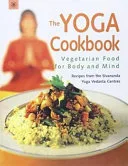
The Yoga Cookbook
 81
81

The Yoga Cookbook
While "The Yoga Cookbook" offers a comprehensive collection of sattvic recipes, its true strength lies in its clear articulation of the connection between diet and spiritual practice. The Sivananda Yoga Vedanta Centre has meticulously curated dishes that are not only healthy but also energetically balanced, a concept central to yogic philosophy. One particularly useful section details the energetic properties of common ingredients, moving beyond mere nutritional information. However, the book occasionally feels prescriptive, with less room for individual adaptation than some modern culinary guides. A limitation is the absence of explicit guidance on sourcing truly sattvic ingredients in diverse global markets. Despite this, the work stands as a solid resource for those committed to a yogic lifestyle, offering tangible ways to manifest spiritual principles in the kitchen.
📝 Description
81
Published in December 2001, The Yoga Cookbook offers a practical approach to yogic eating.
The Yoga Cookbook, from the Sivananda Yoga Vedanta Centre, provides recipes designed to align with yogic principles and support spiritual practice. It focuses on sattvic foods, detailing their preparation and the benefits they offer for both body and mind. The book is for dedicated yoga practitioners who wish to connect their physical discipline with their diet. It also appeals to those interested in Ayurvedic principles, mindful eating, and vegetarianism, as well as individuals seeking inner peace through conscious food choices.
The early 2000s saw a growing interest in Eastern philosophies and holistic wellness, and this book emerged within that context. It builds on the teachings of yoga masters like Swami Sivananda, whose ideas about diet were central to spiritual growth. The book reflects a modern interest in sattvic traditions, offering an alternative to the processed food culture common at the time. It emphasizes how food can promote clarity, calmness, and health.
This book draws from the Hatha Yoga tradition, specifically the lineage of Swami Sivananda, who emphasized diet as a crucial element of spiritual development. It connects yogic philosophy with practical culinary application, focusing on sattvic foods believed to promote mental clarity and spiritual well-being. The concept of prana, or life force, in food and its energetic properties is central, linking consumption directly to inner states like calmness and concentration, which are beneficial for meditation and self-reflection.
💡 Why Read This Book?
• Learn to prepare sattvic meals that promote mental clarity, directly referencing the "sattvic" food concept central to yogic diets. • Understand the energetic properties of ingredients, moving beyond basic nutrition as detailed in the book's ingredient guides. • Integrate yogic philosophy into daily life through mindful cooking, inspired by the Sivananda Yoga Vedanta Centre's approach dating back to their founding.
⭐ Reader Reviews
Honest opinions from readers who have explored this book.
❓ Frequently Asked Questions
What is the primary dietary philosophy behind "The Yoga Cookbook"?
The book champions a "sattvic" diet, emphasizing pure, balanced foods that promote clarity, calmness, and physical health, aligning with yogic principles for spiritual growth.
Are the recipes in "The Yoga Cookbook" suitable for beginners?
Yes, the recipes are generally straightforward, often featuring readily available ingredients and clear instructions, making them accessible for those new to yogic or vegetarian cooking.
Does "The Yoga Cookbook" discuss the spiritual benefits of specific foods?
Absolutely. The book elaborates on how different foods influence the mind and body, connecting ingredient choices to states of consciousness and the overall yogic path.
When was "The Yoga Cookbook" first published?
The book was first published on December 1, 2001, by the Sivananda Yoga Vedanta Centre.
What is the historical origin of the Sivananda Yoga Vedanta Centre?
The Sivananda Yoga Vedanta Centre was founded by Swami Vishnudevananda, a direct disciple of Swami Sivananda, who brought the teachings of Vedanta and Yoga to the West.
Does the book offer guidance on cooking for specific yogic practices like meditation?
Yes, the recipes are designed to be light and easily digestible, intended to support practices such as meditation by not weighing down the practitioner.
🔮 Key Themes & Symbolism
Sattvic Cuisine and Consciousness
The book's central theme is the promotion of sattvic food – pure, balanced, and wholesome – as a central to yogic living. It argues that consuming sattvic foods directly influences mental clarity, emotional stability, and spiritual progress. This goes beyond mere nutrition, positing that food carries an energetic quality that can either hinder or support one's sadhana (spiritual practice). Recipes are curated to be light, easily digestible, and conducive to meditation, reflecting the Sivananda tradition's emphasis on the interconnectedness of diet, health, and spiritual awareness.
Holistic Integration of Yoga
"The Yoga Cookbook" posits that yoga is not solely an asana practice but a comprehensive lifestyle. Diet is presented as an indispensable limb of this holistic path. The Sivananda Yoga Vedanta Centre, through this work, encourages practitioners to extend their mindful awareness from the yoga mat into the kitchen. The preparation and consumption of food become acts of devotion and self-care, aligning the physical body and its sustenance with higher spiritual aspirations and the teachings of Vedanta.
Energetics of Food
Beyond macronutrients, the book examines the subtle energetic properties of ingredients and their preparation. It discusses how certain foods can increase prana (life force) while others deplete it. Cooking methods are also considered for their impact on the food's energetic vibration. This perspective aligns with Ayurvedic and yogic traditions that view food as a source of vital energy, crucial for maintaining balance and supporting the body's natural healing processes and spiritual potential.
Mindful Consumption
The act of eating is framed as a meditative practice. The cookbook encourages appreciating the source of food, the effort in its preparation, and its role in sustaining life and consciousness. It advocates for a conscious approach to consumption, moving away from hurried, distracted eating towards a more reverent engagement with meals. This mindful approach transforms eating into an opportunity for gratitude and self-awareness.
💬 Memorable Quotes
Direct passages from the work, attributed to the author.
“Food is medicine for the body and fuel for the soul.”
— This aphorism expresses the book's core message: that dietary choices possess both physical and spiritual dimensions, impacting not just health but also one's capacity for higher consciousness and practice.
“A sattvic diet clears the mind for meditation.”
— This statement highlights the direct correlation the book draws between specific food qualities (sattvic) and the mental state required for effective yogic practices, particularly meditation.
“Cook with love, eat with awareness.”
— This practical advice emphasizes the intention and mindfulness that should accompany both the preparation and consumption of food, framing them as integral to the yogic path.
“The energy of the food affects the energy of the practitioner.”
— This highlights the concept of food's subtle energetic properties (prana), asserting that the practitioner's vitality and spiritual receptivity are directly influenced by their diet.
“Simple ingredients, prepared with care, yield the greatest nourishment.”
— This reflects the book's philosophy of valuing simplicity and intention over complexity or extravagance in cuisine, aligning with yogic ideals of contentment and moderation.
🌙 Esoteric Significance
Tradition
This work firmly sits within the yogic and Vedanta traditions, specifically influenced by the teachings of Swami Sivananda and his disciple Swami Vishnudevananda. It aligns with the broader yogic understanding of the body and mind as interconnected, where diet (Ahara) is a primary factor influencing consciousness (Chitta). It departs from purely ascetic interpretations by offering practical, accessible methods for integrating spiritual principles into daily life through food, emphasizing nourishment and well-being.
Symbolism
While not overtly symbolic in the manner of Hermetic or Kabbalistic texts, the book imbues ingredients and preparation with subtle meaning. The emphasis on "sattvic" qualities represents purity and balance, contrasting with "rajasic" (stimulating) and "tamasic" (dulling) foods. The act of cooking itself can be seen as a form of alchemy, transforming raw ingredients into sustenance that supports higher awareness. Simple, natural ingredients symbolize a return to fundamental truths, mirroring the yogic pursuit of simplicity.
Modern Relevance
Contemporary wellness movements, plant-based diets, and the integration of mindfulness into daily life owe a debt to works like "The Yoga Cookbook." Thinkers and practitioners advocating for conscious eating, food as medicine, and the connection between diet and mental health often echo the principles articulated here. The book's focus on sattvic principles remains relevant for individuals seeking to cultivate calm, clarity, and a more balanced lifestyle in an often chaotic world.
👥 Who Should Read This Book
• Dedicated yoga practitioners seeking to deepen their spiritual practice by aligning their diet with yogic philosophy. • Individuals interested in Ayurvedic principles and holistic nutrition who want to understand the energetic impact of food. • Vegetarians and vegans looking for wholesome, sattvic recipes that support mental clarity and physical well-being.
📜 Historical Context
Published in 2001, "The Yoga Cookbook" emerged during a period of burgeoning global interest in wellness, Eastern spirituality, and vegetarianism. It arrived amidst a growing counter-cultural movement that questioned industrialized food systems and sought more natural, holistic approaches to health. The Sivananda Yoga Vedanta Centre, founded by Swami Vishnudevananda in the mid-20th century, built upon the foundational teachings of Swami Sivananda, a prolific writer and proponent of integral yoga. This book reflects the Centre's long-standing emphasis on diet as a critical component of yogic discipline, often presented in contrast to the prevailing Western fast-food culture. While not directly engaging with specific academic debates, it contributed to a broader discourse on mindful eating and vegetarianism, influenced by traditions like Ayurveda, that was gaining traction beyond purely spiritual circles, paralleling the rise of figures like Sadhguru who also advocate for yogic dietary principles.
📔 Journal Prompts
Reflect on the energetic qualities of your favorite meals and their impact on your mood.
Consider how the concept of 'sattvic' food might influence your next grocery shopping trip.
Analyze the intention behind your cooking process, linking it to the Sivananda Yoga Vedanta Centre's philosophy.
Describe a meal that felt particularly nourishing to both your body and your spirit.
How can incorporating mindful eating practices, as suggested by the book, enhance your daily routine?
🗂️ Glossary
Sattvic
In yogic and Ayurvedic traditions, referring to foods that are pure, balanced, wholesome, and promote clarity, calmness, and health. They are typically fresh, natural, and easily digestible.
Rajasic
Foods that are stimulating, exciting, or excessively pungent, bitter, sour, or salty. They can increase passion, activity, and agitation, potentially disturbing mental equilibrium.
Tamasic
Foods that are heavy, dulling, stale, or processed. They can lead to lethargy, mental fog, and inertia, hindering spiritual progress and physical vitality.
Prana
The vital life force energy that permeates all living beings. It is believed to be transmitted through breath, food, and water, and is essential for physical health and consciousness.
Sadhana
A spiritual discipline or practice undertaken to achieve a specific spiritual goal. It encompasses various practices like meditation, yoga postures, chanting, and mindful living.
Vedanta
A school of Hindu philosophy (literally 'end of the Vedas') concerned with the nature of ultimate reality (Brahman) and the self (Atman), emphasizing knowledge and wisdom.
Ahara
Sanskrit term for diet or food. In yogic context, it refers not only to what is eaten but also how and when, emphasizing its impact on mind and body.