Mary Todd Lincoln and the Illuminati
 71
71

Mary Todd Lincoln and the Illuminati
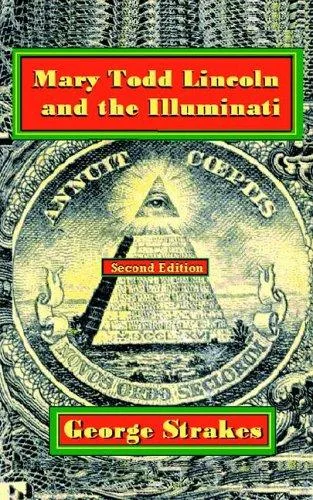
George Strakes' "Mary Todd Lincoln and the Illuminati" bravely wades into the murky waters of historical conspiracy, proposing a radical reinterpretation of the Lincoln White House. The author's assertion that Mary Todd Lincoln was deeply involved with the Illuminati is ambitious, to say the least. A particular strength lies in Strakes' diligent, if speculative, attempt to connect documented historical events with esoteric lore, drawing parallels between personal correspondences and alleged secret society rituals. However, the work suffers from a reliance on circumstantial evidence and a tendency to interpret any ambiguity as confirmation of conspiracy. The discussion of Lincoln's alleged use of séances, while intriguing, often feels like conjecture built upon conjecture rather than solid historical analysis. The book’s primary limitation is its difficulty in distinguishing between historical fact and unsubstantiated theory. Ultimately, Strakes offers a compelling, albeit unproven, narrative for those predisposed to believe in hidden forces shaping American destiny.
📝 Description
71
George Strakes' 2004 book claims Mary Todd Lincoln was entwined with the Illuminati.
Published in 2004, George Strakes' "Mary Todd Lincoln and the Illuminati" examines the supposed influence of a secret society on American history, with a particular focus on the White House during Abraham Lincoln's presidency. Strakes suggests that Mary Todd Lincoln was more than just a First Lady; he posits she was deeply involved with occult groups, specifically the Illuminati. This work is recommended for readers interested in conspiracy theories, especially those related to secret societies and their alleged sway over political occurrences. It will attract individuals who appreciate speculative historical accounts and examinations of hidden influences.
The book is part of a historical tradition that has shown interest in secret societies since the late 20th century. This tradition builds upon earlier writings that connected Freemasonry, the Bavarian Illuminati, and European royalty. Strakes' book continues this line of inquiry by questioning standard historical narratives through the lens of concealed motives and clandestine activities. A central idea in Strakes' argument is that historical personalities, including First Ladies, might have been controlled or inducted into secret organizations. The narrative considers the potential for occult symbols in the White House's design and historical events, proposing an unseen reality that shaped significant choices and personal misfortunes.
Strakes' work is situated within the broader esoteric tradition that investigates hidden historical forces, particularly secret societies like the Illuminati. This tradition often challenges mainstream historical interpretations by proposing that significant events are directed by clandestine groups. It draws on centuries of speculation about Freemasonry, Rosicrucianism, and other orders, linking them to political upheavals and influential figures. The book engages with the idea that certain historical eras or locations, like the White House during Lincoln's tenure, might have been centers of occult activity or manipulation.
💡 Why Read This Book?
• Gain a unique perspective on the supposed occult underpinnings of the Lincoln presidency, exploring how esoteric beliefs might have influenced major historical figures. • Understand the specific allegations made by Strakes regarding Mary Todd Lincoln's potential involvement with secret societies during the Civil War era. • Examine the historical context of conspiracy theories surrounding the Illuminati and their alleged presence in American government at critical junctures.
⭐ Reader Reviews
Honest opinions from readers who have explored this book.
❓ Frequently Asked Questions
What specific claims does the book make about Mary Todd Lincoln's connection to the Illuminati?
The book suggests Mary Todd Lincoln was either a member or heavily influenced by the Illuminati, positing her actions and the events surrounding her life were guided by this secret society's agenda.
Does the book provide concrete evidence of Illuminati activity in the White House?
Strakes' work presents alleged symbolic connections and interpretations of historical events as evidence, rather than direct, verifiable documentation of Illuminati meetings or directives within the White House.
What historical period does 'Mary Todd Lincoln and the Illuminati' primarily cover?
The book focuses on the period of Abraham Lincoln's presidency, roughly from 1861 to 1865, and the years immediately preceding and following it.
Is this book considered a factual historical account or a work of speculative theory?
It is widely regarded as a speculative work exploring conspiracy theories rather than a rigorously documented historical account.
What other historical figures are mentioned in relation to secret societies in the book?
While Mary Todd Lincoln is central, the book may touch upon other figures associated with occultism or secret societies during the 19th century, often in relation to her alleged connections.
When was 'Mary Todd Lincoln and the Illuminati' first published?
The book was first published in the year 2000.
🔮 Key Themes & Symbolism
Occult Influence on Politics
This theme explores the provocative idea that clandestine organizations, specifically the Illuminati, exerted control over central figures and decisions in American history. Strakes suggests that the White House during Abraham Lincoln's tenure was not immune to these hidden forces, positing that Mary Todd Lincoln's personal life and public role were intertwined with esoteric agendas. The work examines how symbols and rituals might have been employed to maintain secrecy and exert influence, challenging conventional historical narratives by introducing a layer of covert manipulation. The Civil War era is presented as a critical juncture where such unseen hands could have profoundly shaped outcomes.
Mary Todd Lincoln's Secret Life
The book centers on a speculative portrayal of Mary Todd Lincoln, moving beyond her documented role as First Lady. Strakes proposes that her interest in spiritualism and alleged séances were not merely personal eccentricities but indicators of a deeper engagement with occult practices and secret societies. The narrative explores her potential motivations and the clandestine networks she might have navigated. This theme looks at the interpretation of her correspondence and public demeanor as coded messages or outward signs of an inner, hidden life connected to esoteric orders, particularly the Illuminati.
Symbolism in the White House
A significant aspect of the book involves the analysis of supposed occult symbolism embedded within the architecture, decor, and even events of the White House during the Lincoln administration. Strakes suggests that certain design choices or public ceremonies were not accidental but deliberate insertions of esoteric iconography meant for those 'in the know.' This theme examines how these symbols, according to the author's thesis, served to communicate with or affirm the presence of secret societies like the Illuminati within the highest levels of American government, thereby imbuing the historical setting with a hidden, mystical dimension.
The Illuminati's Historical Reach
This theme broadens the scope to consider the historical trajectory and alleged pervasive influence of the Illuminati. The book posits that this Bavarian secret society, founded in 1776, continued its operations and manipulations long after its historical dissolution. Strakes argues for its continued presence and impact on major world events, with a particular focus on its alleged penetration of American institutions. The narrative uses the Lincoln presidency as a case study to illustrate how the Illuminati might have operated from the shadows, influencing political discourse, personal tragedies, and the very fabric of the nation.
💬 Memorable Quotes
Direct passages from the work, attributed to the author.
“The veil between the visible and invisible was thinner in the White House than history books admit.”
— This interpretation suggests that the author believes significant, unacknowledged spiritual or occult forces were at play during Mary Todd Lincoln's time, influencing events beyond conventional understanding.
“Symbols in stone and word spoke a language only the initiated could truly comprehend.”
— This interpretation suggests the author posits that hidden meanings and secret communications were embedded within the physical environment and written records of the period, accessible only to members of secret societies.
“The true architects of the era often worked in silence, their blueprints drawn in shadow.”
— This concept implies that the book argues for the existence of unseen manipulators, like the Illuminati, who guided historical events from behind the scenes, their influence masked by public spectacles.
“Even amidst war, the rituals of power continued, albeit in obscured forms.”
— This interpretation suggests that the author believes secret societies maintained their practices and influence even during the turmoil of the Civil War, adapting their methods to remain hidden.
💡 Key Ideas
Editorial paraphrase of the work's core concepts — not direct quotes.
Her fascination with spiritualism was not mere grief, but a gateway.
This paraphrased concept implies that Mary Todd Lincoln's documented interest in séances and the occult is presented by Strakes not as a reaction to personal loss, but as an active pursuit of esoteric knowledge or connection.
🌙 Esoteric Significance
Tradition
This work aligns loosely with Western Esotericism's fascination with hidden histories and secret societies, particularly drawing from the Illuminati mythos that gained traction in occult circles from the late 18th century onwards. It departs from more structured traditions like Hermeticism or Kabbalah by focusing on a specific, often sensationalized, conspiracy narrative rather than established philosophical or magical systems. Its lineage is more akin to popular occult journalism and speculative theories about societal control.
Symbolism
The book likely explores symbols associated with the Illuminati, such as the Eye of Providence (often mistakenly attributed solely to the Illuminati but present on the Great Seal of the United States) and potentially esoteric interpretations of Masonic symbols. It might also look at numerology or astrological correlations linked to significant dates in Mary Todd Lincoln's life or the Civil War, framing these as coded messages within the supposed Illuminati agenda.
Modern Relevance
Contemporary conspiracy circles and alternative history enthusiasts continue to explore themes of hidden governmental influence and secret societies. Works like Strakes' contribute to a broader online discourse about perceived manipulation by shadowy organizations, resonating with communities interested in deep state theories or those seeking explanations for societal problems outside conventional political frameworks.
👥 Who Should Read This Book
• Readers interested in speculative history and conspiracy theories concerning secret societies, particularly the Illuminati. • Enthusiasts of American Civil War era intrigue who enjoy exploring unconventional narratives about prominent historical figures. • Individuals curious about the intersection of spiritualism, occultism, and political power in 19th-century America.
📜 Historical Context
Published in 2000, George Strakes' "Mary Todd Lincoln and the Illuminati" emerged during a period of heightened public fascination with conspiracy theories, particularly those surrounding secret societies. This era saw a resurgence of interest in figures like Adam Weishaupt and the historical Bavarian Illuminati, often conflated with Freemasonry and other fraternal organizations. Strakes’ work taps into a lineage of speculative history that questions official narratives, building upon earlier theories linking occult groups to American foundational events. The late 20th century also witnessed a surge in comparative esoteric studies, yet Strakes' approach leans more towards sensationalism than academic rigor. While the book doesn't engage directly with academic discourse, it reflects a popular undercurrent seeking hidden explanations for historical anomalies, existing alongside more grounded historical scholarship of the American Civil War.
📔 Journal Prompts
The symbolism potentially present in the White House during the Lincoln administration: what might it have communicated?
Mary Todd Lincoln's documented interest in spiritualism: how could this align with an alleged secret society affiliation?
The concept of the Illuminati influencing historical events: what parallels can be drawn to modern-day conspiracy theories?
Interpreting historical ambiguity: when does speculation about secret societies become unfounded?
The role of belief in esoteric orders in shaping perceptions of historical figures like Mary Todd Lincoln.
🗂️ Glossary
Illuminati
A historical secret society founded in Bavaria in 1776 by Adam Weishaupt, known for its Enlightenment ideals and later subject to numerous conspiracy theories regarding its alleged continued influence on world events.
Spiritualism
A religious movement prominent in the 19th century, believing that spirits of the dead could communicate with the living, often through mediums, a practice Mary Todd Lincoln was known to engage with.
Esoteric
Relating to or accessible only by a select group of people with a specialized knowledge or interest; dealing with the hidden or mysterious.
Bavarian Illuminati
The specific historical organization founded by Adam Weishaupt in Bavaria, distinct from later, broader interpretations of the 'Illuminati' in conspiracy lore.
Occult
Belief in or the study of supernatural, mystical, or magical powers and phenomena; relating to forces beyond the normal.
Conspiracy Theory
An explanation of an event or situation that invokes a conspiracy by sinister and powerful groups, often political in motivation, when other explanations are more probable.
First Lady
The wife or hostess of the President of the United States, a prominent public role that Mary Todd Lincoln held during her husband Abraham Lincoln's presidency.
🔮 Readers Also Liked
Browse all →








More by George Strakes
All books →
More Free Occult Philosophy Books
View all →