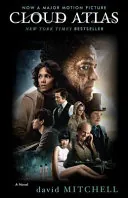
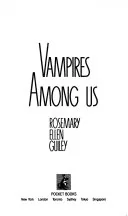
Vampires Among Us
 81
81

Vampires Among Us
Rosemary Guiley’s 1991 investigation, "Vampires Among Us," offers a jarring departure from gothic lore, focusing instead on the reported experiences of individuals who claim to be modern-day energy vampires. The strength of the book lies in Guiley’s journalistic rigor, presenting a wealth of anecdotal evidence gathered through interviews, lending a sense of authenticity to often-taboo subjects. She carefully distinguishes between mythological figures and the lived realities of those she interviewed, particularly in her exploration of "psi vampires." A limitation, however, is the inherent subjectivity of the source material; the reliance on personal accounts, while compelling, can leave the reader questioning the empirical validity of some claims. Guiley’s discussion of energy siphoning, for instance, though detailed, remains within the realm of subjective experience rather than verifiable phenomenon. The work’s most impactful contribution is its framing of vampirism not as an otherworldly curse, but as a potential facet of human psychology and inter-personal dynamics. It’s a report from the fringe, meticulously documented but open to interpretation.
📝 Description
81
Rosemary Guiley's 1991 book examines modern vampirism through psychic investigation and personal testimony.
First published in 1991, Rosemary Guiley's "Vampires Among Us" moves past folklore to investigate modern vampirism. Guiley, a researcher in paranormal topics, bases her work on interviews and firsthand accounts. She suggests that individuals with vampiric traits or behaviors exist in contemporary society. The book does not portray these individuals as mythical creatures but as people who live dual lives. Some struggle with their nature, while others embrace it. Guiley’s research aims to understand these individuals and their experiences within society. The book is for readers interested in the psychological and sociological sides of the paranormal. It suits those with an open mind and a desire for evidence. The work also appeals to those curious about subcultures, alternative lifestyles, and less understood aspects of human psychology that touch on esoteric beliefs. Readers familiar with Guiley's other work on psychic phenomena will find this a focused look at a specific topic.
Published in 1991, "Vampires Among Us" appeared during a resurgence of interest in occult and paranormal topics. Guiley's method, combining journalistic research with psychic insight, set it apart from academic studies or sensationalized fiction. This era saw a growth in New Age thinking and a greater openness to discussing fringe subjects. This created fertile ground for a book that aimed to clarify and examine the lived reality of beings often relegated to myth.
💡 Why Read This Book?
• Gain insight into the concept of "psi vampires" and energy exchange, moving beyond purely mythological interpretations of vampirism, as detailed in Guiley's interviews. • Understand the historical context of paranormal exploration in the early 1990s, a period when Guiley was actively investigating and publishing on topics like psychic phenomena. • Explore the sociological and psychological dimensions of individuals who identify with vampiric traits, differentiating them from fictional archetypes.
⭐ Reader Reviews
Honest opinions from readers who have explored this book.
❓ Frequently Asked Questions
What is the difference between mythological vampires and the "vampires" discussed in Rosemary Guiley's book?
Guiley's "Vampires Among Us" focuses on "living vampires" or "psi vampires," individuals who may draw psychic or emotional energy from others, rather than the blood-drinking, supernatural creatures of folklore and fiction like Dracula.
When was Rosemary Guiley's book 'Vampires Among Us' first published?
Rosemary Guiley's "Vampires Among Us" was first published in 1991, positioning it within the early wave of contemporary paranormal and esoteric investigations.
What kind of evidence does Guiley present in 'Vampires Among Us'?
The book is primarily based on extensive interviews and first-person accounts from individuals who identify as or exhibit traits associated with modern vampirism, drawing from Guiley's work as a journalist and psychic investigator.
Are the 'vampires' in the book supernatural beings?
No, Guiley distinguishes her subjects from supernatural entities. The book explores individuals who may have psychological or energetic needs that lead them to interact with others in ways that resemble vampiric themes, often living complex dual lives.
What is 'psi vampire' or 'energy vampire'?
A 'psi vampire' or 'energy vampire' is a term used by Guiley and others to describe individuals who reportedly sustain themselves by drawing psychic or emotional energy from other people, often without physical harm.
What does Guiley say about the dual lives of modern vampires?
Guiley suggests that many individuals identifying as modern vampires lead outwardly normal lives, concealing their unique energetic needs or practices from the general public, thus maintaining a 'bizarre double life'.
🔮 Key Themes & Symbolism
Living Vampirism
Guiley's work introduces the concept of "living vampires" or "psi vampires," distinguishing them from mythological beings. This theme explores individuals who claim to draw psychic or emotional energy from others to sustain themselves. The book explores the personal testimonies and reported experiences of these individuals, examining their unique needs and how they navigate their existence within society, often maintaining a hidden or dual life. It posits vampirism not as a supernatural curse, but as a potential aspect of human energetic interaction.
Psychic and Energetic Exchange
Central to the book is the idea of psychic and energetic exchange as a means of sustenance for "psi vampires." Guiley presents accounts of individuals who consciously or unconsciously siphon energy from those around them. This theme investigates the mechanics and perceived effects of such exchanges, exploring how these individuals manage their energetic requirements and the impact it has on their relationships and well-being. It offers a framework for understanding these phenomena outside traditional supernatural contexts.
Dual Lives and Identity
The "bizarre double lives" of modern-day vampires form a significant theme. Guiley highlights how individuals who identify with vampiric traits often conceal their nature, presenting a conventional facade to the world while engaging in unique practices or experiencing distinct energetic states privately. This theme examines the psychological and social challenges of maintaining such identities, the motivations behind secrecy, and the internal conflicts or integrations that arise from living with a hidden self.
Journalistic and Psychic Investigation
This theme focuses on Rosemary Guiley's methodology. As a journalist and psychic investigator, she approached the subject with a dual lens: rigorous factual reporting and intuitive exploration. The book showcases her process of gathering firsthand accounts and analyzing them through both rational inquiry and psychic sensitivity. This approach aims to provide a more nuanced understanding of the phenomenon by bridging empirical evidence with esoteric perception, moving beyond mere sensationalism.
💬 Memorable Quotes
Direct passages from the work, attributed to the author.
“The book tells of the bizarre double lives of many men and women.”
— This statement expresses the core premise of Guiley's research, suggesting that individuals exhibiting vampiric traits do not fit the monstrous archetype but lead complex, often hidden, existences within everyday society.
“Based on interviews and first-person accounts, this book reveals the secret lives of modern-day vampires.”
— This highlights Guiley's investigative method, emphasizing that her findings stem directly from the testimony of those involved, lending an air of documentary realism to the exploration of unconventional identities.
“For centuries, vampires have been the stuff of myth and legend, dreams and nightmares.”
— This sets the stage by acknowledging the long-standing cultural fascination with vampires, contrasting it with the book's intention to present a more contemporary, grounded perspective on the phenomenon.
“A journalist and psychic investigator reveals the secret lives of modern-day vampires.”
— This defines Guiley's dual role and the unique perspective she brings, combining objective reporting with intuitive insight to explore a subject often relegated to fiction or folklore.
“Now, a journalist and psychic investigator reveals the secret lives of modern-day vampires.”
— This is an interpretation of the original blurb's intent: Guiley's work aims to pull the concept of vampirism out of the area of fantasy and into the documented experiences of real people living in the modern world.
🌙 Esoteric Significance
Tradition
While not strictly adhering to a single esoteric lineage, Guiley's work draws from the broader Western esoteric tradition, particularly its interest in subtle energies, psychic phenomena, and alternative states of consciousness. It aligns with the Theosophical and New Age movements' focus on unseen forces and the potential for expanded human capabilities beyond the conventionally understood. The book’s examination of energy exchange speaks to concepts found in various energetic healing modalities and traditions that posit a vital life force or aura that can be influenced.
Symbolism
The primary symbolism revolves around the 'vampire' as a metaphor for energetic dependency and the hidden aspects of human nature. The 'blood' of traditional vampires can be reinterpreted as psychic or emotional energy, symbolizing a vital life force that some individuals purportedly require from others. The 'night' and 'secrecy' symbolize the hidden lives and subconscious drives of these individuals, representing a world of experience operating beneath the surface of ordinary reality, often associated with the shadow self in Jungian psychology.
Modern Relevance
Guiley's exploration of "living vampires" and energy exchange finds resonance today within communities discussing psychic sensitivity, empaths, and various forms of energy work. Contemporary thinkers and practitioners in fields like energy healing, trauma-informed psychology, and spiritual development often reference the concept of energy vampires to explain interpersonal dynamics and the need for energetic boundaries. The book's foundational work in documenting these experiences contributes to ongoing discussions about human consciousness, energetic interactions, and the diverse ways individuals may perceive and manage their internal and relational energies.
👥 Who Should Read This Book
• Individuals interested in the psychological and sociological aspects of paranormal beliefs and subcultures, moving beyond sensationalism to understand reported experiences. • Researchers and students of esoteric studies, comparative religion, and fringe belief systems who are examining the evolution of myths and their modern manifestations. • Those who identify as empaths or energy sensitives, seeking to understand concepts like psychic vampirism and energetic boundaries within a documented context.
📜 Historical Context
Published in 1991, "Vampires Among Us" emerged during a period when paranormal and esoteric subjects were gaining significant traction in popular culture and academic discourse. The late 20th century saw a resurgence of interest in occultism, New Age philosophy, and alternative spiritualities, fueled by a growing skepticism towards purely materialist worldviews. Guiley’s work coincided with a broader cultural fascination with the supernatural, evident in popular media like "The X-Files," which premiered the same year. Unlike purely fictional accounts or sensationalist tabloids, Guiley’s approach, rooted in journalism and psychic investigation, sought to provide a more grounded examination of reported phenomena. Her work was part of a larger movement to explore the fringes of human experience and consciousness, often engaging with concepts that challenged conventional psychology and sociology. While not directly engaging with specific academic schools in this particular book, it contributed to the growing body of literature that legitimized the study of paranormal experiences and subcultures.
📔 Journal Prompts
The concept of 'psi vampires' and their need for psychic energy.
Guiley's methodology of journalistic and psychic investigation.
The 'bizarre double lives' described in the book.
Personal reflections on energetic boundaries and interpersonal dynamics.
The transition from mythological vampires to 'living vampires'.
🗂️ Glossary
Psi Vampire
An individual, as described by Guiley, who allegedly sustains themselves by drawing psychic or emotional energy from other people, rather than blood. This concept is central to the book's exploration of modern vampirism.
Energy Siphoning
The alleged process by which psi vampires draw psychic or emotional energy from others. Guiley's work details various accounts of how this is perceived to occur and its effects.
Living Vampire
A term used interchangeably with 'psi vampire,' emphasizing that these individuals are living people with unique energetic needs, distinguishing them from supernatural beings of folklore.
Energetic Needs
The requirement for psychic or emotional energy that, according to Guiley's research, some individuals experience. This is presented as a core driver for their behavior and interactions.
Dual Life
The state of living a hidden or compartmentalized existence, often described by Guiley's subjects who maintain a normal outward appearance while engaging in practices or experiencing states related to their vampiric identity.
Psychic Investigator
A role Guiley adopts, suggesting an approach that combines journalistic inquiry with intuitive or psychic perception to explore paranormal and esoteric subjects.
First-Person Accounts
Testimonies and narratives directly from individuals experiencing or identifying with vampiric traits. These form the primary evidence base for Guiley's findings in 'Vampires Among Us'.
This book appears in 1 collection
🔮 Readers Also Liked
Browse all →








From the “Vampirism” Collection
View all →







More Free Occult Philosophy Books
View all →