Traveling the Sufi Path: A Chishti Handbook from Bijapur
 77
77

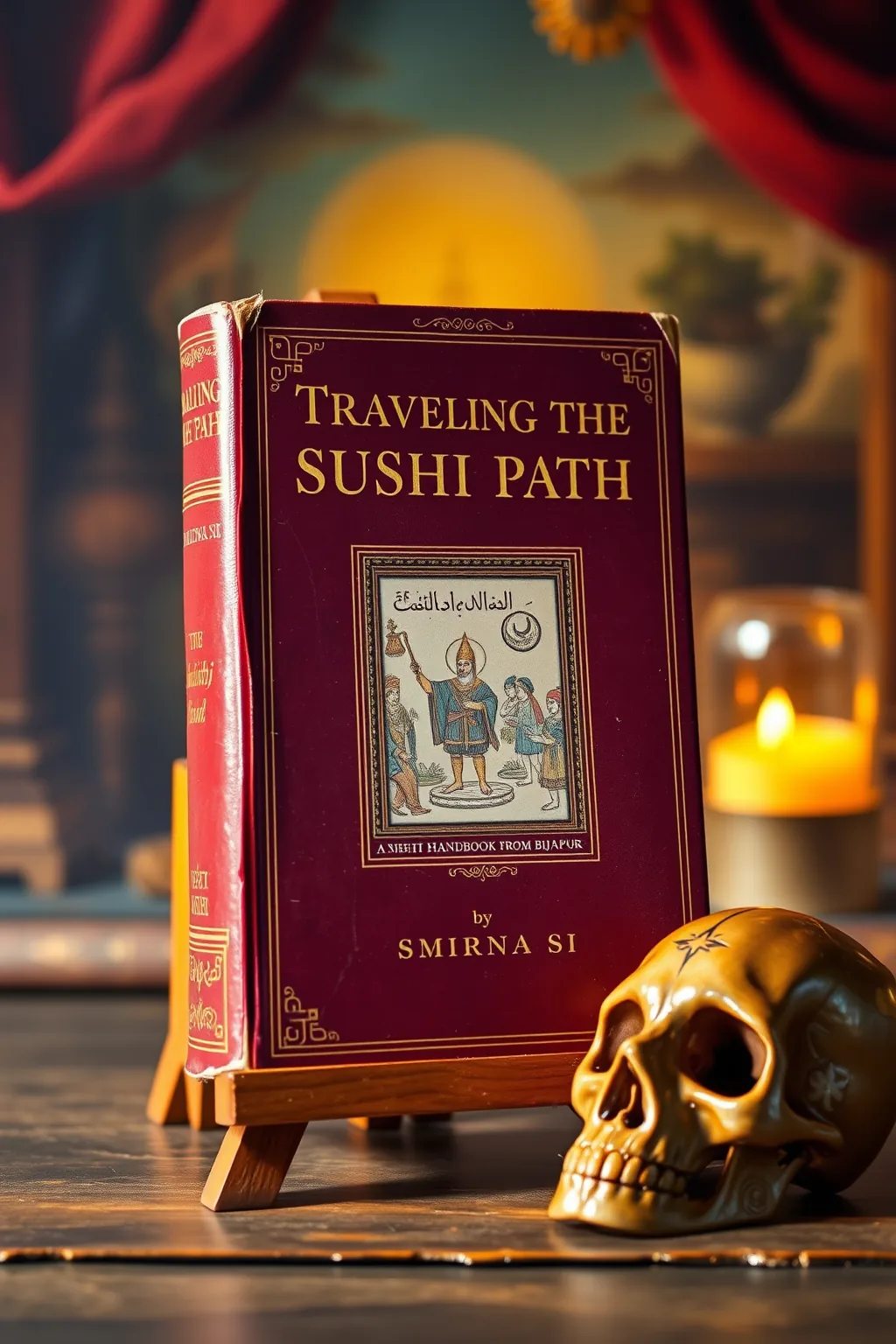
Traveling the Sufi Path: A Chishti Handbook from Bijapur



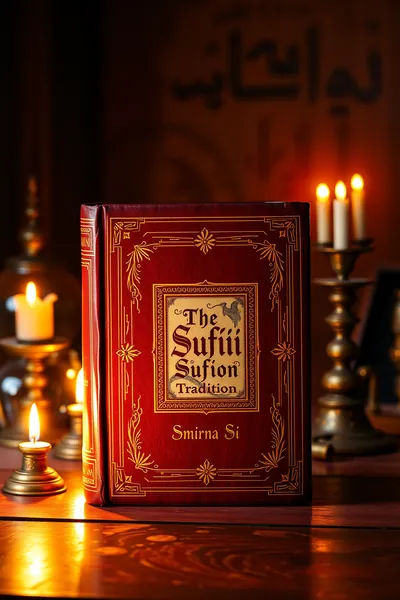
Smirna Si's 'Traveling the Sufi Path' is an indispensable guide for anyone drawn to the mystical heart of Sufism. Drawing from the deep well of Chishti tradition in Bijapur, Si illuminates the path of spiritual ascent with clarity and profound reverence. The book masterfully decodes esoteric concepts, revealing their practical application for the sincere seeker. Its strength lies in its accessible yet deeply insightful approach, making complex spiritual doctrines comprehensible without sacrificing their inherent mystery. This handbook is a treasure for both burgeoning students of Sufism and seasoned practitioners seeking to deepen their connection to the Divine.
📝 Description
77
Smirna Si's 2017 'Traveling the Sufi Path' deciphers Chishti Sufi practices from Bijapur.
This handbook details the Chishti Sufi tradition as practiced in Bijapur, India. Smirna Si examines the specific teachings and symbolic language used within this lineage. The book focuses on the practical application of these esoteric concepts for spiritual development. It aims to illuminate the inner path for individuals seeking deeper connection through devotion and contemplative practice. Si's work highlights the historical presence and continuing influence of Sufism in South Asia, using eloquent prose to describe the spiritual journey.
'Traveling the Sufi Path' is not merely a historical record. It functions as a guide for those interested in the contemplative life. The text unpacks the symbolic meanings behind Chishti rituals and beliefs, aiming to make them accessible to the serious student. It addresses themes of spiritual discipline and the transformative effects of sincere devotion. The book offers insight into the unique expression of Sufism found in the Deccan region.
This work belongs to the tradition of Sufi literature that explains the path of Islamic mysticism. Specifically, it focuses on the Chishti order, a major Sufi lineage in South Asia known for its emphasis on divine love and tolerance. The book addresses the esoteric dimension of Sufism, which involves inner purification and direct experience of the divine, often conveyed through symbolic language and allegorical narratives. It situates these practices within the specific historical and geographical context of Bijapur in the Deccan region.
💡 Why Read This Book?
Uncover the veiled wisdom of the Chishti Sufi order. 'Traveling the Sufi Path' offers a unique window into the spiritual practices and esoteric teachings of the Deccan region. Ideal for seekers of inner peace, scholars of comparative religion, and practitioners of contemplative arts who wish to explore the profound depths of Islamic mysticism and its enduring legacy.
⭐ Reader Reviews
Honest opinions from readers who have explored this book.
❓ Frequently Asked Questions
What is the primary focus of the Chishti order?
The Chishti order emphasizes love, devotion, and spiritual poverty as pathways to divine proximity. Their practices often involve ecstatic chanting, meditation, and a deep connection with the Divine through the human heart.
What makes the Deccan region significant to Sufism?
The Deccan region in India became a fertile ground for Sufi thought and practice, with the Chishti order establishing a significant presence there, contributing to the syncretic spiritual landscape and fostering interfaith dialogue.
Is this book suitable for beginners?
Yes, while rich in esoteric detail, the book is written with clarity, making it accessible to those new to Sufism, while still offering profound insights for experienced practitioners.
What kind of spiritual practices are discussed?
The handbook delves into various contemplative practices, including dhikr (remembrance of God), murāqabah (meditation), and the importance of the spiritual guide (shaykh) in navigating the path.
How does this book relate to W. Chittick's work?
This handbook builds upon and expands the foundational research presented in W. Chittick's article in 'Heritage of Sufism, Vol. 3,' offering a more detailed and practical exploration of the Chishti path from Bijapur.
🔮 Key Themes & Symbolism
The Inner Journey of the Seeker
This theme explores the transformative process of spiritual seeking within the Chishti tradition. It explores the stages of the soul's ascent, the challenges and illuminations encountered, and the cultivation of virtues like patience, sincerity, and detachment. The emphasis is on the internal landscape, where the true pilgrimage unfolds, guided by divine grace and the wisdom of the saints. It highlights the practical application of spiritual disciplines for purifying the heart and drawing closer to the Divine Presence.
Symbolism and Esoteric Interpretation
The book unravels the body of symbolism inherent in Sufi thought and practice, particularly within the Chishti lineage. It examines how everyday concepts and scriptural references are imbued with deeper, esoteric meanings, accessible only through spiritual insight. From the symbolism of the Kaaba to the nuanced language of divine love, readers are guided to perceive the hidden dimensions of reality, understanding that the outer form often conceals a profound spiritual truth waiting to be unveiled.
The Legacy of Sufism in the Deccan
This theme illuminates the historical and spiritual significance of the Chishti order in the Deccan region of India. It explores how Sufi masters established centers of spiritual learning and influence, contributing to the cultural and religious fabric of the area. The handbook showcases the unique devotional expressions and intellectual contributions that characterized Sufism in Bijapur, offering a localized yet universally relevant perspective on the enduring power of these mystical traditions.
💬 Memorable Quotes
Direct passages from the work, attributed to the author.
“The path is walked not with feet, but with the soul's yearning.”
— This highlights the internal nature of the spiritual journey. True progress is measured by the depth of one's spiritual longing and commitment, rather than physical movement.
“In the silence of the night, the Divine whispers its secrets.”
— This speaks to the importance of solitude and contemplation for receiving spiritual revelations. The quietude of the night provides an opportune space for divine communion.
“Love is the key that unlocks every hidden door.”
— This underscores the central role of divine love in Sufism. It is the ultimate force that dissolves barriers and grants access to spiritual truths and higher states of consciousness.
“The Shaykh is the lighthouse guiding ships through the stormy seas of existence.”
— This illustrates the vital role of the spiritual mentor. The Shaykh provides wisdom, support, and guidance, safeguarding the seeker from spiritual perils and directing them towards their ultimate destination.
💡 Key Ideas
Editorial paraphrase of the work's core concepts — not direct quotes.
The heart is the mirror; polish it until it reflects the Beloved.
This quote emphasizes the Sufi practice of spiritual purification. The heart, when free from worldly distractions and egoic attachments, becomes a clear vessel capable of experiencing and reflecting the Divine.
🌙 Esoteric Significance
Tradition
This handbook is deeply rooted in the Chishti Sufi tradition, one of the most prominent and influential orders within Islam. The Chishti path emphasizes the cultivation of divine love, ecstatic devotion, and the purification of the heart as primary means to attain spiritual realization. It is characterized by a profound connection to the Divine through the inner experience, often expressed through music (sama') and poetry, and a strong emphasis on the role of the spiritual guide (Shaykh) in leading disciples through the stages of the soul's journey.
Symbolism
The book deciphers the rich symbolic language of Sufism, particularly as practiced by the Chishtis. Key symbols include the 'heart' as the seat of divine knowledge, 'love' as the driving force of the spiritual path, and the 'journey' as a metaphor for the soul's ascent through various spiritual stations. The Chishti tradition often employs metaphors related to the Beloved, the tavern of divine intoxication, and the annihilation of the ego (fana) in the Divine presence, all serving to guide the seeker towards profound inner transformation.
Modern Relevance
In an age often characterized by materialism and spiritual disconnect, the teachings within 'Traveling the Sufi Path' offer a powerful antidote. The emphasis on inner peace, mindful contemplation, and the cultivation of love and compassion provides timeless wisdom for working through the complexities of modern life. The Chishti path's inclusive spirit and focus on direct spiritual experience continue to resonate with individuals seeking authentic connection and meaning beyond superficial pursuits.
👥 Who Should Read This Book
This handbook is a treasure for a diverse audience. **Beginners** will find an accessible yet profound introduction to the core principles of Sufism and the unique path of the Chishtis. **Scholars** of Islamic studies and comparative religion will appreciate the detailed historical and doctrinal insights into this specific lineage. **Spiritual seekers** yearning for deeper connection and a map for their inner journey will find guidance and inspiration. **Practitioners** of contemplative practices, regardless of tradition, can glean valuable techniques and philosophical perspectives to enrich their own spiritual disciplines.
📜 Historical Context
The Chishti order flourished in the Deccan region of India during a period of significant cultural and political exchange. Arriving in the 12th century, Sufi masters like Khwaja Moinuddin Chishti and his successors established a profound spiritual presence. The city of Bijapur, with its magnificent architecture and diverse population, became a nexus for Sufi teachings, attracting scholars, devotees, and seekers from various backgrounds. This era witnessed a vibrant synthesis of Islamic mysticism with local traditions, fostering an environment of spiritual inquiry and devotional practice. The Chishti emphasis on love, tolerance, and service to humanity resonated deeply, contributing to the unique spiritual heritage of the Deccan.
📔 Journal Prompts
Reflect on a time you felt a deep sense of peace or connection; what elements contributed to this experience?
What does 'spiritual poverty' mean to you, and how might it be cultivated in daily life?
Identify a 'hidden door' in your life that you wish to unlock; what 'key' might be needed?
Consider the concept of the 'heart as a mirror'; what impurities might be clouding your own inner reflection?
How can the principle of 'divine love' guide your interactions with others and your perception of the world?
🗂️ Glossary
Dhikr
Arabic for 'remembrance.' In Sufism, it refers to the remembrance of God, often through repetitive chanting of divine names or phrases, as a means of spiritual discipline and invocation.
Shaykh
An Arabic term for a spiritual guide or master in Sufism. The Shaykh plays a central role in mentoring disciples, guiding them through the spiritual path, and imparting divine knowledge.
Fana
An Arabic term meaning 'annihilation' or 'extinction.' In Sufism, it refers to the annihilation of the ego or self in the Divine presence, leading to a state of spiritual union.
Sama'
Arabic for 'hearing.' In Sufism, it refers to a spiritual concert or gathering where music, chanting, and poetry are used to induce ecstatic states and facilitate divine communion.
Murāqabah
Arabic for 'watchfulness' or 'contemplation.' It is a form of meditation in Sufism focused on deep reflection, mindfulness, and awareness of the Divine presence.
This book appears in 2 collections
🔮 Readers Also Liked
Browse all →








More by Smirna Si
All books →


From the “Christian Mysticism” Collection
View all →








More Free Mysticism & Contemplation Books
View all →