Sufi commentaries on the Quran in Classical Islam
 74
74

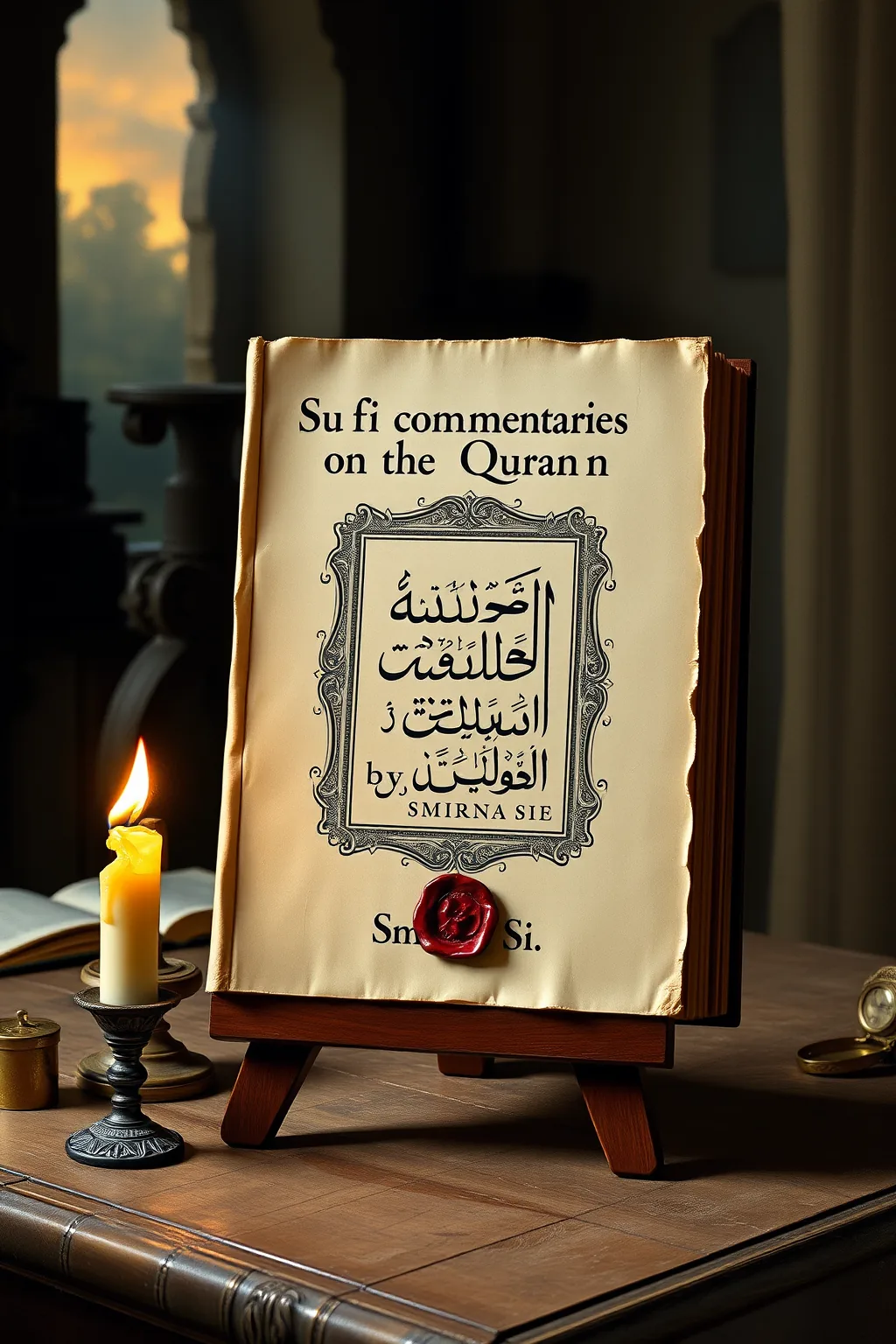
Sufi commentaries on the Quran in Classical Islam



Smirna Si's 'Sufi Commentaries on the Quran in Classical Islam' is a treasure trove for modern esoteric seekers. The book masterfully weaves together philosophical reflections, literary narratives, and poetic expressions to offer a comprehensive view of Sufi exegesis. Si's ability to contextualize Sufi commentaries within the broader landscape of classical Islamic scholarship is particularly commendable. The detailed exploration of various exegetical styles provides a nuanced understanding of how Sufis have interpreted the Quran over the centuries. For contemporary readers, this book serves as a bridge between ancient wisdom and modern spiritual inquiry. It invites readers to reflect on the timeless truths embedded in Sufi thought and apply them to their own spiritual journeys. This book is a valuable resource for anyone seeking to deepen their understanding of Sufism and its mystical interpretations of the Quran.
📝 Description
74
Smirna Si's 2018 study examines the varied ways Sufis interpreted the Quran in classical Islamic times.
Smirna Si's book analyzes Sufi commentaries on the Quran as they developed in classical Islamic scholarship. The work identifies distinct interpretive styles, including those that lean towards philosophical reasoning, others that function as sermons, and those that employ poetry and literary devices. Si situates these Sufi readings within the larger framework of Islamic Quranic exegesis, highlighting how they uncover symbolic meanings and esoteric dimensions often not apparent in more literal interpretations. The book emphasizes the introspective and spiritual nature of these commentaries, aiming to connect readers with the inner layers of meaning found in the Quran.
This study traces the development of these interpretive methods across different Sufi traditions and historical periods within classical Islam. It demonstrates how Sufi scholars used the Quran as a source for spiritual guidance and mystical knowledge. The book details how specific verses or themes were reinterpreted through a Sufi lens, revealing a distinct approach to understanding divine will and human spiritual potential. It offers a look into a rich tradition of Islamic thought that sought deeper, personal engagement with scripture.
This book belongs to the study of Islamic mysticism, specifically the branch known as Sufism. Sufis, throughout Islamic history, sought direct, experiential knowledge of God, often finding this path through contemplative practices and a deep engagement with the Quran. Their interpretive methods frequently went beyond the literal meaning of the text to uncover its inner, spiritual significance, or *batin*. Smirna Si's work details how these esoteric readings were systematized and transmitted within classical Sufi circles, showing how the Quran served not only as a legal and theological guide but also as a source of profound spiritual insight and esoteric doctrine.
💡 Why Read This Book?
In today's world, where spiritual seekers often find themselves navigating a multitude of religious and philosophical traditions, 'Sufi Commentaries on the Quran in Classical Islam' offers a beacon of wisdom. By reading this book, you will gain a deeper understanding of the esoteric dimensions of Islam and the rich tapestry of Sufi thought. This book will enrich your spiritual journey, providing insights that can be applied to personal growth and contemplation. Whether you are a scholar, a spiritual seeker, or simply curious about the mystical traditions of Islam, this book will expand your horizons and deepen your appreciation for the timeless wisdom of Sufism.
⭐ Reader Reviews
Honest opinions from readers who have explored this book.
❓ Frequently Asked Questions
What is the main focus of 'Sufi Commentaries on the Quran in Classical Islam'?
The main focus of this book is to explore the various styles of Sufi commentaries on the Quran, ranging from philosophical musings to popular preaching and literary narratives. It also provides context by examining other classical commentaries.
Who should read this book?
This book is ideal for scholars of Islamic studies, spiritual seekers, and anyone interested in the mystical traditions of Islam. It offers deep insights into Sufi thought and its esoteric interpretations of the Quran.
What makes this book unique compared to other works on Sufism?
This book stands out due to its comprehensive exploration of different exegetical styles within Sufi commentaries and its contextualization within classical Islamic scholarship. Smirna Si's engaging writing style makes it accessible to both academic and general readers.
🔮 Key Themes & Symbolism
Mystical Interpretation
Sufi commentaries study the mystical interpretations of the Quran, revealing the hidden knowledge and spiritual truths that lie beneath the surface of the text. These interpretations often emphasize the esoteric dimensions of Islamic faith, providing readers with a deeper understanding of the mystical journey.
Symbolism and Allegory
The use of symbolism and allegory is a central theme in Sufi commentaries. These texts often employ rich and evocative imagery to convey complex spiritual concepts, inviting readers to engage with the deeper meanings of the Quran.
Philosophical Contemplation
Sufi commentaries often involve philosophical contemplation, exploring the metaphysical and ethical dimensions of Islamic faith. These texts encourage readers to reflect on the profound questions of existence, morality, and the nature of reality.
💡 Key Ideas
Editorial paraphrase of the work's core concepts — not direct quotes.
The Quran is a garden of hidden meanings, where each word is a seed of spiritual wisdom.
This quote underscores the Sufi belief in the esoteric dimensions of the Quran, encouraging readers to delve deeper into its mystical interpretations.
The path to God is a journey of the heart, not just the mind.
This passage highlights the importance of spiritual experience in Sufi thought, emphasizing the role of the heart in the mystical journey.
Symbols are the language of the soul, speaking to us in whispers of the divine.
This quote illustrates the Sufi use of symbolism to convey spiritual truths, inviting readers to engage with the deeper meanings of the Quran.
The essence of faith is in the silence between the words.
This passage emphasizes the Sufi belief in the importance of inner contemplation and the mystical dimensions of faith.
The Quran is a mirror reflecting the soul of the believer.
This quote underscores the Sufi view of the Quran as a source of spiritual self-discovery and inner transformation.
🌙 Esoteric Significance
Tradition
This book belongs to the Sufi tradition, which emphasizes the esoteric and mystical dimensions of Islam. Sufism seeks to uncover the hidden knowledge and spiritual truths that lie beneath the surface of Islamic faith, offering a path to inner transformation and union with the divine.
Symbolism
Key symbols in Sufi commentaries include the heart, the mirror, and the garden. The heart represents the seat of spiritual experience, the mirror reflects the soul of the believer, and the garden symbolizes the abundance of divine wisdom. These symbols are used to convey complex spiritual concepts and invite readers to engage with the deeper meanings of the Quran.
Modern Relevance
This book remains relevant today as it offers valuable insights into the mystical dimensions of Islam. Modern practitioners and scholars of Sufism continue to draw on these commentaries for spiritual guidance and intellectual inspiration. The book's exploration of esoteric interpretations and symbolism provides a rich resource for those seeking to deepen their understanding of Sufi thought.
👥 Who Should Read This Book
Beginners interested in Sufism will find this book to be an excellent introduction to the mystical dimensions of Islam. Scholars of Islamic studies will appreciate the comprehensive analysis of Sufi commentaries and their historical context. Spiritual seekers will be inspired by the esoteric insights and symbolic interpretations offered in these texts. Practitioners of Sufism will benefit from the profound spiritual guidance and intellectual rigor found within these pages.
📜 Historical Context
Written during a time of significant intellectual and spiritual ferment in the Islamic world, 'Sufi Commentaries on the Quran in Classical Islam' reflects the rich diversity of thought and practice that characterized Sufism during this era. The book explores the commentaries of Sufi scholars who sought to uncover the esoteric dimensions of the Quran, providing valuable context for understanding the evolution of Sufi thought. These commentaries were influential in shaping the mystical traditions of Islam and continue to inspire spiritual seekers and scholars today.
📔 Journal Prompts
Reflect on a passage from the book that resonated with you. What spiritual insights did it offer?
How do the Sufi commentaries on the Quran differ from more literal interpretations?
What role does symbolism play in Sufi thought, and how does it enrich your understanding of the Quran?
Consider a time when you experienced a profound spiritual moment. How does this relate to the Sufi emphasis on inner transformation?
How can the esoteric dimensions of the Quran guide your spiritual journey?
🗂️ Glossary
Esoteric
Relating to knowledge that is hidden or revealed only to a select few, often involving mystical or spiritual insights.
Sufi
A member of a mystical Islamic sect that emphasizes inner spiritual experience and direct communion with God.
Exegesis
The critical explanation or interpretation of a text, particularly a religious or philosophical one.
Symbolism
The use of symbols to represent ideas or qualities, often employed in literature and spirituality to convey deeper meanings.
Mystical
Relating to experiences that involve a direct and intimate knowledge of God or the divine, often involving spiritual ecstasy.
This book appears in 2 collections
🔮 Readers Also Liked
Browse all →




More by Smirna Si
All books →

From the “Christian Mysticism” Collection
View all →




More Free Mysticism & Contemplation Books
View all →