To Stir a Magick Cauldron
 82
82

To Stir a Magick Cauldron
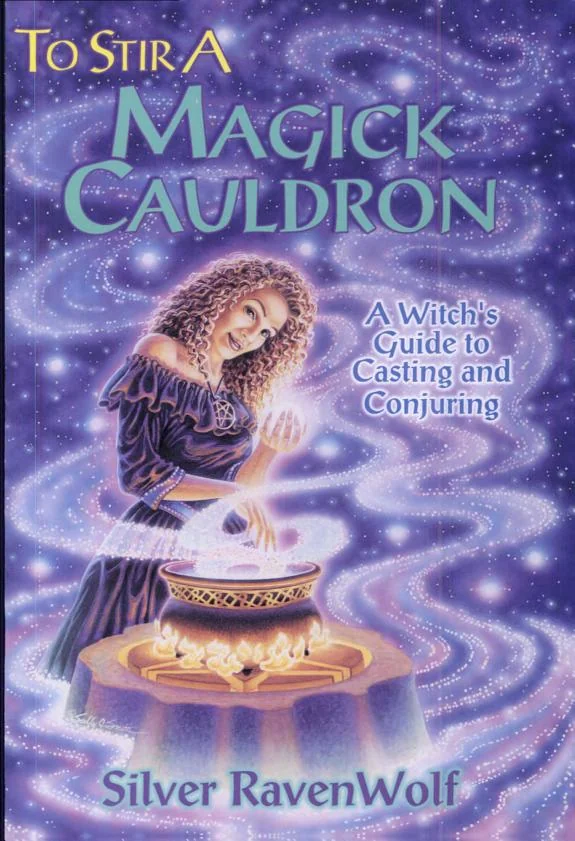
Silver RavenWolf's "To Stir a Magick Cauldron" offers a no-nonsense approach to intermediate Witchcraft, a welcome departure from overly poetic or arcane explanations. The section on the mechanics of circle casting, for instance, is particularly commendable for its clarity; it breaks down a complex ritual element into understandable, actionable steps. This book excels at providing concrete techniques. However, its directness, while a strength, might leave some readers yearning for more exploration of the philosophical underpinnings or historical context of the practices described. The chapter on raising power, while practical, could benefit from more varied examples beyond the standard methods. Ultimately, "To Stir a Magick Cauldron" serves as a reliable workshop manual for the developing Witch.
📝 Description
82
Published in 1995, Silver RavenWolf's To Stir a Magick Cauldron moves beyond beginner witchcraft.
This book addresses the mechanics of more advanced magical work for Witches who already understand the basics. It offers practical guidance on techniques for practitioners ready to elevate their craft. The text caters to those who wish to refine their ritual work, understand energy raising principles, and engage with spellcraft more effectively. It acts as a stepping stone for the dedicated student, not an introduction for newcomers.
RavenWolf details fundamental magical operations, including the construction and purpose of a ritual circle as a sacred space for focused energy. The book also presents methods for generating and directing magical power, which are crucial for spellcasting and ritual. These concepts are presented as tools for any serious practitioner aiming for consistent and potent results in their magical path.
Emerging in the mid-1990s, a time of growth for Neopaganism and Wicca, To Stir a Magick Cauldron provided a systematic approach to advanced practice. This era saw many witchcraft manuals, but RavenWolf's book distinguished itself by focusing on practical application and techniques of established magical principles. It met a demand for instruction that facilitated tangible progress in one's magical path, moving beyond purely theoretical exposition.
💡 Why Read This Book?
• Learn the precise mechanics of circle casting as detailed in Chapter 3, allowing for more potent and secure ritual spaces. • Master ten distinct methods for raising magical power, enabling you to tailor energy generation to specific spell intentions and your personal energy flow. • Gain practical understanding of advanced Witchcraft techniques that move beyond foundational knowledge, empowering you to conduct more complex workings.
⭐ Reader Reviews
Honest opinions from readers who have explored this book.
❓ Frequently Asked Questions
What makes "To Stir a Magick Cauldron" suitable for intermediate Witches?
The book moves beyond basic introductions to focus on the 'how-to' of advanced magical practices, such as the precise mechanics of circle casting and effective power-raising techniques, which are essential for practitioners ready to deepen their craft.
Does Silver RavenWolf explain how to cast a magic circle in this book?
Yes, "To Stir a Magick Cauldron" provides detailed instructions on the proper mechanics of circle casting, presenting it as a fundamental technique for focused ritual work.
How many methods for raising magical power are discussed?
The book outlines ten distinct methods for raising power, offering practitioners a variety of techniques to generate and direct energy for their spellwork.
When was "To Stir a Magick Cauldron" first published?
The original publication date for "To Stir a Magick Cauldron" by Silver RavenWolf was 1995.
Is this book suitable for someone completely new to Witchcraft?
While valuable, the book is best suited for those who already have a foundational understanding of Witchcraft. It addresses intermediate-level practices and assumes some prior knowledge.
What kind of magical practices does the book focus on?
It concentrates on intermediate-level magical practices, including the detailed mechanics of circle casting, various methods of raising power, and other essential techniques for effective spellcraft.
🔮 Key Themes & Symbolism
The Mechanics of Circle Casting
This work emphasizes that the ritual circle is not merely symbolic but a functional tool for magical operations. RavenWolf details the precise steps and energetic considerations involved in creating and maintaining a consecrated space. It explores how the circle acts as a boundary, a focus, and a generator of power, essential for safely containing and directing magical forces during spellcasting and rituals. The text treats circle casting as a core skill requiring deliberate practice and understanding, moving beyond a superficial recitation of steps.
Raising and Directing Magical Power
A significant portion of the book is dedicated to the practical art of power generation. RavenWolf presents ten distinct methods, ranging from traditional visualization and chanting to more dynamic physical or emotional techniques. The focus is on understanding how to build, sustain, and direct this energy effectively towards a specific magical goal. This section highlights that potent spellwork relies on the practitioner's ability to consciously manipulate their own energy and that of their surroundings.
Elevating Craft Practice
The book's overarching theme is guiding practitioners from foundational knowledge to more advanced, applied Witchcraft. It provides the 'how' behind many practices that are often glossed over in introductory texts. By focusing on the tangible mechanics of ritual and spellcraft, RavenWolf aims to empower individuals to take their practice to the next level, fostering greater confidence, efficacy, and a deeper connection to their magical path.
The Working Witch's Toolkit
More than just theory, this book functions as a practical manual. It equips readers with the essential tools and techniques needed for consistent magical work. The emphasis is on actionable advice and reproducible results, making it an indispensable resource for those who see Witchcraft as a dedicated, ongoing practice rather than a casual pursuit. The text provides the nuts and bolts for serious practitioners.
💬 Memorable Quotes
Direct passages from the work, attributed to the author.
“The proper mechanics of circle casting.”
— This highlights the book's practical, technique-focused approach, emphasizing that ritual elements like the circle require deliberate skill and understanding for maximum effectiveness in magical workings.
“Ten ways to raise power.”
— This points to the book's utility as a resource for varied methods of energy generation, crucial for any Witch aiming to amplify their spellcasting capabilities.
“Moving to the next step in craft practice.”
— This signifies the book's intended audience: practitioners who have moved beyond basic introductions and are seeking structured guidance for intermediate-level magical development.
“Tried-and-true Witch wisdom.”
— This suggests the content is based on established, reliable practices within the Witchcraft tradition, offering dependable techniques rather than experimental or unproven methods.
“Essentials of Witchcraft.”
— This indicates that while the book covers intermediate topics, it also reinforces the fundamental principles that underpin all effective Witchcraft practice, ensuring a solid grasp of core concepts.
🌙 Esoteric Significance
Tradition
This work primarily fits within the modern eclectic or traditionalist streams of Western Witchcraft, often drawing from Wiccan foundations but expanding into broader magical principles. It departs from purely theoretical or ceremonial systems by focusing on practical, actionable techniques applicable to individual practitioners. It emphasizes a hands-on, results-oriented approach to magic, grounded in established practices rather than specific, rigid lineages.
Symbolism
The central symbol, the cauldron, represents transformation, creation, and the vessel of magic itself. It signifies the alchemical process of transforming base energies into potent magical outcomes. The act of 'stirring' implies active participation and direction of these forces. While not heavily reliant on complex symbolic systems like Kabbalah, the book uses these core symbols to underscore the active, transformative nature of practical magic.
Modern Relevance
RavenWolf's focus on clear, actionable techniques for circle casting and energy raising remains highly relevant for contemporary Witches and magical practitioners. Her work is often cited by those seeking structured guidance in eclectic traditions. Modern online communities and courses frequently reference her methods as reliable building blocks for developing a personal magical practice, demonstrating the enduring utility of her practical approach.
👥 Who Should Read This Book
• Witches and magical practitioners who have completed introductory studies and seek to refine their ritual mechanics. • Students of comparative religion interested in the practical application of modern Pagan magical techniques and their evolution. • Individuals looking for a structured, technique-focused guide to enhancing their spellcasting abilities and deepening their connection to magical practice.
📜 Historical Context
Published in 1995, "To Stir a Magick Cauldron" emerged during a period of significant growth and maturation within the Neopagan and Wiccan movements. Following the foundational works of figures like Gerald Gardner and Doreen Valiente in the mid-20th century, the 1980s and 90s saw an explosion of books aimed at a burgeoning public interest. Many texts offered introductory overviews, but RavenWolf's work distinguished itself by focusing on the practical, intermediate techniques that practitioners sought as they moved beyond the basics. This era saw a diversification of paths within Witchcraft, with authors like Scott Cunningham emphasizing natural magic and Starhawk exploring feminist and political dimensions. RavenWolf's contribution was to provide a detailed, almost workshop-like manual for refining core magical skills, addressing a specific need for structured progression in a rapidly expanding spiritual landscape.
📔 Journal Prompts
Reflect on the mechanics of circle casting as presented in Chapter 3.
Consider the ten methods for raising power and which might best suit your personal practice.
Analyze the transition from foundational Witchcraft knowledge to intermediate techniques discussed.
How does the concept of the cauldron as a magical vessel apply to your personal spellwork?
Evaluate the 'tried-and-true' nature of the wisdom presented in your own magical experiences.
🗂️ Glossary
Circle Casting
The ritual act of delineating and consecrating a sacred space, typically circular, to contain and focus magical energy during spellwork or ceremony.
Raising Power
The process of generating and accumulating magical energy, essential for fueling spells and rituals, through various physical, mental, or energetic techniques.
Craft Practice
Refers to the ongoing, dedicated application of Witchcraft principles and techniques in a practitioner's life and magical workings.
Spellcraft
The art and practice of designing, casting, and directing spells to achieve specific magical intentions or outcomes.
Consecration
The act of dedicating or setting apart an object, place, or person for sacred purposes or magical use, often involving ritual blessings.
Magical Mechanics
The fundamental principles and precise methods underlying magical operations, emphasizing the practical 'how-to' aspects of ritual and spellcasting.
Intermediate Level
Denotes practices and knowledge that go beyond beginner basics, requiring a foundational understanding and focusing on more complex or refined techniques.
This book appears in 1 collection
🔮 Readers Also Liked
Browse all →




From the “Neopaganism” Collection
View all →



More Free Witchcraft & Paganism Books
View all →