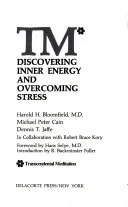
TM*: Discovering Inner Energy and Overcoming Stress
 84
84

TM*: Discovering Inner Energy and Overcoming Stress
Bloomfield, Cain, and Jaffe's 1975 offering, TM*: Discovering Inner Energy and Overcoming Stress, tackles the perennially relevant issue of stress through the lens of Transcendental Meditation. Its strength lies in its clear, accessible explanation of TM's mechanics, presenting it not as a mystical dogma but as a practical tool. The straightforward language demystifies a practice that can otherwise seem arcane. A limitation, however, is the inherent bias towards TM as the singular solution, with less exploration of complementary stress-reduction modalities prevalent today. The section detailing the physiological effects of deep rest achieved through TM, which the authors link to enhanced efficiency, remains a compelling argument for the technique's efficacy. Ultimately, the book provides a solid, if dated, introduction to the practical application of TM for personal well-being.
📝 Description
84
Published in 1975, TM*: Discovering Inner Energy and Overcoming Stress offers a structured method for accessing inner energy.
This book presents Transcendental Meditation (TM) as a practical technique to manage the pressures of modern life. The authors, Harold H. Bloomfield, Michael Peter Cain, and Dennis T. Jaffe, detail how consistent TM practice can lead individuals to a state of deep relaxation and heightened personal effectiveness. It explains how calming the mind allows access to a unique state of restful alertness, which the authors suggest improves overall well-being and efficiency. The book guides readers in understanding and applying this method for tangible improvements in their daily lives.
It is written for individuals feeling the strain of contemporary living and looking for effective stress reduction. Those interested in Eastern spiritual traditions and meditation, especially Transcendental Meditation, will find this work relevant. The book is accessible for newcomers to contemplative practices, alongside those already pursuing self-improvement who want to discover new ways to enhance their mental and physical states.
The book emerged in 1975, a time when Western interest in Eastern spirituality and mind-body practices was significant. Transcendental Meditation, popularized by Maharishi Mahesh Yogi, had gained substantial attention throughout the preceding decades. This work arrived as part of that cultural movement, providing a systematic approach to a practice that was being examined by psychologists and adopted by prominent figures. It situates TM within a broader exploration of consciousness and self-awareness characteristic of esoteric traditions.
💡 Why Read This Book?
• Learn the specific technique of Transcendental Meditation as presented in the 1975 edition, understanding its foundational principles beyond general mindfulness. • Discover how the concept of "restful alertness," as detailed by Bloomfield, Cain, and Jaffe, proposes to unlock deeper energy reserves, a key promise of the TM technique. • Gain insight into the historical reception of TM in the 1970s, understanding its place within the broader counterculture movement and its initial academic exploration.
⭐ Reader Reviews
Honest opinions from readers who have explored this book.
❓ Frequently Asked Questions
What is Transcendental Meditation (TM) according to this book?
TM is presented as a specific mental technique involving the effortless use of a mantra to allow the mind to settle inward to a state of "restful alertness," leading to deep relaxation and stress release.
When was TM*: Discovering Inner Energy and Overcoming Stress first published?
The book was first published in 1975, during a period of growing interest in Eastern meditative practices in the Western world.
What are the main benefits of practicing TM as described in the book?
The primary benefits cited include increased energy, reduced stress, improved efficiency, greater relaxation, and a more holistic sense of well-being.
Who are the authors of TM*: Discovering Inner Energy and Overcoming Stress?
The authors are Harold H. Bloomfield, Michael Peter Cain, and Dennis T. Jaffe, who collaborated to present the TM technique.
Is this book a guide for learning TM without an instructor?
While it explains the principles and benefits, the book emphasizes that TM is typically learned through certified instructors, suggesting it complements formal instruction rather than replacing it.
What historical context surrounds the book's publication?
Published in 1975, the book emerged amidst the popularization of Transcendental Meditation by Maharishi Mahesh Yogi, coinciding with a broader interest in Eastern spirituality in the West.
🔮 Key Themes & Symbolism
Harnessing Inner Energy
The book posits that individuals possess untapped reservoirs of personal energy. Through the practice of Transcendental Meditation, these reserves can be accessed, leading to a heightened sense of vitality. This concept moves beyond mere stress reduction to active energy cultivation, suggesting that by calming the nervous system, one can tap into a more fundamental source of power for daily life and personal endeavors.
Stress Release Mechanism
A central theme is the systematic release of accumulated stress. The authors explain how the TM technique, through its unique "restful alertness," allows the body to systematically dissolve deep-rooted tensions. This is presented not as an external coping mechanism but as an internal physiological process facilitated by the meditation practice, leading to a more balanced and resilient state.
Efficiency and Wholeness
The work connects the practice of TM to increased personal efficiency and a sense of being more 'whole.' By reducing mental clutter and stress, individuals are theorized to become more focused, capable, and integrated. This holistic improvement extends to cognitive functions, emotional regulation, and overall life satisfaction, presenting TM as a tool for comprehensive self-development.
The Mantra Technique
The book details the specific methodology of Transcendental Meditation, emphasizing the role of the mantra. It explains that a mantra is used not for concentration or contemplation, but as a vehicle for the mind to settle naturally inward. The proper, effortless use of the mantra is presented as the key to achieving the deep state of relaxation and inner awareness that yields the promised benefits.
💬 Memorable Quotes
Direct passages from the work, attributed to the author.
“TM offers a way to tap new sources of energy and power with the body.”
— This statement expresses the book's core promise: that Transcendental Meditation is not just about relaxation, but about actively accessing and utilizing a deeper wellspring of personal vitality and strength.
“The technique allows the mind to settle inward effortlessly.”
— This describes the passive nature of the TM practice, differentiating it from concentration-based meditations. It emphasizes that the process involves allowing the mind to naturally transcend thought to reach a state of deep rest.
“Stress is systematically released, allowing for greater clarity.”
— This highlights the physiological and psychological benefits of TM, suggesting that the practice actively works to dismantle stress patterns, thereby clearing the mental field for improved perception and cognitive function.
“Inner energy is a resource available through deep rest.”
— This interpretation links the concept of internal power directly to the state of profound relaxation achieved through TM, proposing that deep rest is the gateway to accessing this vital personal resource.
💡 Key Ideas
Editorial paraphrase of the work's core concepts — not direct quotes.
By practicing TM, one can become a more relaxed, whole, and efficient person.
This paraphrased concept highlights the intended outcome of the TM technique as presented by the authors, focusing on the integrated benefits of reduced tension, increased self-completeness, and improved functional capacity.
🌙 Esoteric Significance
Tradition
While not explicitly tied to a single ancient lineage like Hermeticism or Kabbalah, TM as presented in this work draws heavily from Vedic traditions of India. Its emphasis on mantra and the inward journey of consciousness aligns with yogic and Vedantic philosophies. It represents a modern, secularized adaptation of these ancient contemplative methods, making them accessible to a global audience seeking practical, internalized spiritual development outside of formal religious structures.
Symbolism
The primary 'symbol' or vehicle in TM is the mantra, a specific sound or word that acts as a focus for the mind's effortless settling. While not a visual symbol, its sonic quality and inherent vibration are considered potent. Another implied motif is the 'inner space' or the 'field of consciousness' – a symbolic representation of the transcendental state of pure awareness that practitioners aim to access, representing a profound, unmanifested potential within.
Modern Relevance
The work's principles continue to influence contemporary mindfulness and meditation movements, even those not strictly adhering to TM. Modern neuroscientific research often investigates meditative states, echoing the early studies on TM. Thinkers and practitioners in fields like positive psychology and performance enhancement frequently explore techniques for stress reduction and mental clarity that share conceptual ground with TM's promise of "restful alertness" and enhanced efficiency.
👥 Who Should Read This Book
• Individuals seeking practical stress-reduction techniques rooted in a specific meditative practice, particularly those interested in the science and methodology behind Transcendental Meditation. • Readers exploring the intersection of Eastern philosophy and Western psychology, who want to understand how ancient contemplative methods were adapted for modern life in the 1970s. • Those experiencing burnout or seeking enhanced mental clarity and personal efficiency, and who are open to exploring non-pharmacological approaches to well-being.
📜 Historical Context
Published in 1975, TM*: Discovering Inner Energy and Overcoming Stress arrived during a vibrant period for Eastern spiritual practices in the West. Transcendental Meditation, spearheaded by Maharishi Mahesh Yogi, was experiencing peak popularity, attracting celebrities and academic inquiry alike. This era saw a cultural shift where practices like TM were explored as alternatives to conventional stress management. Contemporaries like psychologist Robert Keith Wallace were publishing research on TM's physiological effects, lending scientific credence to the movement. While TM faced scrutiny and skepticism, often contrasted with more established contemplative traditions or psychological therapies of the time, its accessibility and the promise of tangible benefits propelled its widespread adoption. The book reflects this milieu, offering a structured, accessible entry point into a practice that was becoming a significant cultural phenomenon.
📔 Journal Prompts
The concept of "restful alertness" achieved through TM.
Personal energy reserves and their connection to mental states.
The role of the mantra in the TM technique.
Experiences of stress release following periods of deep relaxation.
Measuring personal efficiency before and after adopting a new contemplative practice.
🗂️ Glossary
Transcendental Meditation (TM)
A specific form of silent mantra meditation involving the effortless use of a personally assigned mantra to settle the mind into a state of deep rest and awareness.
Mantra
A specific sound or word, typically of Sanskrit origin, used in TM as a vehicle for the mind to transcend thought and access deeper levels of consciousness.
Restful Alertness
A unique state of consciousness described in TM practice, characterized by profound physical rest coupled with a clear, inwardly focused mental awareness.
Stress Release
The process by which the body and mind dissolve accumulated physiological and psychological tension, facilitated by the deep relaxation achieved during TM practice.
Efficiency
In the context of the book, refers to improved cognitive function, focus, and productivity resulting from reduced stress and enhanced mental clarity achieved through TM.
Wholeness
A state of integrated well-being, encompassing mental, emotional, and physical balance, which the authors suggest is fostered by consistent TM practice.
Vedic Tradition
An ancient body of knowledge and spiritual practices originating in India, from which Transcendental Meditation draws its theoretical and practical foundations.
This book appears in 1 collection
🔮 Readers Also Liked
Browse all →









From the “Transcendental Meditation” Collection
View all →








More Free Spiritual Development Books
View all →