7 Day Chakras
 82
82

7 Day Chakras
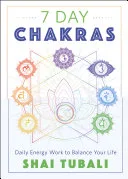
Shai Tubali’s *7 Day Chakras* approaches the well-trodden path of chakra work with a refreshing, day-of-the-week structure. This organizational simplicity is its greatest asset, transforming potentially overwhelming concepts into manageable daily practices. The inclusion of meditations, affirmations, and journal prompts offers a well-rounded toolkit for engagement. However, while clarity is a strength, the book occasionally feels more like a structured workbook than a deep dive into the philosophical underpinnings of the chakra system. For instance, the explanation of the Root Chakra’s connection to grounding could benefit from more historical or symbolic context beyond its functional role. Despite this, Tubali’s accessible language and practical exercises make it a valuable resource for beginners. It successfully demystifies energy work, offering a clear path for those seeking consistent spiritual engagement. The book serves as a practical guide, effectively guiding the reader through a week of focused energetic cultivation.
📝 Description
82
Shai Tubali published "7 Day Chakras" in May 2021, structuring chakra work around the days of the week.
This book provides a daily regimen for engaging with the seven primary chakras. Tubali assigns each chakra to a specific day, allowing for focused attention on one energy center at a time. This sequential approach aims to make chakra work manageable and consistent for practitioners. The method moves from theory to practical application, offering a clear path for daily energetic practice. It is designed for those who want a structured routine for spiritual or personal growth.
The book is suited for individuals new to chakra systems or those who find other practices too complex. Its step-by-step format appeals to those seeking tangible progress. The approach also supports a holistic view of well-being, aiming to balance physical, emotional, and spiritual states through focused energy work. Tubali's method offers a contemporary way to interact with ancient concepts of subtle energy.
The chakra system, meaning 'wheels' in Sanskrit, has origins in ancient Indian tantric traditions. These concepts entered Western esoteric circles largely in the early 20th century through scholars who translated and popularized classical texts. Tubali's innovation lies in his pedagogical method, assigning each chakra to a specific day of the week. This organizational structure is a modern adaptation for engaging with these ancient energy centers, differing from purely academic or traditional meditative approaches.
💡 Why Read This Book?
• You will learn a structured, seven-day method for chakra activation, dedicating specific attention to each energy center throughout the week, a concept detailed in Tubali’s daily assignment system. • You will gain practical tools like guided meditations and affirmations specifically designed for each of the seven chakras, facilitating direct energetic experience. • You will develop a sustainable practice of self-awareness and energetic balancing, integrating Tubali’s exercises into your lifestyle for consistent personal growth.
⭐ Reader Reviews
Honest opinions from readers who have explored this book.
❓ Frequently Asked Questions
What is the primary goal of the 7 Day Chakras book?
The primary goal is to help readers integrate chakra work into their daily lifestyle through a structured, step-by-step method, assigning one chakra to each day of the week for focused practice.
Who is Shai Tubali and what is his background?
Shai Tubali is an author and teacher who focuses on practical spiritual and personal development. His work often involves making complex esoteric concepts accessible to a wider audience.
When was 7 Day Chakras first published?
The book '7 Day Chakras' by Shai Tubali was first published on May 8, 2021.
What types of practices are included in the book?
The book includes meditations, affirmations, exercises, journal prompts, and visualizations, all designed to help readers engage with and awaken their energy centers.
Is this book suitable for beginners in chakra work?
Yes, the book is designed with an easy-to-use, step-by-step approach, making it highly suitable for beginners who want a structured way to learn about and practice chakra work.
How does assigning a chakra to each day of the week help?
Assigning a specific chakra to each day allows for concentrated focus and intention, helping practitioners to systematically understand, activate, and balance each energy center throughout the week.
🔮 Key Themes & Symbolism
Daily Chakra Activation
The core concept revolves around dedicating each day of the week to a specific chakra, from the Root to the Crown. This structured approach ensures comprehensive engagement with the entire chakra system. By focusing on one energy center per day, practitioners can look at its unique qualities, challenges, and potentials. This method aims to create a balanced energetic flow throughout the week, facilitating personal growth and alignment with one's goals. Tubali's system provides a practical framework for consistent energy work, making it accessible for daily integration.
Integrated Lifestyle Practice
Tubali emphasizes transforming esoteric knowledge into an accessible, daily lifestyle practice. The book moves beyond abstract theory by offering concrete tools like meditations, affirmations, and exercises. The goal is to seamlessly tie chakra work into the fabric of everyday life, rather than treating it as a separate, occasional activity. This integration aims to foster sustained personal development and a deeper connection to one's inner self through consistent, manageable engagement with energy centers.
Goal Achievement Through Energy Work
The book posits that by consciously working with and balancing the chakras, individuals can more effectively achieve their personal and spiritual goals. Each chakra is associated with different aspects of life, from physical security (Root Chakra) to higher consciousness (Crown Chakra). By understanding and harmonizing these centers, practitioners are believed to remove energetic blockages that may hinder progress. The structured practice offered in '7 Day Chakras' aims to clear the path for manifestation and personal fulfillment.
Awakening Inner Wisdom
A central aim of the daily chakra practice is to awaken and connect with one's inner wisdom. As practitioners engage with each energy center, they are encouraged to listen to their intuition and inner guidance. The meditations, visualizations, and journaling prompts are designed to facilitate self-reflection and inner dialogue. This process of self-discovery helps individuals to understand their own energetic patterns and unlock deeper levels of self-awareness and personal insight.
💬 Memorable Quotes
Direct passages from the work, attributed to the author.
“Assigning one chakra to each day of the week makes it simple to focus your intentions.”
— This highlights the book's core organizational principle, emphasizing how the structured approach simplifies the complex world of chakra work into actionable daily steps.
“Join Shai Tubali on a rich, multicolored journey into the wisdom of the chakras.”
— This invitation frames the book as an exploration, suggesting a vibrant and complex experience of learning about and working with the chakra system.
“This innovative book presents an easy-to-use, step-by-step chakra method.”
— This emphasizes the practical and accessible nature of Tubali's approach, positioning the book as a user-friendly guide for engaging with energy work.
“The Ultimate Chakra Practice to Center Your Life”
— This subtitle clearly states the book's primary benefit: providing a comprehensive practice designed to bring balance and stability to the reader's life.
“He shares meditations, affirmations, exercises, journal prompts, and visualizations.”
— This lists the diverse range of practical tools offered within the book, showcasing the comprehensive nature of the exercises provided for engaging with the chakras.
🌙 Esoteric Significance
Tradition
The work draws heavily from the yogic and Tantric traditions of India, which conceptualized the chakras as energy centers within the subtle body. It adapts these ancient concepts for a modern, Western audience, presenting them in a structured, easily digestible format. While rooted in these traditions, Tubali's approach emphasizes practical application and integration into daily life, often secularizing the spiritual context to appeal to a broader wellness-oriented readership.
Symbolism
The primary symbolism is the chakra itself, representing 'wheels' or vortexes of energy. The book utilizes the distinct colors and locations associated with each of the seven main chakras (e.g., red for the Root, violet for the Crown) as symbolic anchors for their respective energetic qualities and functions. These colors and their associated themes serve as visual and conceptual cues for practitioners during meditations and visualizations.
Modern Relevance
Tubali’s work is relevant to contemporary New Age spirituality, holistic health movements, and mindfulness practices. It aligns with a modern desire for accessible, self-directed spiritual tools that can be easily integrated into busy lives. Thinkers and practitioners in fields like energy healing, life coaching, and positive psychology may find Tubali's structured approach to self-improvement and energetic balancing particularly appealing.
👥 Who Should Read This Book
• Individuals new to chakra systems or energy work seeking a clear, step-by-step introductory guide. • Busy professionals or students looking for practical, time-efficient methods to incorporate spiritual practice into their daily routines. • Those interested in self-development and holistic wellness who wish to explore the energetic underpinnings of their physical, emotional, and mental states.
📜 Historical Context
Published in May 2021, Shai Tubali's *7 Day Chakras* enters a contemporary field of wellness and esoteric literature. Its subject, the chakra system, has a lineage stretching back to ancient Indian Tantric traditions, gaining significant traction in the West during the early 20th century through translations and interpretations by scholars like Sir John Woodroffe (Arthur Avalon). Woodroffe's *The Serpent Power* (1919) was instrumental in introducing detailed descriptions of the chakras to Western esoteric circles. Tubali’s pedagogical innovation lies in assigning each of the seven main chakras to a specific day of the week, a structured approach distinct from earlier, often more theoretical or purely meditative traditions. While the 20th century saw figures like Alice Bailey and Rudolf Steiner incorporating chakra concepts into their distinct systems (Theosophy and Anthroposophy, respectively), Tubali’s method focuses on practical, daily application for the modern individual, offering a secularized yet spiritually informed practice.
📔 Journal Prompts
Reflect on the Root Chakra's connection to security and how it manifests in your daily life.
Explore the Sacral Chakra's theme of creativity and identify one new artistic expression to pursue this week.
Consider the Solar Plexus Chakra's role in personal power and confidence; what action can you take to strengthen it?
Examine the Heart Chakra's capacity for love and compassion; how can you extend this more outwardly?
Contemplate the Throat Chakra's connection to communication; what truth do you need to express more clearly?
🗂️ Glossary
Chakra
In yogic and Tantric traditions, chakras are understood as energy centers or wheels within the subtle body, influencing physical, emotional, and spiritual well-being.
Root Chakra (Muladhara)
The first chakra, located at the base of the spine, associated with grounding, security, and basic survival needs. Often symbolized by the color red.
Sacral Chakra (Svadhisthana)
The second chakra, located in the lower abdomen, associated with creativity, sexuality, emotions, and pleasure. Often symbolized by the color orange.
Solar Plexus Chakra (Manipura)
The third chakra, located in the upper abdomen, associated with personal power, self-esteem, and willpower. Often symbolized by the color yellow.
Heart Chakra (Anahata)
The fourth chakra, located at the center of the chest, associated with love, compassion, connection, and emotional balance. Often symbolized by the color green.
Throat Chakra (Vishuddha)
The fifth chakra, located in the throat area, associated with communication, self-expression, and truth. Often symbolized by the color blue.
Third Eye Chakra (Ajna)
The sixth chakra, located between the eyebrows, associated with intuition, insight, and spiritual awareness. Often symbolized by the color indigo.
Crown Chakra (Sahasrara)
The seventh chakra, located at the top of the head, associated with spiritual connection, consciousness, and enlightenment. Often symbolized by the color violet or white.