Time of Enchantment
 74
74

Time of Enchantment
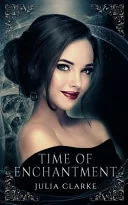
Julia Clarke’s *Time of Enchantment* presents a protagonist, Ana Marea, whose capacity to enchant objects stands in stark contrast to her perpetually disenchanting love life. This core conceit, established early in the book, is its most compelling aspect. The narrative cleverly uses Ana’s scientific mind and romantic heart as opposing forces, mirroring the tension between the rational and the magical that permeates the story. While the inclusion of a wolf shifter and a genetics professor offers intriguing possibilities for exploring themes of transformation and the nature of reality, the pacing occasionally falters. A specific passage where Ana attempts to enchant a locket, only to find herself reflecting on a past failed relationship, exemplifies the book’s strength in linking magical practice to emotional introspection. However, the resolution of some plot threads feels somewhat abrupt, leaving a desire for deeper exploration of the supporting characters' motivations. Ultimately, *Time of Enchantment* is a thoughtful, if occasionally uneven, exploration of finding magic in the mundane and within oneself.
📝 Description
74
Julia Clarke's 2018 novel, *Time of Enchantment*, examines how magical abilities complicate romantic relationships.
Ana Marea is a scientist who can imbue objects with magic, yet her own love life is disappointing. The narrative follows Ana as she encounters figures like a wolf shifter and a genetics professor. These encounters force her to reconsider her desires and her approach to relationships. The book weaves together elements of contemporary romance, speculative fiction, and the occult.
Readers will find a story that bends genres, blending the fantastical with everyday struggles. It addresses themes of self-discovery, particularly concerning personal power and romance. Ana's journey, with her unique abilities clashing against ordinary human challenges, offers a relatable core. The novel also touches on unseen forces operating in the world, keeping the magic grounded without becoming overly complex. It appeals to those who appreciate a balance between logic and intuition.
Published in 2018, *Time of Enchantment* arrived as literary trends showed increased interest in magical realism and urban fantasy. These genres often incorporate romance and themes of personal empowerment. Clarke's novel fits within this movement, focusing on a character-driven exploration of magic. It emerged during a time when discussions about gender roles and romantic archetypes in literature were evolving.
💡 Why Read This Book?
• Gain insights into the concept of 'enchantment' as both a literal magical ability and a metaphor for personal agency, as explored through Ana's attempts to imbue objects with power. • Understand how the novel uses the juxtaposition of science and magic, particularly through the character of the genetics professor, to question the boundaries of reality and intuition. • Explore the nuanced portrayal of finding a 'happily ever after,' moving beyond conventional romantic tropes to consider self-created fulfillment, a core theme illustrated by Ana's journey.
⭐ Reader Reviews
Honest opinions from readers who have explored this book.
❓ Frequently Asked Questions
What is Ana Marea's special ability in Time of Enchantment?
Ana Marea possesses the ability to 'enchant' objects, imbuing them with a special essence or magic. This is a central element of her character and the narrative, contrasting with her struggles in her personal life.
What genre does Time of Enchantment belong to?
Time of Enchantment is a genre-bending novel that combines elements of contemporary romance, speculative fiction, and the occult, exploring themes of magic and self-discovery.
When was Time of Enchantment first published?
The book 'Time of Enchantment' by Julia Clarke was first published on October 21, 2018.
Who are some of the key characters Ana Marea encounters?
Ana Marea encounters a wolf shifter, a genetics professor, and figures from her past, all of whom play a role in her journey of self-discovery and re-evaluation of love and destiny.
Does Time of Enchantment explore the intersection of science and magic?
Yes, the novel frequently explores the intersection of science and magic through its protagonist, a scientist who can perform enchantments, and the introduction of characters like a genetics professor.
What is the primary theme of Time of Enchantment?
The primary themes revolve around disenchantment with conventional romance, the search for personal fulfillment, the nature of magic in everyday life, and the possibility of creating one's own 'happily ever after'.
🔮 Key Themes & Symbolism
The Nature of Enchantment
The novel posits enchantment not merely as a supernatural ability but as a profound capacity for connection and self-creation. Ana's talent to imbue objects with magical properties serves as a direct parallel to her struggle to forge meaningful romantic bonds. This theme questions whether true magic lies in external manipulation of objects or in the internal alchemy of personal growth and emotional resonance. The book explores how this ability, when misapplied or misunderstood, can lead to further disenchantment, suggesting a deeper, more integrated approach is necessary for authentic fulfillment.
Science vs. Intuition
A central tension in *Time of Enchantment* is the interplay between scientific rationality and intuitive, magical understanding. Ana, a scientist by trade, grapples with a power that defies empirical explanation. The presence of a genetics professor character further sharpens this dichotomy, highlighting how logical frameworks often fail to account for the more mystical aspects of existence. The narrative suggests that a synthesis of both scientific inquiry and intuitive perception is crucial for a complete understanding of reality and for navigating complex personal and romantic challenges.
Redefining 'Happily Ever After'
Clarke's work challenges the conventional, often passive, notion of a 'happily ever after' dictated by fate or external forces. Ana's journey is one of disillusionment with traditional romantic narratives, prompting her to question the very possibility of such an outcome. The novel proposes that true happiness is not found through magical intervention in relationships but is instead a state actively cultivated through self-awareness, personal power, and the courage to redefine one's own destiny. This reinterpretation moves the concept from a fairy tale trope to an achievable personal state.
Disenchantment and Renewal
The protagonist, Ana Marea, begins her story deeply disenchanted with love, men, and the promise of lasting happiness. This state of disillusionment serves as the catalyst for her transformative journey. The narrative explores how this profound dissatisfaction, stemming from failed relationships and unfulfilled romantic ideals, can paradoxically open the door to new possibilities and a more authentic path. The book suggests that shedding old illusions, even painful ones, is a necessary step toward personal renewal and the discovery of deeper, more meaningful connections and self-understanding.
💬 Memorable Quotes
Direct passages from the work, attributed to the author.
“Ana may have the brilliant mind of a scientist, but she's a romantic at heart.”
— This captures the central conflict within the protagonist, Ana Marea. It highlights her dual nature, caught between the logical world of empirical evidence and the intuitive, emotional area of romance and magic, setting the stage for her internal and external struggles.
“She can't seem to spark the same magic in her love life.”
— This phrase directly addresses Ana's primary frustration. It contrasts her external ability to enchant objects with her internal inability to create lasting, magical connections in her romantic relationships, underscoring the book's exploration of personal power and fulfillment.
“After a string of failed relationships, she worries she'll never get her chance at a happily ever after.”
— This statement reveals Ana's deep-seated fear and skepticism regarding romance. It emphasizes her yearning for a traditional romantic ideal while simultaneously expressing her profound doubt, fueling her quest for answers beyond conventional expectations.
“Could the answer lie with a wolf shifter, a genetics professor, and two men from the past?”
— This question introduces the unconventional elements and characters that drive the plot forward. It signals a departure from typical romantic narratives, suggesting that the solutions to Ana's romantic woes may be found in unexpected, perhaps even supernatural, encounters.
“Or when time runs out and the spell”
— This fragment hints at a sense of urgency and impending consequence within the narrative. It suggests that Ana's situation is not static and that the 'spell' – whether literal or metaphorical – is tied to a finite period, adding dramatic tension to her journey.
🌙 Esoteric Significance
Tradition
While not explicitly aligned with a single historical esoteric lineage, *Time of Enchantment* draws upon a broad spectrum of Western occult traditions, particularly those focusing on personal agency and immanent magic. It echoes themes found in Neopaganism and modern witchcraft, where the power to manifest change resides within the individual and can be directed through intention and symbolic acts. The ability to enchant objects suggests a connection to animism and the belief in the inherent spirit or energy within all things, a concept explored across various shamanic and Hermetic traditions. The work departs from rigid dogma, presenting a more fluid, personal interpretation of magical practice.
Symbolism
The act of 'enchanting objects' is a primary symbol, representing Ana's capacity to imbue her life with meaning and magic, a power she struggles to apply to her romantic sphere. The wolf shifter symbolizes primal instincts, untamed nature, and the capacity for transformation, contrasting with the controlled environment of scientific rationality. The concept of 'time running out' acts as a symbol of mortality and the urgency of life decisions, pushing Ana to confront her fears and desires before opportunities are lost, connecting to memento mori motifs found in various esoteric traditions.
Modern Relevance
Contemporary practitioners of modern witchcraft and those exploring personal empowerment through ritualistic practices can find resonance in Ana's journey. The novel's exploration of imbuing everyday objects with intention speaks to current trends in manifestation and intentional living. Thinkers and writers focusing on the integration of psychological well-being with spiritual or magical practices will also find value. The book's questioning of traditional romantic narratives aligns with ongoing discussions in feminist spirituality and contemporary explorations of relationship dynamics that seek alternatives to patriarchal archetypes.
👥 Who Should Read This Book
• Readers interested in contemporary explorations of magic and romance, seeking narratives that blend speculative elements with relatable emotional journeys. • Individuals drawn to themes of personal empowerment and self-discovery, particularly those who question conventional definitions of happiness and romantic fulfillment. • Those who appreciate character-driven stories where protagonists grapple with unique abilities in the context of everyday struggles, offering a nuanced perspective on the interplay between the mundane and the magical.
📜 Historical Context
Published in 2018, Julia Clarke's *Time of Enchantment* arrived during a period of robust engagement with genre fiction that blended speculative elements with deeply personal narratives. The early 21st century saw a rise in authors like V.E. Schwab and Leigh Bardugo, who were popularizing intricate fantasy worlds often intertwined with relatable character arcs. Clarke’s novel participates in this trend by grounding magical abilities in the emotional range of a modern woman navigating love and disillusionment. This was also a time when discussions surrounding feminist interpretations of fairy tales and romantic archetypes were prevalent in literary criticism, a context that *Time of Enchantment* implicitly engages with by questioning traditional notions of 'happily ever after.' The work can be seen as a contemporary response to enduring archetypes, offering a fresh perspective on magic and romance in an era still influenced by the latter-day resurgence of occult and spiritual interests sparked in the late 20th century.
📔 Journal Prompts
Ana’s ability to enchant objects versus her romantic struggles.
The juxtaposition of science and magic in Ana's life.
Reflecting on the concept of 'happily ever after' as presented in the book.
The symbolism of the wolf shifter in relation to Ana's journey.
Exploring the theme of disenchantment as a catalyst for change.
🗂️ Glossary
Enchantment
In *Time of Enchantment*, this refers to Ana's innate ability to imbue physical objects with a special magical essence or power, often tied to intention and emotion.
Wolf Shifter
A character who possesses the ability to transform between human and wolf forms, symbolizing primal instincts and a connection to nature.
Disenchanted
Describes a state of disillusionment, particularly with romantic ideals and the perceived promises of love and forever, as experienced by the protagonist, Ana.
Happily Ever After
The traditional fairy tale ending signifying ultimate romantic fulfillment, which the novel questions and re-examines through Ana's personal journey.
Genetics Professor
A character representing the scientific and rational perspective, serving as a counterpoint to the magical and intuitive elements within the narrative.
Imbue
To fill or inspire with a feeling or quality; in the context of the book, it relates to Ana infusing objects with magical properties.
This book appears in 1 collection
🔮 Readers Also Liked
Browse all →









From the “Enchantment” Collection
View all →


More Free Occult Philosophy Books
View all →