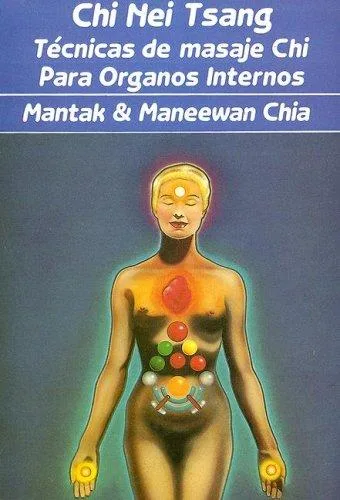
CHI NEI TSANG
 81
81

CHI NEI TSANG
Mantak Chia's "Chi Nei Tsang" provides a clear, if sometimes dense, exposition of an ancient abdominal massage practice. Its strength lies in demystifying a complex energetic healing system, making it accessible to a wider audience beyond dedicated Taoist disciples. Chia meticulously details the organ systems, their energetic connections, and the specific massage strokes required. However, the sheer volume of information and the occasional repetition can make it challenging for absolute beginners to absorb without a teacher's guidance. A particularly insightful section details how to address emotional blockages like anger stored in the liver, illustrating the profound link between psyche and soma that the practice seeks to heal. The book is a valuable resource for those committed to exploring the body's energetic landscape.
📝 Description
81
Mantak Chia's 1993 book details Chi Nei Tsang, a Taoist internal organ massage practice.
This book explains Chi Nei Tsang, a Taoist practice of internal organ massage focused on the abdomen. Grandmaster Mantak Chia outlines the theory and techniques for cleansing and revitalizing the organs. The text presents organs as more than just physical structures; they are also seen as centers for energy and emotion that affect both physical health and spiritual well-being.
The practice is relevant for Qigong and martial arts students aiming to improve internal cultivation. Therapists and healers may find value in its visceral manipulation methods, which draw from traditional Chinese medicine. It is also suitable for anyone seeking a holistic approach to health, emotional release, and understanding the connection between the body's physical and energetic states.
Chi Nei Tsang addresses how stress, trauma, and negative emotions can obstruct the body's energy pathways, particularly within the abdominal organs. These blockages can lead to physical illness. The book describes specific massage techniques for the navel and surrounding areas. These methods aim to release stored tension, improve the flow of vital energy (Qi), and bring the body back into balance.
Published in 1993, Mantak Chia's "Chi Nei Tsang" entered a period of growing global interest in Eastern healing systems. At a time when Western medicine primarily addressed anatomy and biochemistry, Chia's work described the body as an integrated energetic system. This perspective resonated with a wider revival of interest in Qigong and Traditional Chinese Medicine. The book made accessible a practice that was historically passed down through direct teaching.
💡 Why Read This Book?
• Learn specific abdominal massage techniques to release emotional and physical blockages stored in organs like the liver and kidneys, directly addressing the concept of "toxic emotions" discussed by Chia. • Understand the Taoist principles of Qi flow and organ function as presented in the book, gaining insight into how the "Six Healing Sounds" contribute to energetic detoxification. • Discover how to cultivate "Uterine and Birth Power" through dedicated practice, as outlined by Chia, to enhance vitality and emotional resilience beyond conventional wellness approaches.
⭐ Reader Reviews
Honest opinions from readers who have explored this book.
❓ Frequently Asked Questions
What is the primary goal of Chi Nei Tsang as described by Mantak Chia?
The primary goal of Chi Nei Tsang is to cleanse, detoxify, and revitalize the internal organs through abdominal massage. It aims to release stored emotional blockages and physical tensions, promoting the free flow of Qi and restoring overall health and balance.
What are the 'Six Healing Sounds' mentioned in the book?
The 'Six Healing Sounds' are specific vocalizations taught in Taoist practices, including Chi Nei Tsang, designed to release negative emotions and energies associated with particular organ systems, thereby promoting their health and balance.
How does Chi Nei Tsang differ from Western abdominal massage?
Chi Nei Tsang focuses on the energetic and emotional aspects of the organs, viewing them as reservoirs of Qi and feelings. Unlike purely physical Western massage, it targets these subtle energies and their impact on overall well-being.
Can Chi Nei Tsang help with emotional issues?
Yes, a central tenet of Chi Nei Tsang is the release of emotional blockages. Mantak Chia explains how trauma and negative emotions are stored in the abdominal organs and can be addressed through specialized massage techniques.
Is prior experience in Qigong necessary to practice Chi Nei Tsang?
While prior experience in Qigong or similar energy work can be beneficial, Mantak Chia's book aims to provide a comprehensive guide for dedicated individuals. However, learning complex techniques is often best supported by qualified instructors.
When was the first edition of Mantak Chia's Chi Nei Tsang published?
The first edition of Mantak Chia's "Chi Nei Tsang" was published in 1993, making it a significant resource for those interested in Taoist healing arts from that period.
🔮 Key Themes & Symbolism
Organ System Energetics
The book details how each major organ (liver, heart, spleen, lungs, kidneys) stores specific emotions and energies. For instance, anger is linked to the liver, and fear to the kidneys. Mantak Chia explains that physical blockages in the abdomen prevent the free flow of Qi, leading to both physical illness and emotional stagnation. Understanding this energetic map is crucial for applying the correct massage techniques to address imbalances and promote healing from within.
Abdominal Detoxification
A core concept in Chi Nei Tsang is the cleansing of the abdomen, considered the body's "second brain" and a primary repository for accumulated toxins and emotional residue. The text outlines specific massage protocols designed to break up adhesions, dissolve stagnation, and stimulate the lymphatic and circulatory systems within the abdominal cavity. This process aims to release pent-up stress and negative energies, revitalizing the organs and enhancing the practitioner's overall vitality.
Emotional Release Through Touch
Mantak Chia emphasizes that emotions are not just psychological phenomena but have tangible energetic and physical manifestations within the organs. Chi Nei Tsang provides a method for practitioners to safely access and release these stored emotional burdens through targeted abdominal massage. By working with the navel and surrounding areas, individuals can begin to process suppressed feelings like sadness, fear, and anxiety, leading to greater emotional freedom and psychological well-being.
Qi Cultivation and Flow
The practice is fundamentally about cultivating and balancing the body's vital life force, Qi. The book explains how Chi Nei Tsang massage techniques improve the circulation of Qi throughout the abdomen and the entire body. By removing obstructions and strengthening the organ systems, practitioners can enhance their energy levels, improve their immune function, and achieve a deeper connection with their own energetic essence.
💬 Memorable Quotes
Direct passages from the work, attributed to the author.
“The abdomen is the root of the body.”
— This statement highlights the foundational importance of the abdominal organs in traditional Chinese medicine and energy work. It suggests that the health and energetic balance of the entire body originate from the core, making abdominal health paramount for overall well-being.
“The organs are like batteries that store energy and emotions.”
— This analogy simplifies the complex Taoist concept of organ-energetic-emotional correspondences. It conveys that organs are not merely biological machines but energetic centers that can become depleted or overloaded by stored emotions, impacting physical and mental states.
“The navel is the center of the body's energy.”
— This interpretation points to the significance of the navel area in Chi Nei Tsang. It is considered a critical nexus for Qi circulation, and direct work on this point is believed to have profound effects on energy flow and organ function throughout the body.
“Emotions, if not processed, become toxins.”
— This concept explains how unexpressed or suppressed feelings can manifest as energetic blockages and physical ailments within the organs. It frames emotional health as integral to physical health, suggesting that processing emotions is a form of internal detoxification.
💡 Key Ideas
Editorial paraphrase of the work's core concepts — not direct quotes.
When the abdomen is healthy, the whole body is healthy.
This paraphrased concept underscores the holistic view of health presented in Chi Nei Tsang. It asserts a direct correlation between the state of the abdominal organs and the overall vitality and health of the individual, emphasizing the interconnectedness of bodily systems.
🌙 Esoteric Significance
Tradition
Chi Nei Tsang is deeply rooted in Taoist internal alchemy and medical traditions, particularly within the lineage of Grandmaster Mantak Chia's Universal Tao. It aligns with Taoism's emphasis on cultivating internal energy (Qi), balancing Yin and Yang, and harmonizing the body's vital forces. Unlike more externally focused martial arts, Chi Nei Tsang focuses on the internal field of the organs, treating them as energetic centers that hold emotional and spiritual significance, aiming for a holistic integration of physical, energetic, and emotional well-being.
Symbolism
A key symbol is the abdomen itself, viewed not just as a physical cavity but as a central energetic hub and a repository for emotional 'toxins.' The navel is considered a critical energetic gateway. The 'Six Healing Sounds' are also symbolic, each representing a specific vibrational frequency intended to cleanse and balance the energy of a particular organ system, transforming negative emotions into positive energies.
Modern Relevance
Contemporary somatic therapists, energy healers, and bodyworkers increasingly incorporate principles derived from Chi Nei Tsang. Practices focusing on the vagus nerve, visceral manipulation, and trauma release often echo Chia's work on the interconnectedness of the gut, emotions, and overall health. Thinkers exploring psychosomatic medicine and integrative health find value in its holistic approach to illness and well-being, bridging ancient wisdom with modern therapeutic inquiry.
👥 Who Should Read This Book
• Practitioners of energy medicine and Qigong seeking to deepen their understanding of internal organ function and energetic cleansing techniques. • Therapists and bodyworkers interested in incorporating holistic, emotionally-attuned abdominal massage into their professional practice. • Individuals exploring Taoist philosophy and holistic health who wish to learn self-healing methods for releasing stress and improving vitality.
📜 Historical Context
Published in 1993, "Chi Nei Tsang" arrived at an important moment for the integration of Eastern healing arts into Western wellness paradigms. The late 20th century saw a surge of interest in practices like Qigong and Traditional Chinese Medicine, moving beyond niche communities. Mantak Chia's work provided a detailed, accessible manual for a practice that had historically been transmitted orally. This period also saw a growing academic and popular fascination with the mind-body connection, making Chia's focus on the energetic and emotional aspects of organ health particularly relevant. While competing schools of thought focused on purely physical or biochemical explanations for disease, Chi Nei Tsang offered a holistic, energetic perspective rooted in Taoist philosophy, gaining traction among alternative health practitioners and those seeking deeper self-healing modalities.
📔 Journal Prompts
The abdominal organs as reservoirs of emotional energy.
The energetic pathways connecting the navel to the entire body.
The concept of 'toxic emotions' stored within the spleen or kidneys.
The role of the 'Six Healing Sounds' in energetic purification.
Cultivating 'Uterine and Birth Power' for personal vitality.
🗂️ Glossary
Chi Nei Tsang
An ancient Taoist internal organ massage therapy that focuses on detoxifying and healing the internal organs through the abdomen, improving the flow of Qi and releasing emotional blockages.
Qi
The fundamental life force or vital energy that flows through all living things in Taoist philosophy. Its free and balanced circulation is essential for health and well-being.
Uterine and Birth Power
A Taoist concept referring to the fundamental generative and vital energy residing in the lower abdomen, particularly potent in women but present in all beings, crucial for health and longevity.
Six Healing Sounds
A Taoist practice involving specific vocalizations associated with each major organ system, designed to release negative emotions and energies, promoting organ health and balance.
Toxic Emotions
In Chi Nei Tsang, refers to negative emotions like anger, fear, sadness, worry, and stress that, if suppressed or unexpressed, can accumulate in the organs and lead to illness.
Adhesions
Bands of scar tissue that can form within the body, particularly in the abdomen, restricting organ movement and impeding the flow of Qi and bodily fluids. Chi Nei Tsang aims to break these down.
Organ Massage
The specific manual techniques applied to the abdominal organs in Chi Nei Tsang to release tension, improve circulation, and restore energetic harmony, distinct from superficial massage.
🔮 Readers Also Liked
Browse all →









More by Mantak Chia
All books →


More Free Occult Philosophy Books
View all →