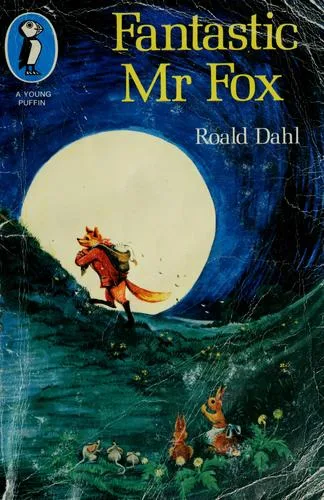
Fantastic Mr Fox
 72
72

Fantastic Mr Fox
Roald Dahl’s *Fantastic Mr. Fox* presents a surprisingly robust allegory of class struggle, disguised as a children's fable. The central conflict between Mr. Fox and the trio of farmers—Boggis, Bunce, and Bean—is a stark depiction of the resourceful poor versus the exploitative wealthy. Dahl’s genius lies in imbuing Mr. Fox with an almost Machiavellian cunning, making his raids on the farmers’ stores feel less like theft and more like a necessary redistribution of resources. The limitation, however, is the starkness of the characterizations; the farmers are caricatures of greed, lacking any nuance, which, while effective for the fable, can feel one-dimensional. A particularly memorable passage is the description of the underground feast Mr. Fox orchestrates, showcasing the triumph of ingenuity and community. The verdict: a sharp, enduring tale of cleverness overcoming oppression.
📝 Description
72
Roald Dahl's Fantastic Mr. Fox, published in 1970, details a cunning fox's raids on three farmers.
The story follows Mr. Fox, a creature of sharp intellect and thievery, as he consistently outwits Boggis, Bunce, and Bean, three greedy farmers. First released in 1970, the book describes Mr. Fox's careful plans to feed his family and their underground community by stealing chickens, ducks, geese, and cider from the farmers' stores. The plot develops as a clear conflict, contrasting the cleverness of the animal world with the human antagonists' brute force and avarice.
Readers who enjoy smart strategy, animal intelligence, and a classic underdog story will appreciate this tale. Those interested in folklore, trickster figures, and the ongoing struggle between nature and encroaching human industry may also find this work appealing. It suits younger readers with its direct, action packed plot and adults who see the subtext of resourcefulness against oppressive circumstances.
While not overtly esoteric, Fantastic Mr. Fox engages with archetypal trickster narratives common in folklore worldwide. Mr. Fox embodies the clever rogue figure who subverts established order for the benefit of his community, often through wit and deception. This mirrors ancient stories where figures challenge authority and societal norms. The story's framing of theft as a necessity for survival also touches on primitive communal ethics versus modern property laws, reflecting deeper philosophical questions about fairness and natural rights.
💡 Why Read This Book?
• Gain an understanding of the trickster archetype as embodied by Mr. Fox, learning how resourcefulness can challenge entrenched power structures, much like folklore figures throughout history. • Appreciate the narrative's exploration of survival ethics, particularly how Dahl presents Mr. Fox's actions as necessary for his community's existence against the farmers' hoarding. • Experience a narrative that, since its 1970 publication, has become a touchstone for discussions on resourcefulness versus greed, offering a unique lens on conflict resolution.
⭐ Reader Reviews
Honest opinions from readers who have explored this book.
❓ Frequently Asked Questions
When was Fantastic Mr. Fox first published?
Fantastic Mr. Fox was first published in 1970, marking its debut in a decade of evolving children's literature.
Who are the three farmers Mr. Fox steals from?
The three farmers Mr. Fox targets are Boggis, Bunce, and Bean, each described with distinct, and rather unpleasant, physical characteristics.
What is the main conflict in Fantastic Mr. Fox?
The central conflict is Mr. Fox's ongoing battle of wits against the three farmers who are determined to catch and destroy him and his family.
What kind of animals does Mr. Fox steal?
Mr. Fox steals chickens, ducks, and geese from the farmers' stores, along with their underground supply of cider.
What is the setting of Fantastic Mr. Fox?
The story is primarily set in the countryside, with a significant portion taking place in the underground tunnel system where Mr. Fox and his family live.
Does Fantastic Mr. Fox have a moral lesson?
Yes, the book explores themes of resourcefulness, community, and the consequences of greed, often framing Mr. Fox's actions as a form of justified survival.
🔮 Key Themes & Symbolism
Resourcefulness vs. Oppression
The narrative centers on Mr. Fox's extraordinary ability to devise plans that circumvent the oppressive actions of the farmers. This theme highlights how intelligence and adaptability can be potent tools against brute force and greed. The farmers represent established, albeit corrupt, authority, while Mr. Fox embodies the spirit of resistance and survival, a common motif in folklore where the clever underdog triumphs.
Community and Sustenance
Mr. Fox's thievery is not merely for personal gain but for the survival of his family and their entire underground community. This aspect elevates the story beyond simple animal antics, presenting a commentary on the responsibilities of leadership and the interconnectedness of a group. The shared feast after the successful raids underscores the communal aspect and the idea that collective well-being is achieved through shared effort and risk.
Justice and Property
The book implicitly questions the nature of justice and property rights. The farmers, despite owning the land and animals, are depicted as excessively greedy, hoarding resources that could sustain others. Mr. Fox's actions, therefore, can be interpreted as a form of natural justice or a rebalancing of resources, challenging the notion that ownership inherently equates to a right to exclusive and excessive accumulation.
The Trickster Archetype
Mr. Fox embodies the classic trickster archetype found in global mythology. He is a figure who operates outside conventional rules, often using cunning and deception to achieve his goals. This archetype serves to disrupt the status quo and challenge established norms, providing a narrative space for exploring unconventional solutions and the inherent limitations of rigid societal structures represented by the farmers.
💬 Memorable Quotes
Direct passages from the work, attributed to the author.
“It was the most wonderful feast they had ever had.”
— This refers to the underground feast Mr. Fox orchestrates for his family and neighbors, symbolizing the triumph of their collective ingenuity and the reward for their shared struggle against the farmers.
“Mr. Fox was a brilliant thief.”
— This is a direct affirmation of Mr. Fox's primary characteristic, establishing his cleverness and skill as the driving force behind the narrative's conflict and resolution.
“They were not hungry. They were not thirsty. They were perfectly happy.”
— This describes the state of Mr. Fox and his family after a successful raid and feast, emphasizing the satisfaction and security achieved through cleverness and provision.
💡 Key Ideas
Editorial paraphrase of the work's core concepts — not direct quotes.
We have decided to dig them up and kill them and stew them and eat them.
This line, spoken by the farmers, starkly reveals their malicious intent and the extreme measures they are willing to take, framing their actions as a violent response to Mr. Fox's raids.
All day long the chickens and the ducks and the geese were running about in the farmyards, and all day long Boggis and Bunce and Bean were sitting in their houses.
This passage highlights the contrast between the farmers' inaction and the abundance they possess, setting the stage for Mr. Fox's efficient and strategic raids to acquire these resources.
🌙 Esoteric Significance
Tradition
While not explicitly aligned with a single esoteric lineage, *Fantastic Mr. Fox* can be viewed through the lens of Hermetic philosophy, particularly the principle of mentalism and the power of mind over matter. Mr. Fox's success relies entirely on his intellect and strategic planning, demonstrating how a focused mind can overcome physical limitations and material obstacles. The underground dwelling also suggests a connection to chthonic forces or the hidden realms often explored in Gnostic traditions.
Symbolism
The primary symbol is Mr. Fox himself, representing the trickster archetype, cunning, and adaptability – traits valued in many shamanistic and Hermetic traditions for navigating complex realities. The underground tunnels symbolize the subconscious, the hidden world, or the collective unconscious, where true sustenance and community are found away from the superficial concerns of the surface world. The three farmers (Boggis, Bunce, Bean) can represent the material, gross aspects of existence that are overcome by spiritual or intellectual agility.
Modern Relevance
Contemporary thinkers in fields like behavioral economics and game theory might find parallels in Mr. Fox's strategic decision-making and risk assessment. The story's enduring appeal also speaks to modern discussions on sustainability and resource distribution, offering a simplified allegory for the challenges of equitable access versus hoarding. Practices rooted in psychological resilience and creative problem-solving can draw inspiration from Mr. Fox's persistent ingenuity.
👥 Who Should Read This Book
• Students of comparative mythology and folklore: To analyze the enduring trickster archetype and its manifestation in modern children's literature. • Readers interested in social allegory: To examine how Dahl uses animal characters to comment on themes of class, resource distribution, and the conflict between nature and industrial greed. • Aspiring creatives and strategists: To study narrative examples of overcoming seemingly insurmountable obstacles through cleverness, planning, and resourcefulness.
📜 Historical Context
Published in 1970, Roald Dahl's *Fantastic Mr. Fox* arrived during a period when children's literature was increasingly exploring complex themes and darker humor. While contemporaries like Maurice Sendak were pushing boundaries with psychological depth in works like *Where the Wild Things Are* (1963), Dahl maintained a distinctively satirical and often mischievous tone. The era saw a growing interest in challenging traditional authority and exploring social dynamics, themes subtly present in Dahl's fable of the resourceful fox versus the greedy landowners. The book's reception was generally favorable, though its unflinching depiction of animal cunning against human antagonists occasionally prompted discussion about its suitability for very young children, a contrast to the more overtly moralistic tales popular earlier in the century.
📔 Journal Prompts
Mr. Fox's underground feast: Reflect on the sustenance found in shared resources.
The farmers' greed: Consider the consequences of hoarding versus equitable distribution.
Mr. Fox's ingenuity: Analyze the power of clever planning in overcoming challenges.
The community's reliance on Mr. Fox: Explore the dynamics of leadership and collective well-being.
The contrast between the surface and underground worlds: Ponder what is truly essential for survival.
🗂️ Glossary
Boggis, Bunce, and Bean
The three avaricious farmers who serve as the antagonists, representing greed and oppressive force against Mr. Fox and his community.
Mr. Fox
The protagonist, a highly intelligent and cunning creature who uses his wit to provide for his family and community.
Underground Tunnels
The subterranean dwelling of Mr. Fox and his family, symbolizing a hidden, resourceful community separate from the surface world.
Chickens, Ducks, Geese
The farm animals that Mr. Fox steals, representing the resources controlled by the farmers that are essential for the survival of Mr. Fox's community.
Cider
An alcoholic beverage made from fermented apples, which Mr. Fox also steals from the farmers, adding another layer to the resources he procures.
Thievery
The act of stealing, which in the context of the book is framed as a necessary survival strategy against oppressive greed.
Feast
A large, celebratory meal, representing the successful outcome of Mr. Fox's plans and the communal sharing of resources.
🔮 Readers Also Liked
Browse all →
![A high-school algebra wallet-sized proof, of the Bieberbach conjecture After L. Weinstein]](/img/thumb/a-high-school-algebra-wallet-sized-proof-of-the-bieberbach-conjecture-after-l-weinstein-shalosh-b-ekhad.webp)







More by Roald Dahl
All books →





More Free Occult Philosophy Books
View all →