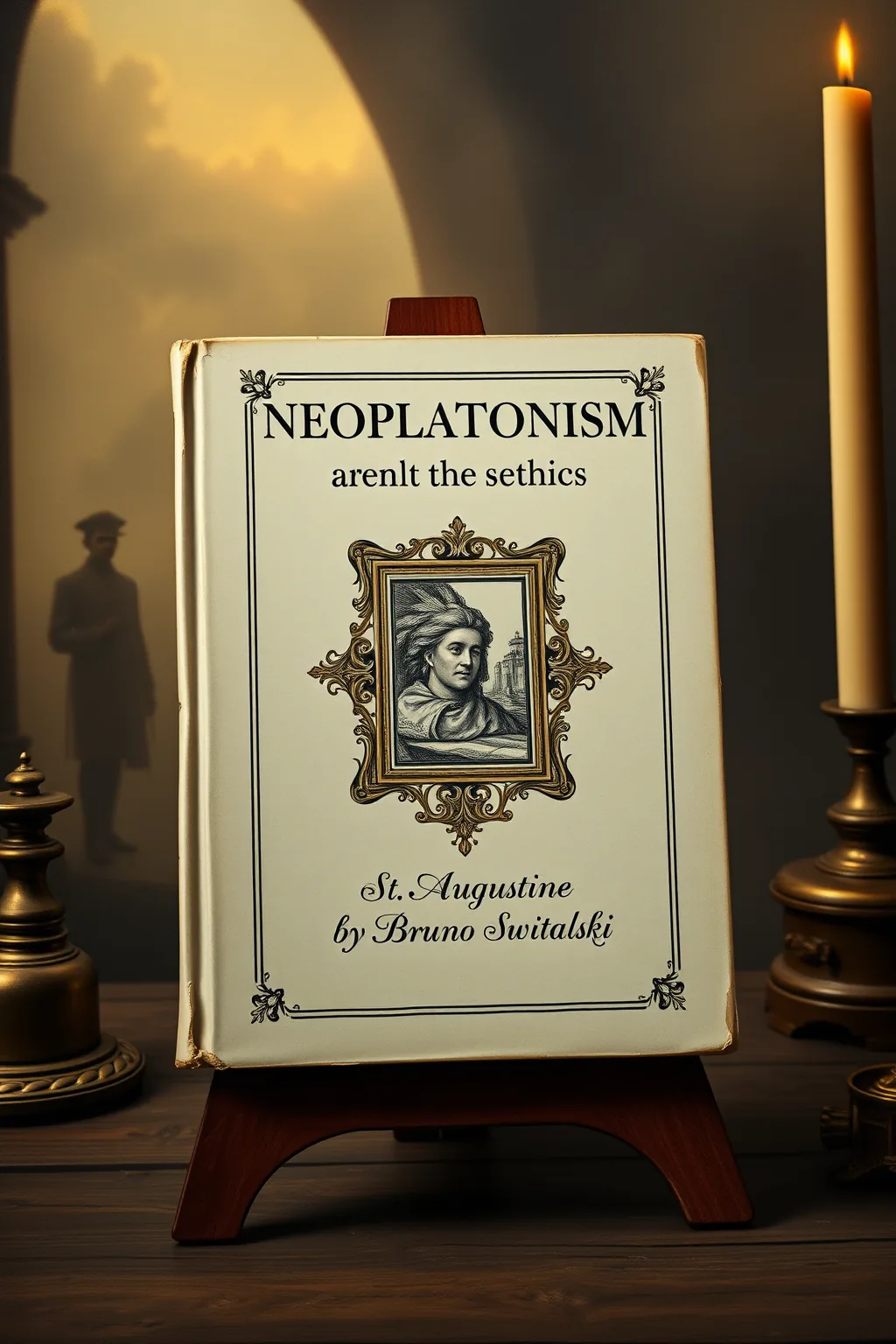
Neoplatonism and the ethics of St. Augustine
 61
61

Neoplatonism and the ethics of St. Augustine



Review by Lorelei Sage (Contemplative Literature Editor) — Bruno Switalski's 'Neoplatonism and the Ethics of St. Augustine' is a masterful blend of esoteric insights and philosophical rigor. Switalski deftly navigates the complex terrain of Neoplatonic thought, illuminating the ethical teachings of St. Augustine through a mystical lens. This book is a treasure trove for those interested in the hidden knowledge that underpins ethical philosophy. Switalski's ability to weave together ancient wisdom and contemporary relevance makes this work an essential read for spiritual seekers and scholars of esoteric traditions.
📝 Description
61
Bruno Switalski's 2021 work examines the ethical thought of St. Augustine through the lens of Neoplatonism.
This book connects the philosophical ideas of Neoplatonism with the ethical writings of St. Augustine. Bruno Switalski analyzes how Neoplatonic concepts influenced Augustine's views on morality and the human condition. The study looks closely at the symbolism and philosophical ideas shared between these two traditions.
It aims to show the connections between the divine and human realms as understood by both Augustine and earlier Neoplatonists. The book encourages readers to consider the deeper meanings of ethics and existence. It is written for those interested in the mystical aspects of philosophical thought and the search for deeper truths.
This work situates itself within the study of philosophical traditions that informed Western esotericism. By linking Neoplatonism, a school of thought often associated with mystical and spiritual interpretations, to St. Augustine, a figure central to Christian theology and philosophy, the book touches upon the historical currents that shaped later esoteric movements. It investigates how abstract philosophical concepts were applied to ethical understanding, a common concern in esoteric traditions seeking practical spiritual application.
💡 Why Read This Book?
Read 'Neoplatonism and the Ethics of St. Augustine' to gain a deeper understanding of the mystical foundations of ethical thought. Ideal for seekers of hidden knowledge, scholars of esoteric traditions, and practitioners of spiritual disciplines, this book offers a unique perspective on the interconnectedness of the divine and the human. It is a must-read for those who wish to explore the symbolic and philosophical depths of Neoplatonism and Augustine's ethics.
⭐ Reader Reviews
Honest opinions from readers who have explored this book.
❓ Frequently Asked Questions
What is the main focus of 'Neoplatonism and the Ethics of St. Augustine'?
The book focuses on the esoteric connections between Neoplatonism and the ethical teachings of St. Augustine, exploring the mystical and philosophical underpinnings of these traditions.
Who is the intended audience for this book?
The intended audience includes spiritual seekers, scholars of esoteric traditions, and practitioners of mystical disciplines who are interested in the hidden knowledge and symbolism of ethical philosophy.
How does this book differ from other works on Neoplatonism?
Unlike other works, this book specifically bridges Neoplatonism with the ethical teachings of St. Augustine, offering a unique perspective on the mystical foundations of ethics.
What are some key themes in the book?
Key themes include the symbolism of the divine, the ethics of the soul, and the philosophical significance of Neoplatonic thought in relation to Augustine's teachings.
Is this book suitable for beginners in esoteric studies?
While the book is rich in esoteric insights, it is best suited for those with some prior knowledge of Neoplatonism and Augustine's ethics, as it delves deeply into complex philosophical and mystical concepts.
🔮 Key Themes & Symbolism
Symbolism of the Divine
Explore the strong symbolism that connects the divine realm with the human experience. Switalski looks at the esoteric meanings behind the symbols that represent the divine in both Neoplatonism and Augustine's ethics.
Ethics of the Soul
Uncover the ethical implications of the soul's journey towards the divine. This theme examines the mystical pathways that guide the soul towards moral perfection and spiritual enlightenment.
Philosophical Significance
Understand the philosophical significance of Neoplatonic thought in relation to Augustine's ethical teachings. This theme highlights the esoteric insights that bridge these two influential traditions.
💬 Memorable Quotes
Direct passages from the work, attributed to the author.
“Neoplatonism reveals the hidden symbols of the divine.”
— Switalski's exploration of Neoplatonic symbolism offers a glimpse into the esoteric knowledge that lies beneath the surface of ethical thought.
“Symbolism is the language of the divine.”
— Switalski's work reveals how the symbols of Neoplatonism and Augustine's ethics communicate the mystical truths of the divine.
💡 Key Ideas
Editorial paraphrase of the work's core concepts — not direct quotes.
The soul's journey is a path of ethical refinement.
This passage underscores the mystical process of the soul's ascent towards moral purity.
Ethics is the bridge between the human and the divine.
This quote emphasizes the mystical connection between ethical philosophy and the divine realm, as explored in Augustine's teachings.
The pursuit of wisdom is a journey of the soul.
This passage highlights the spiritual quest for knowledge and ethical understanding that lies at the heart of Neoplatonism and Augustine's ethics.
🌙 Esoteric Significance
Tradition
This book belongs to the Hermetic tradition, which seeks to uncover the hidden knowledge and symbolism that connect the divine and the human. It draws upon Neoplatonic and Augustinian thought to illuminate the mystical pathways of ethical philosophy.
Symbolism
Key symbols include the divine light, the ascent of the soul, and the ethical journey. These symbols represent the mystical process of spiritual enlightenment and moral refinement.
Modern Relevance
Today, practitioners of spiritual disciplines and seekers of hidden knowledge find this book particularly relevant. It offers insights into the esoteric foundations of ethical thought, making it a valuable resource for modern mystics and philosophers.
👥 Who Should Read This Book
Beginners in esoteric studies may find this book challenging due to its depth and complexity. Scholars of Neoplatonism and Augustine's ethics will appreciate the esoteric insights and philosophical rigor. Spiritual seekers and practitioners of mystical disciplines will find it enriching, as it explores the hidden knowledge and symbolism that connect the divine and the human. Overall, this book is ideal for those who wish to explore the mystical underpinnings of ethical philosophy.
📜 Historical Context
Written in an era where the synthesis of ancient wisdom and Christian ethics was paramount, 'Neoplatonism and the Ethics of St. Augustine' emerged as a strong example of esoteric thought. During the late antiquity and early medieval periods, philosophers and theologians sought to reconcile the mystical insights of Neoplatonism with the ethical teachings of St. Augustine. This book's influence lies in its ability to bridge these two traditions, offering a unique perspective on the hidden knowledge that underpins ethical philosophy.
📔 Journal Prompts
Reflect on the symbolism of the divine in your own spiritual journey.
Consider the ethical implications of the soul's ascent towards the divine.
Explore the philosophical significance of Neoplatonic thought in your life.
Write about the mystical connection between ethics and the divine.
How do the symbols of Neoplatonism and Augustine's ethics resonate with your spiritual beliefs?
🗂️ Glossary
Neoplatonism
A philosophical tradition that builds upon the ideas of Plato, emphasizing the mystical and spiritual aspects of reality.
Symbolism
The use of symbols to represent abstract ideas or mystical truths, often found in esoteric traditions.
Ethics
The study of moral principles and values, often explored through a mystical or philosophical lens.
Divine Light
A symbol representing spiritual enlightenment and the presence of the divine in esoteric traditions.
Soul's Ascent
The mystical journey of the soul towards moral perfection and union with the divine.
This book appears in 2 collections
🔮 Readers Also Liked
Browse all →








From the “Neoplatonism” Collection
View all →






More Free Alchemy & Hermeticism Books
View all →