The tarot murders
 65
65

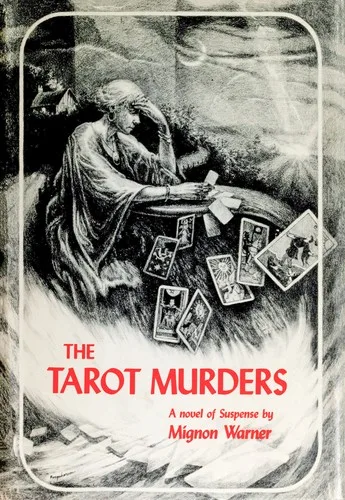
The tarot murders



Aurelia Blackwood (Occult Philosophy Critic) — Mignon Warner's 'The Tarot Murders' is a rare gem, seamlessly blending gripping detective fiction with authentic esoteric insight. The author demonstrates a profound understanding of Tarot symbolism, employing it not merely as a plot device but as a living, breathing element that dictates the grim dance of fate. The atmospheric tension is palpable, drawing parallels between the cryptic pronouncements of the cards and the unfolding mystery. This novel will resonate deeply with practitioners of divination, mystery enthusiasts seeking a unique twist, and anyone fascinated by the intersection of fate and human action. A truly captivating read.
📝 Description
65
Mignon Warner's 1970 novel, 'The Tarot Murders,' uses tarot symbolism to solve a series of crimes.
In Mignon Warner's 'The Tarot Murders,' a young woman's premonition of her own death, interpreted through the Justice card, leads her to the clairvoyant Mrs. Charles. This encounter initiates a mystery that unravels secrets, betrayal, and occult elements. The narrative centers on how the ancient symbolism of the Tarot becomes instrumental in understanding and solving a string of chilling incidents.
The novel examines themes of fate versus free will, set against a backdrop rich with the potent meanings found within each Tarot card. It invites readers to consider the unseen forces that influence human lives and the significance of the symbols we encounter daily. For those interested in mysteries that incorporate esoteric knowledge, 'The Tarot Murders' presents a narrative steeped in shadowed truths and hidden meanings.
This novel engages with the esoteric tradition of Tarot reading, a practice that assigns symbolic meanings to cards for divination or self-reflection. It draws upon the established archetypes and interpretations within the Tarot, such as the Justice card, to drive its plot. The book situates these esoteric tools within a mystery framework, suggesting that ancient symbolic systems can hold keys to understanding contemporary events and human psychology.
💡 Why Read This Book?
Unravel a murder mystery where the Tarot dictates the killer's path and the victim's fate. 'The Tarot Murders' offers a unique blend of occult symbolism and suspense, perfect for readers seeking a narrative infused with spiritual depth and ancient wisdom. If you're drawn to the mysteries of divination, the power of archetypes, and a compelling whodunit, this book promises an unforgettable, thought-provoking experience.
⭐ Reader Reviews
Honest opinions from readers who have explored this book.
❓ Frequently Asked Questions
Is 'The Tarot Murders' a beginner-friendly introduction to Tarot?
While the book intricately uses Tarot symbolism, it's primarily a mystery novel. It can spark interest in Tarot for beginners, but dedicated study of Tarot decks and meanings is recommended for a deeper understanding of the cards' significance within the narrative.
What is the central mystery in the book?
The central mystery revolves around a series of murders, each seemingly predicted by a specific Tarot card, leading a clairvoyant and her associates to uncover a conspiracy rooted in occult practices and personal vendettas.
What kind of atmosphere does the book create?
The book cultivates a dark, atmospheric, and suspenseful mood, tinged with a sense of impending doom and the uncanny. It evokes the feeling of a classic mystery set against a backdrop of veiled arcane knowledge.
Are the Tarot interpretations in the book accurate?
Mignon Warner skillfully employs traditional and archetypal Tarot interpretations, adapting them to the narrative's demands. While creative license is taken for storytelling, the core symbolism remains recognizable and resonant for those familiar with the Tarot.
Who is Mrs. Charles?
Mrs. Charles is a clairvoyant who becomes the central figure in unraveling the 'Tarot Murders.' She possesses a keen intuition and a deep understanding of the Tarot, which she uses to decipher the cryptic clues left behind.
🔮 Key Themes & Symbolism
Fate and Determinism
The novel deeply explores the age-old philosophical debate between fate and free will. The Tarot cards act as harbingers of destiny, suggesting that certain events are predetermined. However, the characters' choices and actions within the narrative challenge this notion, prompting reflection on whether destiny is an inescapable script or a series of probabilities influenced by human agency. This theme invites readers to contemplate the extent to which our lives are guided by unseen forces versus our own decisions, particularly in the face of dire omens.
The Power of Symbolism
Fundamentally, , 'The Tarot Murders' is a evidence of the profound power of symbolism, particularly that of the Tarot. Each card, from Justice to The Tower, is not merely an image but a potent archetype carrying layers of meaning and predictive energy. The book demonstrates how these ancient symbols can be interpreted to reveal hidden truths, predict future events, and even orchestrate them. It highlights the human need to find meaning in symbols and how they can shape our perceptions and actions, for good or ill.
Hidden Knowledge and the Occult
The narrative is steeped in the mystique of hidden knowledge and the occult. It suggests that certain individuals possess access to esoteric wisdom, allowing them to perceive patterns and forces invisible to the uninitiated. The mystery unfolds through the lens of these occult practices, implying that the murders are not random acts of violence but rather the consequence of rituals, curses, or prophecies stemming from the shadowy corners of arcane lore. This theme appeals to those fascinated by the secrets of the universe and the allure of the forbidden.
💬 Memorable Quotes
Direct passages from the work, attributed to the author.
“"I am going to die," she blurted out to the clairvoyante.”
— This stark declaration immediately plunges the reader into the heart of the mystery and the protagonist's despair, highlighting the immediate and terrifying connection between the Tarot and impending doom.
“"There are many cards in the Tarot which may, in certain circumstances, predict death, my dear."”
— This response from Mrs. Charles offers a measured, knowledgeable perspective, hinting at the complex and nuanced nature of Tarot interpretation beyond simplistic predictions of doom.
“"Some are more powerful than others. Which one was it?"”
— This question immediately focuses the investigation, emphasizing that the specific card drawn holds crucial, differentiating information, escalating the suspense and the intellectual puzzle for both the characters and the reader.
“Justice.”
— The simple, chilling utterance of 'Justice' as the foreboding card signifies a profound irony and a powerful omen, suggesting that the impending death is perceived as a karmic or divinely ordained consequence, adding a layer of moral complexity to the unfolding tragedy.
💡 Key Ideas
Editorial paraphrase of the work's core concepts — not direct quotes.
"The Professor told me the cards never lie."
This line introduces the central premise: the unassailable truth attributed to the Tarot, setting the stage for a narrative where the cards are the ultimate arbiters of fate and the key to solving the crimes.
🌙 Esoteric Significance
Tradition
The esoteric significance of 'The Tarot Murders' is deeply rooted in Western esotericism, particularly within traditions that view the Tarot as a symbolic map of the psyche, the cosmos, and the journey of the soul. It aligns with hermeticism, ceremonial magic, and occult philosophies that see the Tarot's 78 cards as containing profound archetypal wisdom and initiatory secrets. The narrative suggests a direct correlation between the symbolic language of the Tarot and the unfolding of real-world events, implying a hidden order governed by divine or cosmic laws that can be deciphered through esoteric means.
Symbolism
The symbolism in 'The Tarot Murders' is paramount, with the Tarot deck serving as the central symbolic language. Cards like Justice, Death, The Tower, and The Hanged Man are not merely plot devices but potent archetypes representing fundamental life forces, moral quandaries, inevitable change, and spiritual sacrifice. The novel uses these symbols to foreshadow events, reveal character motivations, and expose the underlying spiritual or karmic dynamics at play. The interpretation of these symbols by the characters directly influences their understanding of the crimes and their pursuit of the truth, highlighting the Tarot's role as a divinatory and diagnostic tool.
Modern Relevance
In contemporary times, 'The Tarot Murders' remains highly relevant for its exploration of themes that continue to resonate. The increasing interest in mindfulness, self-discovery, and alternative spiritual paths makes the Tarot's symbolic language and its potential for insight more appealing than ever. The novel’s examination of fate, choice, and the impact of unseen forces speaks to modern anxieties about control and purpose. Furthermore, its blend of mystery and esotericism appeals to a diverse readership seeking narratives that offer intellectual stimulation alongside a deeper exploration of life's mysteries and the human condition.
👥 Who Should Read This Book
This novel is a compelling read for several distinct groups. **Seekers of the Esoteric** will delight in the authentic use of Tarot symbolism and the exploration of hidden knowledge. **Fans of Classic Mystery** will appreciate the intricate plotting, suspenseful atmosphere, and the unique twist of a divinely ordained crime. **Practitioners of Divination** will find a thoughtful and imaginative portrayal of Tarot's predictive power. **Scholars of Mysticism** will note the novel's engagement with themes of fate, symbolism, and the occult. Ultimately, anyone drawn to stories that look at the intersection of the mystical and the mundane, and who enjoys a well-crafted mystery with profound undertones, will find 'The Tarot Murders' a captivating experience.
📜 Historical Context
Mignon Warner's 'The Tarot Murders' emerged during a period of renewed interest in spiritualism, the occult, and esoteric philosophies. The early to mid-20th century saw a surge in popular engagement with mediums, psychics, and divination practices, influenced by movements like Theosophy and the wider spiritualist revival. Authors of the era often explored the darker, more mysterious aspects of these beliefs, combining them into compelling narratives that tapped into public fascination with the unknown. This context provides a rich backdrop for the novel, reflecting a society grappling with rapid change and seeking answers in ancient wisdom and mystical interpretations of life and death.
📔 Journal Prompts
Reflect on a time you felt a strong sense of destiny guiding your path. How did you interpret that feeling?
Choose a Tarot card that appeals to you currently. What message do you believe it holds for your life?
Consider the concept of 'Justice' as depicted in the Tarot. How does this archetypal energy manifest in your own experiences or the world around you?
If you were to receive a dire Tarot reading, what steps would you take to understand or potentially alter your perceived fate?
Explore the idea of hidden knowledge. What 'hidden truths' do you believe exist in the world, and how might they influence events?
🗂️ Glossary
Arcana
In Tarot, the term 'Arcana' refers to the two main divisions of the deck: the Major Arcana (22 cards representing significant life lessons and archetypal energies) and the Minor Arcana (56 cards depicting daily experiences and practical matters).
Clairvoyante
A person who claims to have the ability to perceive events or knowledge beyond the normal range of human senses, often through psychic or supernatural means, such as seeing visions or receiving intuitive insights.
Divination
The practice of seeking knowledge of the future or the unknown by supernatural means. Tarot card reading is a prominent form of divination, using the cards to gain insight into questions or situations.
Esoteric
Intended for or likely to be understood by only a small number of people with a specialized knowledge or interest. Esoteric knowledge often pertains to mystical, spiritual, or philosophical traditions.
Archetype
A recurring symbol or motif in literature, art, or mythology that represents universal patterns of human nature or experience. In Tarot, each card embodies a powerful archetype.
This book appears in 3 collections
🔮 Readers Also Liked
Browse all →
More by Mignon Warner
All books →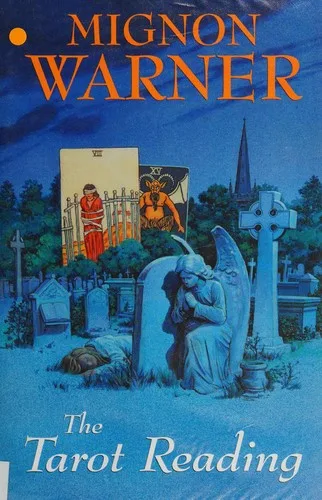
From the “Tarot” Collection
View all →
More Free Divination & Tarot Books
View all →