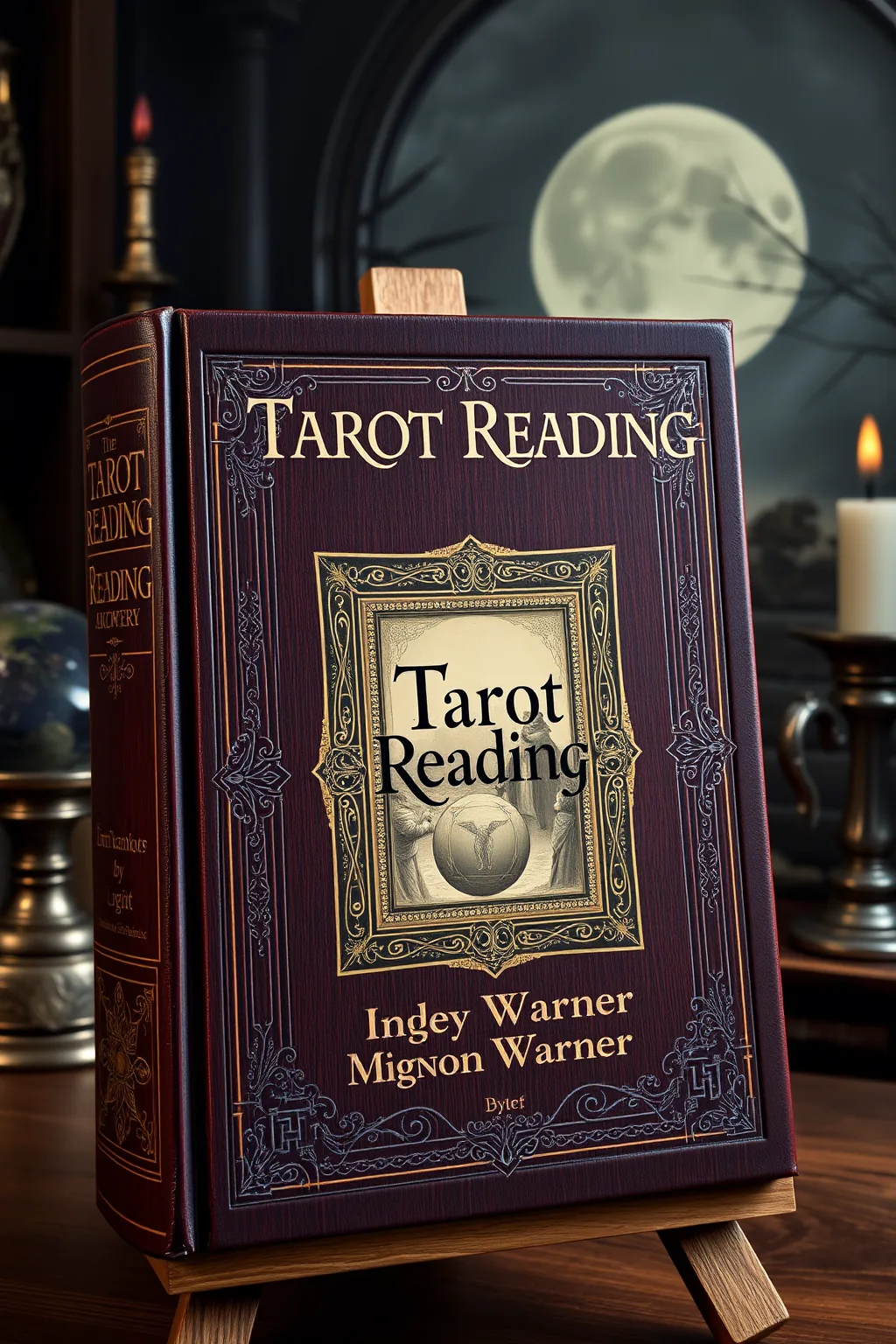
Tarot Reading
 71
71

Tarot Reading
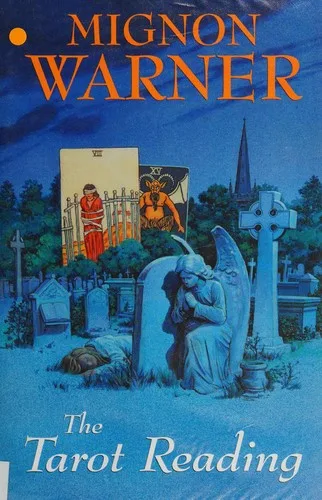
Mignon Warner’s Tarot Reading provides a welcome, grounded perspective on the Rider-Waite-Smith deck. Rather than rehashing common divinatory meanings, the work zeroes in on the visual lexicon and archetypal structures that Pamela Colman Smith and Arthur Edward Waite so deliberately encoded. Warner excels in dissecting the narrative threads within the Minor Arcana, offering an interpretation of the scenes depicted as crucial to understanding their import. A limitation, however, is the book's relatively brief engagement with the historical reception of the deck beyond its creation; the impact of the 1909 publication on subsequent occult movements could be explored further. The chapter detailing the Fool's journey, while clear, could benefit from a more extensive discussion of its philosophical implications. Nevertheless, this book offers a solid foundation for serious study.
📝 Description
71
Mignon Warner's 1980 book examines the Rider-Waite-Smith tarot, a deck first published in 1909.
Mignon Warner's Tarot Reading dissects the Rider-Waite-Smith tarot deck, a system that became standard for many modern practitioners. The book breaks down the deck's 78 cards, explaining the symbolism in each one. Warner moves past simple fortune-telling interpretations to discuss the archetypal stories and psychological ideas that make the tarot a useful tool for self-understanding.
This book suits people who want a clear way to study tarot. It is especially helpful for those familiar with the Rider-Waite-Smith deck who want to understand its pictures and meanings better. Whether you are new to tarot or an experienced reader aiming to improve your analytical abilities, Warner's book offers a detailed guide for interacting with the cards more deeply than just predicting the future.
The Rider-Waite-Smith deck, released in 1909, appeared during a time of renewed interest in the occult in late Victorian and Edwardian England. Influenced by the Hermetic Order of the Golden Dawn, a notable esoteric society, the deck aimed to translate occult symbols into a visual language. Warner's work places this deck within that historical context, recognizing the joint effort that created its unique art and symbolic structure, which differed from earlier tarot traditions.
Published in 1980, Warner's book engages with the Rider-Waite-Smith tarot, itself a product of the late 19th and early 20th-century occult revival. This deck originated from members of the Hermetic Order of the Golden Dawn, an organization dedicated to studying Western esotericism, including Qabalah, astrology, and ceremonial magic. The RWS deck was an attempt to create a visually accessible system of esoteric knowledge, moving beyond earlier, more abstract tarot traditions. Warner's analysis places the deck's imagery and structure within this milieu of codified magical symbolism and psychological interpretation.
💡 Why Read This Book?
• Gain a structured understanding of the Rider-Waite-Smith deck's visual language, moving beyond rote memorization of card meanings by analyzing the illustrated scenes of the Minor Arcana, a key innovation from the 1909 publication. • Explore the archetypal narratives embedded within the Major Arcana, learning how these cards represent significant life lessons and universal psychological forces as presented by Warner. • Understand the symbolic connections between the suits, numbers, and court cards, appreciating how their interplay, as detailed in the book, forms a coherent system for self-inquiry.
⭐ Reader Reviews
Honest opinions from readers who have explored this book.
❓ Frequently Asked Questions
When was Mignon Warner's Tarot Reading first published?
Mignon Warner's Tarot Reading was first published in 2008, offering a contemporary analysis of a foundational tarot system.
What specific tarot deck does this book focus on?
The book exclusively focuses on the Rider-Waite-Smith tarot deck, examining its structure, symbolism, and interpretive potential.
Does this book teach spread interpretations?
While the book explains card meanings and their relationships, its primary focus is on the individual cards and their archetypal significance, not specific spread layouts.
Is this book suitable for absolute beginners to tarot?
Yes, the book provides a structured approach that is beneficial for beginners seeking a deep understanding of the Rider-Waite-Smith deck’s symbolism.
What is the significance of Pamela Colman Smith's contribution mentioned in the book?
The book highlights Pamela Colman Smith's innovative illustrations for the Minor Arcana, which depicted scenes conveying meaning, a departure from earlier, more abstract tarot cards.
Does the book discuss the historical context of the Rider-Waite-Smith deck?
Yes, the work situates the 1909 deck within the esoteric revival of the late Victorian and Edwardian eras, referencing the influence of groups like the Hermetic Order of the Golden Dawn.
🔮 Key Themes & Symbolism
Archetypal Language of the Major Arcana
The Major Arcana are presented not merely as prophetic cards, but as representations of fundamental human experiences and spiritual archetypes. Warner explores how each of the 22 cards, from The Fool to The World, signifies a stage in a profound developmental journey. The work emphasizes understanding these cards as symbolic keys to inner transformation, reflecting the archetypal psychology that became influential in esoteric thought during the early 20th century.
The Narrative Power of the Minor Arcana
A significant contribution of the Rider-Waite-Smith deck, and a focal point for Warner, is the pictorial representation of the Minor Arcana. Unlike earlier decks where these cards often featured only symbolic arrangements of suit emblems, Pamela Colman Smith's illustrations depict scenes that convey specific actions and situations. This book argues that these scenes are crucial for intuitive interpretation, transforming the Minor Arcana into a narrative tool that mirrors the complexities of everyday life and decision-making.
The Rider-Waite-Smith Deck as a System
Warner treats the tarot as a cohesive symbolic system rather than a collection of disparate meanings. The book details how the numerical progression within each suit, the symbolism of the four suits (Wands, Cups, Swords, Pentacles), and the roles of the Court Cards (Page, Knight, Queen, King) all interrelate. This systemic approach underscores the deck's design, originating from the intellectual milieu of the Hermetic Order of the Golden Dawn, as a tool for structured spiritual and psychological exploration.
Visual Symbolism and Interpretation
The work emphasizes that the visual design of the Rider-Waite-Smith cards is paramount to their interpretation. Warner guides readers to observe specific details within the illustrations – gestures, colors, background elements – and understand how these contribute to the card's overall message. This focus on visual semiotics allows for a richer, more nuanced engagement with the cards, moving beyond simplistic keyword associations to a deeper comprehension of their layered meanings.
💬 Memorable Quotes
Direct passages from the work, attributed to the author.
“The Rider-Waite-Smith deck moved the Minor Arcana from abstract symbolism to narrative illustration.”
— This statement highlights a central innovation of the 1909 deck, crediting Pamela Colman Smith's artwork for making the meanings of the numbered cards more accessible and relatable through depicted scenes.
“Each of the 78 cards acts as a mirror reflecting aspects of the human psyche.”
— This interpretation emphasizes the psychological dimension of tarot, suggesting that the cards are not merely predictive tools but are designed to offer insights into the reader's inner world and subconscious patterns.
“The Fool's journey represents a cycle of initiation and spiritual growth.”
— This concept frames The Fool card, typically numbered 0, as the starting point of a significant personal or spiritual quest, underscoring its role in initiating a transformative process.
“Understanding the interplay between the suits is key to a coherent reading.”
— This emphasizes the systemic nature of the tarot, suggesting that a proper interpretation requires recognizing how the distinct energies of Wands, Cups, Swords, and Pentacles interact within a spread.
“The Court Cards embody distinct personality types and roles.”
— This interpretation focuses on the Court Cards (Page, Knight, Queen, King), presenting them as archetypal figures or personality facets that can represent people, inner characteristics, or modes of behavior.
🌙 Esoteric Significance
Tradition
This work primarily engages with the Western Esoteric tradition, particularly as it crystallized around the Hermetic Order of the Golden Dawn in the late 19th and early 20th centuries. The Rider-Waite-Smith deck, a product of this milieu, represents an effort to synthesize various esoteric currents—including Hermeticism, Kabbalah, and Christian mysticism—into a unified symbolic system for personal development and divination.
Symbolism
Central symbols explored include the archetypal journey of The Fool (0) through the Major Arcana, representing initiation and spiritual unfolding. The four suits of the Minor Arcana—Wands (spirit/action), Cups (emotions/relationships), Swords (intellect/conflict), and Pentacles (materiality/body)—are examined for their elemental associations. The book also studies the symbolism of the Court Cards (Page, Knight, Queen, King) as representations of different energies and stages of maturity within these suits.
Modern Relevance
Warner's analysis of the Rider-Waite-Smith deck remains highly relevant for contemporary tarot practitioners and those interested in archetypal psychology. Its focus on the visual narrative and psychological underpinnings of the cards informs modern approaches to tarot reading that emphasize self-reflection and personal growth over simple prediction. Thinkers and practitioners in fields ranging from Jungian psychology to modern witchcraft continue to draw upon the RWS system as interpreted in works like this.
👥 Who Should Read This Book
• Aspiring tarot readers seeking a foundational understanding of the Rider-Waite-Smith deck's visual language and archetypal meanings. • Students of esoteric history interested in the development of occult symbolism in the early 20th century, particularly the influence of the Hermetic Order of the Golden Dawn. • Individuals looking for a structured method to engage with tarot for self-reflection and psychological insight, moving beyond superficial divinatory practices.
📜 Historical Context
Mignon Warner's examination of Tarot Reading places the Rider-Waite-Smith deck within a crucial period of occult revival. First published in 1909, the deck emerged from the fertile intellectual ground of late Victorian and Edwardian England, heavily influenced by the esoteric teachings of the Hermetic Order of the Golden Dawn. Arthur Edward Waite, a prominent member, collaborated with artist Pamela Colman Smith to create a deck that was both symbolically rich and visually accessible, departing significantly from earlier tarot traditions like the Marseille deck. This era saw a surge of interest in mysticism, spiritualism, and comparative religion, with figures like Aleister Crowley also developing their own systems, such as the Thoth Tarot. The Rider-Waite-Smith deck, however, quickly gained prominence due to its detailed illustrations and its perceived connection to Western esotericism, becoming a starting point for many subsequent tarot practitioners and scholars.
📔 Journal Prompts
The Fool's journey: Trace your own path of initiation through the Major Arcana archetypes.
Symbolism of the Suits: How do the energies of Wands, Cups, Swords, and Pentacles manifest in your daily life?
Pamela Colman Smith's Illustrations: Analyze a specific scene from a Minor Arcana card and its narrative message.
Court Card Archetypes: Which Court Card character best represents a current challenge or personal quality you are exploring?
The interplay of the 78 cards: Reflect on how a specific card's meaning shifts when paired with another card you've studied.
🗂️ Glossary
Major Arcana
The set of 22 trump cards in a tarot deck, representing significant life events, spiritual lessons, and archetypal forces.
Minor Arcana
The set of 56 cards in a tarot deck, divided into four suits, which typically represent everyday situations, challenges, and experiences.
Rider-Waite-Smith Deck
A widely used tarot deck first published in 1909, known for its full-color illustrated Minor Arcana designed by Pamela Colman Smith under the direction of Arthur Edward Waite.
Archetype
In esoteric and psychological contexts, a universal, primordial pattern or image that recurs in the collective unconscious, influencing human thought and behavior.
Hermetic Order of the Golden Dawn
A secret society founded in 1888, influential in the development of modern Western occultism and ceremonial magic, whose members included Arthur Edward Waite and Pamela Colman Smith.
Divination
The practice of seeking knowledge of the future or the unknown by supernatural means, often through tools like tarot cards.
Suit
One of the four divisions of the Minor Arcana (Wands, Cups, Swords, Pentacles), each associated with specific elements, themes, and aspects of life.
🔮 Readers Also Liked
Browse all →







More by Mignon Warner
All books →

More Free Occult Philosophy Books
View all →