The Taming of a Scottish Princess
 81
81

The Taming of a Scottish Princess
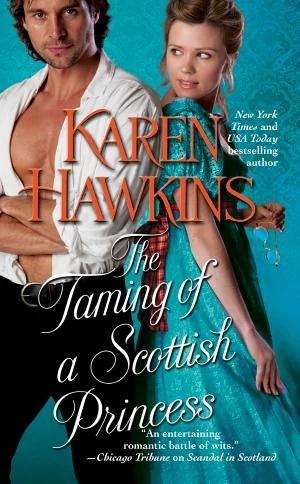
Karen Hawkins' "The Taming of a Scottish Princess" attempts to blend the thrill of artifact hunting with the intimacy of romantic discovery. The premise, placing Egyptologist Michael Hurst and his assistant Jane Smythe-Haughton on the trail of the Hurst Amulet in Jane's Scottish homeland, offers fertile ground for secrets. Hawkins excels in portraying the dust-and-parchment world of academia, making Michael's single-minded pursuit of the amulet feel authentic. However, the transition to Jane's personal history, where she's treated as a 'long-lost princess,' feels somewhat abrupt. The novel struggles to fully integrate the romantic tension with the overarching mystery of the amulet. While Jane's return to her roots is meant to be a pivotal moment, the emotional weight feels diluted by the plot's demands. The central conflict between Michael's professional drive and Jane's personal revelations could have been more deeply explored. Ultimately, the book offers a pleasant, if somewhat uneven, blend of historical intrigue and burgeoning romance.
📝 Description
81
Karen Hawkins' 2012 novel follows an Egyptologist and his assistant to Scotland for a lost amulet.
Karen Hawkins' 2012 novel, "The Taming of a Scottish Princess," follows Egyptologist Michael Hurst and his assistant, Jane Smythe-Haughton. Their search for the lost Hurst Amulet leads them to Jane's ancestral home in Scotland. There, a personal mystery from Jane's past surfaces, challenging both characters and their relationship. The narrative blends historical romance with elements of mystery and adventure.
The book is suited for readers who enjoy historical romance with a speculative dimension. Those who appreciate complex plots involving lost artifacts, family secrets, and the intersection of academic goals with personal history will find it engaging. It appeals to fans of romantic stories set against backdrops of historical exploration and inherited legacies.
While not strictly an esoteric text, "The Taming of a Scottish Princess" touches upon themes that resonate within esoteric traditions. The recovery of a lost artifact and the uncovering of obscured family legacies can be seen as symbolic quests for hidden knowledge. The narrative's focus on confronting ancestral history and personal identity echoes archetypal explorations found in various esoteric schools that examine the connection between the individual and their lineage.
💡 Why Read This Book?
• Gain insight into the allure of lost artifacts, exemplified by the specific quest for the "Hurst Amulet," and how such pursuits can unearth personal histories. • Experience the narrative tension arising from a character's confrontation with their own past, as Jane Smythe-Haughton returns to her birthplace under unexpected circumstances. • Appreciate the blend of academic pursuit and romantic entanglement, where the search for historical truth intersects with the discovery of personal identity and heritage.
⭐ Reader Reviews
Honest opinions from readers who have explored this book.
❓ Frequently Asked Questions
What is the main artifact Michael Hurst is searching for?
The renowned Egyptologist Michael Hurst is on a quest to find the long-lost "Hurst Amulet," a significant artifact driving the central plot of "The Taming of a Scottish Princess."
Where does the story take place after the initial hunt?
The search for the Hurst Amulet leads Michael Hurst and his assistant Jane Smythe-Haughton to Jane's birthplace in Scotland, a location she had previously sworn never to return to.
What is unusual about Jane's reception in her hometown?
Upon their arrival in Scotland, everyone treats Jane Smythe-Haughton like a "long-lost princess," hinting at a hidden history and a mystery surrounding her identity and lineage.
What is the core conflict Michael Hurst faces?
Michael Hurst must balance his lifelong academic obsession with finding the Hurst Amulet with the unfolding personal mystery surrounding Jane and her past, requiring him to set aside secrets.
When was 'The Taming of a Scottish Princess' originally published?
Karen Hawkins' novel, "The Taming of a Scottish Princess," was first published on May 22, 2012.
What genre does 'The Taming of a Scottish Princess' fall under?
The book is primarily a historical romance, incorporating elements of mystery, adventure, and a touch of family saga.
🔮 Key Themes & Symbolism
The Quest for Artifacts
The narrative is propelled by the search for the "Hurst Amulet," a tangible object representing historical knowledge and academic pursuit. This external quest serves as a catalyst, forcing characters to confront deeper, personal mysteries. The artifact's significance lies not just in its potential historical value but in its ability to draw protagonist Michael Hurst into a world far removed from his academic comfort zone and into the intricate personal history of his assistant, Jane.
Hidden Identity and Lineage
Jane Smythe-Haughton's return to her Scottish birthplace unearths a significant personal mystery. The villagers' treatment of her as a "long-lost princess" suggests a lineage or past she herself may not fully comprehend or acknowledge. This theme explores the weight of ancestry, the secrets families keep, and the journey of self-discovery when one's identity is tied to a forgotten heritage.
Academic Obsession vs. Personal Revelation
Michael Hurst embodies the dedicated scholar, consumed by the pursuit of historical truth through the Hurst Amulet. His character contrasts with the unfolding personal drama surrounding Jane. The story examines how professional drive can clash with or inadvertently lead to personal revelation, forcing characters to re-evaluate their priorities when faced with undeniable emotional truths and interpersonal dynamics.
The Call of Home and History
Jane's reluctant return to her homeland signifies a confrontation with her past and roots. The Scottish setting becomes more than a backdrop; it is intrinsically linked to her identity and the secrets that surround her. This theme highlights how geographical locations can hold historical and emotional resonance, acting as a focal point for uncovering buried truths and understanding one's place in the world.
💬 Memorable Quotes
Direct passages from the work, attributed to the author.
“Michael realizes there's more than one mystery at play.”
— This observation highlights the narrative's dual focus: the external mystery of the Hurst Amulet and the internal mystery surrounding Jane's past and her royal reception in Scotland.
“Jane's birthplace, a place she'd sworn never to return.”
— This phrase immediately establishes a deep personal conflict for Jane, indicating unresolved trauma or significant secrets tied to her origins, creating anticipation for the revelations to come.
“Everyone treats Jane like a long-lost princess.”
— This detail injects an element of fairy tale and hidden nobility into Jane's narrative, suggesting a significant, perhaps royal, lineage that has been obscured or forgotten, adding layers to her character.
“They must put all secrets aside and work to...”
— This implies a crucial turning point where the protagonists must achieve transparency and cooperation to overcome the combined challenges of the artifact hunt and Jane's personal history.
“Renowned Egyptologist Michael Hurst has no time for silliness such as parties and balls.”
— This establishes Michael's character as a serious academic, prioritizing his research above social niceties, setting up a contrast with the romantic and social elements that will inevitably intrude upon his quest.
🌙 Esoteric Significance
Tradition
While "The Taming of a Scottish Princess" is primarily a historical romance, its themes of lost artifacts and hidden lineages can be loosely connected to archetypal explorations found in Western esotericism. The pursuit of a significant object like the Hurst Amulet reflects the alchemical quest for the Philosopher's Stone or the Hermetic search for hidden knowledge. Jane's potential royal heritage and the mystery surrounding it touch upon concepts of inherent spiritual or noble birthright, a recurring motif in various mystical schools that posit an inner divinity or a destined path for certain individuals.
Symbolism
The "Hurst Amulet" itself serves as a potent symbol, representing not only historical knowledge and academic pursuit but also the tangible key to unlocking buried secrets, both personal and historical. Jane's designation as a "long-lost princess" symbolizes a hidden potential, an obscured identity, and a connection to ancestral power or destiny. The Scottish setting, with its ancient castles and landscapes, can symbolize the deep subconscious, the repository of ancestral memory, and the primal forces that influence present lives.
Modern Relevance
Contemporary readers interested in the psychological underpinnings of identity and the impact of ancestral narratives might find resonance in this novel. While not directly referencing modern esoteric thinkers, the book's exploration of how family secrets and historical legacies shape individuals aligns with modern therapeutic approaches that emphasize understanding one's roots. It reflects a broader cultural interest in personal history and the idea that uncovering the past can be a pathway to self-understanding and empowerment, a concept explored in various contemporary self-help and personal growth movements.
👥 Who Should Read This Book
• Fans of historical romance seeking a plot with added layers of mystery and artifact hunting. • Readers intrigued by stories of hidden identities, family secrets, and ancestral legacies. • Those who enjoy narratives that blend academic pursuits with personal discovery and romantic entanglement.
📜 Historical Context
Published in 2012, Karen Hawkins' "The Taming of a Scottish Princess" emerged during a period where historical romance frequently incorporated elements of mystery and adventure. This genre often draws on romanticized notions of the past, blending factual settings with fictional narratives of love and intrigue. While the book itself is not an esoteric treatise, its exploration of lost artifacts and hidden lineages taps into archetypal themes that have preoccupied various mystical traditions throughout history. It exists within a literary landscape populated by authors like Julia Quinn and Lisa Kleypas, who also explore romantic relationships against rich historical backdrops. The reception of such novels typically centers on their successful balance of historical detail, character development, and romantic tension, rather than engagement with specific intellectual movements. The 2012 publication date places it firmly in contemporary popular fiction, where genre conventions are well-established and widely enjoyed by a dedicated readership.
📔 Journal Prompts
The Hurst Amulet as a symbol of Michael's academic drive.
Jane's 'princess' status and its implications for her identity.
The significance of returning to a place sworn never to revisit.
How secrets impact Michael's and Jane's professional and personal lives.
The contrast between uncovering historical artifacts and personal truths.
🗂️ Glossary
Hurst Amulet
A significant, long-lost artifact that renowned Egyptologist Michael Hurst is actively searching for, driving much of the plot's external conflict and adventure.
Egyptologist
An expert in the study of ancient Egypt, including its history, archaeology, language, and culture. Michael Hurst is characterized as such.
Assistant (Jane Smythe-Haughton)
The professional aide to Michael Hurst, who becomes central to the unfolding personal mystery of the story when their quest leads to her hometown.
Long-lost princess
A description applied to Jane Smythe-Haughton by the inhabitants of her birthplace, indicating a hidden lineage or royal connection she possesses.
Scottish birthplace
The specific location in Scotland that Jane Smythe-Haughton had vowed never to return to, serving as a focal point for confronting her past.
Historical mystery
A plot element involving unresolved questions or secrets from the past, often intertwined with the main narrative as seen in both the amulet's disappearance and Jane's heritage.
Academic pursuit
The dedicated effort and study involved in scholarly research, exemplified by Michael Hurst's singular focus on finding the Hurst Amulet.
This book appears in 1 collection
🔮 Readers Also Liked
Browse all →







From the “Amulets” Collection
View all →




More Free Occult Philosophy Books
View all →